

Connecting coastal tourist destinations in Nghe An
(Baonghean.vn) - With its long coastline, beautiful scenery, and numerous seafood processing villages, Nghe An has an advantage in developing beach and resort tourism. This type of tourism has been and continues to be the largest contributor to the province's tourism activities in terms of visitor numbers and revenue. To capitalize on this advantage, linking destinations and expanding the beach tourism space is a matter that needs attention at present.
Abundant potential
Located in the heart of Central Vietnam, Nghe An province experiences scorching summer sun, stifling heat, and oppressive weather. Its beautiful beaches are a gift from nature. During these hot days, the beaches are ideal destinations for locals and tourists to cool off, breathe fresh air, and find moments of relaxation, absorbing positive energy for optimal work performance.
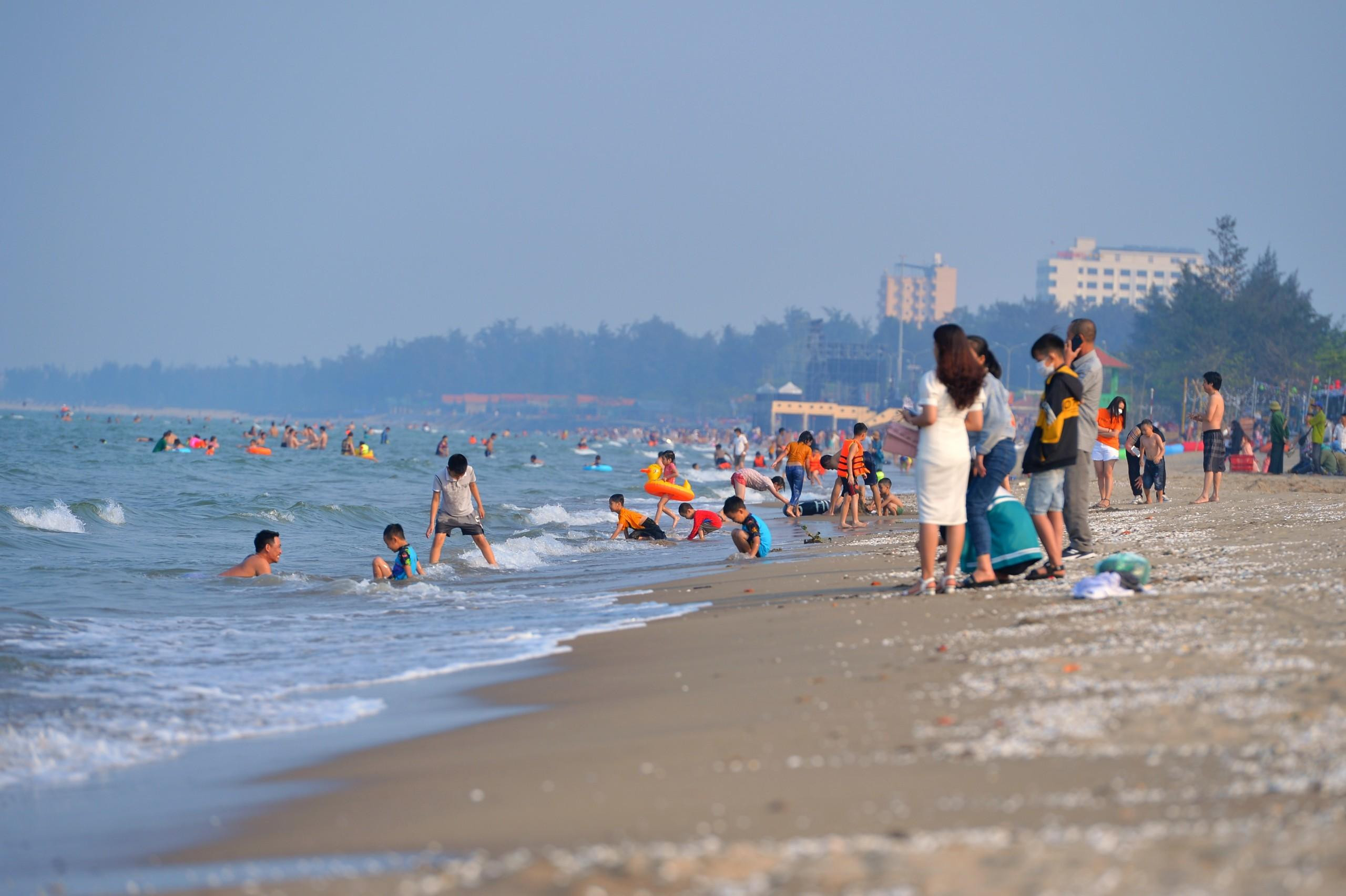 |
The beauty of Cua Lo beach. Photo courtesy of Thanh Cuong. |
Nghe An province boasts over 80 km of coastline, stretching from Hoang Mai town, through Quynh Luu, Dien Chau, and Nghi Loc districts to Cua Lo town. Among these are many beautiful beaches, truly ideal destinations for swimming, recreation, and relaxation, most notably Cua Lo beach, considered the most beautiful in the North Central region.
For many years, Cua Lo beach tourism has established its brand, attracting a large number of domestic and international tourists, becoming the province's biggest tourism hub and leading in revenue.
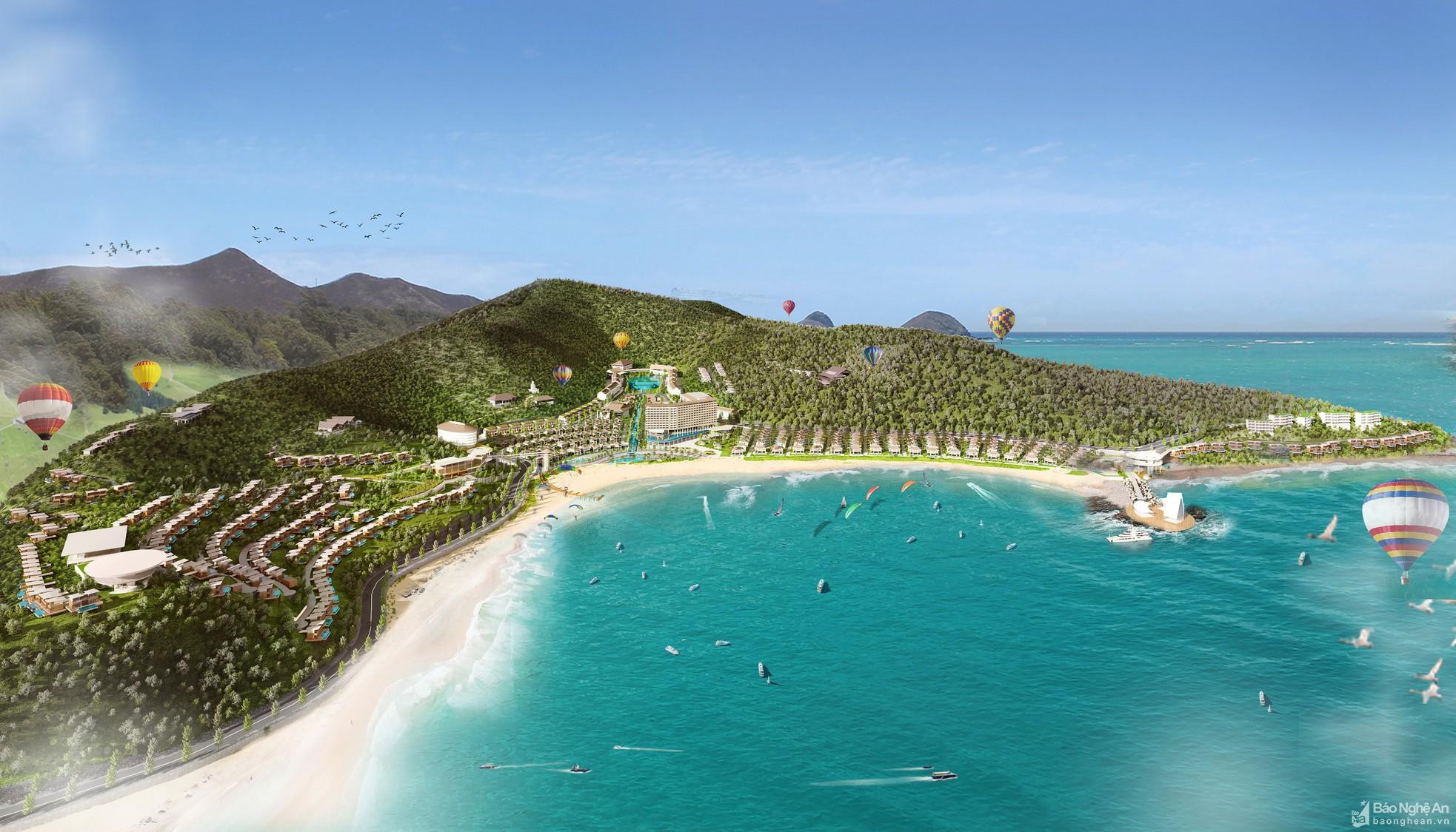 |
Bai Lu Resort (Nghi Loc). Archival photo. |
Along with Cua Lo, the beaches in Quynh Nghia, Quynh Bang (Quynh Luu), Dien Thanh, Cua Hien (Dien Chau), Quynh Phuong (Hoang Mai town) and Bai Lu (Nghi Loc) are also being developed for tourism. While not as long and wide as Cua Lo beach, these beaches are blessed with unique natural features.
For example, Quynh Nghia beach features Dragon Mountain jutting out of the water, inside which lies a stunning cave with countless stalactites of various shapes, reflecting sunlight to create a shimmering, magical beauty. Visitors can enter the cave in small boats, stroll around, admire the scenery, relax their minds, and have enjoyable experiences.
Quynh Phuong Beach is also associated with the Corn Temple, the most sacred temple in Nghe An province, which still preserves its ancient beauty. Here, tourists can enjoy swimming and relaxation while also having the opportunity to worship and express their spiritual beliefs, praying for peace and prosperity.
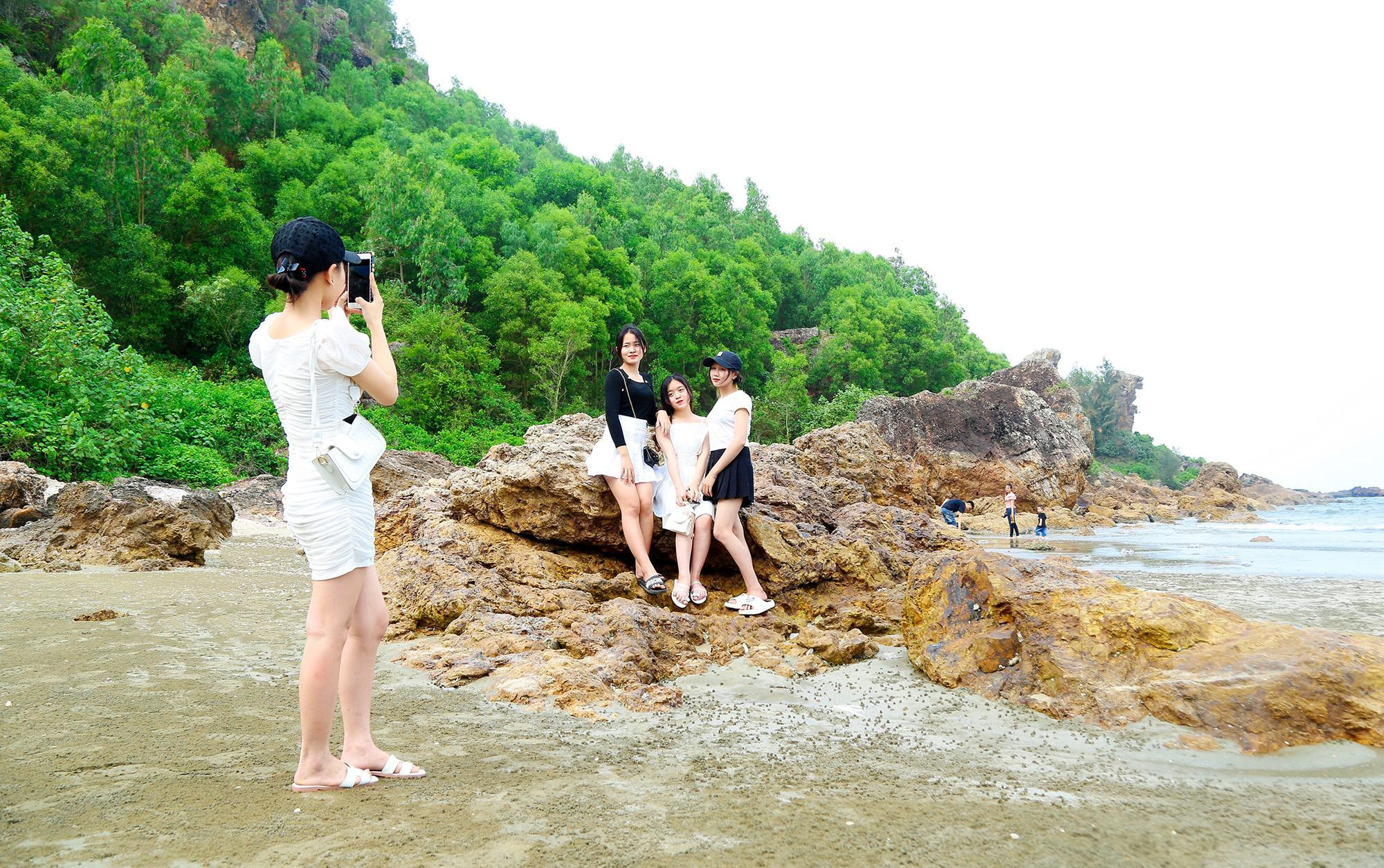 |
The beauty of Quynh Luong beach (Quynh Luu). Photo: Dinh Tuyen |
Bai Lu beach is attractive with its picturesque landscape and undulating rock formations, considered a "masterpiece" of nature, perfect for relaxation. Cua Hien beach, on the other hand, attracts visitors with its pristine and tranquil beauty, ideal for busy and stressed individuals seeking a time and space to unwind and relax.
These destinations have all been planned and had infrastructure built to exploit their potential and develop tourism. Transportation systems are becoming increasingly convenient, and food and accommodation services are developing, gradually meeting the growing demands of tourists. Recently, these beaches have attracted a significant number of visitors, contributing to increased income for local residents.
Linking to create a "sea trail"
Whenever discussions arise regarding the exploitation and development of coastal tourism in Nghe An, many people share the opinion that most localities are currently operating independently. This means that during the planning and construction of tourist destinations, districts, cities, and towns have not considered the need for linkages and cooperation with coastal tourist areas and destinations in other localities.
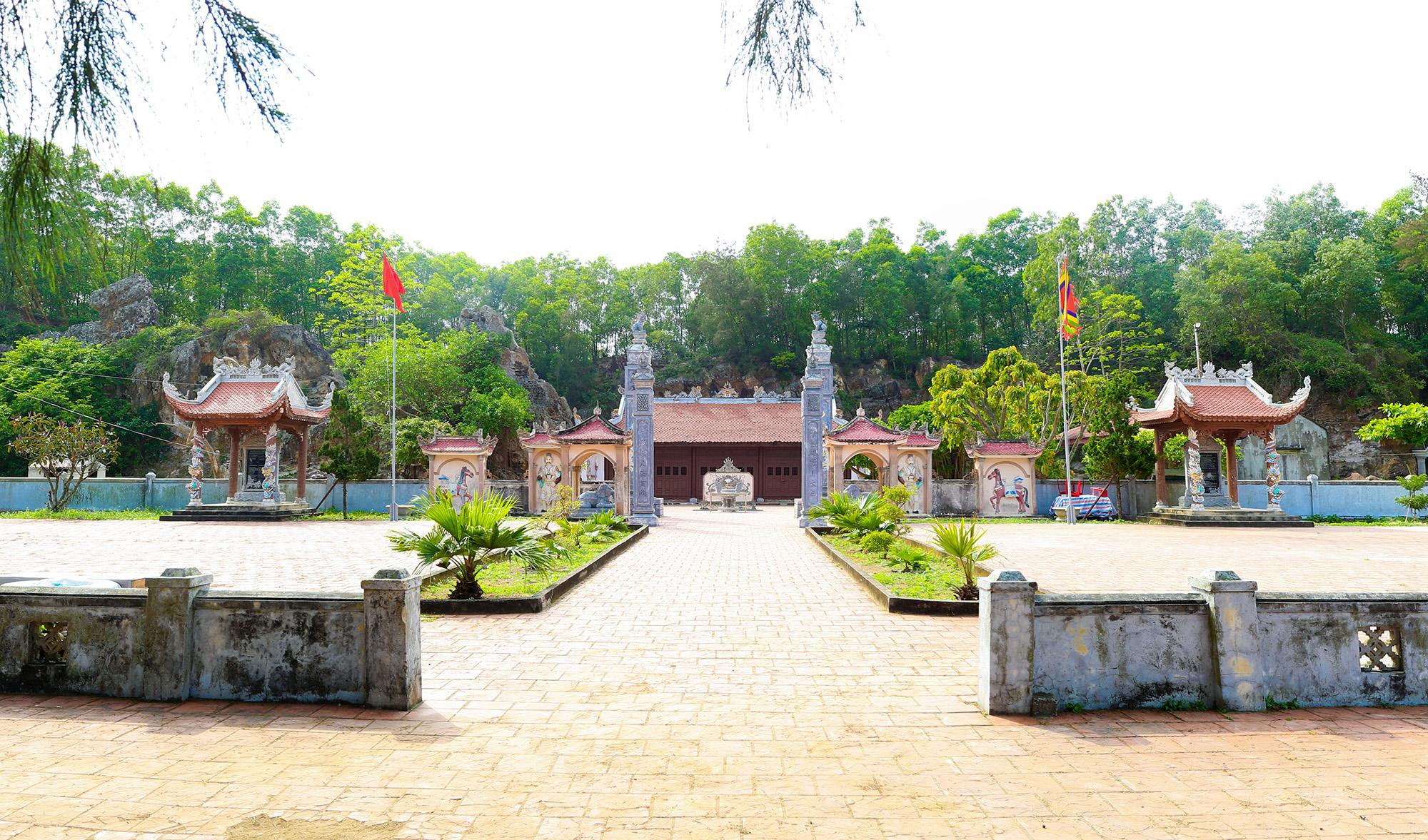 |
Quy Linh Temple, a temple located on the coast in Quynh Luong commune (Quynh Luu district). Photo: Dinh Tuyen |
This more or less affects the efficiency of tourism exploitation and attraction. Except for Cua Lo and Bai Lu, the remaining tourist destinations mainly attract tourists from within the province, or even the region, who come to swim and enjoy seafood. Their stay is short, and the number of overnight stays is limited, thus restricting spending. Meanwhile, to generate significant revenue, it's necessary to attract tourists from outside the province, as they tend to have longer stays and experiences.
According to Mr. Nguyen Viet Duc, director of a travel company in Hanoi, several tour groups from the capital have contacted him, inquiring about tours experiencing destinations along the coast of Nghe An province, from Hoang Mai to Cua Lo. He tried to contact local authorities but encountered difficulties in connecting destinations, so he had to go to Nghe An to survey and develop the tour.
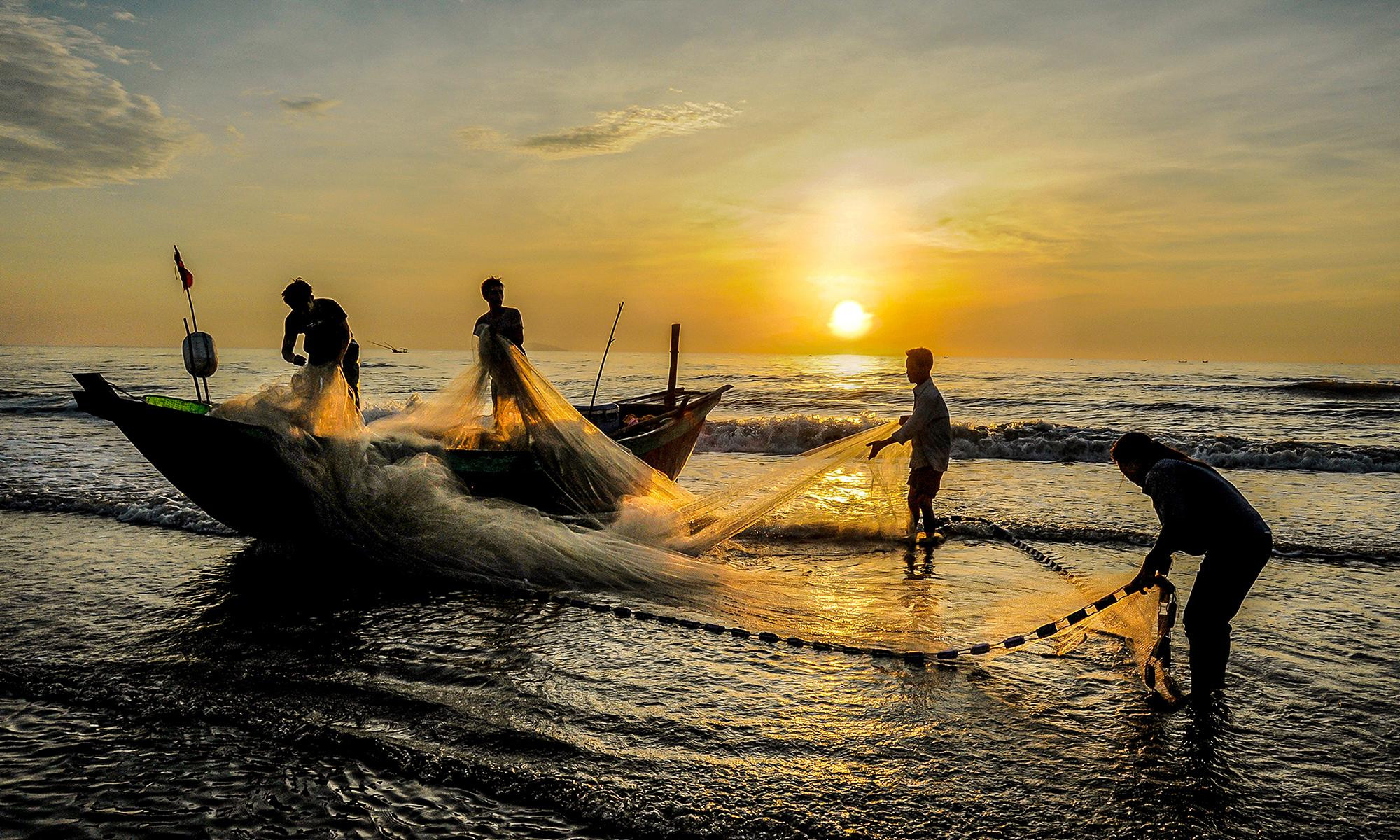 |
Experience the rhythm of life at Quynh Beach. Photo courtesy of Dau Hong Son. |
During the survey, Mr. Duc realized that the coastal tourist destinations here all have great potential for development, each with its own unique appeal. However, currently, each is acting independently, and there is a lack of coordination and cooperation between localities and destinations to improve the effectiveness of attracting tourists.
“In the tourism business, to achieve sustainable and long-term development, we must strengthen linkages. Linking coastal tourist destinations in Quynh Beach, Hoang Mai District with Bai Lu Beach, Cua Lo is truly necessary, creating a ‘coastal strip’ that encourages tourists to extend their experience and stay,” said Mr. Nguyen Viet Duc.
Surveying several travel companies in Hanoi and Ho Chi Minh City, we learned that tourists from these two major cities mainly book tours to Cua Lo, while other beaches have not yet attracted tourists from other provinces. Even when they do, the length of stay is very short; even in Cua Lo, tourists typically only stay for 2 days and 1 night.
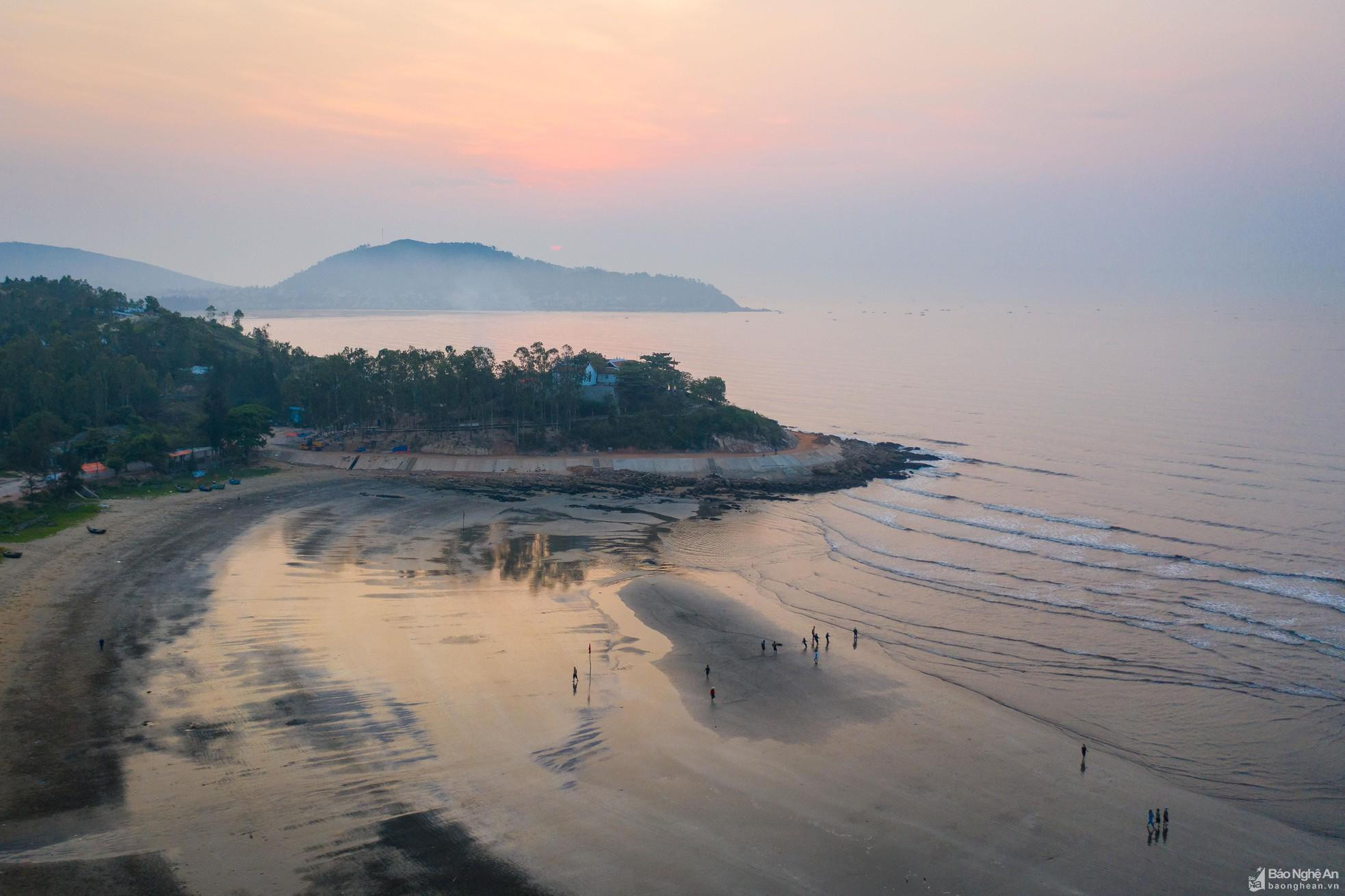 |
The beauty of Quynh Phuong beach (Hoang Mai town). Photo courtesy of Long Ho. |
The reason is that tourism products are not diverse enough and are somewhat similar. Therefore, localities need to create linkages between destinations to attract a large number of visitors from other provinces, while simultaneously leveraging the unique advantages of each location and increasing revenue. Importantly, each destination must create its own unique character and develop distinct products for tourists to explore and experience, avoiding monotony and boredom.
Besides swimming and relaxing at the beach, depending on available resources, tours can be organized to explore caves, experience life in traditional craft villages, and visit historical sites in coastal areas.
"In its role as the state management agency for tourism, the Department of Tourism has directed localities with coastal and resort tourism areas to strengthen connections, jointly develop tours and routes, expand coastal tourism spaces, and create new products to attract tourists. To achieve effectiveness, in addition to the efforts of localities, cooperation and sharing from travel businesses and organizations are needed to stimulate demand and promote tourism.”
Mr. Nguyen Manh Loi - Deputy Director of Nghe An Department of Tourism