

Bad habits that cause cars to break down faster.
Bad habits of users can gradually affect their vehicles without them even realizing it, and may even increase the risk of accidents.
1.Trying to drive when the gas tank is almost empty.
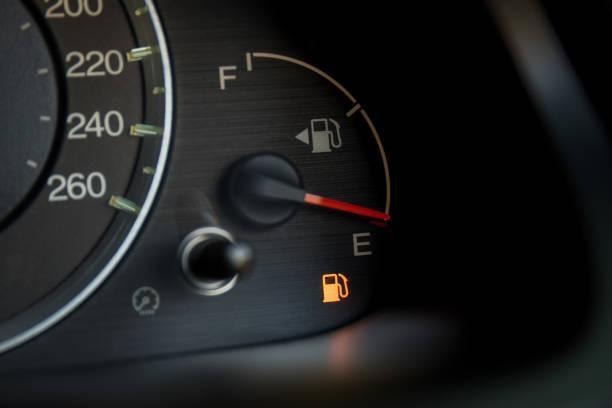 |
Regularly driving with a nearly empty fuel tank is also not good because the fuel at the bottom of a car's tank is often full of impurities such as sediment and debris. Prolonging this situation for several days can cause these impurities to clog the fuel filter and lines, leading to costly repairs.
To keep the fuel pump in good working order, drivers should always maintain a fuel level of at least one-quarter full in the tank.
2. Overloading
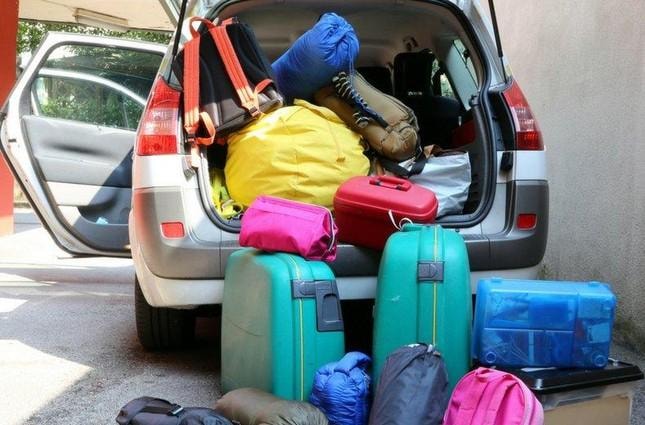 |
While many people assume this doesn't significantly affect the car, they don't realize that this habit actually increases the car's weight, negatively impacting fuel consumption, suspension, and braking systems.
Modern cars are designed to carry heavy loads, but that doesn't mean they can be overloaded. The owner's manual will usually tell the user the maximum load weight the vehicle can carry. The greater the weight, the more stress is placed on the braking system, suspension, and drivetrain.
It's also worth noting that while leaving unnecessary items—like golf clubs or exercise equipment—in the trunk won't put extra stress on the car's components, it will affect the car's fuel efficiency and potentially impact its emissions.
3. Driving at high speeds continuously.
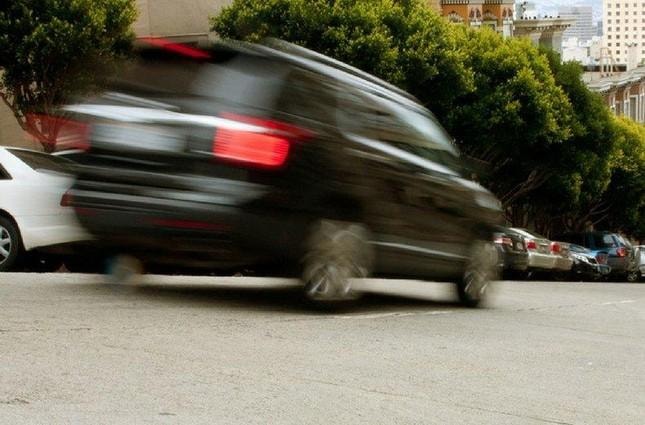 |
Of course, driving at high speeds continuously for extended periods will significantly increase fuel consumption, but that's not all.
This habit also puts strain on components of the powertrain, suspension system, and braking system, forcing them to work harder than usual.
4. Shift gears before stopping the car.
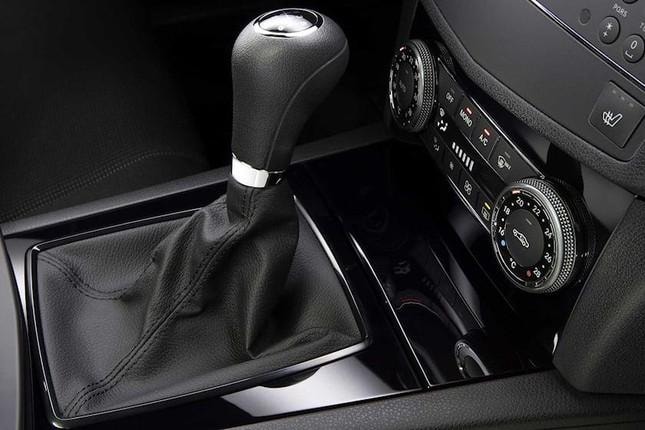 |
Shifting between reverse and drive (and vice versa) in a car equipped with an automatic transmission is not good for the drivetrain. Automatic transmissions are designed for shifting gears – while the brakes are for bringing the car to a stop.
Shifting gears before coming to a complete stop will cause wear and tear, not on the brake discs and pads, which are supposed to wear down.
The same applies to manual transmissions, so the driver should come to a complete stop before shifting into reverse (although most modern cars will not allow shifting without stopping).
5. Rest your arm on the gear shift.
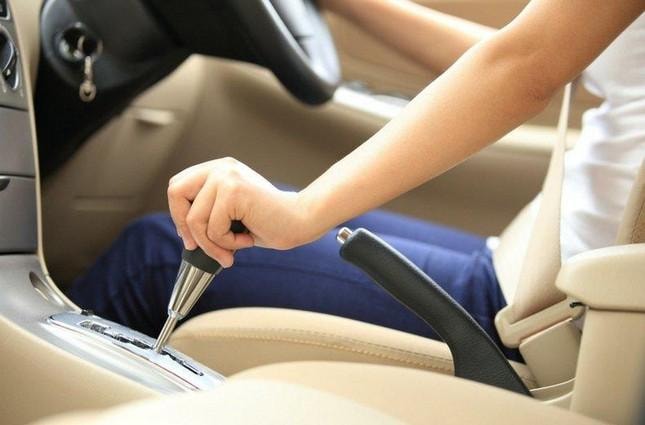 |
This is a completely bad habit because in unexpected situations, drivers won't have time to raise their hands to the steering wheel to steer. Furthermore, many people often panic while handling the situation, leading to accidental movements and shifting into the wrong gear. Drivers are generally advised to keep both hands on the steering wheel at all times for safety.
Furthermore, resting your hand on the gear shift lever can cause the gear shift lever to wear out quickly, damaging the gearbox. Some manuals even specifically warn against this habit, advising users to check carefully when using the vehicle.
6. Ignore warning symbols.
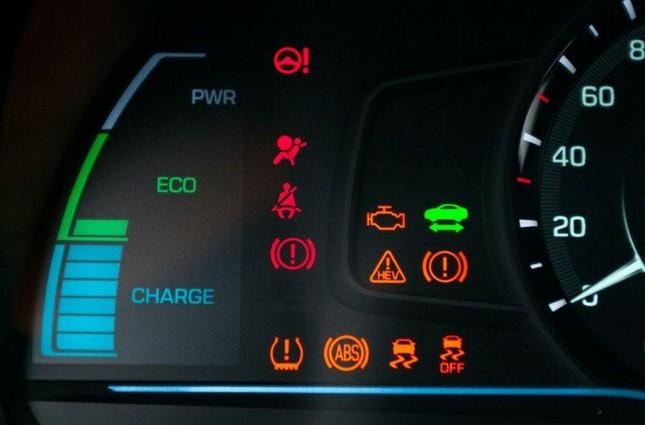 |
The warning lights on the dashboard don't just light up randomly; they only illuminate when the vehicle is experiencing a problem. Therefore, ignoring these warnings may not immediately endanger the vehicle, but over time, this continuous disregard could lead to significant repair costs for the owner.
Drivers should consult the owner's manual to understand the meaning of warning lights on the dashboard and familiarize themselves with the most serious warning lights, helping them know which ones require immediate attention and action while driving.
7. Applying the brakes continuously when descending a hill.
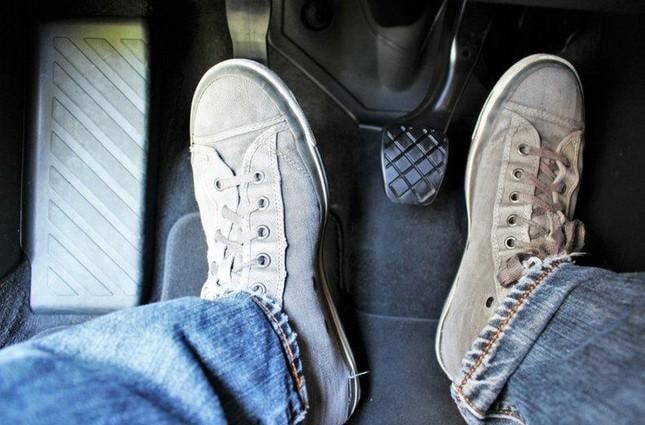 |
Constant braking is a bad habit that can increase wear on brake pads and discs. This will lead to them needing replacement more often, adding unnecessary costs to your driving expenses.
When going downhill, it's best for the driver to shift to a lower gear, lightly press the brake pedal a few times, then release it to allow the brakes to cool down. Remember to only brake when necessary, before repeating this process until you reach the bottom of the slope.
8. Driving over potholes and speed bumps.
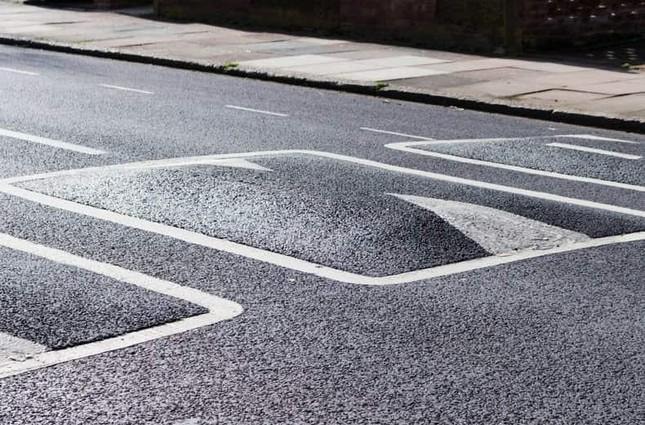 |
Reports have indicated that one-third of all vehicle damage is caused by potholes, so it's best to avoid these obstacles on the road. A collision can warp or even crack the wheels, as well as cause the wheels to lose their balance.
Similarly, driving over speed bumps without slowing down can damage the front and rear of the vehicle, the undercarriage, and possibly the exhaust system.
9. Don't wait for the machine to warm up.
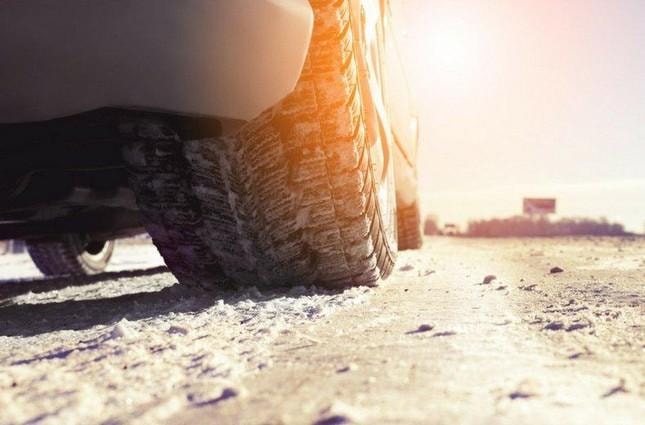 |
Drivers should allow their cars to warm up gradually each time they start the engine, especially if it hasn't been driven for a while or if the weather is cold. Fast starting is one of the most common bad driving habits that will damage the car because most people are usually in a hurry to get to where they're going.
Allowing your car's engine to warm up for a minute or two before driving will help the oil reach the correct temperature and distribute properly throughout the engine. A cold engine will not accelerate the process. Instead, it will negatively impact engine components.
10. Do not use the parking brake.
 |
For automatic cars, even when parking on a flat surface and in P mode, drivers should still use the parking brake. According to automotive experts, when parking, the entire weight of the car is concentrated on a very small, finger-sized part called the parking pawl. This part is very prone to wear and breakage, so engaging the parking brake helps to assist and extend the lifespan of the parking pawl.
Accordingly, drivers of automatic cars should follow these steps when parking: Press the brake pedal to bring the car to a complete stop, engage the parking brake, and then shift the gear lever from D to P. Only then should you turn off the engine.