

The EU discusses the real consequences of the oil embargo against Russia.
(Baonghean.vn) - EU countries are facing rising inflation and price shocks following the decision to gradually phase out oil imports from Russia, Guntram Wolf, Director of the Bruegel Research Center in Brussels, said in an interview with Spiegel magazine.
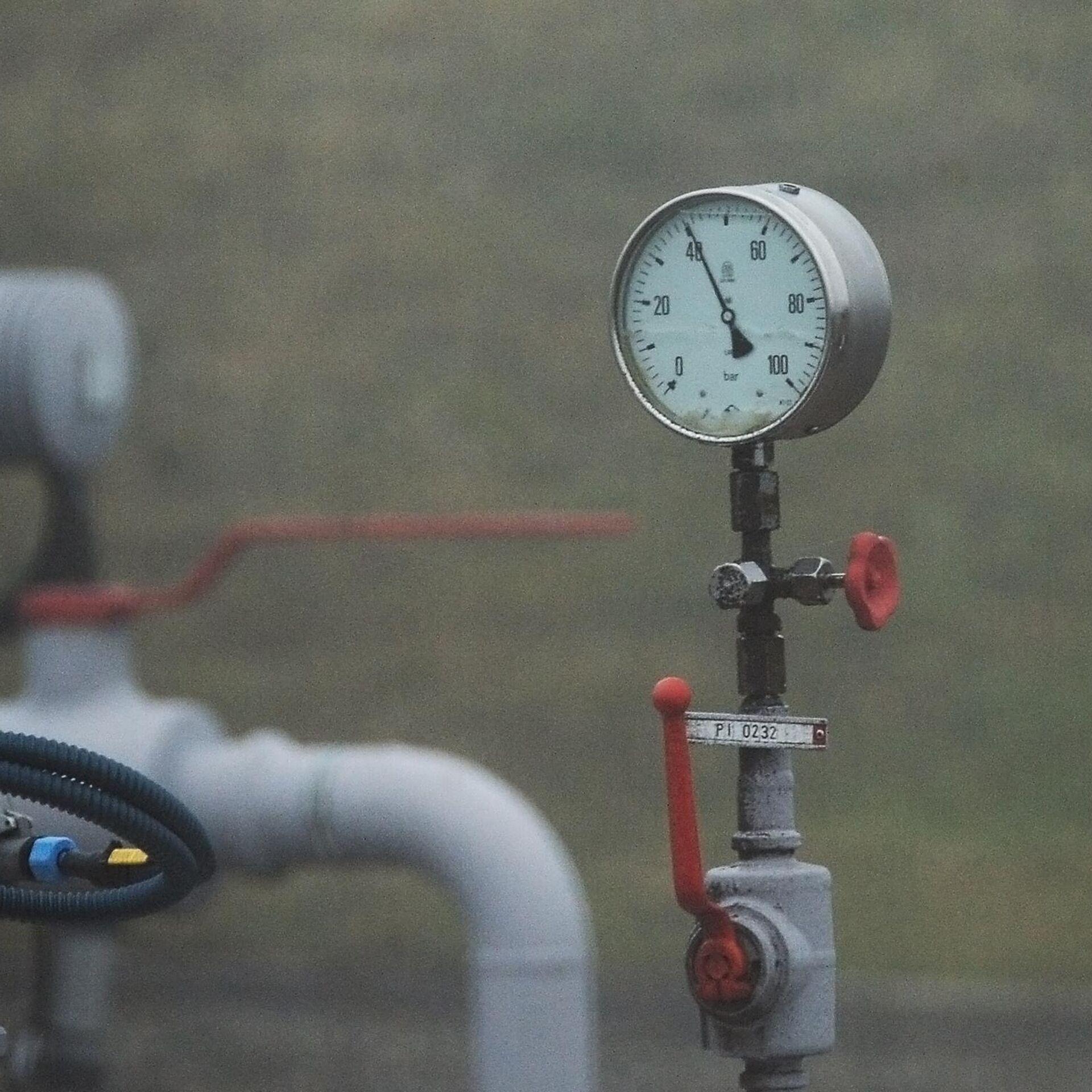 |
The Gazela pipeline transports Russian natural gas to the EU. Photo: AFP |
In his view, this could be the "worst-case scenario" for Europe, as European companies and consumers will soon begin to face high prices for resources, which are likely to rise even further.
“Governments can try to mitigate the price shock by lowering gas station prices, cutting taxes and subsidies, as they have done in recent months. This could increase public debt,” Volf said.
This economist believes that the sanctions will, in the long run, only reduce Russia's oil sales revenue. For his part, Steffen Bukold, head of the Energy Comment analysis center, predicts Moscow will find new buyers, mainly in Asia.
For European Commission President Ursula von der Leyen, it was a "significant step forward"; for German Economy Minister Robert Habeck, it was a "silent horror," the publication wrote.
On June 3rd, the European Council finally approved and published in its official journal the sixth package of sanctions against Russia due to its military operation in Ukraine. An exception was made for oil transported via pipeline: Europe will continue to receive supplies via the Druzhba pipeline. By the end of this year, the EU expects to abandon nearly 90% of its Russian oil imports.
Following Russia's launch of a special military operation aimed at demilitarizing and defascizing Ukraine, the West intensified sanctions against Moscow. Many countries announced freezes on Russian assets and called for abandoning Russian energy. All these decisions became problematic for the US and Europe, leading to sharp increases in fuel and food prices.