

10 'unexpectedly' popular car models
Many car models that were predicted to fail have inadvertently become commercial successes.
A car being labeled a "bad car" doesn't necessarily mean it will be a sales disaster; sometimes buyers are looking for a car that can get them from point A to point B, and nothing more – so they look for the cheapest vehicle that can adequately meet their needs.
The list below compiles car models that were poorly received for their appearance but still sold millions of units.
10. Ford Mustang II
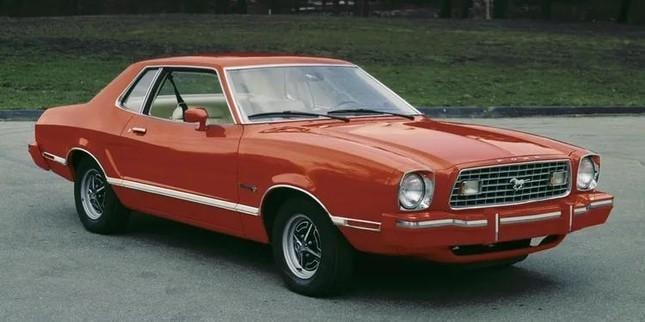 |
The first-generation Mustang was a resounding success, there's no denying that – some even consider it the first muscle car and the greatest car of all time… However, its successor is a completely different story. The Mustang II was produced from 1974 to 1978, and when it first launched, the V8 engine option was no longer available as on the first Mustang. The only engine options in '74 were a 2.3-liter four-cylinder engine producing 88 horsepower and a 2.8-liter V6 engine producing 105 horsepower.
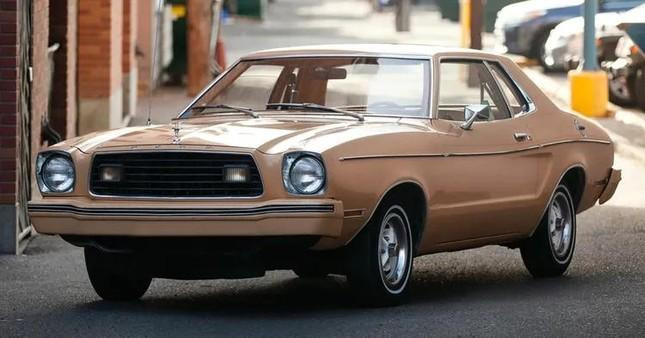 |
However, the biggest surprise was that over 1.1 million Mustang IIs were sold to the public. In its second year of production, Ford relented and added a V8 engine to the lineup. However, it was still just a model based on the Ford Pinto – a car that was poor in both performance and safety.
9. Ford Pinto
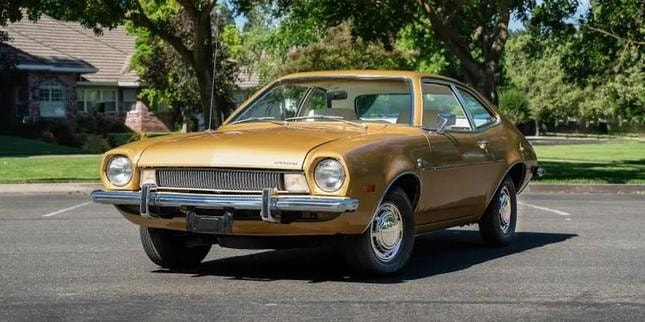 |
The Ford Pinto is considered one of the most hated vehicles on the planet. It's not only slow and a terrible driver, but also extremely dangerous. In rear-end collisions, the car is prone to catching fire because its fuel tank is improperly positioned; this has resulted in 25 reported fatalities, a significant number.
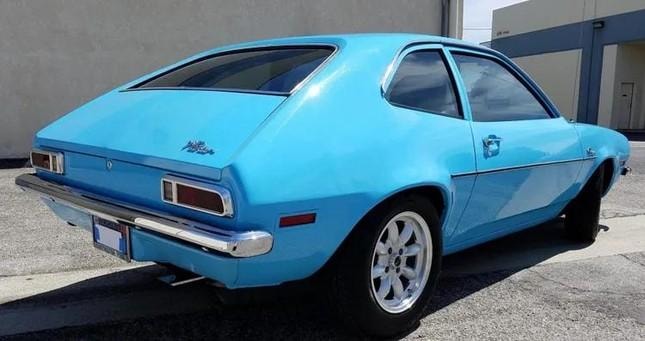 |
However, its sales figures were very impressive, with over 3 million units sold from 1971 to 1980.
8. Chrysler PT Cruiser
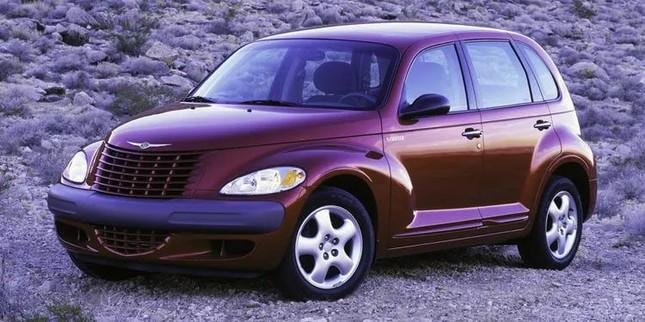 |
Chrysler created the PT Cruiser because they thought it was a good idea to create a retro-inspired family car with plenty of customization options. In theory, it seemed like a great idea, but only on paper.
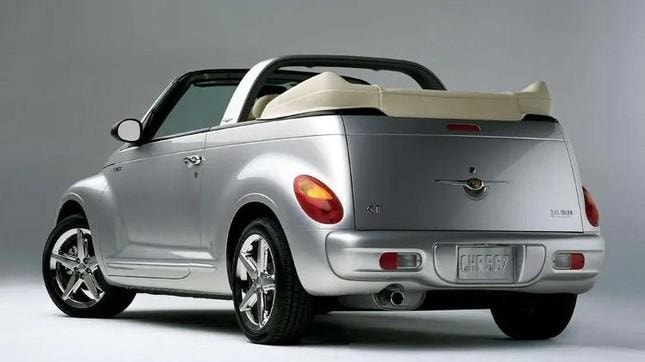 |
In fact, the PT Cruiser was deformed and had a very "weird" appearance. Chrysler realized this, but they couldn't afford to replace the model due to the financial crisis of the 2000s. As a result, this quirky hatchback sold very well, with over 1 million units delivered to customers worldwide.
7. Fiat 500L
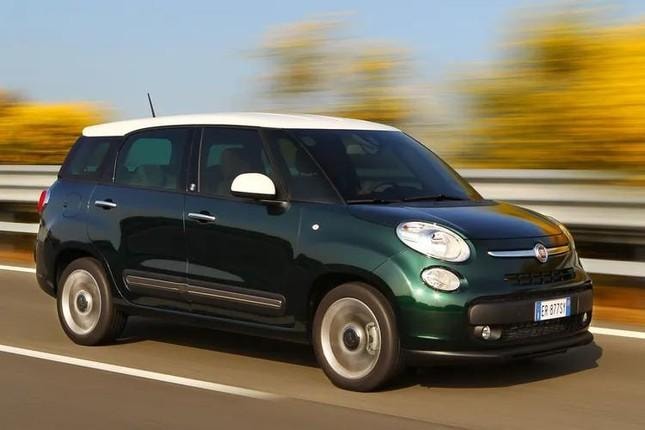 |
The Fiat 500L is the successor to the Chrysler PT Cruiser. Throughout the years 1998 and 2007, Chrysler was owned by Daimler-Benz, but after 2007, Chrysler was nearly bankrupt and no one wanted to become its parent company.
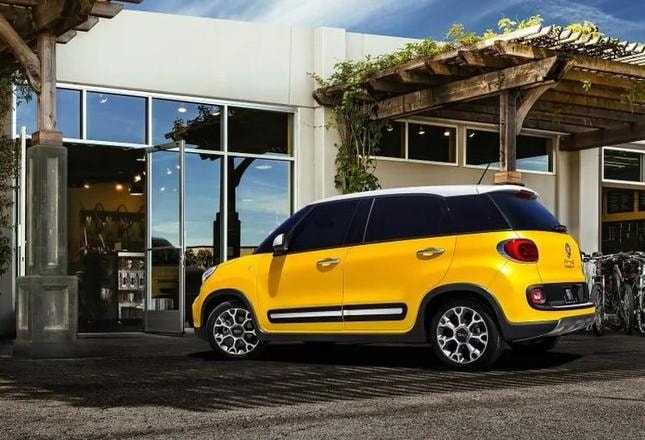 |
In 2014, this changed when Fiat acquired Chrysler and formed Fiat Chrysler Automobiles, or FCA for short. The company attracted buyers by marketing the Fiat 500 as a family-friendly vehicle, which many genuinely appreciated and believed they were buying an iconic Italian car. As a result, it sold very well, even though it was simply a modernized version of the Chrysler PT Cruiser.
6. Hummer H2
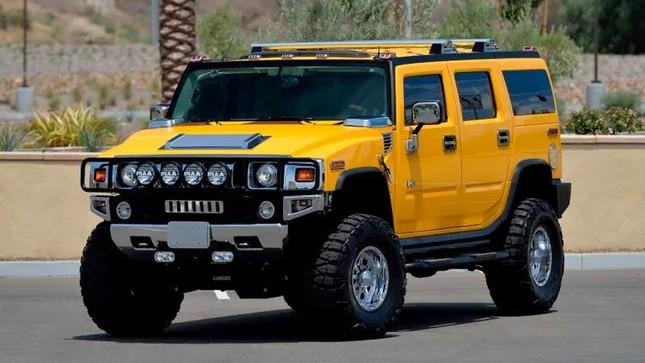 |
Hummers, especially the Humvee, are world-renowned icons for being some of the most powerful and all-terrain vehicles ever built. For that reason, Hummer knew the upcoming H2 would be a huge success, regardless of its performance and capabilities.
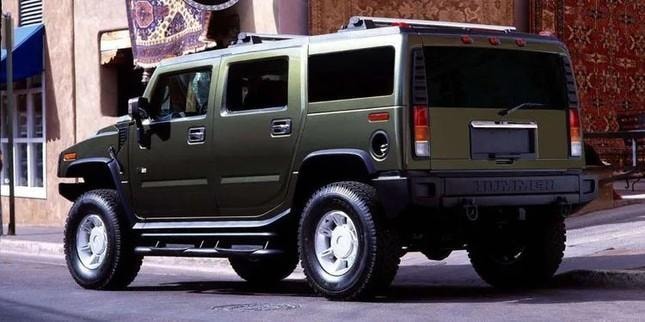 |
The H2 boasts a gleaming chrome finish and impressive height. However, it also has low ground clearance and is a gas guzzler. Hummer argues that the success of the H1 is more than enough reason for people to buy the H2, and this has proven effective, with the brand selling over 150,000 units in the United States alone.
5. Toyota Prius
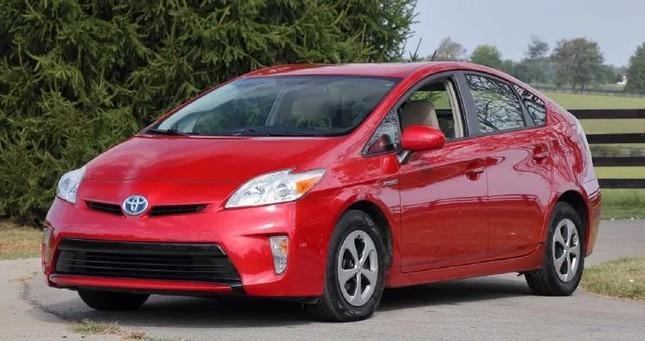 |
Toyota has been producing the Prius since 1997 (in Japan), and since it first reached American buyers in 2001, more than 15 million of these hybrids have been sold worldwide.
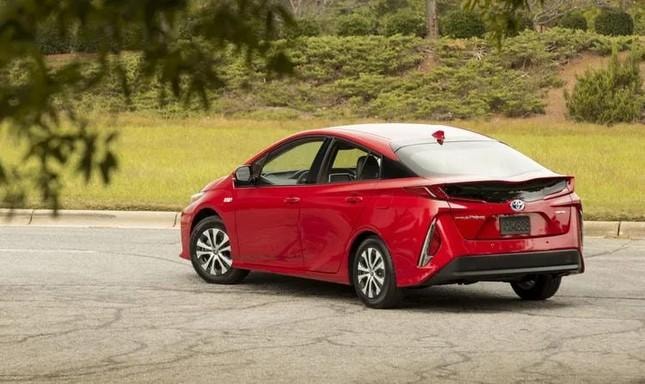 |
In theory, it sounds like a reasonable choice; it's fuel-efficient, offers good value for money in terms of features, and drivers can rest assured about its environmental impact. However, we cannot ignore the fact that the Prius has a rather bland and unattractive exterior.
4. Volkswagen New Beetle
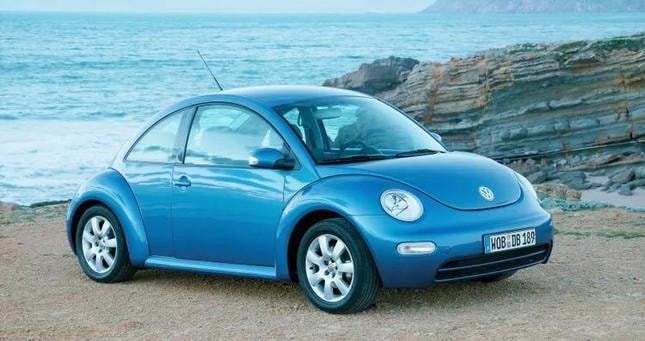 |
Like the Fiat 500L and Hummer H2, the New Beetle's success in 2001 was largely due to the legendary status of its predecessor and its nostalgic appeal. People had the opportunity to experience the discontinued first-generation Beetle.
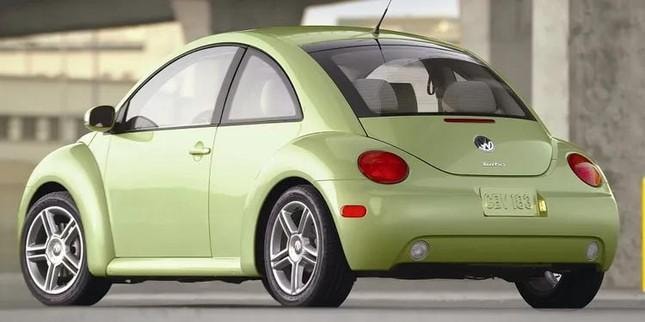 |
Overall, Beetles don't have many problems when it comes to their reliability, but they're definitely overhyped in terms of their driving experience. The New Beetle is actually quite mediocre to drive, it's not fast or particularly efficient, but it still sells well thanks to its pioneering status.
3. Nissan Juke
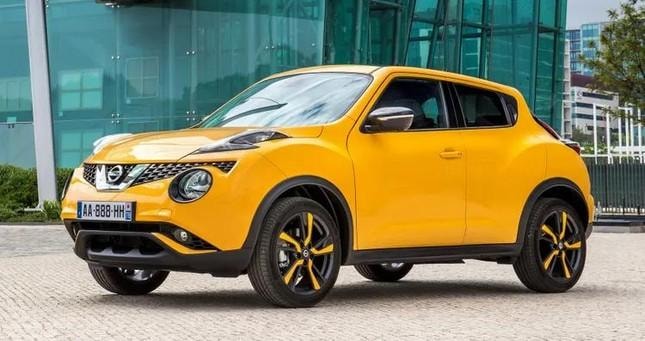 |
Currently, the latest version of the Nissan Juke has undergone many changes and is more aesthetically pleasing; however, this is not true of its predecessor. This model has sold over 1 million units globally. The first Nissan Juke existed in 2011, and if you look closely, you can see that it actually resembles an angry, squinting Japanese man.
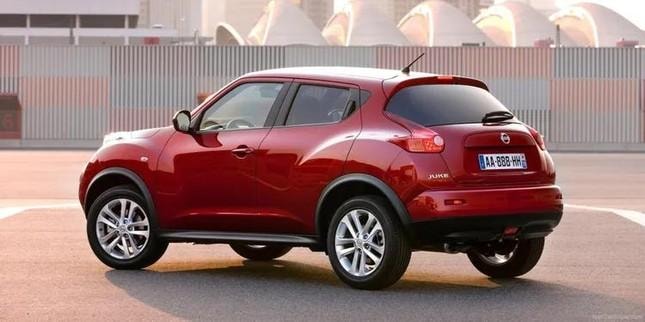 |
The most powerful engine the Juke is equipped with is a turbocharged inline four-cylinder producing nearly 200 horsepower, and combined with all-wheel drive, the Juke is capable of reaching 96 km/h in under 8 seconds, which is very fast compared to the standard version's 12 seconds.
2. Smart ForTwo
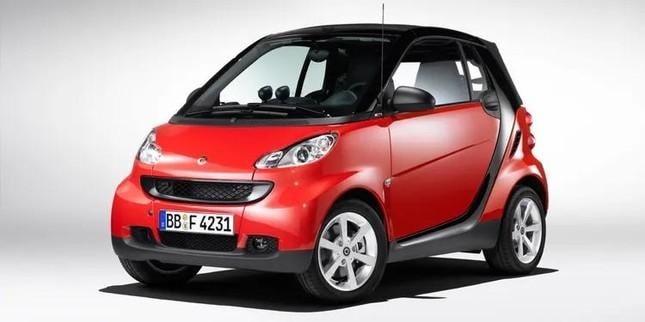 |
There isn't much to say about the Smart ForTwo; it certainly excels at its assigned task: being the smallest, best-selling car possible. Therefore, the ForTwo's engine is located at the rear, to maximize space for two passengers (though it's not overly spacious). All the car's power is sent to the rear wheels because if it were front-wheel drive, there wouldn't be enough cabin space.
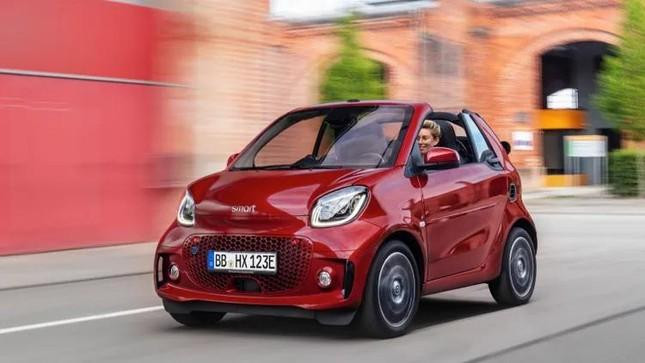 |
The first-generation Smart was equipped with a 599cc turbocharged 3-cylinder engine producing between 45 and 61 hp, allowing the ForTwo to gradually accelerate to 96 km/h in 15 seconds. Two other generations of Smart cars have followed, but both were cramped, impractical, dangerous, and sluggish like the first generation. However, that hasn't deterred buyers, with around 2 million units sold to date.
1. Yugo
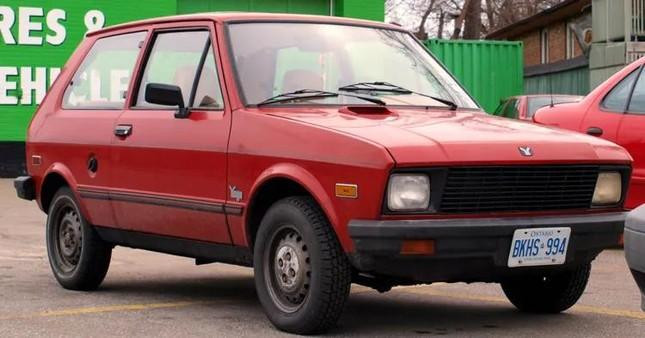 |
The reason for the Yugo's success stemmed from its price and service. Introduced in the mid-1980s, the Yugo cost just $4,500, bundled with a 10-year or 100,000-mile warranty and free maintenance. It may have been a slow and rather ugly car, but at under $5,000, it was a truly attractive purchase. So, during its eight-year lifespan, nearly 140,000 Yugos were sold in the United States alone, with the highest daily sales rate recorded at 1,050 units.
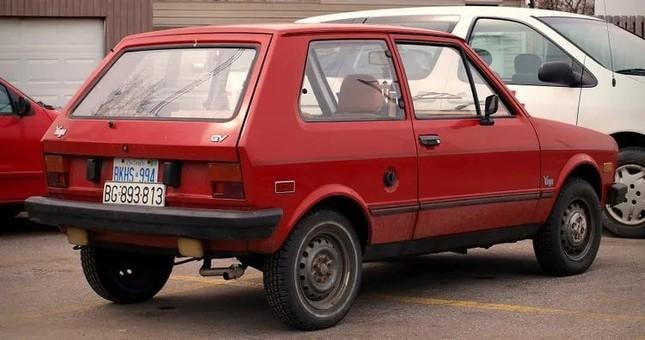 |
However, given its exorbitant price, it's no surprise that customers received their vehicles with dents, dirty seats, a terrible stench, and some even experienced engine problems right from the start. Fortunately, after realizing the model's shortcomings, the public stopped buying them at a rapid pace. Unfortunately, however, many people were involved in accidents and even lost their lives due to the Yugo's lack of basic car safety features.