

It is difficult to manage and supervise tutoring and extra classes.
(Baonghean.vn) - Extra tutoring and supplementary classes have been a reality in Nghe An for many years. The underlying cause of the problem remains the pressure of studying and exams as competition for admission to specialized schools, selective classes, public schools, and universities becomes increasingly difficult.
I'm worried if my child doesn't attend extra classes.
This school year, Ms. Nguyen Thi Duyen's family (Vinh City) has two children taking their final exams, one entering 6th grade and the other 10th grade. Both achieved high scores in the recent entrance exams; their youngest son achieved excellent grades (in 5th grade), and their eldest daughter scored over 26 points on the entrance exam for Huynh Thuc Khang High School. With consistently high academic performance over many years, both children have a strong chance of getting into a specialized school, but the family believes in sending them to a regular school. Therefore, during their high school years, the children did not attend extra classes and mainly studied on their own or with their parents' help.
Ms. Duyen also shared: "If our child takes the entrance exam for a specialized school, they will definitely have to take many extra classes, perhaps even with multiple teachers for one subject. But because we decided not to put too much pressure on them to attend a specialized school or selective class, we let them be free to develop according to their abilities."
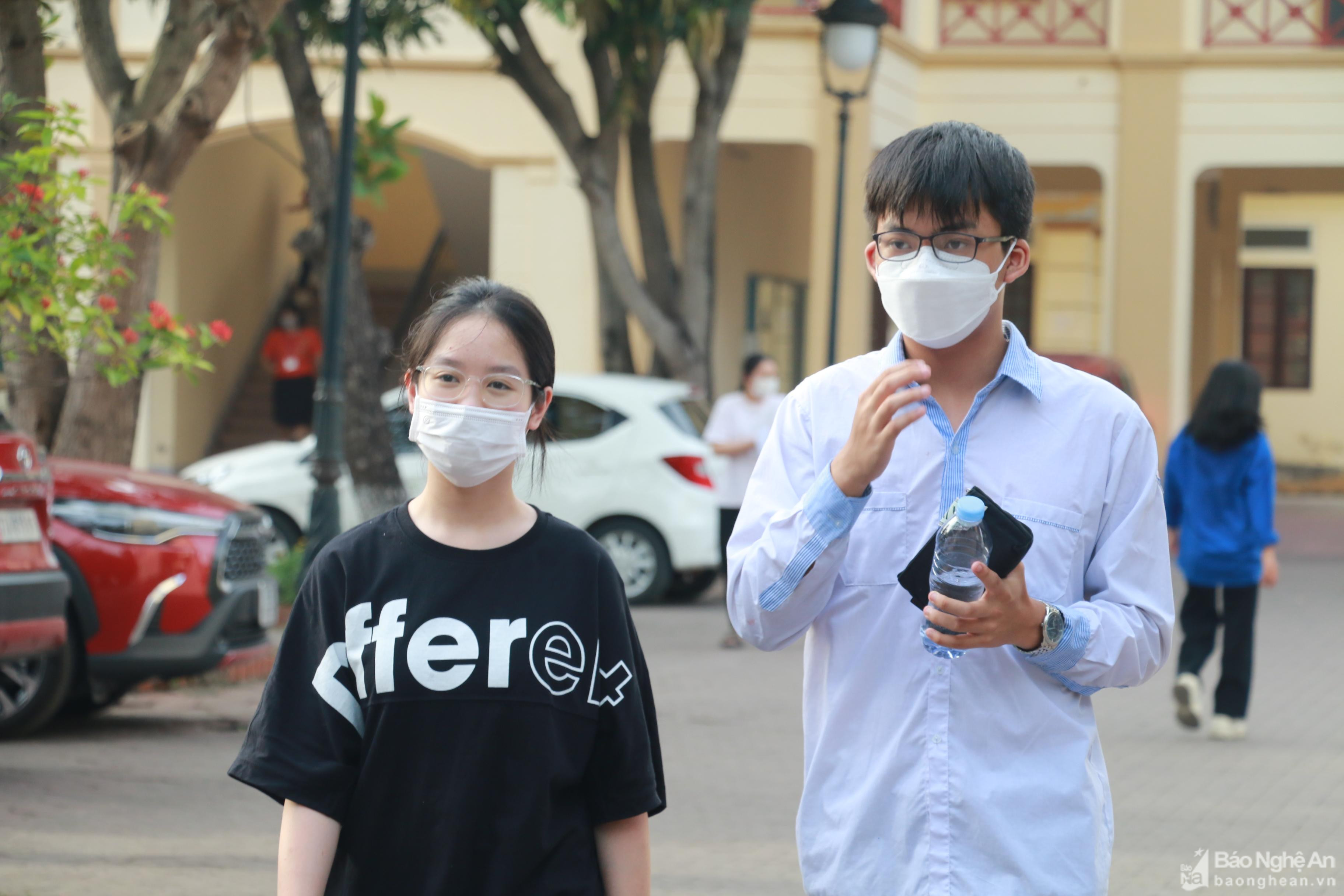 |
Candidates participating in the entrance exam to Phan Boi Chau Specialized High School. Photo: My Ha |
The case of Ms. Duyen's family is almost unique. In fact, although there are no statistics, the vast majority of students participate in extra tutoring. A parent whose child recently topped the entrance exam for a specialized class at Phan Boi Chau High School shared that, in addition to the child's abilities, the family had to invest quite a lot in extra tutoring to get into the specialized school.
According to this parent's calculations, the child has had four teachers for the specialized subject alone (including a teacher from the school, a high school teacher, a middle school teacher hired by the family, and additional tutoring with a foreign teacher at a language center). With a "3-on-1" or one-on-one tutoring format, the amount of money the family spends on extra classes is difficult to calculate. In addition, the child also has to take extra classes for the remaining two subjects of the 10th grade entrance exam, Math and Literature, with one to two sessions per week for each subject, not including afternoon classes at school.
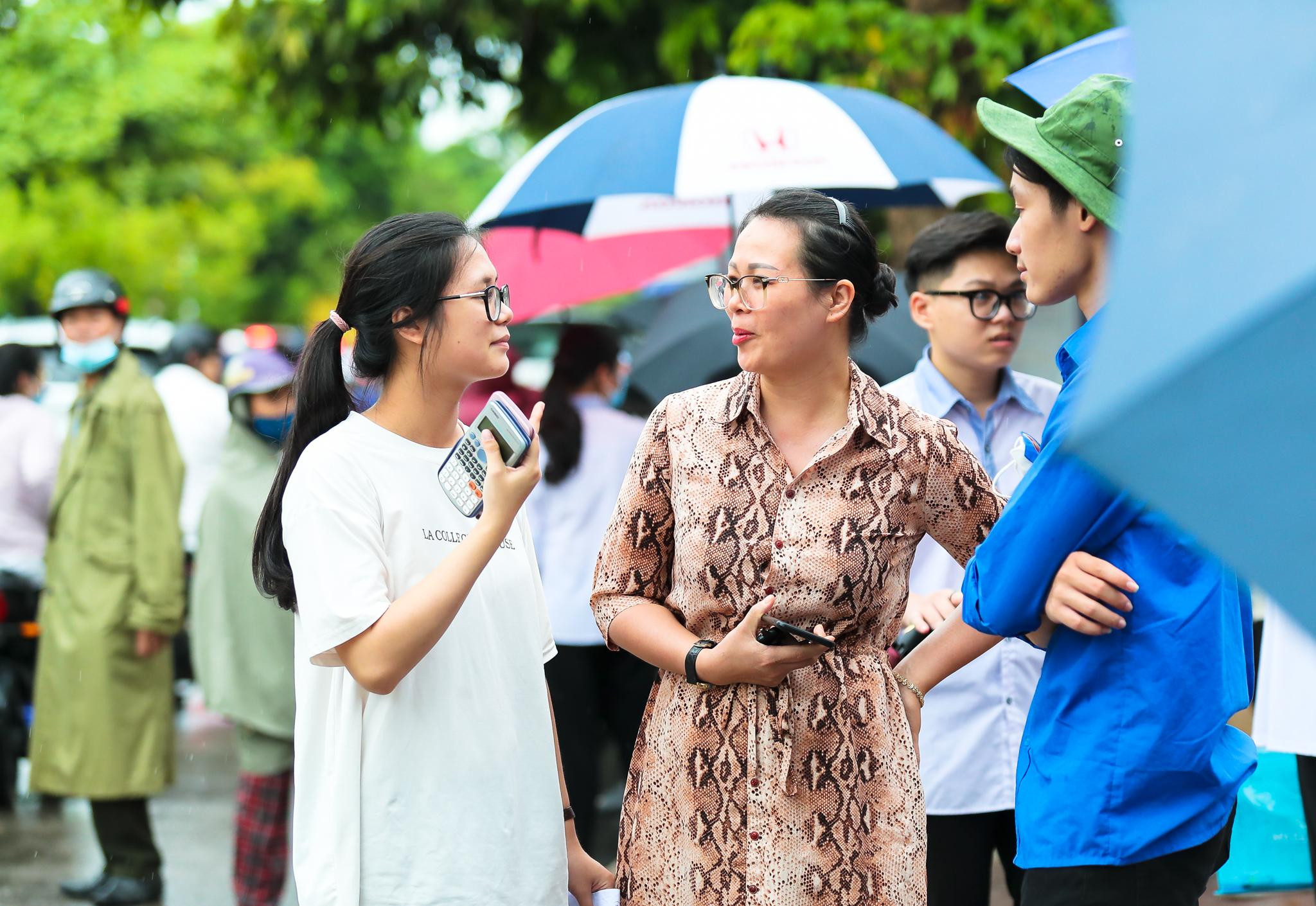 |
Final exams always put pressure on parents and students. Photo: Duc Anh |
Extra tutoring for children has become a "standard" and a matter of course, especially for families preparing for their children's entrance exams. Ms. Nguyen Thi Van's son (Vinh Tan ward) is taking the 10th grade entrance exam this year. To prepare for this exam, since he started 6th grade, she has been looking for classes and tutors for him to ensure he's well-prepared for the subjects. During 9th grade, he had at least 1-3 teachers for each subject, leaving him with very little time for extra tutoring at home. In the final years of middle school, if students are taking additional foreign certification exams, it's not uncommon for their tutoring schedule to exceed their regular school schedule.
Ms. Van added: "When enrolling children in extra classes with such a packed schedule, every parent feels anxious. But if they don't attend, we can't rest easy because the exam always has difficult questions, and if they don't take extra classes, they won't be able to do them. Not to mention, the time spent in regular classes is limited, leaving no time for revision."
Private tutoring and extra classes are flourishing.
Based on the realities faced by a large number of parents and students, extra tutoring and supplementary classes are organized in various forms across many areas of Nghe An province.
The most common form of tutoring involves teachers providing extra classes at home or at centers outside of regular school hours. A second form involves teachers who are not affiliated with state agencies but possess qualifications and experience, opening their own tutoring classes at home. Another form is tutoring offered at centers. These centers can accommodate hundreds of students across various grade levels and levels. This model is prevalent in Vinh City and some centers in other districts and towns.
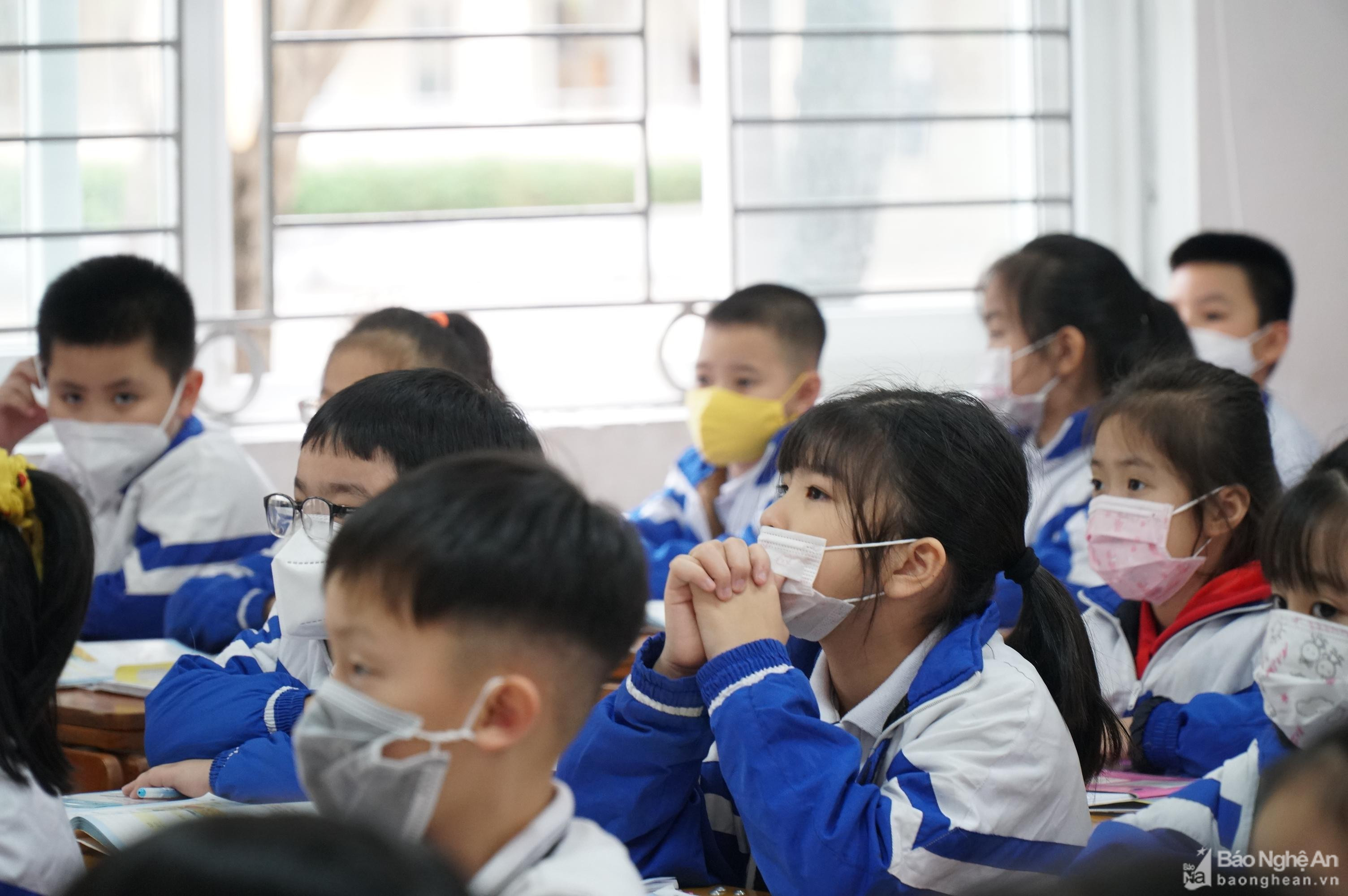 |
Students in Vinh City attending class. Photo: My Ha |
In reality, tutoring and supplementary education are currently largely unregulated and unmanaged. Even large-scale centers only need to register as a business, without any specific requirements. Therefore, the quality and effectiveness of this tutoring need careful consideration.
Ms. Le Thi Hanh, whose child is studying at a well-known math center in Vinh City, said: "Through recommendations from some colleagues, I learned about a math center run by a teacher in Vinh. When my child enrolled, the center assessed their level and placed them in a class corresponding to their ability."
However, during the three years of schooling at the center, only the first year saw any interaction between the center and parents. For the past two years, we haven't known what the center teaches or what its quality is like. If we want to contact them, we only get to interact with a center administrator and have absolutely no idea who our child's teacher is. Frankly, because I've already paid for the whole year's tuition, I have to let my child continue studying there, even though I've actually wanted to take my child out for a long time.
Another parent whose child used to study at this center also said: "My child was taught by the center's owner, but when I got home, my child complained that he often used disrespectful language and yelled at me when he got angry. I gave feedback, but the center didn't listen. I was so frustrated that I asked to take my child out, but the center immediately removed me from the private group without any explanation. Truly, that's a very counterproductive and uneducational act."
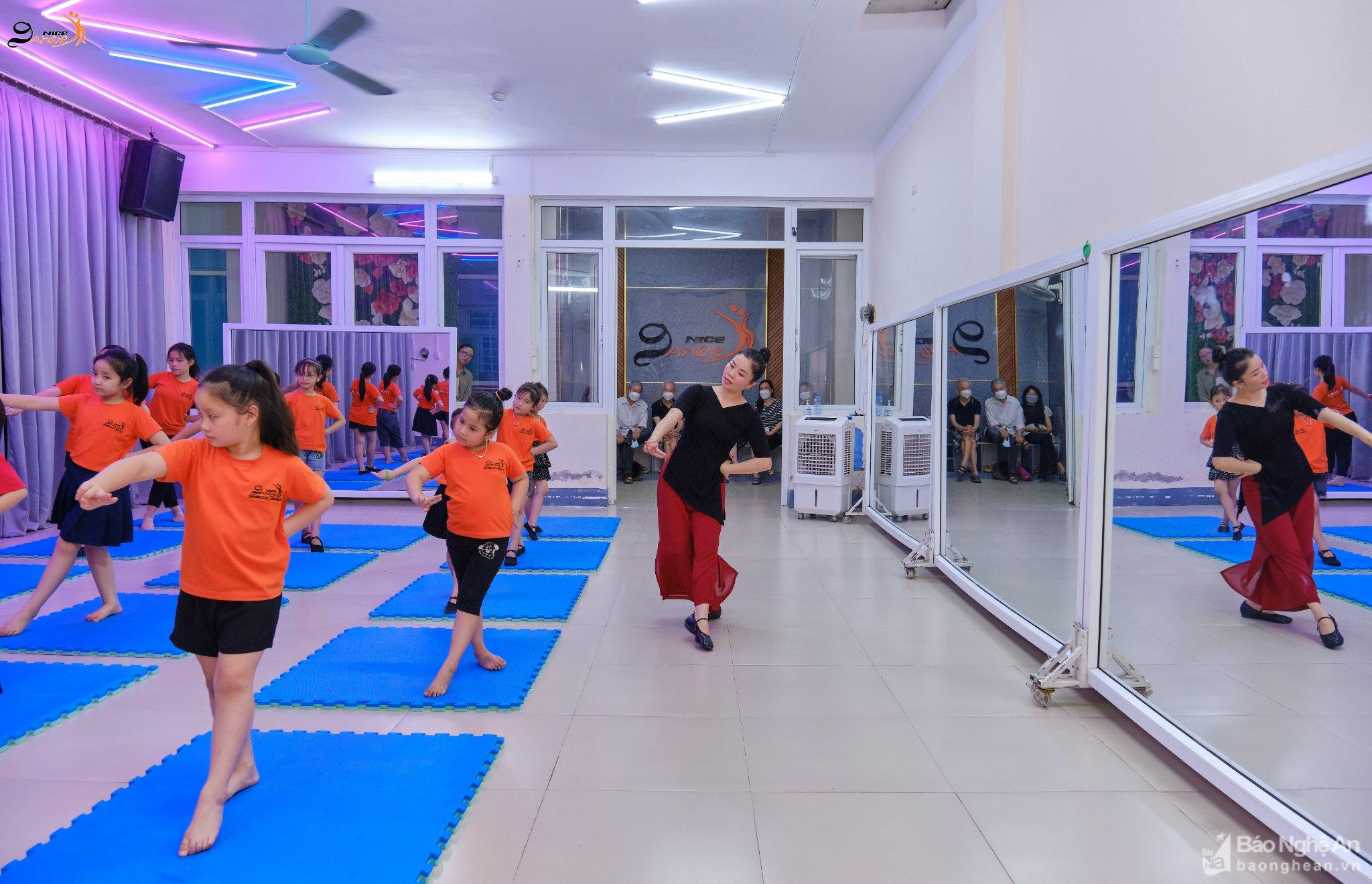 |
| The ban on extra tutoring and supplementary classes during the summer aims to direct students towards extracurricular activities. (Photo: PV) |
Due to the high demand for extra tutoring and the lack of proper management, many parents are confused when choosing a reputable place to enroll their children. In reality, besides a few well-known, experienced, and responsible teachers who are frequently chosen by parents, there are still many places that parents seek out through word-of-mouth recommendations. As a result, the quality of tutoring is not guaranteed. Many parents, after a period of time, find that their children's tutoring is ineffective, regretting both the money and effort spent, but can only sigh in disappointment.
It requires systematic and coordinated management.
Since 2012, the Ministry of Education and Training has issued Circular No. 17/TT-BGDĐT regulating supplementary teaching and learning inside and outside schools. In 2016, after the 2016 amended Law on Investment removed supplementary teaching and learning from the List of Conditional Investment and Business Sectors, the Ministry of Education and Training issued Decision 2499/QĐ-BGDĐT declaring Articles 6, 8, 9, 10, 11, 12, 13, and 14 of Circular No. 17/2012/TT-BGDĐT on supplementary teaching and learning invalid.
Currently, there are many different interpretations of tutoring and supplementary classes. However, according to regulations, organizing tutoring and supplementary classes is strictly prohibited in four cases: tutoring for students who already receive two sessions of instruction per day from school; tutoring for primary school students, except for training in arts, physical education, sports, and life skills; teachers receiving salaries from public institutions are not allowed to organize tutoring or supplementary classes outside of school, but may participate in tutoring outside of school; and tutoring outside of school for students taught in regular classes without the permission of the head of the institution managing that teacher.
Furthermore, Directive 17 also stipulates that higher education institutions, colleges, vocational schools, and training centers are prohibited from organizing supplementary classes or tutoring on topics covered in the general education curriculum. Within schools, supplementary classes must also be conducted in accordance with relevant guidelines.
An enhanced English lesson for students at Hoa Sen Kindergarten. Photo: Duc Anh
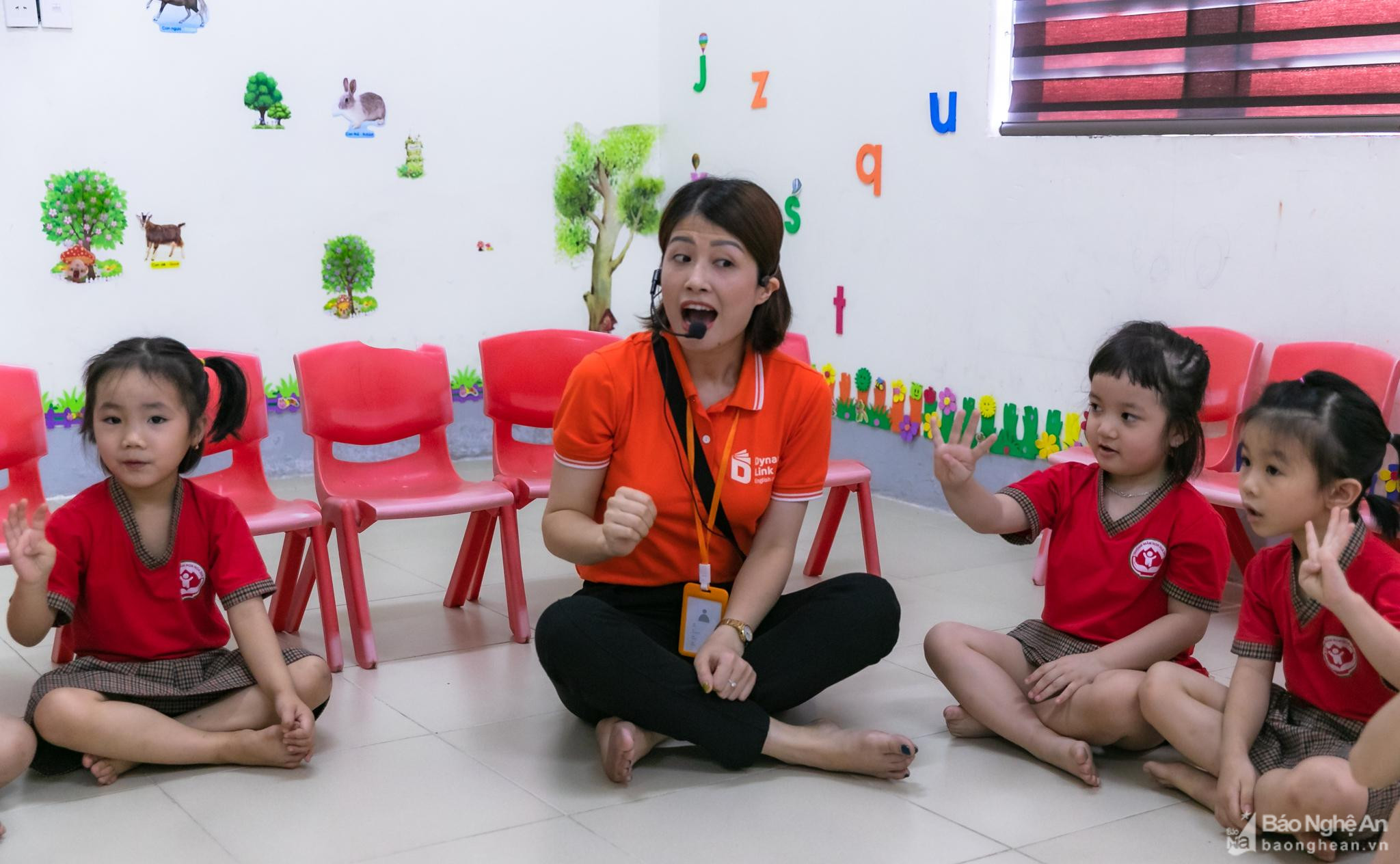
In Nghe An province, extracurricular tutoring has long been conducted within schools. In addition, teachers also organize tutoring at home, primarily through independent classes organized by teachers to meet the needs of parents and students. From a regulatory standpoint, the organization of extracurricular tutoring (including in centers) is difficult to control due to a lack of prescribed sanctions. Furthermore, inspections have not been carried out regularly and have mainly focused on tutoring within schools.
The current problem stems from the lack of clear regulations governing tutoring, leading to various distortions and negative consequences. Furthermore, parents desire stronger management to ensure that tutoring is conducted genuinely and effectively, with guaranteed quality. They also want prompt detection and correction of situations where some teachers exploit tutoring to pressure or harass parents, causing undesirable negative outcomes.
Regarding the organization of extra classes and tutoring, the Nghe An Department of Education and Training, and subsequently the Provincial People's Committee, recently issued a document strictly prohibiting the organization of extra classes and tutoring during the summer. The purpose is to provide students with time to rest, play, participate in activities that contribute to their holistic development, and ensure improved health during the hot weather. This is a correct policy, but there are still many opposing opinions from parents who worry that without extra classes, students will become addicted to phones and computers.
With so many issues arising, the issue of tutoring and supplementary classes remains controversial in the long run. To harmonize the interests of both learners and teachers, the State needs to issue a replacement document or guidelines soon to make it easier for both state management agencies and for teachers, parents, and students.