

4 things to remember when passing through ETC automatic toll lanes.
To ensure safety and convenience when driving through ETC toll stations, in addition to checking your card account, adherence to rules and good driving skills are also essential.
To ensure safety and convenience when driving through ETC toll stations, in addition to checking your card account, adherence to rules and good driving skills are also essential.
From August 1st, 2022, all expressways nationwide will cease manual toll collection and switch to a fully automated electronic toll collection (ETC) system. Therefore, vehicles wishing to travel on these expressways will be required to install an ETC tag, or electronic toll collection sticker.
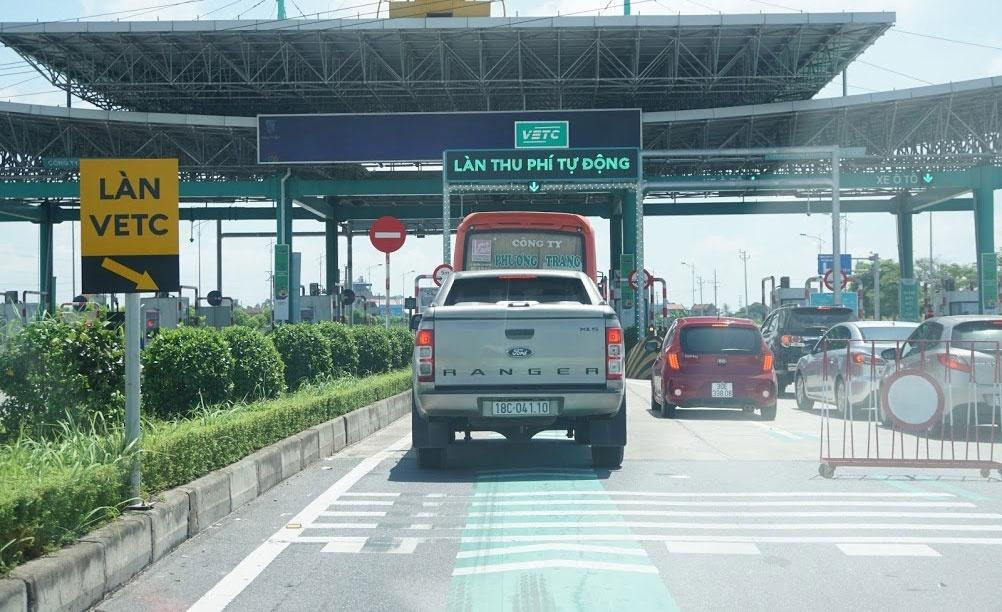 |
| All expressways nationwide will switch to using the Electronic Toll Collection (ETC) system simultaneously from the beginning of August 2022. |
In addition, with this new toll collection method, to ensure easier and safer driving through the toll stations, drivers should also note the following issues:
Make sure you always have enough money in your ETC account.
Currently, there are two providers of non-stop toll collection services in Vietnam: VETC (Etag card) and Vietnam Digital Transport Corporation (VDTC) provided by Viettel (ePass card). Customers can choose to use one of these two types of cards.
However, with both types of cards, users must deposit money into their own accounts before they can use them; direct payments through bank accounts are not yet possible. Therefore, to ensure compliance with the law and convenience while traveling, drivers should carefully check their accounts and meticulously plan their journeys to ensure they always have sufficient funds in their ETC accounts.
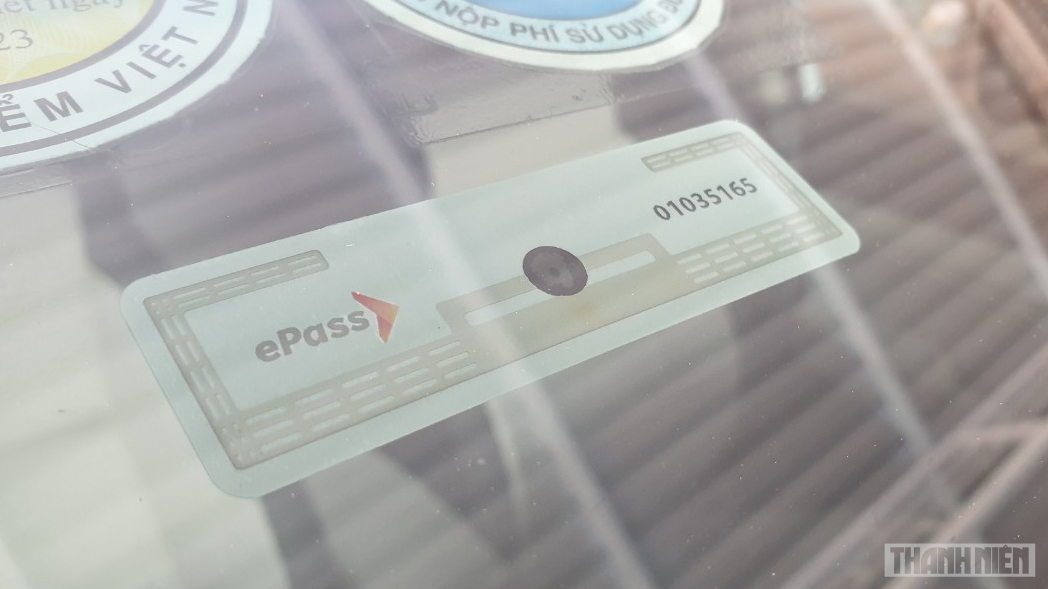 |
| It is necessary to check the account balance on your ETC card to ensure a smooth and safe passage through the automated toll lanes. |
It should also be noted that, in cases where a car has an automatic toll tag but the balance in the Etag or ePass account is insufficient to offset the cost at the ETC toll station, and the driver still intentionally enters the station, the driver will be fined from 1 to 2 million VND and will also have their driver's license suspended for 1 to 3 months.
What should be done if the toll collection system malfunctions?
There have been numerous cases where, even though users have successfully registered for the electronic toll collection system and have sufficient funds in their ETC account, due to system malfunctions or service provider issues, toll collectors have had to collect fees manually, requiring drivers to use cash.
In this case, drivers should note that they should not make cash payments at toll stations where ETC has been implemented. The reason is that service providers will deduct the money offline, meaning the money will be deducted from the Etag or ePass account after the system has returned to normal operation.
.
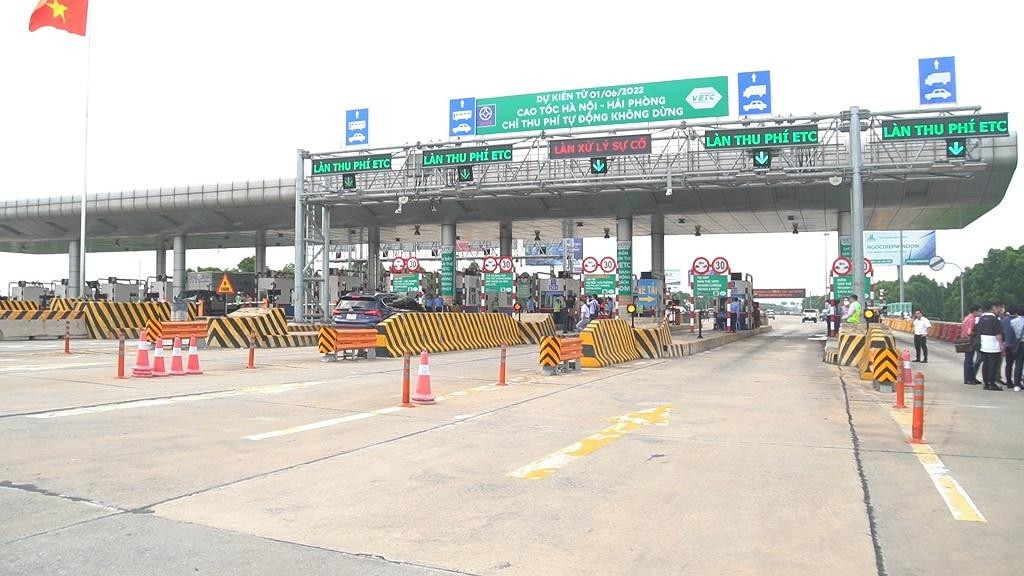 |
| Remain calm in cases where your ETC card fails to process a payment. |
Furthermore, if you encounter a situation where your ETC account shows a deduction but the barrier doesn't open, and the toll booth staff demand cash payment, it's best not to rush to hand over the money. Instead, provide the message or notification of the deduction and ask the operator at the toll booth to check, then open the barrier for your vehicle to pass, avoiding impatience and unnecessary fines.
Drive slowly, at a speed not exceeding 30 km/h.
According to VETC's recommendations, to ensure safety when passing through non-stop toll stations, drivers should maintain a maximum speed of only 30 km/hour. Additionally, they should keep their foot on the brake pedal to be prepared in case the barrier fails to open due to technical malfunctions or payment errors, thus avoiding unfortunate collisions.
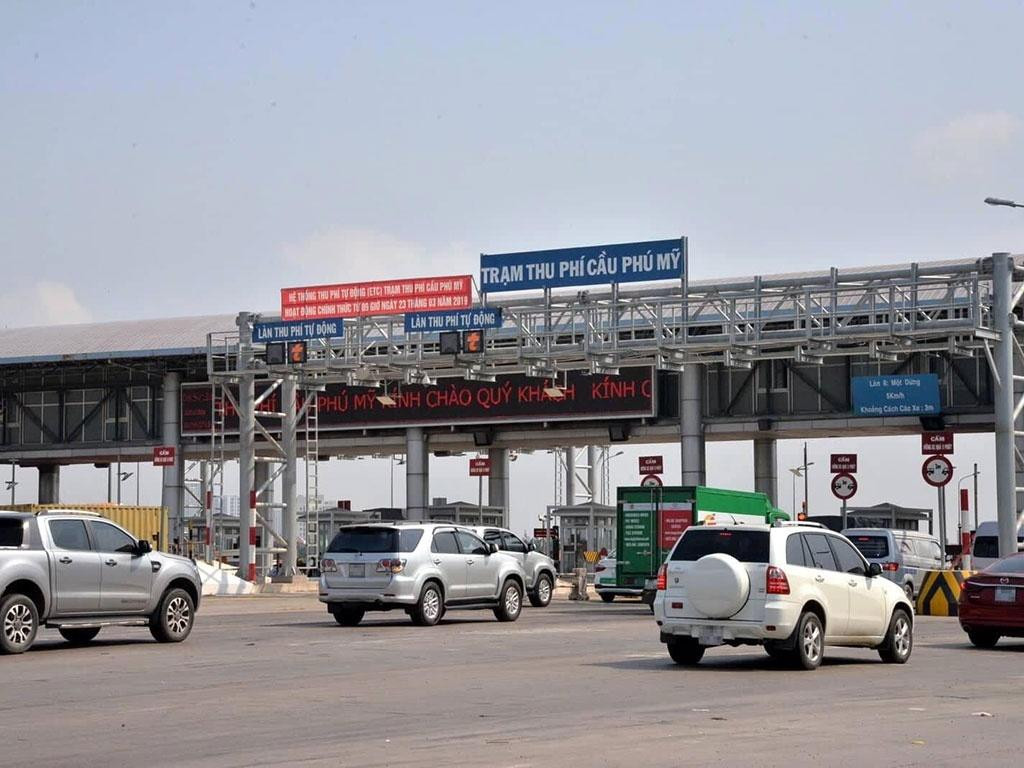 |
| Drive through the toll booth at a speed below 30 km/h and maintain a safe distance from the vehicle in front. |
Don't tailgate the car in front.
Besides driving slowly, when passing through automated toll booths, drivers should also maintain a minimum distance of 3-5 meters from the vehicle in front. Maintaining this distance not only helps prevent collisions in case of sudden braking but also minimizes obstruction of the vehicle detection system's view.
This is because the automated toll collection identification tag is affixed to the headlight or the back of the windshield. If you move too close to the vehicle in front, in many cases the toll booth's identification system will not be able to scan the tag.