

Mechanical downsizing of the workforce is occurring in many localities.
The results achieved remain quite modest, as the recent streamlining efforts in many ministries, departments, localities, and units have been largely mechanical, even superficial.
 |
Officials in Chi Khe commune, Con Cuong district (Nghe An province) handle administrative procedures for citizens. Photo: Thanh Duy |
According to statistics from the Ministry of Interior, by the end of 2021, the number of civil servants decreased by 10.01% for the first time; the number of public service employees decreased by 11.67%. According to the Ministry of Finance, the restructuring of the apparatus and downsizing of personnel during the 2017-2021 period resulted in a reduction of 25,000 billion VND in state budget expenditures. Personnel downsizing has created a significant breakthrough, helping to reduce the bureaucracy and lessen the burden on the budget.
However, the results achieved are still considered quite modest, as the recent streamlining efforts in many ministries, departments, localities, and units have remained largely mechanical and even superficial.
The entire political system has reduced its workforce by 262,000 positions, equivalent to more than 20% compared to 2015. For the first time, the bureaucracy has not expanded after the downsizing, but frankly speaking, there are still many unsatisfactory aspects. There is still a lack of decisiveness, a reluctance to confront issues, and a tendency to avoid confrontation, resulting in slow progress in developing downsizing plans. Some ministries, sectors, and localities focus only on downsizing without prioritizing restructuring the civil servant workforce according to job positions. This situation leads to many units remaining cumbersome and failing to achieve the set goals.
Mechanical downsizing can be understood as primarily streamlining those who have reached retirement age or requested early retirement, without yet removing those who need to be removed from the system. This situation is occurring in many localities, departments, and agencies.
Mr. Vu Hai Nam, Director of the Personnel and Organization Department of the Ministry of Interior, acknowledged that the downsizing was carried out in the context of simultaneously improving the institutional framework. Even regarding job positions, although we have been implementing this for a relatively long time, due to an approach that is not truly correct and scientific in assigning people to job positions and evaluating officials, civil servants, and public employees based on job positions, we have not yet had the conditions to implement it effectively. Therefore, saying that downsizing the workforce is only a mechanical reduction is consistent with the practical results.
From another perspective, according to Associate Professor, Dr. Ngo Thanh Can (National Academy of Public Administration), there is still a tendency to apply the same rate of downsizing across localities and units, leading to some units with a large workload still having to cut staff according to the general rate.
“The fact that we have strived to reduce the workforce by 10% and the results achieved are commendable, but regarding the limitations and shortcomings such as the uniform rate across all sectors and regions, further research is needed to ensure specificity. Another issue is that workforce reduction must be linked to organizational structure; however, existing organizations still have overlapping and redundant functions and responsibilities,” Associate Professor, Dr. Ngo Thanh Can analyzed.
According to Mr. Le Nhu Tien, former Deputy Chairman of the National Assembly's Committee on Culture, Education, Youth, and Children, this mechanical leveling leads to streamlined but not efficient staffing. Often, even with reduced organizational units, the streamlining process isn't truly effective; it's still a mechanical addition. Therefore, in some agencies, ministries, and departments, as well as in some provinces and cities, the total staff remains unchanged despite the reduction in the number of units.
Mr. Le Nhu Tien stated that he had previously proposed to the Central Organizing Committee to request the Ministry of Interior and interior agencies at all levels to summarize the process of streamlining the organizational structure and reducing the workforce to assess its effectiveness and whether it truly helped to reduce the number of departments and the workforce.
Minister of Home Affairs Pham Thi Thanh Tra affirmed that streamlining the workforce while still meeting the current staffing levels in public service units, especially in the fields of education and health, is a difficult task that requires considerable time.
According to the Minister of Home Affairs, we must simultaneously address two challenges: achieving the goal of reducing the number of civil servants and public employees receiving salaries from the state budget, while also meeting the requirements for improving efficiency and streamlining to support the operation of the political system in general and public service units in particular. This remains a difficult issue. The development of job descriptions, competency frameworks, and job positions for civil servants and public employees is still very slow, and discipline in the management of civil servants and public employees in some localities and units is still inadequate.
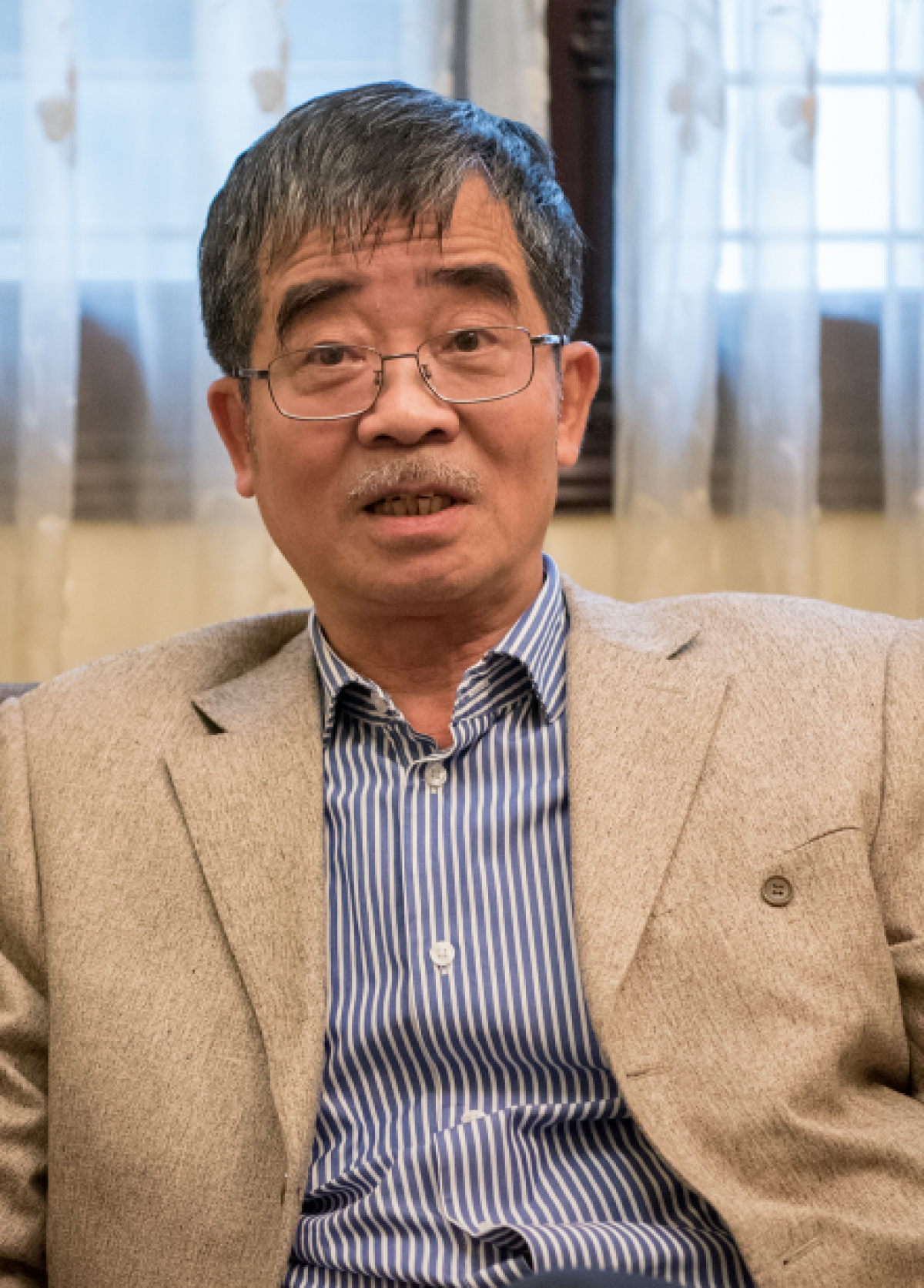 |
Dr. Dinh Duy Hoa - former Director of the Administrative Reform Department, Ministry of Interior. |
Therefore, simultaneously streamlining the workforce and restructuring the staff while ensuring regular work and continuously improving the quality of civil servants and public employees according to job positions with a synchronized system of standards is a huge challenge.
To streamline staffing in a way that is no longer mechanical, ensuring both quantity and quality, and to enable the administrative apparatus to operate more efficiently and better serve the country's development, according to Dr. Dinh Duy Hoa - former Director of the Administrative Reform Department, Ministry of Interior, the first solution is to determine the required staffing standards for each administrative agency. To achieve this, relevant functions and tasks must be reviewed. Secondly, recruitment processes must also be standardized, and thirdly, once standardized, the evaluation criteria for officials and civil servants should be applied. Based on this, it is possible to determine who deserves to remain in their positions and who should be removed from the system. This is a long-term issue that needs to be implemented.