

Nghe An province still lacks 7,000 teachers at all levels of education.
(Baonghean.vn) - According to a representative of the Nghe An Department of Education and Training, the number of teachers at all levels (especially preschool and primary school) is lower than the regulations, and the province is currently short 7,000 teachers.
On the morning of October 11th, the supervisory delegation of the Legal Affairs Committee of the Provincial People's Council, regarding the implementation of state management on organizational structure, staffing, and labor contracts at state agencies and public service units, held a working session at the Department of Education and Training.
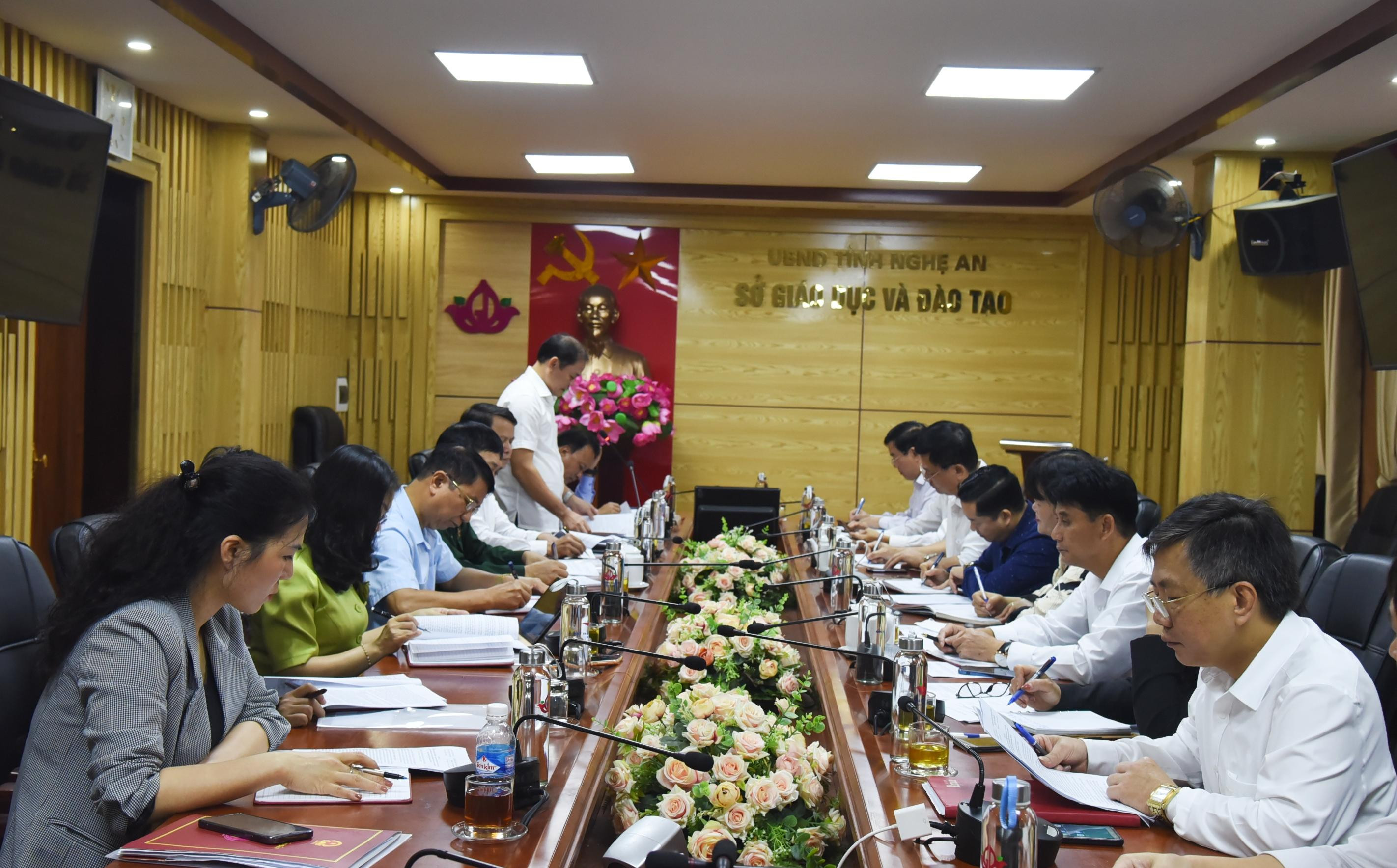 |
Attending the working session was Comrade Nguyen Nam Dinh - Member of the Standing Committee of the Provincial Party Committee, Permanent Vice Chairman of the Provincial People's Council. Photo: Thanh Le |
Many difficulties and obstacles
Implementing the policy of consolidating and reorganizing public non-business units to streamline operations, during the period 2020-2022, the entire Education and Training sector of Nghe An province reduced 51 public non-business units (14 kindergartens, 28 primary schools, 7 secondary schools, 1 project management board, and 1 provincial vocational training center); reducing 47 kindergarten branches, 87 primary school branches, and 2 secondary school branches.
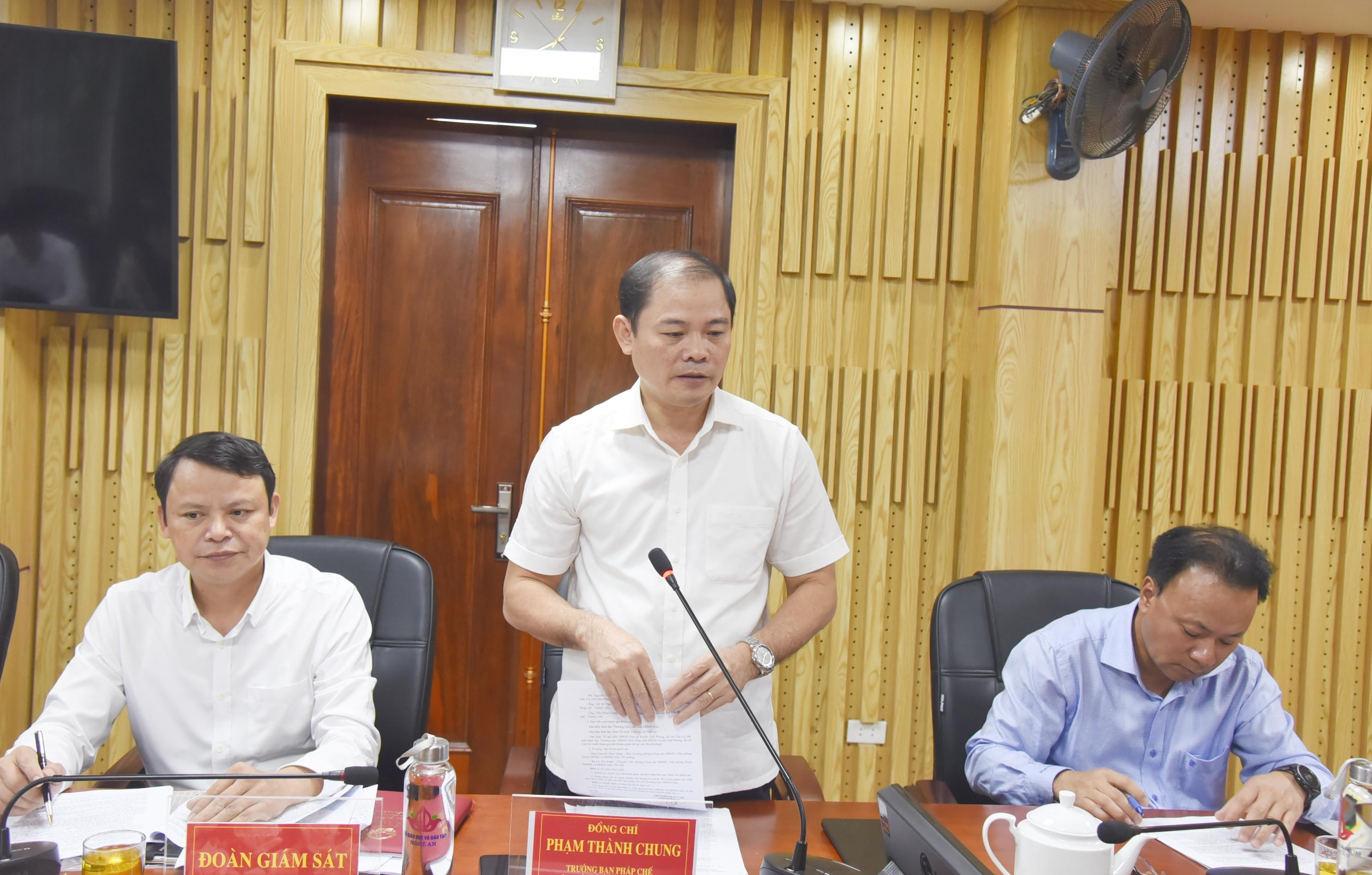 |
Comrade Pham Thanh Chung - Head of the Legal Affairs Committee of the Provincial People's Council, Head of the Supervisory Delegation, discussed the purpose of the supervision program. Photo: Thanh Le |
582 specialized teams and 1,291 office teams have been reduced (specifically, units under the Department of Education and Training reduced 174/467 specialized teams and 71/76 office teams; 174 heads and 73 deputy heads of specialized teams were reduced; and 71 heads and 54 deputy heads of office teams were reduced). For the Department of Education and Training itself, from 2015 to the present, 8 staff positions have been reduced (achieving 10%), ensuring the target for staff reduction has been met.
According to the assessment of the Department of Education and Training, the organizational structure and staffing of the units have been implemented in accordance with the regulations of the competent authorities, and the number of public service units and staff has been initially streamlined. Strict measures have been taken to rectify the situation of labor contracts in agencies and units in accordance with the law and practical realities.
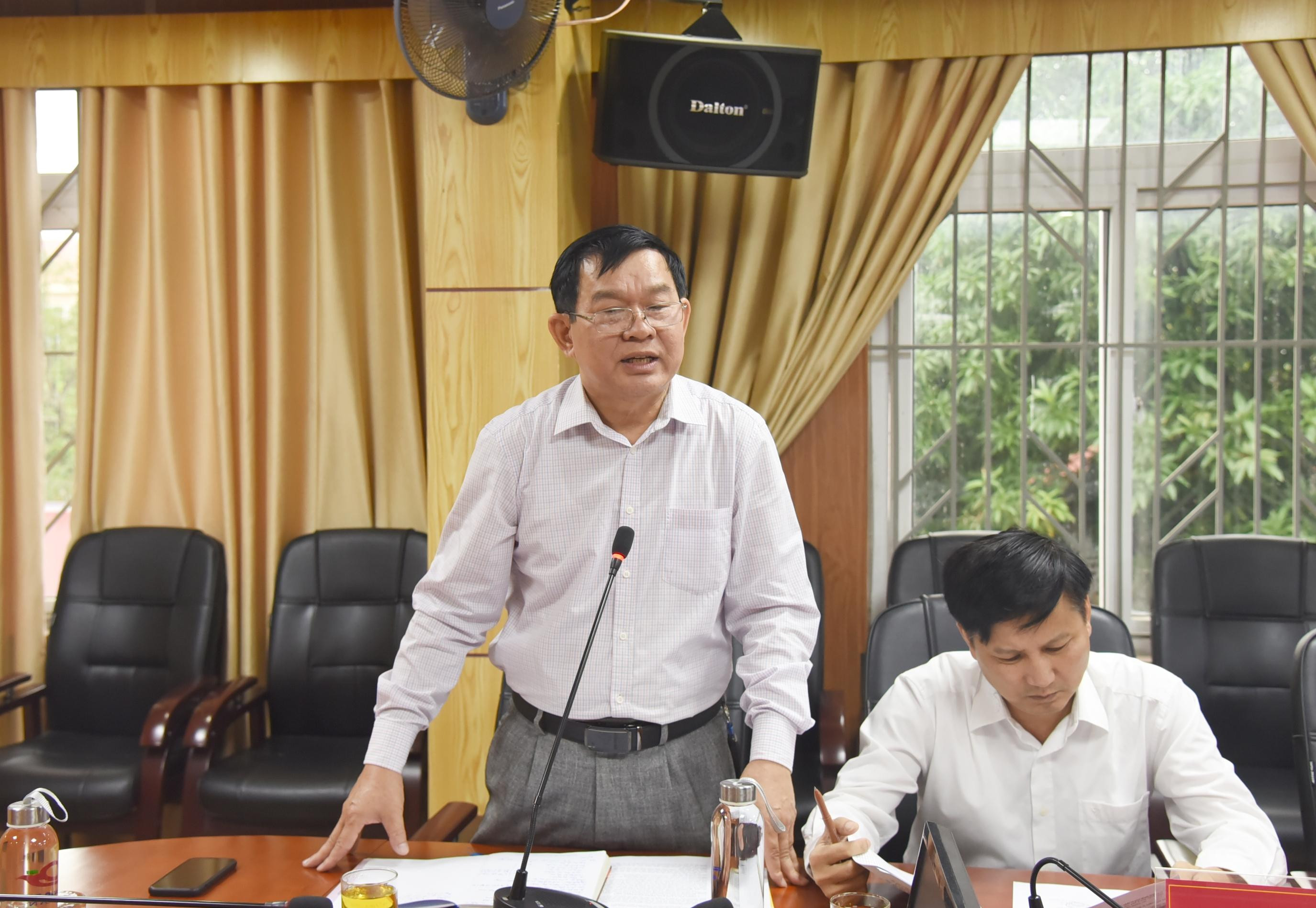 |
Deputy Director of the Department of Education and Training, Dao Cong Loi, reflects on the difficulties and shortcomings of the sector in implementing the policy of downsizing the workforce. Photo: Thanh Le |
According to Deputy Director of the Department of Education and Training Dao Cong Loi, implementing staff reduction in the education sector faces many difficulties and shortcomings. To ensure the staff reduction target is met, the education sector is drastically reducing the number of support staff and management personnel.
Meanwhile, the tasks assigned to the Education and Training sector are becoming increasingly numerous and demanding; the province has a large geographical area, a large scale of schools and classes (over 1,600 school units), and many educational institutions in remote areas, making it difficult for the Department to carry out its tasks of guidance, inspection, accreditation, professional training, and specialized courses.
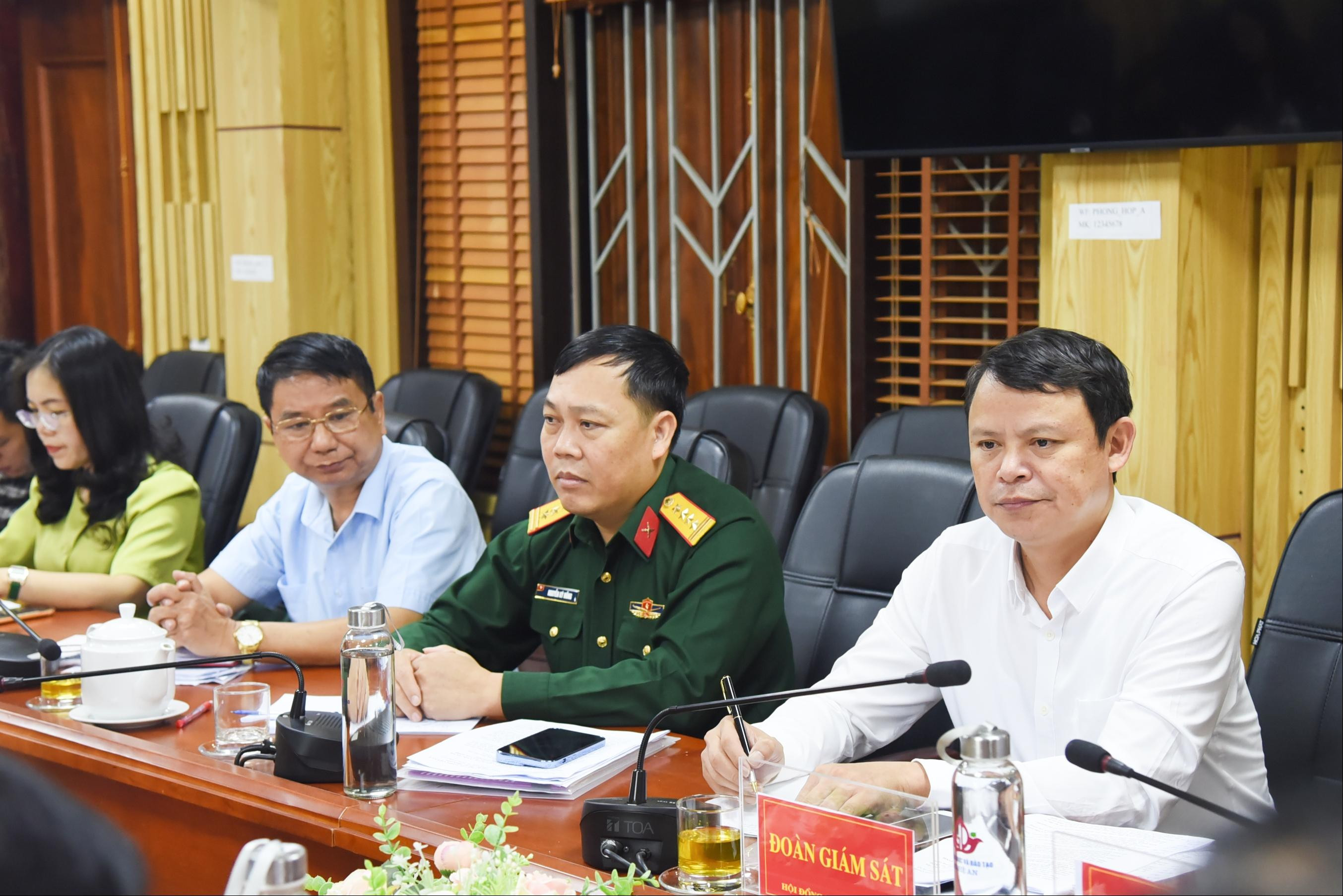 |
Members of the monitoring team attend the working session. Photo: Thanh Le |
Regarding this issue, Ms. Nguyen Hong Hoa, Head of the Primary Education Department of the Department of Education and Training, added: Implementing the 2018 general education program, which includes several new compulsory and elective subjects (Informatics and Foreign Languages in primary school; Natural Sciences, Music, and Fine Arts in secondary and high school), would create difficulties in teaching these new subjects if the allocated staffing levels are not increased. Many mountainous districts are currently unable to recruit teachers for Informatics and Foreign Languages.
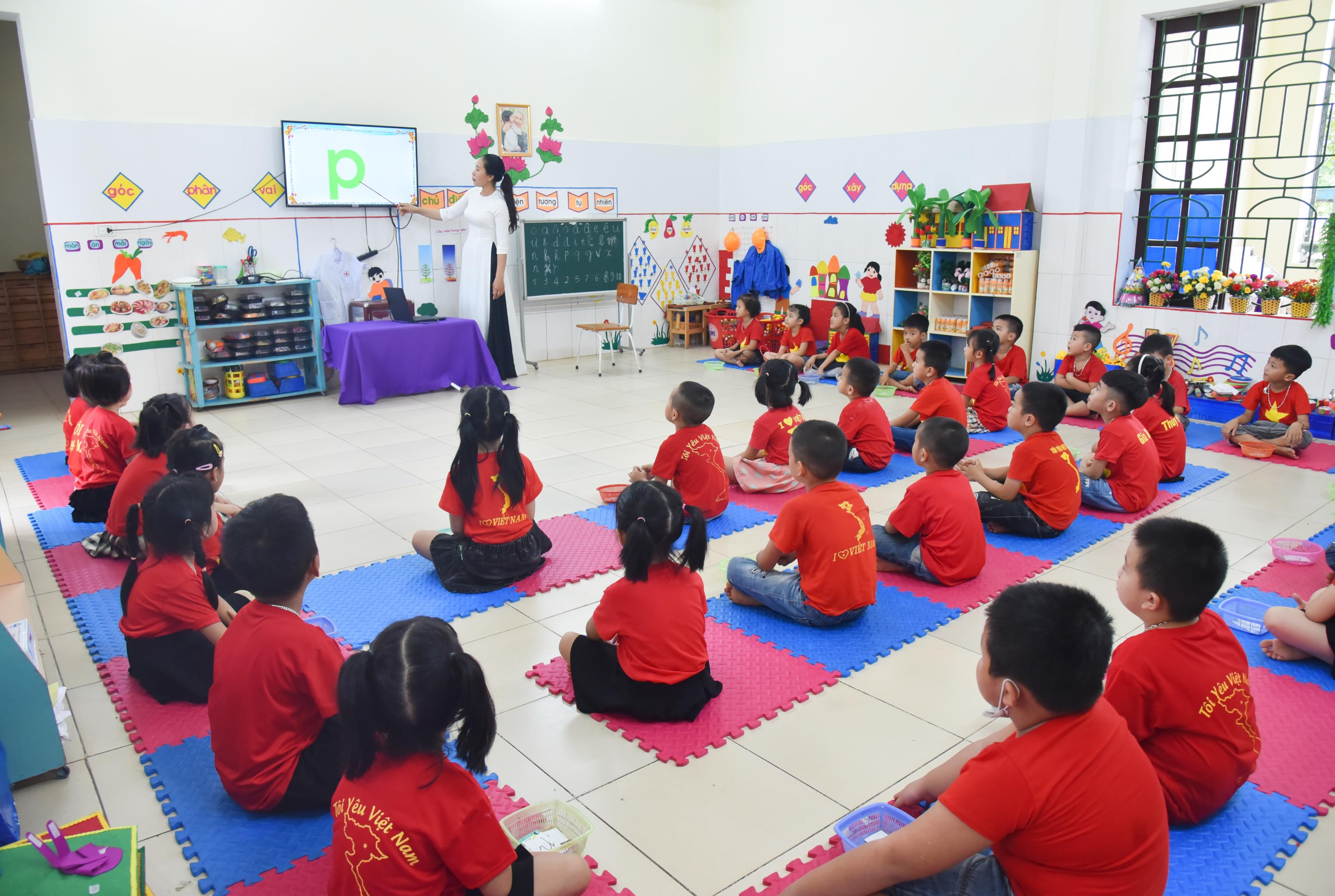 |
The number of teachers employed at all educational levels in Nghe An (especially preschool and primary school) is lower than the regulations (a shortage of 7,000 people). Photo: Thanh Le |
"Over the past five years, the number of primary school students has increased by more than 73,000, and the number of classes has increased by 930. If we follow the standard of 1.3 teachers per class, we would need approximately 1,200 teachers, while the number of teachers on the payroll has not increased, and has even decreased. The target number of teachers at all levels of education (especially preschool and primary) is lower than stipulated (a shortage of 7,000 people)," Comrade Nguyen Hong Hoa added.
The Department of Education and Training also noted that school mergers should not be mechanically linked to commune mergers, because in reality, the scale, area, population, and number of school-aged children in different communes are not equivalent. Some communes have many times more students than others.
Ensure sufficient staffing is available.
Working with the inspection team, the Department of Education and Training proposed the following organizational structure and streamlining: The restructuring should be streamlined but appropriate to the specific characteristics of each subject area and educational level, and meet the needs of learners. It also requested the Ministry of Education and Training to issue a framework regulation on the number of subject departments and deputy heads of departments in preschools and primary and secondary schools.
The Department also proposed allocating a sufficient number of employees (salaried by the State budget) for the Education sector in Nghe An to carry out its tasks, totaling 7,000 people (3,172 for preschool; 2,667 for primary school; 1,012 for lower secondary school; and 149 for upper secondary school).
We propose the early issuance of policies to support tuition fees for students and policies to support teachers and employees of non-public educational institutions.
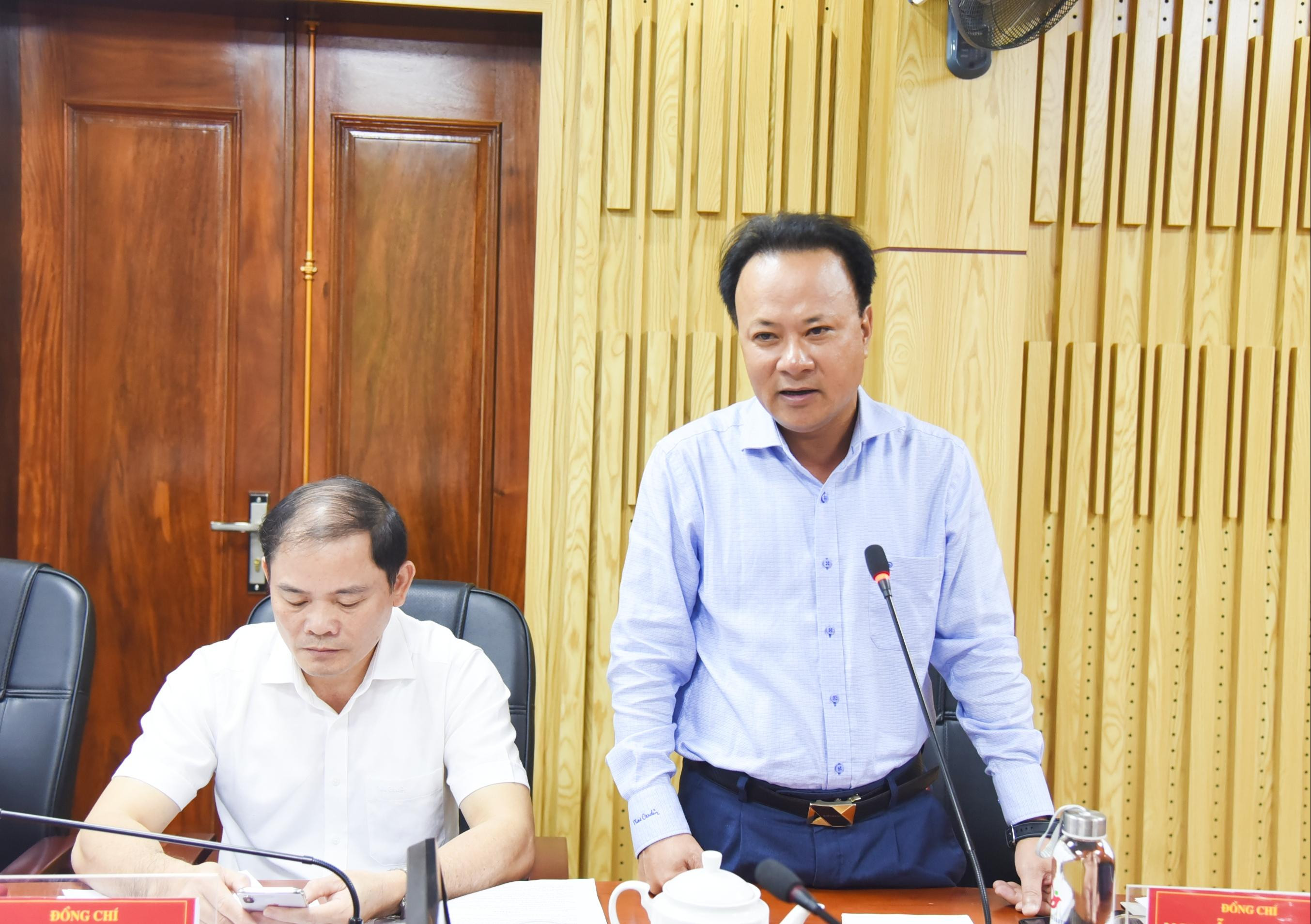 |
Comrade Nguyen Nam Dinh - Member of the Standing Committee of the Provincial Party Committee, Permanent Vice Chairman of the Provincial People's Council, speaks at the working session. Photo: Thanh Le |
Speaking at the meeting, Comrade Nguyen Nam Dinh - Member of the Standing Committee of the Provincial Party Committee, Permanent Vice Chairman of the Provincial People's Council - shared the difficulties faced by the provincial education sector. He suggested that to alleviate this pressure, the sector should advise the province and localities to call for support from businesses to invest in the development of the public school system, thereby reducing the burden on the state budget. Along with this, it is crucial to improve public awareness campaigns to prevent parents from discriminating between public and private schools.
The Department needs to continue streamlining its organizational structure and reducing intermediaries and internal organizations. "The streamlining of personnel aims to reduce the number of departments, but the highest priority must be maintaining teaching and learning. Therefore, the sector needs to be very flexible in merging schools," emphasized Comrade Nguyen Nam Dinh.
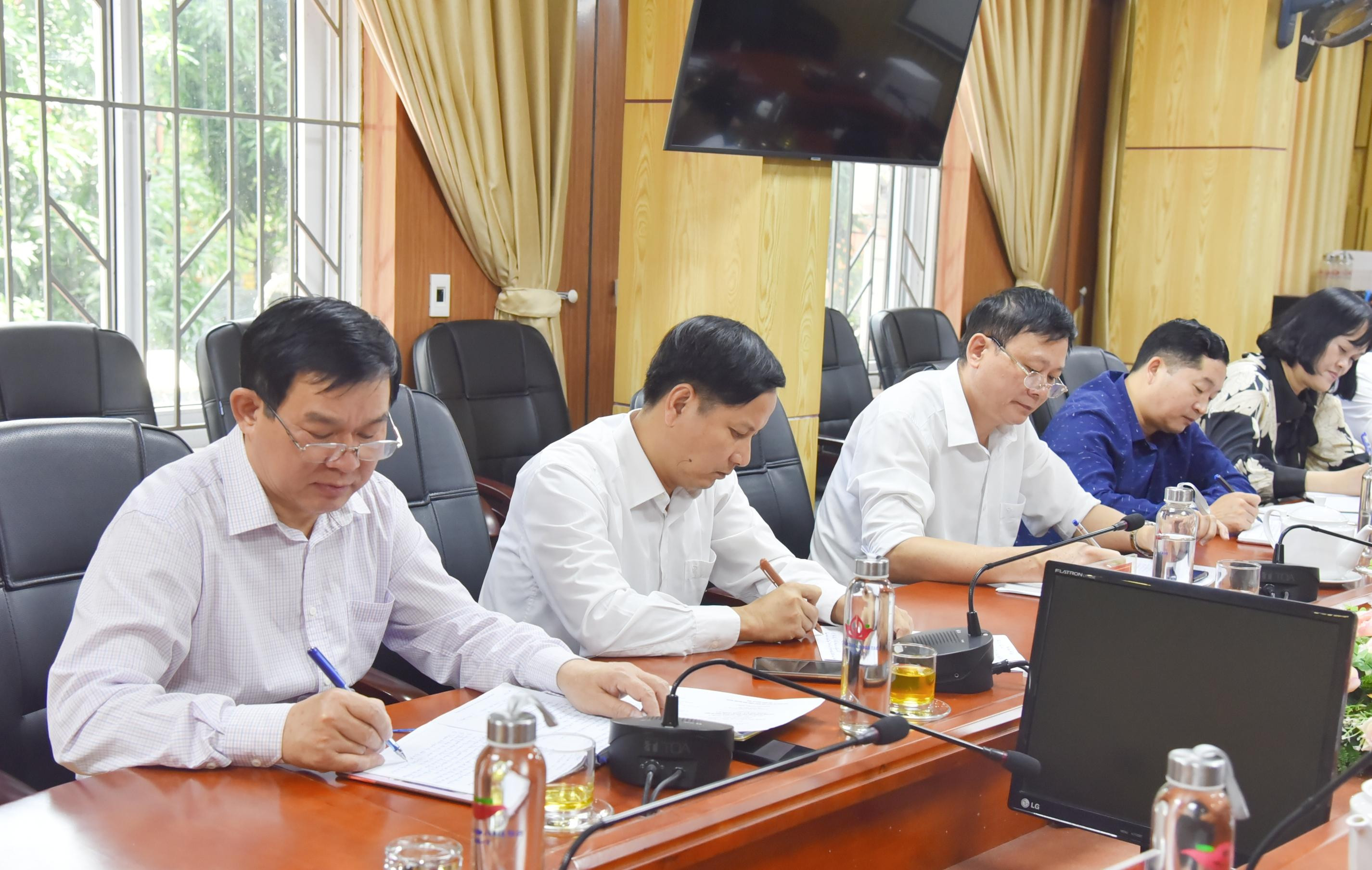 |
Representatives from the Department of Education and Training received feedback from the monitoring team. Photo: Thanh Le |
Along with streamlining administrative structures, the sector needs to encourage the accelerated application of information technology and digital transformation in education and training. At the same time, it should coordinate with all levels and sectors, paying attention to policies for the teaching staff.