

The world welcomes a baby girl as its 8 billionth citizen, 15 years earlier than expected.
The Head of UNFPA Representation in Vietnam announced on the morning of November 15th that the world has officially reached the 8 billion mark, 15 years earlier than expected. It is projected that this number will reach 9 billion by 2037. Average life expectancy has also increased significantly in recent years.
A baby girl born in Tondo, Manila (Philippines) has been recorded as the 8 billionth person in the world. Venice Mabansag in Delpan, Tondo, was born naturally at Dr. Jose Fabella Memorial Hospital early on the morning of November 15th.
"We have just witnessed the birth of the world's 8 billionth baby in the Philippines. The baby was born at 1:29 a.m. this morning," said Dr. Romeo Bituin, the hospital's medical director.
Ms. Naomi Kitahara, Head Representative of the United Nations Population Fund (UNFPA) in Vietnam, stated that 12 years ago (in 2010), the world population had only reached 7 billion people, and we expect this number to reach 8 billion by 2037.
In fact, by 2022, the world had reached 8 billion, and by 2037, this number is expected to rise to 9 billion, with Asia and Africa driving this increase.
Outlook ReportpopulationThe 2022 world population forecast indicates that it took the world 12 years to grow from 7 billion to 8 billion, roughly the same time as from 6 billion to 7 billion. The next billion is projected to take 14.5 years. The world population is projected to peak at around 10.4 billion people in 2080, maintaining that level until 2100.
Of the 10 countries contributing more than half of the population growth of 7 billion to 8 billion, India is the largest contributor, followed by China and Nigeria.
Two-thirds of the global population lives in a country or region with a fertility rate below 2.1 children per woman (also known as the replacement fertility rate).
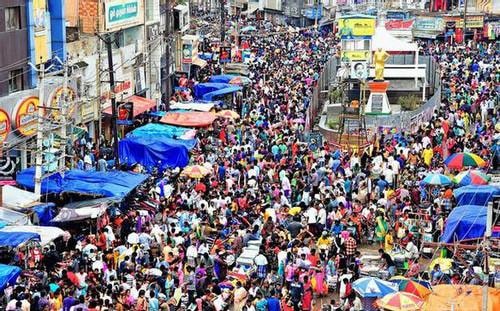 |
Illustrative image. |
Global life expectancy reached 72.8 years in 2019, an increase of nearly 9 years since 1990. But in 2021, life expectancy in the least developed countries lagged behind the global average by 7 years.
In many developing countries, the proportion of the population in the working age group (25 to 64 years old) is increasing.
Naomi Kitahara stated that, despite the many challenges ahead, the figure of 8 billion people and reaching this significant milestone is a story of success. "We have reduced poverty and made tremendous progress in social issues. We have a larger population than ever before, partly due to increased life expectancy and a decrease in maternal and infant mortality rates," she said.
The global Executive Director of UNFPA stressed that the concept of "too many people" in the world is a misconception. She emphasized that focusing solely on population size and growth rates often leads to coercive and counterproductive measures that infringe upon human rights, such as women being pressured to have children or being prevented from having children.
The world may have more people today, but equally important is the unprecedented demographic diversity we see in the global population.