

Nghe An: The New Rural Development Program is becoming more in-depth and substantive.
(Baonghean) - By the end of 2022, Nghe An province is expected to have 309 out of 411 communes meeting the standards of new rural areas (reaching 75.18%). The construction of new rural areas in Nghe An continues to deepen, focusing on improving the material and spiritual lives of the people, and honoring the cultural values of villages and communes…
Nghe An Newspaper interviewed Comrade Nguyen Van Hang - Deputy Chief of the Office for Coordinating New Rural Development in Nghe An province - about some aspects of the program.
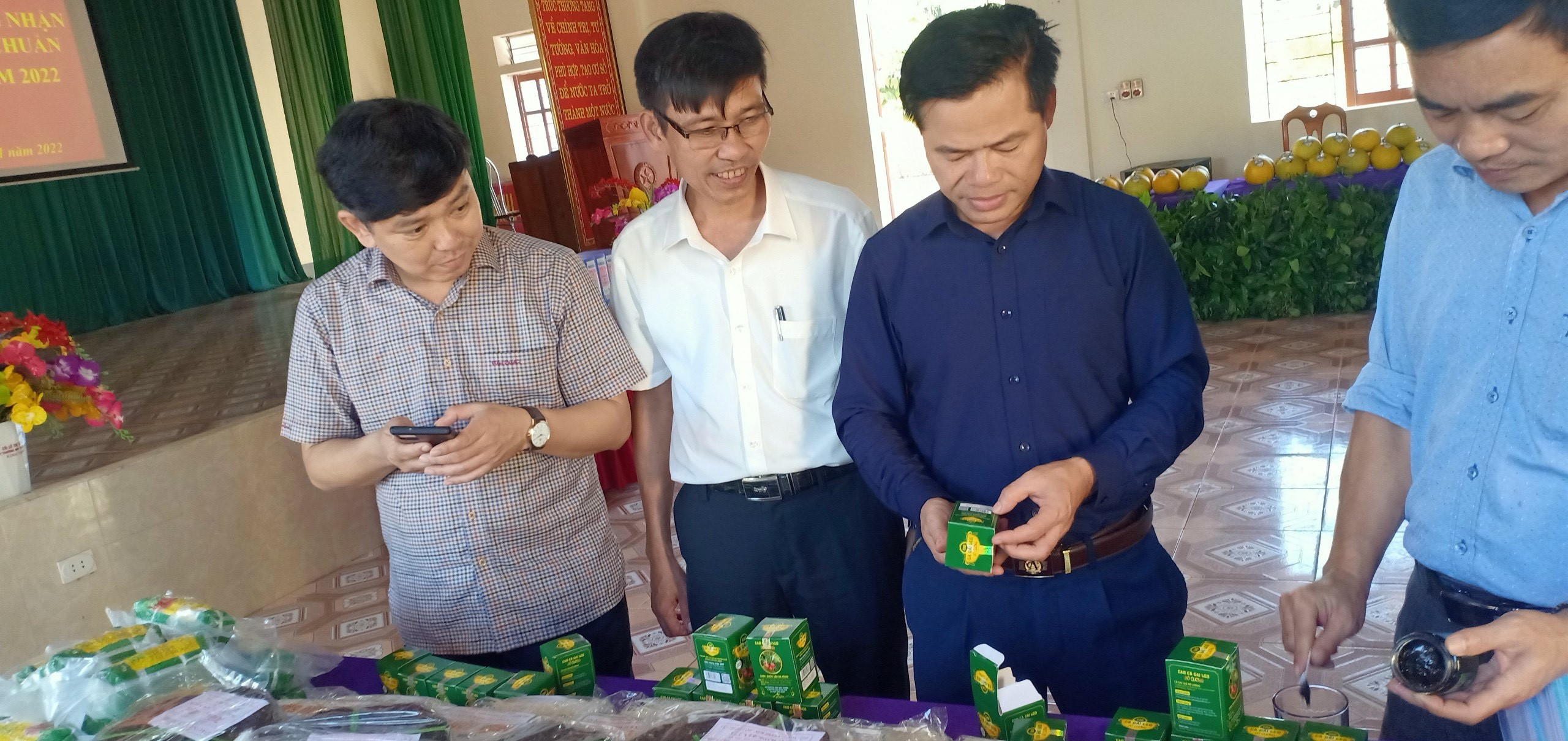 |
Leaders of the Provincial Rural Development Coordination Office inspect OCOP products from various localities. Photo: Tran Chau. |
PV:Comrade, building new rural areas is one of the important targets of the Resolution of the 19th Congress of the Nghe An Provincial Party Committee, term 2020-2025. Could you please tell us about the results of building new rural areas in the province up to the present time?
Comrade Nguyen Van Hang:Nghe An is the largest province in the country in terms of area and possesses many potentials, advantages, and challenges that influence the overall process of building new rural areas in the province. However, for many years, this key political task has always been a focus of leadership and guidance from the Party committees, government, and political and social organizations from the provincial to the grassroots level.
As of the end of 2022, Nghe An province had 309 out of 411 communes meeting the new rural standards (75.18%); 42 communes meeting the advanced new rural standards (accounting for 14.23% of new rural communes); and 6 communes meeting the model new rural standards. Nine district-level units completed the task/met the new rural standards: Vinh City, Thai Hoa town, Hoang Mai town, and the districts of Nam Dan, Yen Thanh, Nghi Loc, Quynh Luu, Do Luong, and Dien Chau. The average number of criteria met per commune in the province is 16.95. The average per capita income in rural areas is projected to reach 35.5 million VND/year by the end of 2022, the poverty rate is projected to be 6.49% by the end of 2022, and the percentage of rural residents using hygienic water according to the standards set in Decision No. 4826/QD-BNN of the Ministry of Agriculture and Rural Development has reached 87%.
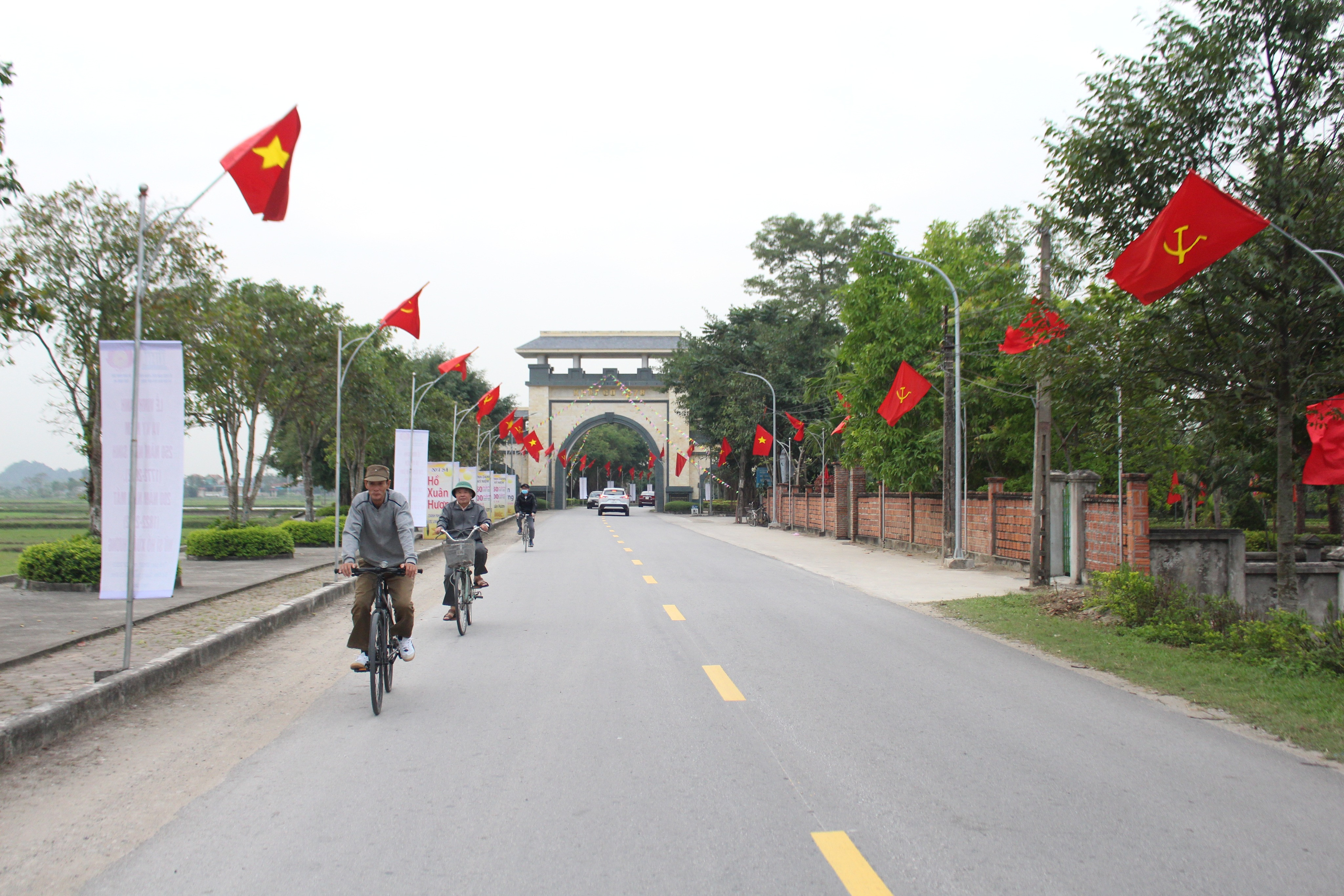 |
The gate of Quynh Doi village, Quynh Luu district. Photo: Hong Dien |
Through the New Rural Development program, positive changes have been made to the material and spiritual lives of rural people, promoting economic, cultural, social, and national defense and security development in rural areas of Nghe An province.
PV:Building new rural areas in the mountainous regions of Nghe An still faces many difficulties. In your opinion, what solutions are needed to overcome these challenges?
Comrade Nguyen Van Hang:Along with the attention and care from the central and provincial governments, and policies for mountainous and ethnic minority areas, the primary solution is the active role of local authorities and the communities where the program is implemented.
Currently, the communes that have not yet achieved the new rural development goals are mainly mountainous and disadvantaged communes. For these communes, especially those with low local budget revenue and primarily dependent on central government funding, striving to meet all 19 criteria within the next five years is difficult to achieve. Therefore, it is necessary to set appropriate goals for disadvantaged communes to create motivation for them to improve and gradually overcome the mentality of relying on state support. Furthermore, adjustments to methods, mechanisms, and policies are also needed to ensure the role of the main implementing agencies.
Local authorities need to effectively integrate the National Target Programs for poverty reduction, new rural development, and development of ethnic minority and mountainous areas. Priority should be given to investing in the following areas: production development, livelihood creation to increase income, poverty reduction, education improvement, and essential infrastructure development. Alongside this, it is crucial to review and evaluate the results of production development support projects under the programs already implemented in mountainous areas. For particularly disadvantaged communes, the most important and prioritized task is developing production and creating sustainable livelihoods for the people.
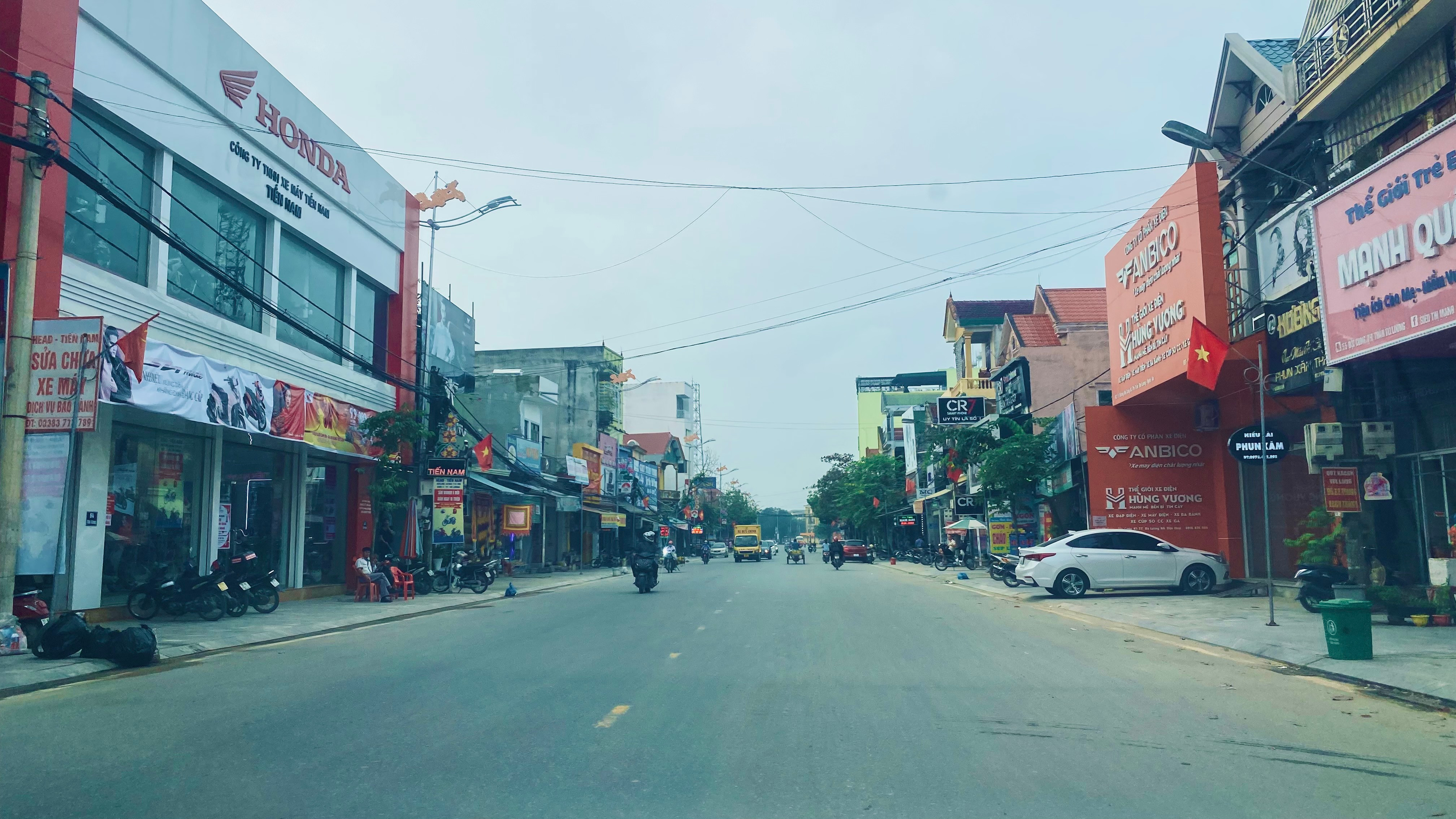 |
A view of Do Luong town. Photo: Tran Chau |
On the other hand, it is necessary to strengthen widespread and practical propaganda to inform the people about the policies, rights, and obligations of each individual, community, village, and hamlet in building new rural areas. Taking internal strength as the foundation, thoroughly understanding the content, methods, and approaches, confidently taking ownership, voluntarily participating, and being creative in organizing implementation with the motto "the people know, the people do, the people discuss."
Communes should proactively prioritize the implementation of criteria that are easy to implement and require less funding, and should not rely solely on allocated funds from higher levels. There should be clear and specific assignments in directing the implementation of the new rural development program, contributing to the development of disadvantaged mountainous communes and narrowing the gap with lowland communes on the path to building new rural areas.
PV:It is understood that the criteria for new rural areas and advanced new rural areas, as stipulated by the Government, are now higher. So, what are the solutions to this problem, Comrade?
Comrade Nguyen Van Hang:Recently, the Prime Minister issued Decision No. 318/QD-TTg promulgating the National Criteria Set for New Rural Communes and the National Criteria Set for Advanced New Rural Communes, for the period 2021-2025 (effective from March 8, 2022), with many added contents and higher requirements. Therefore, the solution is for local Party committees and authorities to focus, be more decisive, and be more creative in directing and ensuring the completion of the goals of building new rural areas, advanced new rural areas, and model new rural areas according to the roadmap.
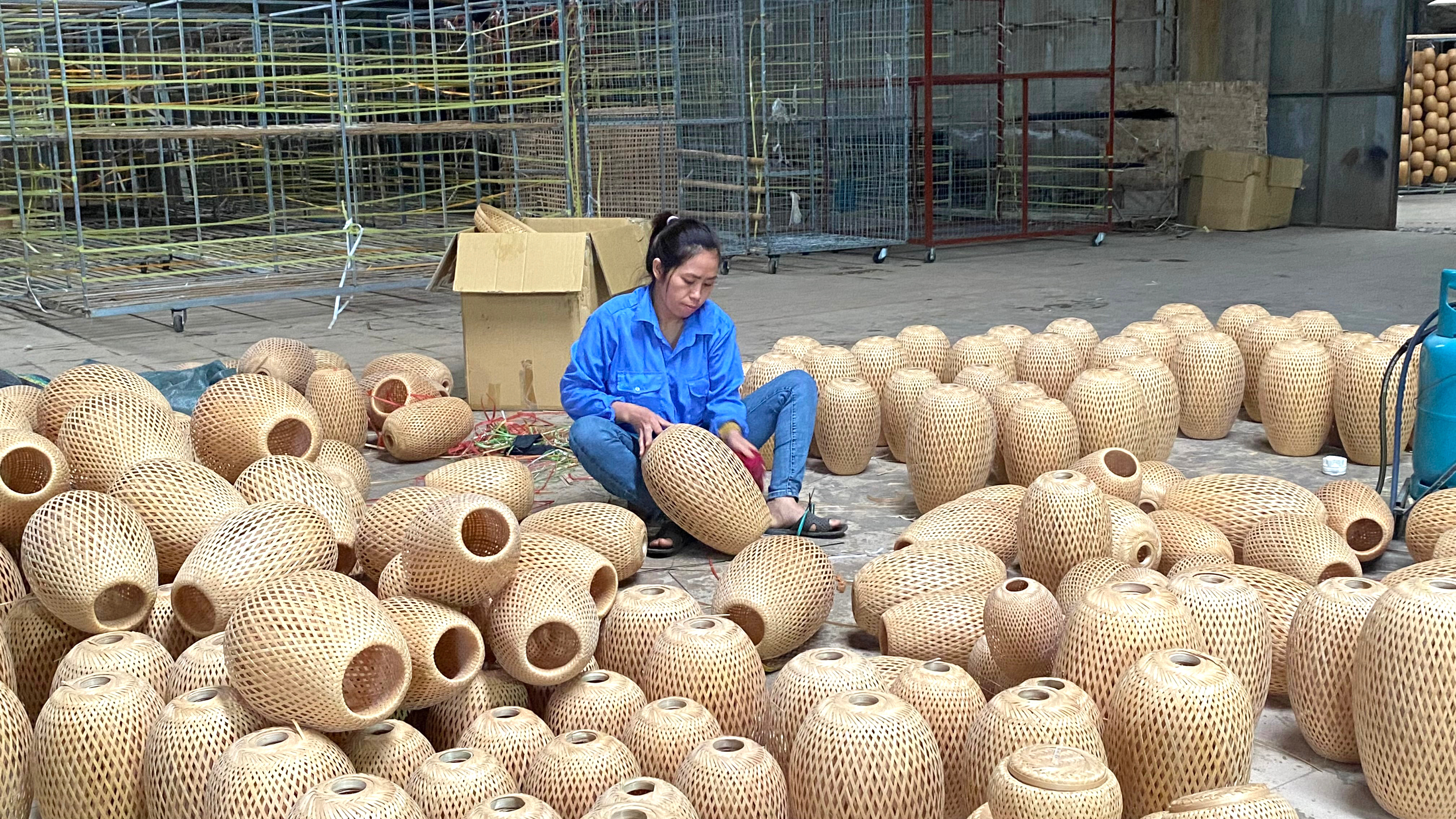 |
Production of rattan and bamboo products in Vinh City. Photo: Tran Chau |
Accordingly, it is necessary to maximize the resources provided by the central government, strengthen the synchronized and close integration of capital between national target programs and projects to improve the efficiency of resource utilization for program implementation at the local level. Continue to diversify funding sources towards social mobilization.
Strengthen inspection and supervision in the implementation of the New Rural Development Program, focusing on strict management of the use of resources for program implementation, promoting the supervisory and critical role of the Fatherland Front, political and social organizations, and the supervision of the local community.
Implement the new rural development program comprehensively and sustainably, linked with urbanization, ensuring substance, depth, and effectiveness for the benefit of the people. Improve living conditions and housing, innovate thinking and lifestyles, preserve and promote national cultural identity, ensure political security and environmental protection, and narrow the development gap between rural and urban areas, and between regions. Closely integrate socio-economic development with strengthening national defense and security, and sustainable socio-economic development in border areas, coastal and island regions, and disadvantaged areas... Maintain and promote the emulation movement "Nghe An joins hands to build new rural areas," and promptly reward outstanding collectives and individuals.
PV:Thank you, comrade!