

5 tips for eating cereal in the morning that are very good for your health.
Eating cereal is a quick, convenient, and delicious breakfast option. However, does eating cereal provide sufficient nutrition, and what is the best way to eat it for good health?
1. Breakfast cereals: convenient but nutritious?
Breakfast cereals come in many varieties; they can be made from whole grains or processed grains, with or without added vitamins and minerals, and other ingredients such as nuts, seeds, and dried fruit.
So, are breakfast cereals healthy? The answer lies in the ingredients of the cereal product.
Specifically, most processed cereals are made from refined grains. Refined grains are grains that have been processed and had their outer bran and germ removed. These grains are then processed and flavored with additives and flavorings to enhance their taste.
They often undergo processes of refining, mixing, pressing, drying, shaping, and even the use of dyes and sweeteners to make them more appealing and palatable, but they no longer contain natural components such as bran, fiber, and vitamins.
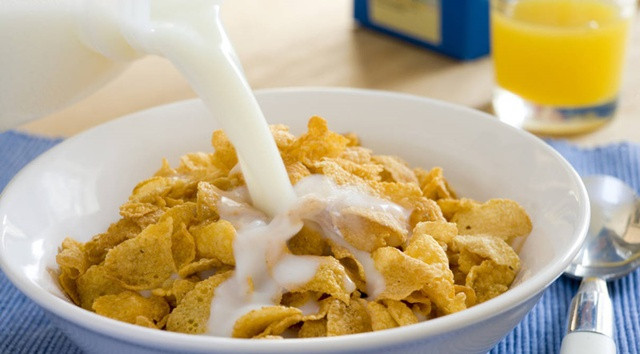 |
Refined grains are often lacking in fiber and vitamins. |
Essentially, ready-to-eat processed cereals are also a type of fast food that is high in carbohydrates, contains a lot of sugar, and has little to no fiber. These breakfast cereals are often actually unhealthy and nutritionally unbalanced, even if they are fortified with vitamins and minerals.
However, there are also some healthy breakfast cereals that use whole grains, retaining their natural fiber, protein, vitamins, and minerals. While it can be whole grain or finely ground, as long as whole grains are used, it can have little or no added sugar or dried fruit.
While refined grains aren't as healthy, whole grains offer numerous health benefits. Whole grains are rich in B vitamins and antioxidants, which help protect cells from damage. Because they aren't heavily processed, they're high in fiber, which binds to fatty acids like LDL cholesterol and removes them from the body before they can clog arteries and lead to heart attacks or strokes.
According to Dr. Nguyen Trong Hung, National Institute of Nutrition, all whole grains contain three parts: bran, germ, and endosperm. Each part contains nutrients that help improve health.
Research shows that choosing whole grains and high-quality, minimally processed carbohydrate sources, and cutting back on refined grains, improves health.
Eating whole grains helps control cholesterol levels, weight, and blood pressure, reducing the risk of diabetes and heart disease. They also provide food for beneficial bacteria in the gut microbiome, helping to reduce inflammation in the body.
2. How to eat cereals in a healthy way.2.1. Choose low-sugar cereals.
The main reason some breakfast cereals are unhealthy is their high sugar content. You should choose breakfast cereals that contain no more than 5g of sugar per serving or no added sugar at all, but only natural sugars from dried fruits such as raisins, dried strawberries, dried blueberries, dried apples, etc.
2.2. Choose fiber-rich cereals.
Fiber not only aids digestion and provides food for beneficial bacteria in the gut, but it also increases feelings of fullness. This means that if you eat a high-fiber cereal for breakfast, you won't feel hungry again after just one or two hours. Conversely, if you eat refined cereal, you're more likely to feel hungry again quickly.
Choose breakfast cereals that contain at least 5g of fiber per serving. Cereals higher in fiber also indicate they use more whole grains than refined grains. Therefore, reading nutrition labels and ingredient lists is very important.
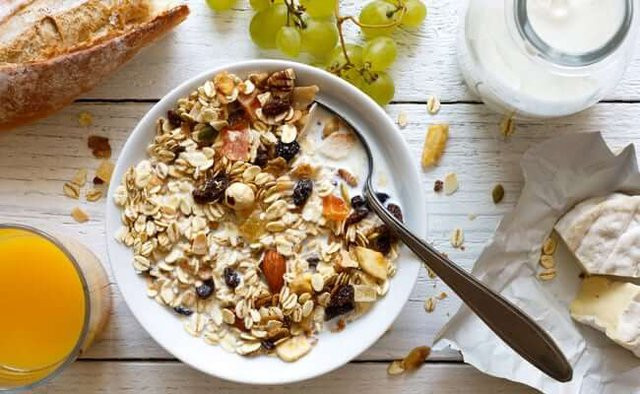 |
Whole grains offer many health benefits. |
2.3. Protein supplementation
Studies show that eating a protein-rich breakfast increases feelings of fullness. Therefore, you should choose cereals with at least 5-6g of protein per serving, or add protein to your cereal, or reduce your cereal portion and add other protein-rich foods to your breakfast.
Specifically, adding one cup of milk will provide approximately 8g of protein, or one cup of Greek yogurt will provide approximately 23g of protein. You can also choose to eat a small bowl of cereal with other protein sources such as eggs, fish, chicken breast, etc.
2.4. Add nuts to provide protein andhealthy fats
Nuts provide protein, fiber, and healthy fats. They are also low in carbs and a good source of vitamins and minerals. The high content of healthy fats in nuts may help improve blood sugar control and reduce the risk of heart disease.
Adding nuts to your diet can help you feel full for longer, which is beneficial for those looking to lose weight. However, it's important to note that nuts are high in calories, and eating too many can lead to weight gain. You should only eat a small handful at a time.
2.5. Add fruit to increase flavor, fiber, and vitamins.
Incorporating unsweetened fresh, frozen, or dried fruit is an easy way to boost the flavor and nutrition of your morning cereal bowl, especially if your favorite cereal is a refined grain lacking in fiber.
In addition, fruits such as apples, strawberries, blueberries, raspberries, and bananas provide many vitamins, minerals, and antioxidants, and adding them provides sweetness without the need for added sugar.
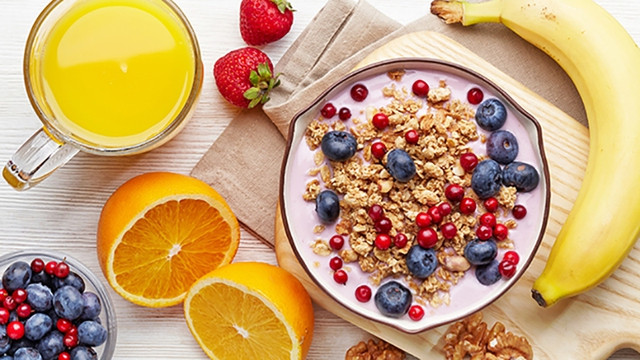 |
Adding fruit to cereals can boost fiber and vitamin intake. |