

5 dishes and remedies that help treat allergic rhinitis.
Allergic rhinitis falls under the category of "nasal congestion" in Traditional Chinese Medicine. There are many methods for treating allergic rhinitis, among which the use of medicinal foods has shown positive results in treating the disease.
Allergic rhinitis manifests as a runny nose, which over time may become cloudy white and have a foul odor. Cloudy nasal discharge is due to external wind-heat; clear nasal discharge is due to external wind-cold; redness, swelling, itching, and easy-to-treat pimples at the tip of the nose (nasal tip) are often due to blood heat invading the lungs.
When the nasal passages are diseased, it is necessary to carefully consider whether the disease is purely localized or related to the whole body, or whether it is caused by a disease spreading from other organs: When breathing, the nostrils flutter, which is often due to heat and wind-fire obstructing the lungs; asthma, dry nose, severe cases are often seen in children; in chronic illnesses, when breathing the nostrils flutter, it is a sign of lung qi depletion (lung qi exhaustion).
Allergic rhinitis is characterized by frequent relapses, especially when the weather changes, diet is unsuitable, or living conditions are poor.
Nature has endowed Vietnam with many medicinal plants that can be used as vegetables and in dishes, are inexpensive, easy to find, easy to grow, and effective in treating allergic rhinitis.
Principle: Avoid foods that are likely to cause allergies, and avoid contact with allergens such as animal dander, pollen, and house dust.
Some medicinal dishes that help prevent and support the treatment of allergic rhinitis:
1. Perilla helps treat allergic rhinitis.
Scientific name: Elsholtzia cristata, also known as white perilla, ginger perilla, false perilla... Properties and meridian tropism: Spicy, slightly bitter taste, warm nature. Enters the liver and lung meridians.
Effects: Relieves external symptoms, dispels wind, eliminates toxins, and promotes the eruption of rashes.
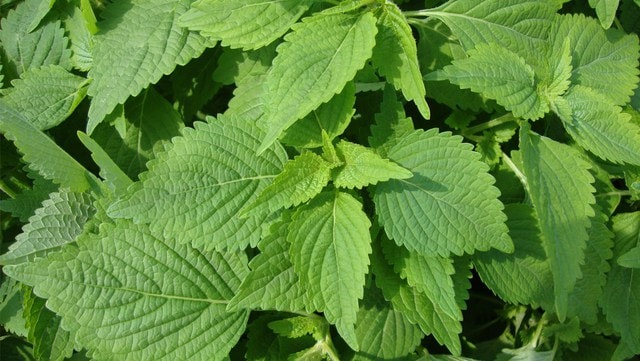 |
Introducing a herbal remedy that helps treat allergic rhinitis. |
Uses: Treats colds caused by wind and cold, boils caused by wind and heat, and allergies.
Dosage: 10-16g of dried perilla, 20-30g of fresh perilla.
Use:
Prepare the dish:Use the herb to make raw dishes, salads with basil, and jelly.
Making a remedy for allergic rhinitisIngredients: 12g of perilla, 8g of lantana (purple-flowered) plant, 12g of leaves of *Cissus quadrangularis*, 12g of mint, 8g of basil flowers. Boil in water and divide into two doses. Drink warm 30 minutes after meals.
2. Perilla
Scientific name: Perilla frutescens (L.) Britt, also known as purple perilla, red perilla... Properties and meridian tropism: Spicy taste, warm nature. Tropism to the spleen and lung meridians.
Effects: Dispels wind-cold, regulates qi, relieves chest tightness.
Main uses: Treats allergic rhinitis, asthma, rheumatism, and coughs.
Dosage: Use 10-16g of dried product or 20-30g of fresh product.
 |
Perilla is effective in treating allergic rhinitis. |
Use:
- Preparing the dish:Perilla and Vietnamese balm are used as herbs to eat raw, in salads, and as a seasoning in dishes like porridge to relieve colds.
- Making a remedy for allergic rhinitis:
Brew a handful of fresh perilla leaves in water and drink daily. Do not use if you sweat excessively or have low blood pressure.
+ 9g perilla leaves, 1 slice of dried ginger (3g). Brew and drink in two doses throughout the day.
- Prepare herbal steam inhalation:Take a handful of perilla leaves, a handful of basil, a handful of patchouli... boil them and use the steam to fumigate the nasal area.
3. Kudzu root
Scientific name: The scientific name of the kudzu plant is Pueraria thosonii Benth, belonging to the Fabaceae family (Leguminosae). The plant grows wild or is cultivated everywhere for its edible tubers, used to make kudzu starch, and for medicinal purposes.
Prescription name:Powdered kudzu root (raw kudzu), dried kudzu root, roasted kudzu root, raw kudzu root juice.
Part used:The roots are used as medicine, and the flowers of the plant are also used for medicinal purposes.
Preparation:Wash the root thoroughly with water, slice it thinly, and use it raw. Alternatively, crush it to extract the juice, roast it, or grate the fresh root into powder.
Position and meridian affiliation:Spicy and sweet taste, neutral in nature. Enters the stomach and bladder meridians.
Uses:The medicine enters the Yangming meridian, relaxes muscles, reduces fever, raises the body's energy, and strengthens the stomach's vital energy.
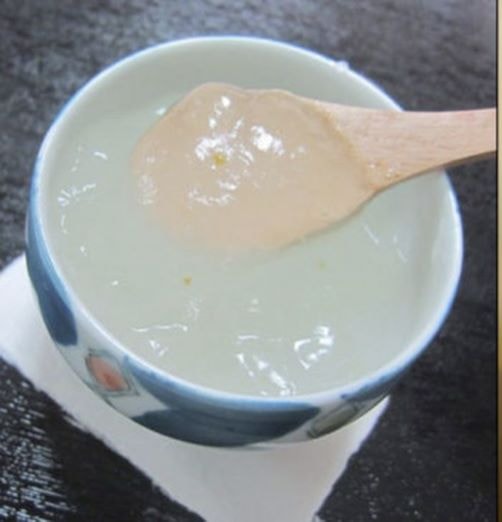 |
Kudzu root tea is used to treat allergic rhinitis. |
- Dish:Kudzu root tea: 15g of kudzu root powder, treats allergic rhinitis and sinusitis, colds, headaches, stiff shoulders, and respiratory diseases.
Note: Eat while hot, and avoid drafts for 1-2 hours after eating.
- The remedy:Ginseng and Tonic Drink. Origin: Prescription from the Heji Bureau.
Ingredients of the herbal remedy:Codonopsis pilosula 12g, Perilla frutescens 12g, Pueraria lobata 12g, Bupleurum chinense 12g, Pinellia ternata 12g, Poria cocos 12g, Citrus reticulata peel 8g, Glycyrrhiza glabra 8g, Platycodon grandiflorus 8g, Citrus aurantium 8g, Saussurea costus 8g.
Use:Grind into powder, take 8-12g daily. Add 7 slices of fresh ginger and 1 jujube fruit. Alternatively, decoct and drink one dose per day, divided into three equal portions.
Effects:Replenishes vital energy, relieves external symptoms, regulates vital energy, and dissolves phlegm.
Main indications:It helps treat patients with qi deficiency caused by external wind-cold, with internal phlegm and dampness, fever, chills, headache, nasal congestion, cough with excessive phlegm, chest fullness, white tongue coating, and weak pulse.
According to the Heji Bureau's prescription: This medicine is used for people suffering from seasonal colds, fever, headache, cough with phlegm, difficulty speaking, runny nose, epigastric fullness, nausea, and vomiting. It is also used for people with cough with phlegm due to seasonal colds, especially those with weak digestive systems.
The medicine is used to treat allergic rhinitis, bronchitis, pneumonia, alcohol poisoning, qi stagnation, asthma, and vomiting.
4. Steamed eggs with chives
Ingredient:A handful of chives, 2 chicken eggs.
Making:Wash and finely chop the chives. Crack the eggs into a bowl, add the chopped chives, and whisk well. Add some seasoning. Steam the egg and chive mixture until cooked through. Eat while still warm. Consume 2-3 times a week.
Chives can be used to prepare various dishes such as chive soup, depending on individual tastes and preferences.
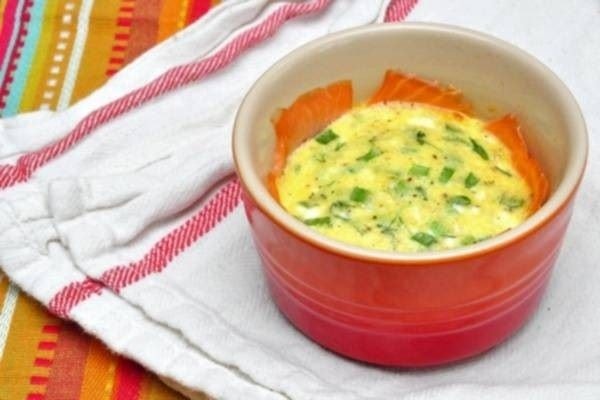 |
Steamed eggs with chives can treat allergic rhinitis. |
5. Yam and Job's Tears Porridge
Ingredient:30g of yam (Dioscorea opposita), 30g of Job's tears, 15g of lotus seeds (with the core removed), 10 jujubes, 100g of rice, all cooked into porridge.
Use:Used for people with weak spleen and stomach, fatigue, poor appetite, slow digestion, and chronic allergic rhinitis.
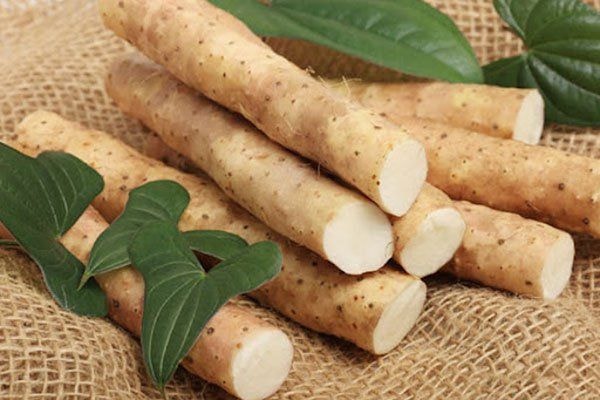 |
| Yam root helps treat allergic rhinitis. |
Above are some medicinal dishes commonly used in treating allergic rhinitis. Many other traditional Vietnamese herbs such as Houttuynia cordata, Xanthium strumarium, Lonicera japonica, Taraxacum officinale, Lantana camara, and red beetroot are also very beneficial for people with allergic rhinitis. Depending on the patient's condition and the availability of medicinal herbs, choose the most suitable dishes to achieve the best results in preventing and treating the disease.
Besides diet, people with allergic rhinitis need to maintain good nasal and oral hygiene; and use nasal drops and sprays made from the lantana plant: The lantana plant (also known as pigweed) has purple flowers, and the essential oil extracted from it is mixed with the plant to make nasal sprays for sinuses.
Self-massage of the acupoints around the nose and mouth helps to open the orifices, nourish the lungs, strengthen the spleen, and support the body's defenses against pathogens.
Maintain a positive attitude, exercise appropriately, follow medication regimen, and see a doctor when necessary.