

9 ways to protect the environment while traveling.
While the environmental impact of tourism is undeniable, tourists can make a difference through small actions.
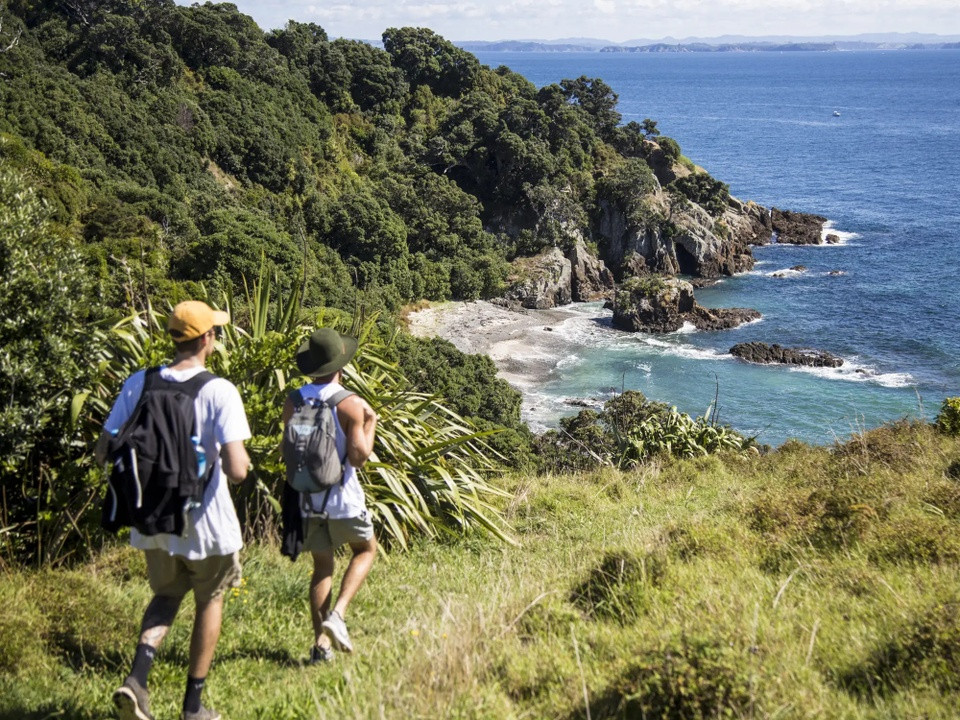 |
Photo: Nava Fedaeff/Shutterstock |
According to a 2019 report by the United Nations World Tourism Organization (UNWTO), transport-related emissions from tourism accounted for approximately 5% of total global carbon dioxide emissions in 2016 and are projected to account for 5.3% of total human-generated carbon dioxide emissions by 2030.
However, tourism experts suggest that travelers can minimize their environmental impact through simple actions. From supporting local communities to choosing alternatives to air travel, here are some helpful tips recommended by tourism and sustainable development professionals.
Travel by train instead of plane.
Although flying is always faster than traveling by train, experts suggest that tourists should choose trains instead of planes to help reduce their environmental impact.
The International Council for Clean Transport (ICCT) has reported that approximately 2.4% of global carbon dioxide emissions come from the aviation industry. According to one study, a flight emits 14 times more carbon dioxide than a train and even more than a tram.
 |
Traveling by train is more environmentally friendly than traveling by plane. Photo: Pagina/Shutterstock |
In April 2022, the French government banned short-haul flights when alternative options such as trains or buses are available for journeys of two and a half hours or less. This new regulation is part of France's overall effort to reduce carbon emissions by 40% by 2030, bringing them back to 1990 levels.
Choose a cheap flight
If your travel destination is too far or doesn't offer any train services, choosing to buy cheap plane tickets will help you contribute to environmental protection.
Explaining this issue, Scott Keyes, an expert and founder of the travel website Going, said that the high price of airline tickets indicates high demand for travel. Therefore, airlines will add more flights, and carbon emissions will increase as more aircraft are in operation.
When customers buy cheap tickets, it means that travel demand is not strong, forcing airlines to lower ticket prices to fill seats on each flight. Therefore, they don't need to create as many flights, which means a significant reduction in carbon emissions from aircraft.
Select economy class
Economy class seats occupy less space, weight, and resources on the aircraft compared to premium class seats. A typical flight might have hundreds of economy class seats, with only 50 business class seats or 10 first-class seats. Therefore, business class has fewer passengers and consequently a higher per-passenger emissions rate than economy class.
 |
Economy class cabins take up less space, weigh less, and use fewer resources. Photo: Try_my_best/Shutterstock |
According to a report from the ICCT, a business class passenger emits 2.6-4.3 times more carbon dioxide per kilometer than an economy class passenger.
Avoid single-use plastics.
According to the Natural Resources Defense Council (NRDC), the world produces 150 million tons of plastic for single-use items each year. Notably, 91% of that is not recycled. Therefore, limiting the use of these products is the optimal measure to avoid wasting resources and minimize the environmental impact of plastic production.
 |
A helpful tip for traveling is to use reusable bottles of personal hygiene products. These are compact and can be reused many times. Photo: Vadim Zakharishchev/Shutterstock |
Lea d'Aurio, founder of the ocean conservation group Oceanic Global, said tourists should not bring small-sized bottles of shampoo, conditioner, or body wash because after one use, they will become local waste or be dumped into the ocean.
She also suggested that travelers should choose hotels that have been awarded the Oceanic Global Green Standard, which certifies businesses that make efforts in sustainable development and are committed to being plastic-free.
Similarly, experts recommend that travelers bring their own water bottles to avoid using plastic bottles, cups, and disposable straws. This way, you can also save a considerable amount of money instead of spending tens of thousands of dong on a bottle of water while traveling. If traveling with family or in a group, using personal water bottles can save the group hundreds of thousands of dong per day.
Book a "green" hotel.
Rose O'Connor, founder of the travel advisory firm Wanderlust Sustainable, which helps businesses assess, develop, and promote sustainability, says: "Before you choose accommodation, do your research and look for hotels that care about or have environmental certifications."
She suggested that travelers can search for and track the sustainable tourism practices of hotels, such as how they manage waste, water, and energy consumption. Many hotels publish annual sustainability reports on their websites. The more information hotels provide, the more transparent they appear.
Additionally, there are many sustainability certifications for hotels such as Green Globes, Earthcheck, and B Corp that travelers can refer to.
Walk or bike when traveling.
Another way to help reduce carbon dioxide emissions is to limit the use of vehicles that produce emissions. According to a report by the Sierra Club, motor vehicles use approximately 8.2 billion liters of gasoline annually, with jet skis and recreational boats accounting for 5.1 billion liters, ATVs 2.1 billion liters, snowmobiles 695 million liters, and off-road motorcycles 321 million liters.
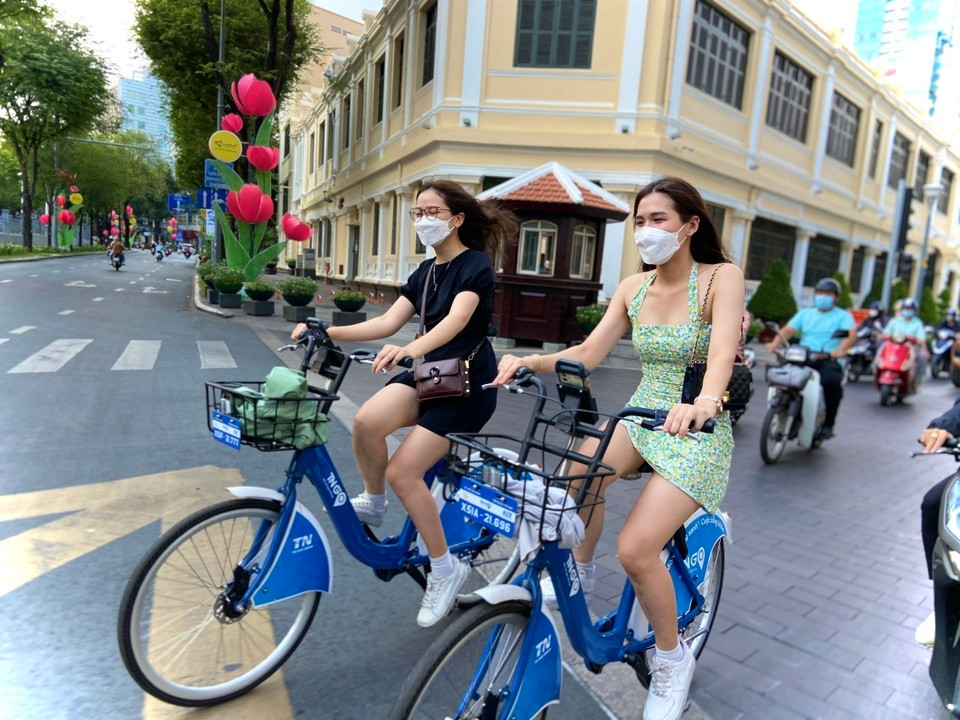 |
Cycling is a fun experience when traveling. Photo: Thu Tran |
In addition, walking or cycling offers visitors a more enjoyable experience of the local culture. Moving at a slow pace allows you to discover many surprises at the attractions. It's also a great form of exercise and will make you hungry so you can try all the local food.
Participate in local community activities.
Experts say that one of the most enjoyable parts of traveling is appreciating the unique aspects of the local environment. Spending on these activities also contributes to the development of the local economy, providing them with the resources to protect and maintain a clean and beautiful environment.
O'Connor advises travelers to avoid hotels and resorts that are isolated and have no connection to the surrounding community.
"These hotels often evoke the feeling that you could stay anywhere in the world, compared to the specific location you're actually visiting. Leaving aside the environmental impact, staying in such hotels doesn't create cultural exchange value during travel," she said.
Instead, O'Connor advises tourists to experience local culture, such as taking cooking classes with locals or trying their hand at handicrafts.
Eat local food.
O'Connor said that enjoying locally sourced food is a "small act that brings lasting value."
Eating local food not only allows tourists to enjoy fresh, delicious food but also helps support the local supply chain, ensuring that the money you spend on food stays with the local community.
 |
Choosing locally sourced plants will have less impact on the environment. Photo: MikeDotta/Shutterstock |
Additionally, you might consider reducing your meat intake and adhering to a healthy diet. According to a study published in the journal Nature, global greenhouse gas emissions from animal production and transportation are twice as high as those from plant-based foods.
Don't buy unnecessary things.
While shopping benefits the local community, you can further reduce your impact by avoiding unnecessary purchases while traveling.
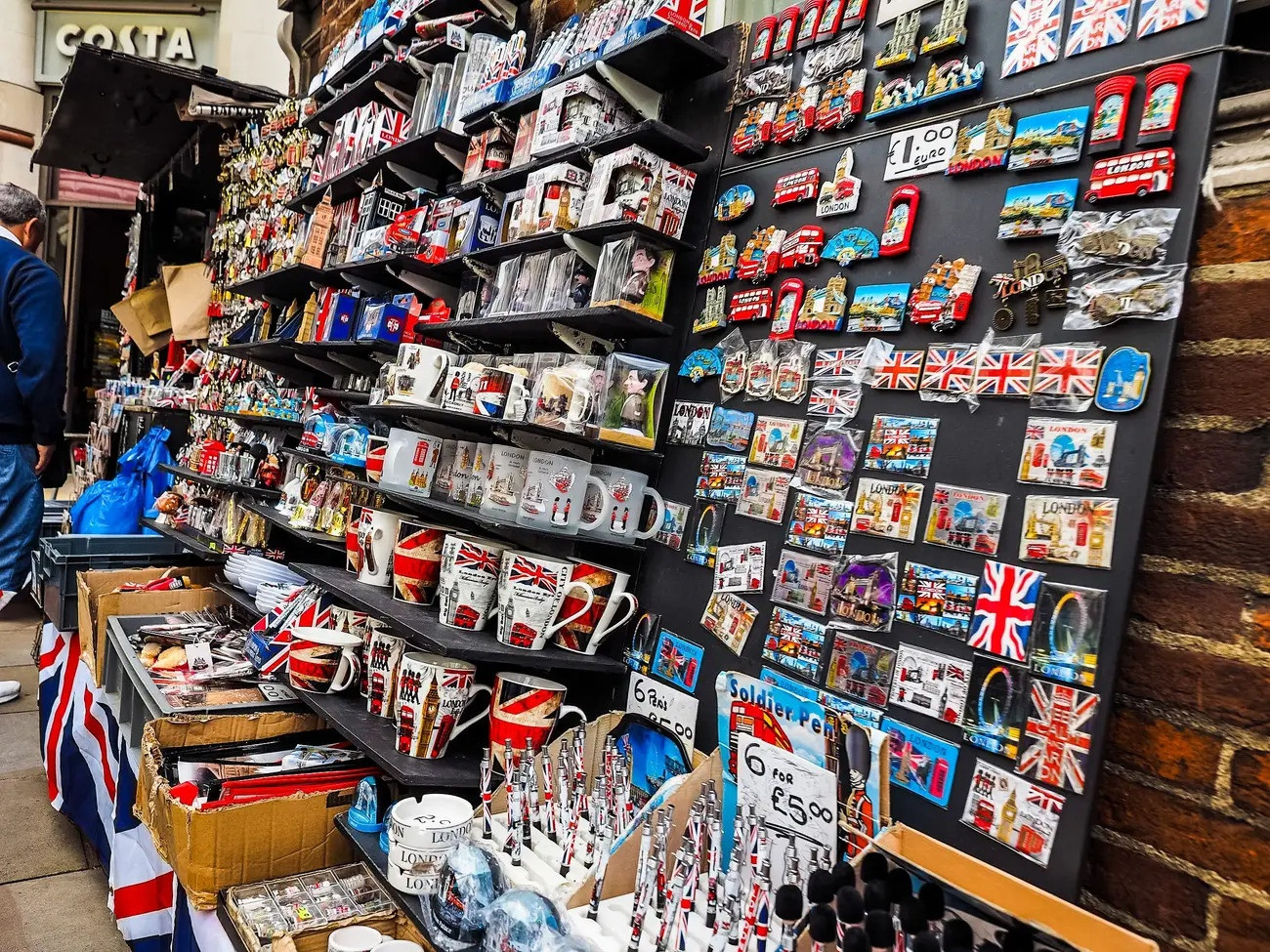 |
Sustainability experts advise travelers to reconsider using tourism as an excuse for shopping. Photo: Claudio Divizia/Shutterstock |
Traveling offers opportunities to shop for local products; however, if you buy things you don't really need for frequent use, those items may end up as waste in the future.
Keyes advises travelers to focus on local experiences, creating beautiful memories that are far more enjoyable than spending money on impractical products.