

Many medical facilities in Nghe An lack ambulances.
(Baonghean.vn) - Currently, many medical facilities in the province are lacking ambulances for transporting patients in emergency situations. Despite having been allocated budgets for purchasing them, these facilities are unable to acquire them.
Shortage of vehicles because "no one showed up for the bidding process."
Recently, several local health centers in the province have reported to relevant authorities about the shortage of ambulances for transporting patients in emergency situations; they need more attention to resolve the obstacles in the procurement process.
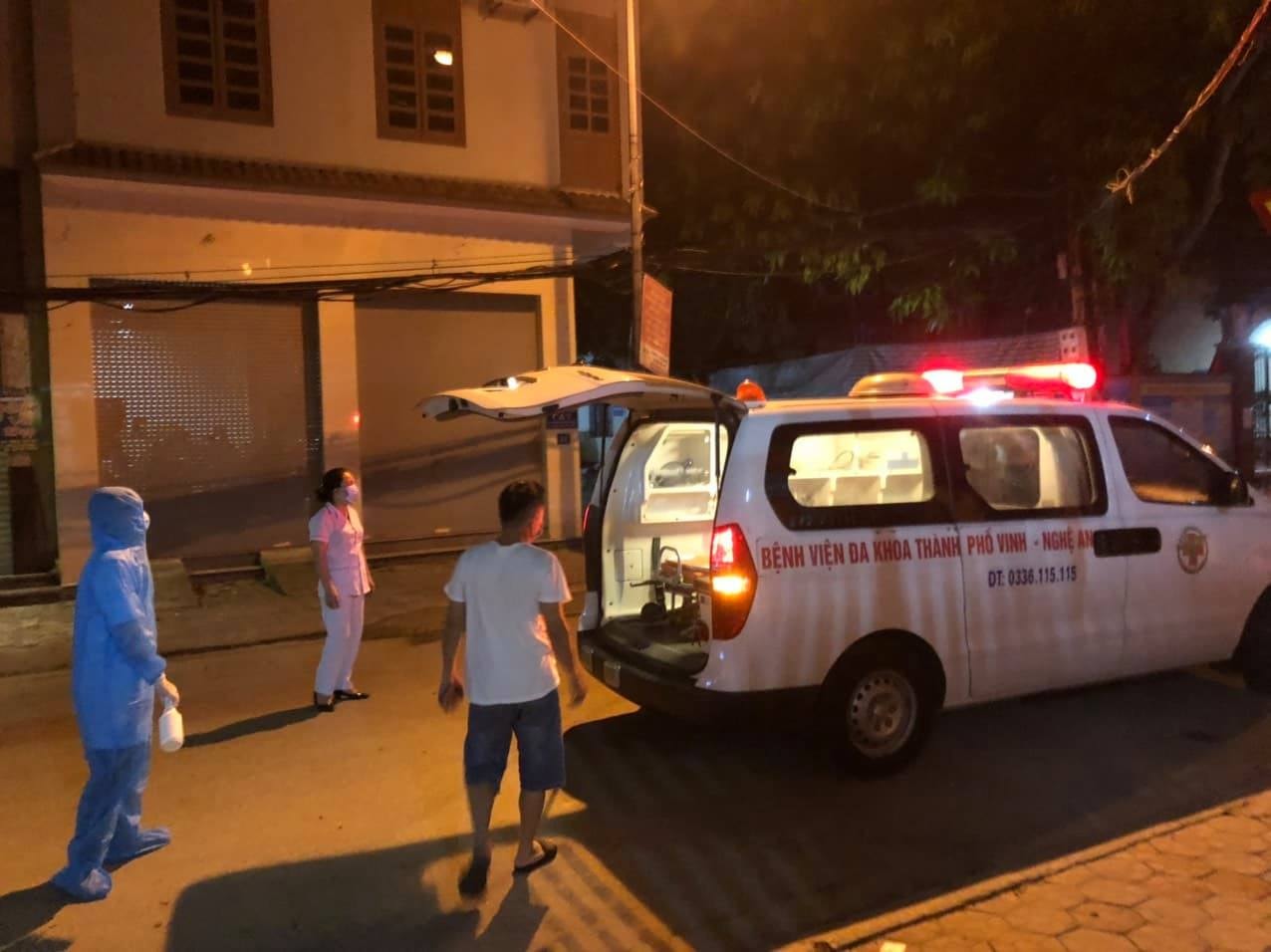 |
Ambulances are a crucial type of specialized transport in healthcare, meeting the need for timely emergency care and protecting people's health. (Photo: Archival material) |
Dr. Dang Tan Minh, Director of the Quy Chau District Health Center, said: In 2021, the center proposed purchasing an ambulance to serve emergency patients in the area. The Quy Chau District People's Committee issued Decision No. 4385/QD-UBND dated December 22, 2021, supplementing the 2021 state budget with 800 million VND for the purchase. In addition, the center also received Decision No. 142/QD-TTYT allocating 50 million VND from its operational development fund to further contribute to the ambulance purchase.
In the third quarter of 2022, the District Health Center completed the procedures to transfer the procurement of ambulances to the Center for Financial Support and Consulting (Nghe An Provincial Department of Finance) for centralized procurement through online open bidding. However, no units participated in this centralized procurement of ambulances, so at the end of 2022, the funds had to be returned to the budget.
“The province only allocated 850 million VND for ambulances in Quy Chau district and other districts. However, no manufacturer produces ambulances costing 850 million VND; they cost at least 1.2 billion VND. The inability to purchase ambulances has caused significant difficulties for the center's operations. This is also a major disadvantage for transporting patients in the emergency room,” Dr. Dang Tan Minh stated.
Similarly, the ambulance at the Que Phong District Health Center, provided by the project in 2012, has broken down and lacks replacement parts, significantly impacting patient emergency care. In 2022, the center was authorized by the Provincial People's Committee to purchase a new ambulance (valued at 850 million VND). The Department of Health completed all necessary procedures, but the centralized bidding process failed due to a lack of participating units.
Dr. Lang Van, Director of the Que Phong District Health Center, shared: "We received feedback that no units participated in the two bidding rounds. Currently, there are no vehicles on the market that fully meet the required configuration at the price of 850 million VND. The District Health Center has also sent a document to the Department of Health requesting guidance on how to resolve this issue."
It's not just the Medical Centers of Que Phong and Quy Chau districts; in 2022, many other medical units in the province were unable to purchase ambulances for the same reason. According to statistics from the Nghe An Department of Finance, in 2022, the entire province invited bids for 11 specialized vehicles. After announcing the bidding process 3-4 times as required, only 1 vehicle was awarded (by the Forestry Department), while 10 vehicles received no bids.
This needs attention and resolution.
Ambulances are a crucial type of specialized transport in medical examination and treatment, meeting the need for timely emergency care and protecting people's health. In Nghe An, there are currently two types of ambulances: those managed by medical facilities and those belonging to organizations and individuals. According to the Department of Health, as of the end of 2022, Nghe An had 107 ambulances managed by hospitals and medical centers, equipped with full priority lights and sirens. Approximately 200 ambulances belonged to organizations and individuals (not under the management of the Department of Health).
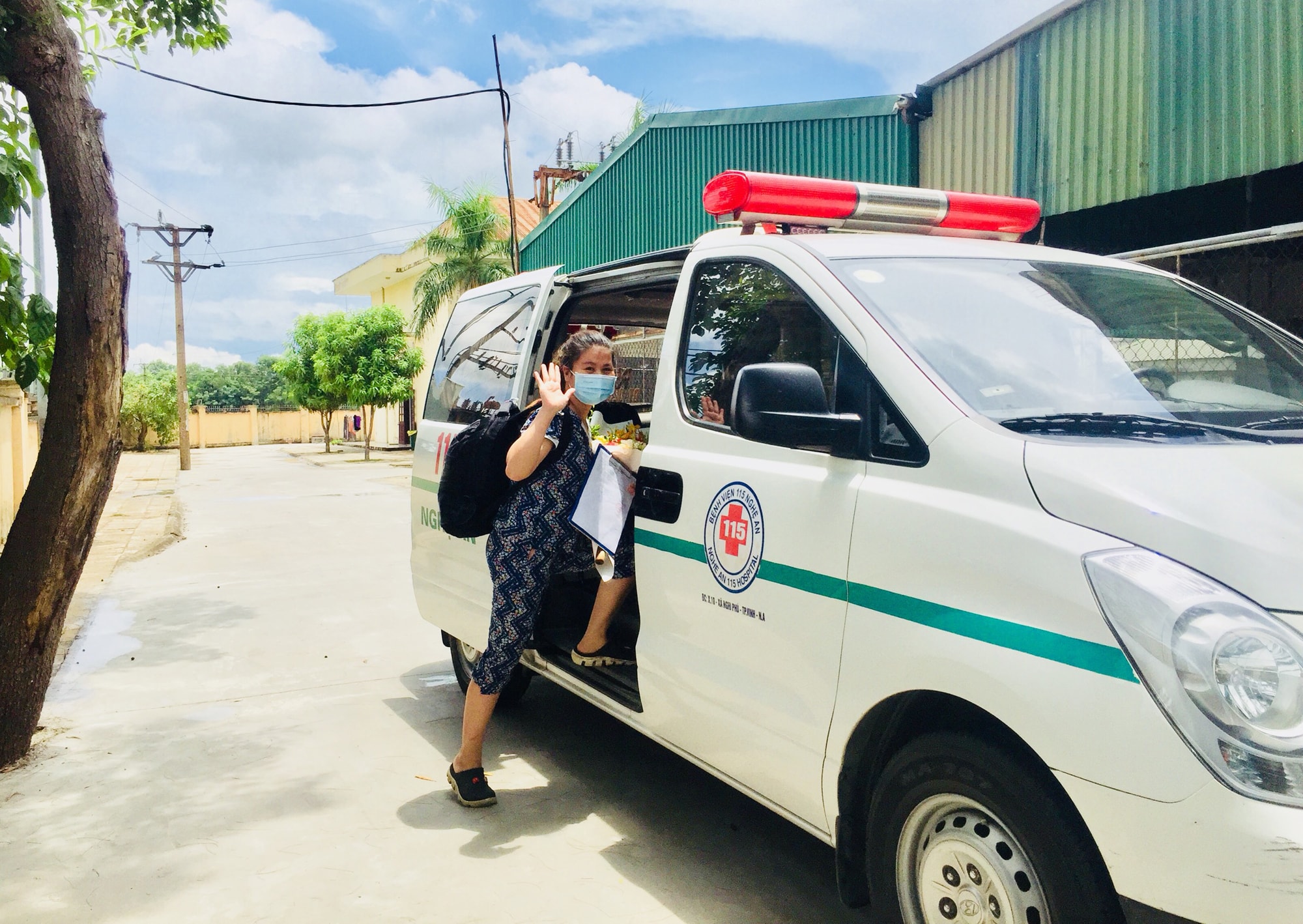 |
Authorities at all levels need to create conditions for medical facilities to procure supplies, ensuring they meet the needs of emergency patient care. (Photo: Archival material) |
The difference between these two types of ambulances lies not only in the license, flashing lights, and sirens, but also in the technical requirements and personnel involved. Most ambulances belonging to organizations and individuals lack the necessary medical equipment for emergency patient transport and do not have medical personnel accompanying them when transferring patients to other hospitals in critical condition.
According to the general assessment of the health sector, the current number of ambulances allocated to medical facilities is insufficient to meet the needs of patient transportation. The shortage of ambulances is not only a problem at district-level clinics and hospitals but also at large hospitals.
Faced with a shortage of ambulances, many medical units in the province have had to "rent" ambulances from organizations and individuals to meet their operational needs. Dr. Pham Dinh Luyen, Director of the Quy Hop District Health Center, said: Currently, the center has one ambulance. This is an ambulance that the district secured many years ago. To ensure operation, the center has also partnered with an external ambulance to serve emergency patients, especially during the peak of the Covid-19 pandemic. However, the "rented" ambulance is rarely used due to disagreements over its use.
With the current number of vehicles, the emergency transport services of the Quy Hop District Health Center only ensure the transportation of emergency patients from health stations to the district and from the district to the province, but cannot yet transport patients back home. The center's ambulances operate almost 24 hours a day. The center has also proposed to the Department of Health to allocate vehicles under a project program, but has not yet been able to purchase them.
In reality, organizing transportation services in partnership with individuals and businesses to transport patients carries many risks. In recent years, there have been many incidents in Nghe An where vehicles belonging to organizations and individuals have exploited the image of the public.ambulanceTrafficking in prohibited goods; ambulance drivers fighting and brawling while transporting patients; ambulance drivers getting lost and arriving late, causing a woman who had just given birth to die, allegedly due to a lack of timely emergency care… These incidents have distorted the image of the medical profession and healthcare facilities.
Dr. Nguyen Van Thuong, Deputy Director of the Nghe An Department of Health, stated: Given this situation, it is clear that relevant levels, sectors, and units need to conduct thorough assessments to promptly consider increasing the ambulance quota; creating conditions for medical facilities to purchase ambulances, ensuring the needs of emergency patient care are met… Local authorities also need to prioritize budget allocation for healthcare activities in general and ambulance procurement in particular. At the same time, they should encourage and appeal to philanthropists to donate.ambulancefor healthcare units./.