

Issues surrounding apartment maintenance fees in Vinh City
(Baonghean.vn) - Currently, the handover of apartment building maintenance fees in Vinh City still faces many obstacles, as many buildings have not yet established management boards, and developers are avoiding handing over these fees. Residents also demand that the use of maintenance fees be transparent and accountable.
Many obstacles
According to the Housing Law of 2014, after a condominium building has elected a Management Board, the developer is responsible for transferring all maintenance fees to the Management Board to carry out the maintenance and repair of common areas in the condominium building.
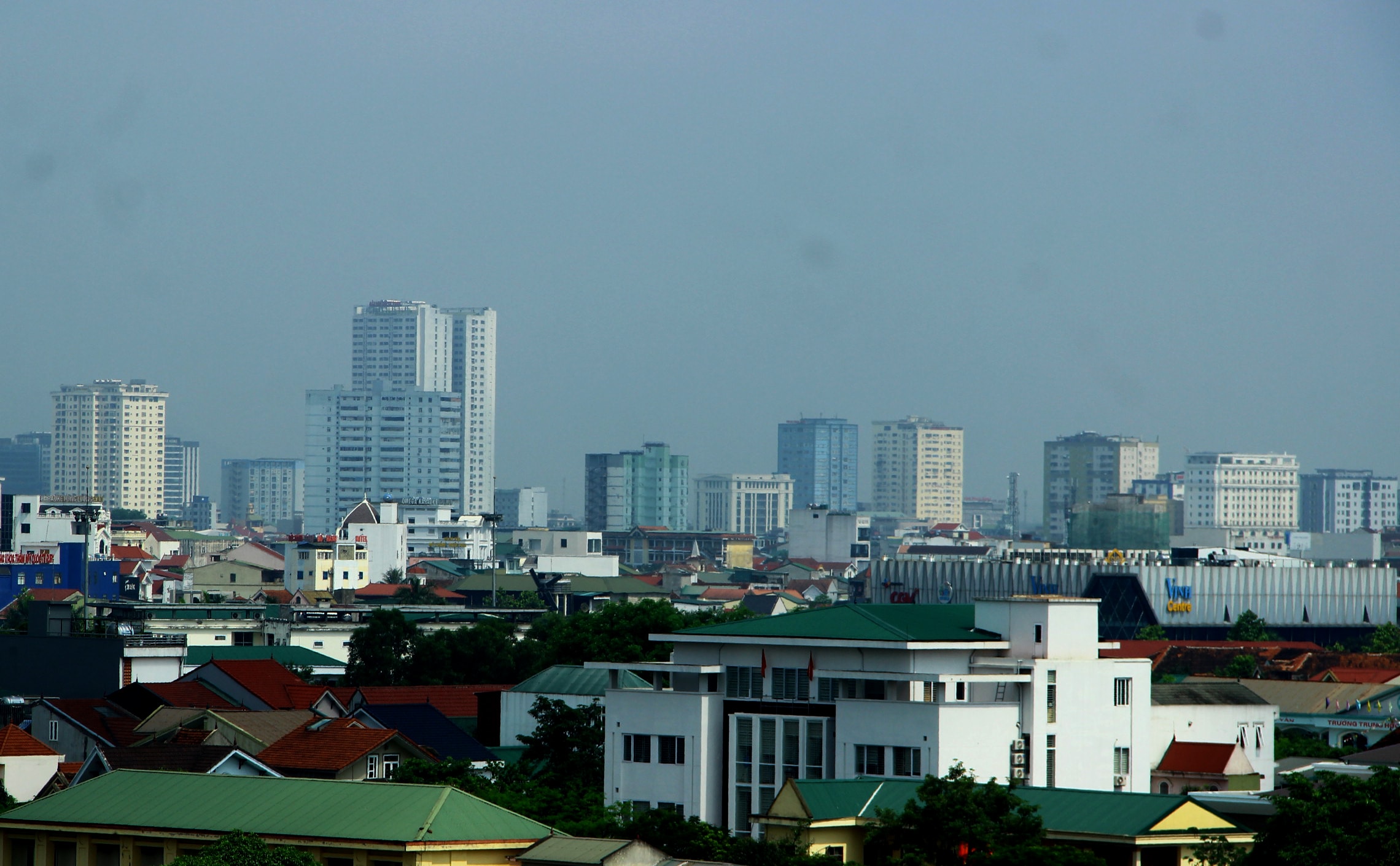 |
Many apartment buildings in Nghe An province have not yet established a Management Board. Photo: QA |
However, in reality, the handoverapartment maintenance feesMany shortcomings still exist in Nghe An province. One of them is that many apartment buildings have not yet established a Management Board to operate the building, and therefore, the funds have not been handed over. Data from the Urban Management Department of Vinh City shows that, to date, the entire city still has 21 apartment buildings without established Management Boards for various reasons, such as residents' reluctance to participate, inability to arrange time, and unclear compensation for the Management Board…
For example, in Ben Thuy ward, there are three apartment buildings, including Ben Thuy, Trung Do Cooperative, and Gia Thinh Phat, but to date, none of them have established a Management Board. Mr. Nguyen Xuan Huan, Chairman of the Ben Thuy Ward People's Committee, said: "These apartment buildings have held meetings many times to elect a Management Board, however, they could not agree on the selection of people or the criteria, so none of the buildings have a Management Board. The ward has also requested and urged them many times, but without results."
 |
Quang Trung Ward has the highest number of apartment buildings in Vinh City. Photo: QA |
Quang Trung Ward has the highest number of apartment buildings in Vinh City, with 22 buildings, but only a handful have established management boards. Therefore, maintenance fees are still held by the developers and have not yet been handed over.
On the other hand, there are cases where apartment buildings have established a Management Board, but the developer deliberately avoids handing over the maintenance fees in full as required by regulations.
For example, at the Truong Thi Petroleum Apartment Building in Truong Thi Ward, a Management Board was established in 2018 with 5 members, including 4 residents and 1 from the developer. To date, the developer has not yet handed over all maintenance fees to the Management Board, while many parts of the building have begun to deteriorate.
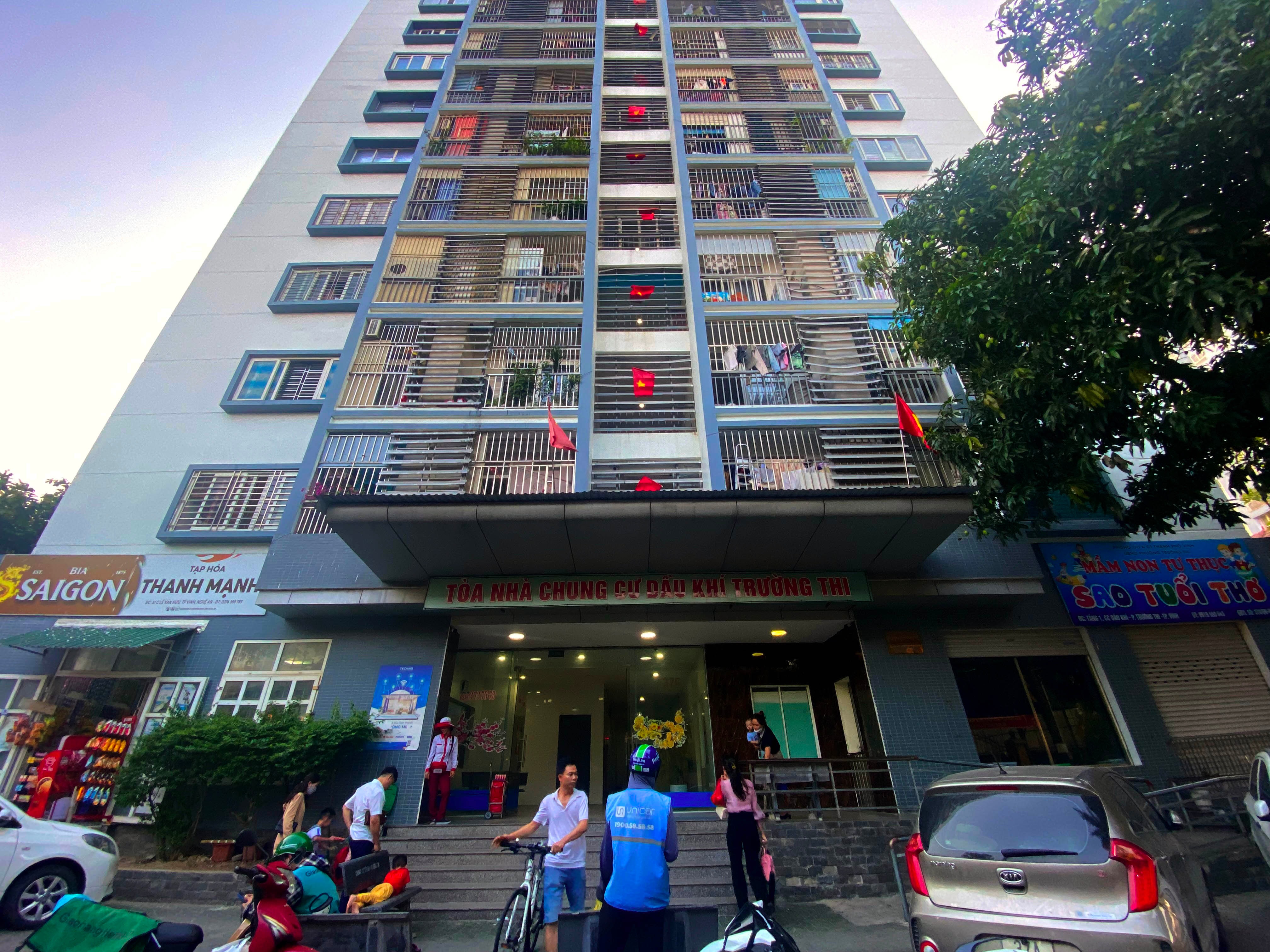 |
| The developer of the Truong Thi Petroleum Apartment building is avoiding handing over maintenance fees to the Management Board. Photo: QA |
According to the building management board, the developer has only handed over approximately 500 million VND so far, still owing 1.1 billion VND in maintenance fees. This is the amount that residents contributed for the maintenance and upkeep of the apartment building, but the developer has repeatedly delayed handing it over to the management board for repairs, causing the building's components to deteriorate further.
On April 7, 2023, the Management Board of Truong Thi Petroleum Apartment Building submitted a petition to the People's Committee of Nghe An Province, the Provincial Police, and the People's Committee of Vinh City regarding the apartment building's developer's deliberate delay and avoidance of paying maintenance fees as stipulated. The petition stated that although the developer had committed to handing over the maintenance fees (nearly 1.1 billion VND) by November 30, 2022, the developer has yet to cooperate or respond to the Management Board regarding their payment plan.
Mr. Nguyen Duc Kiem, Head of the Management Board of Truong Thi Petroleum Apartment Building, expressed his frustration: In 2022, after 12 years of operation, the building showed signs of deterioration, with paint peeling off the entire exterior surface. Because they couldn't get funding from the investor, residents had to contribute money themselves, each household paying between 2 and 5 million VND to hire painters to repaint the building. This item is included in the maintenance fee and should be included in the building's expenses, but because the investor refused to pay, they had to call on residents to contribute, despite their strong dissatisfaction.
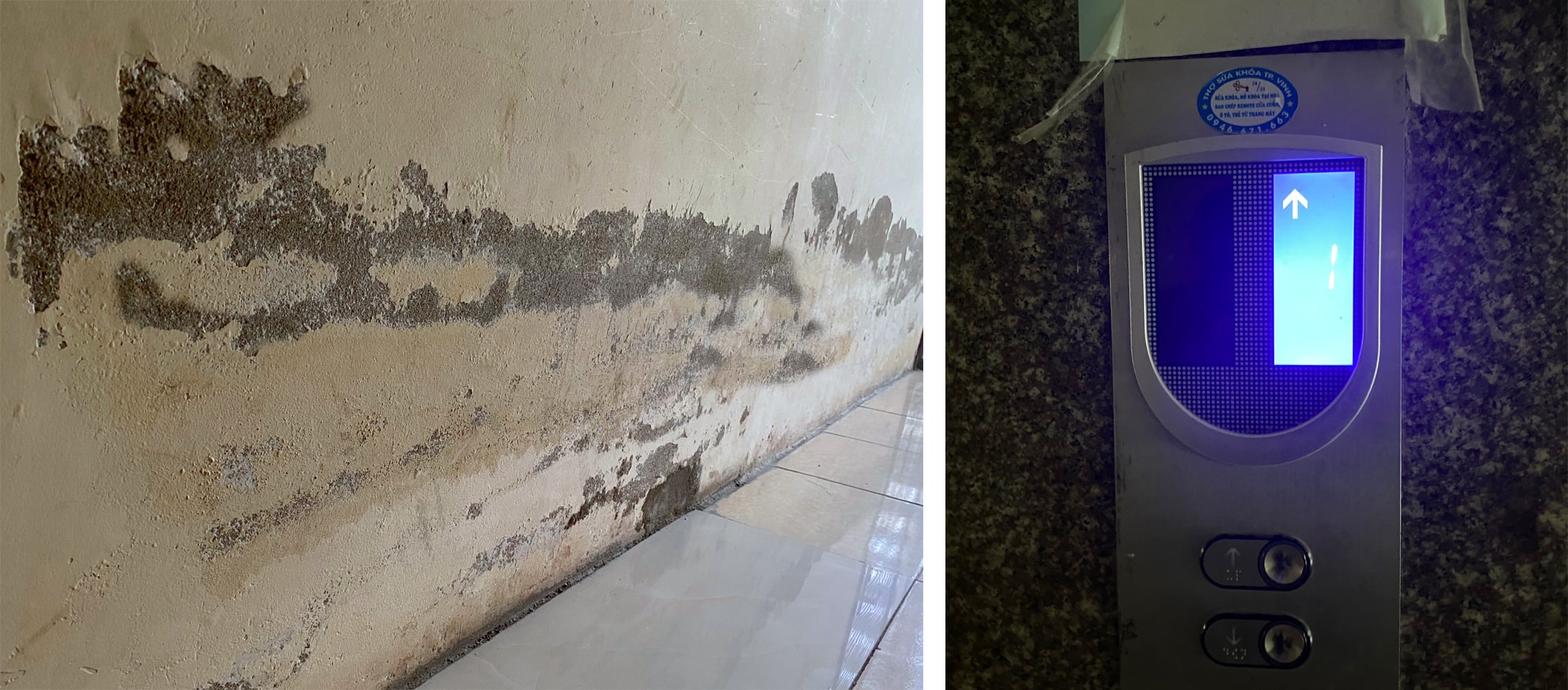 |
| The corridor walls of the Truong Thi Petroleum Apartment building are peeling, and the elevators are frequently malfunctioning. Photo: QA |
A similar situation is occurring at Trung Duc apartment building, which established a Management Board in early 2022. However, the developer is deliberately refusing to hand over the maintenance fees, even though some parts of the building are deteriorating and need repair. Mr. Nguyen Anh Tuan, representing the building's Management Board, stated: "After months of submitting petitions, the developer finally handed over nearly 3.8 billion VND in maintenance fees contributed by residents. However, they are still avoiding handing over the portion of the fees that the developer is also obligated to contribute, as required. We have now worked with several law firms to submit petitions to the relevant authorities, demanding that the developer fulfill its responsibilities."
In reality, in Vinh City, there are still apartment building developers who have not fully handed over maintenance fees to the Management Board as required. Mr. Hoang Manh Cuong, Vice Chairman of the People's Committee of Vinh Tan Ward, said: There are currently 10 apartment buildings in the ward, of which 9 have established management boards. Of these, the developers of 4 buildings have basically handed over the maintenance fees to the management board, while the remaining 5 buildings have not fully handed over the fees, affecting the maintenance and repair of common areas of the building.
Transparency is needed in the use of maintenance fees.
Currently, a segment of residents living in apartment buildings, despite paying maintenance fees, pay no attention to who manages these fees or how they are used. Many even confuse maintenance fees with monthly apartment service fees calculated based on the area of each apartment.
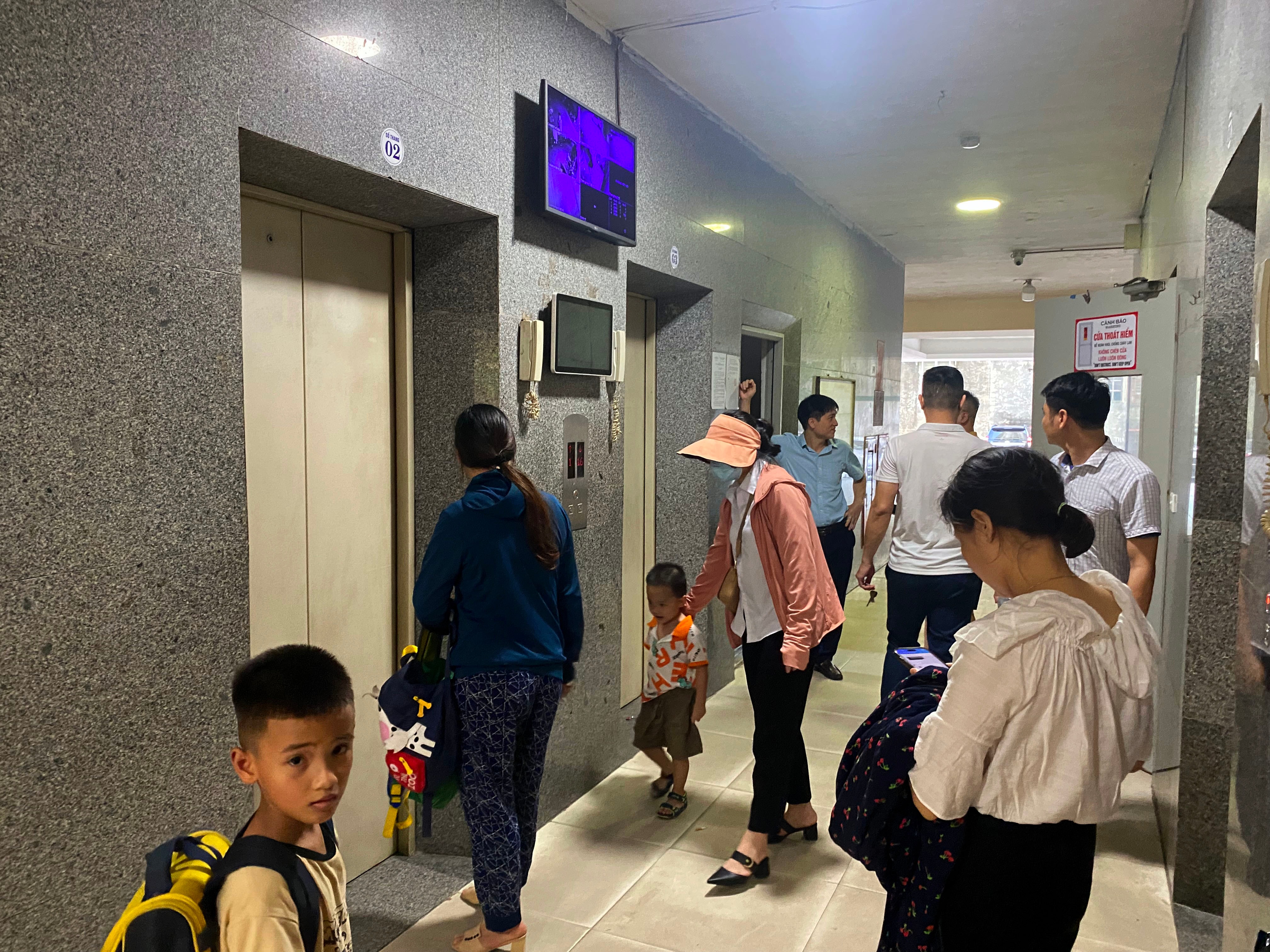 |
The elevators in the Glory Palace apartment building are constantly malfunctioning, causing frustration among residents. Photo: QA |
At Glory Palace apartment building on Cao Huy Dinh Street, Vinh City, many items have been continuously deteriorating and damaged over time, especially the elevators and the peeling floor in the corridors. Notably, despite having a Management Board established seven years ago, its operation has been ineffective. Some members have moved elsewhere, resulting in the maintenance fees not being handed over, and the developer is currently holding them. Whenever a section is damaged, the developer mobilizes workers to repair it. However, according to residents, they have no idea how much the repair costs are, where the funds come from, or whether the developer is using the 2% maintenance fee contributed by residents that the developer is holding.
At Tan Phuc apartment building in Vinh Tan ward, the payment statement for apartment maintenance fees from 2011 to 2021 shows over 790 million VND, but some payment vouchers only state the amount as "Payment for Tan Phuc apartment building maintenance fees," without specifying what repairs or maintenance items were paid for, or the extent of deterioration. This has caused considerable concern among residents.
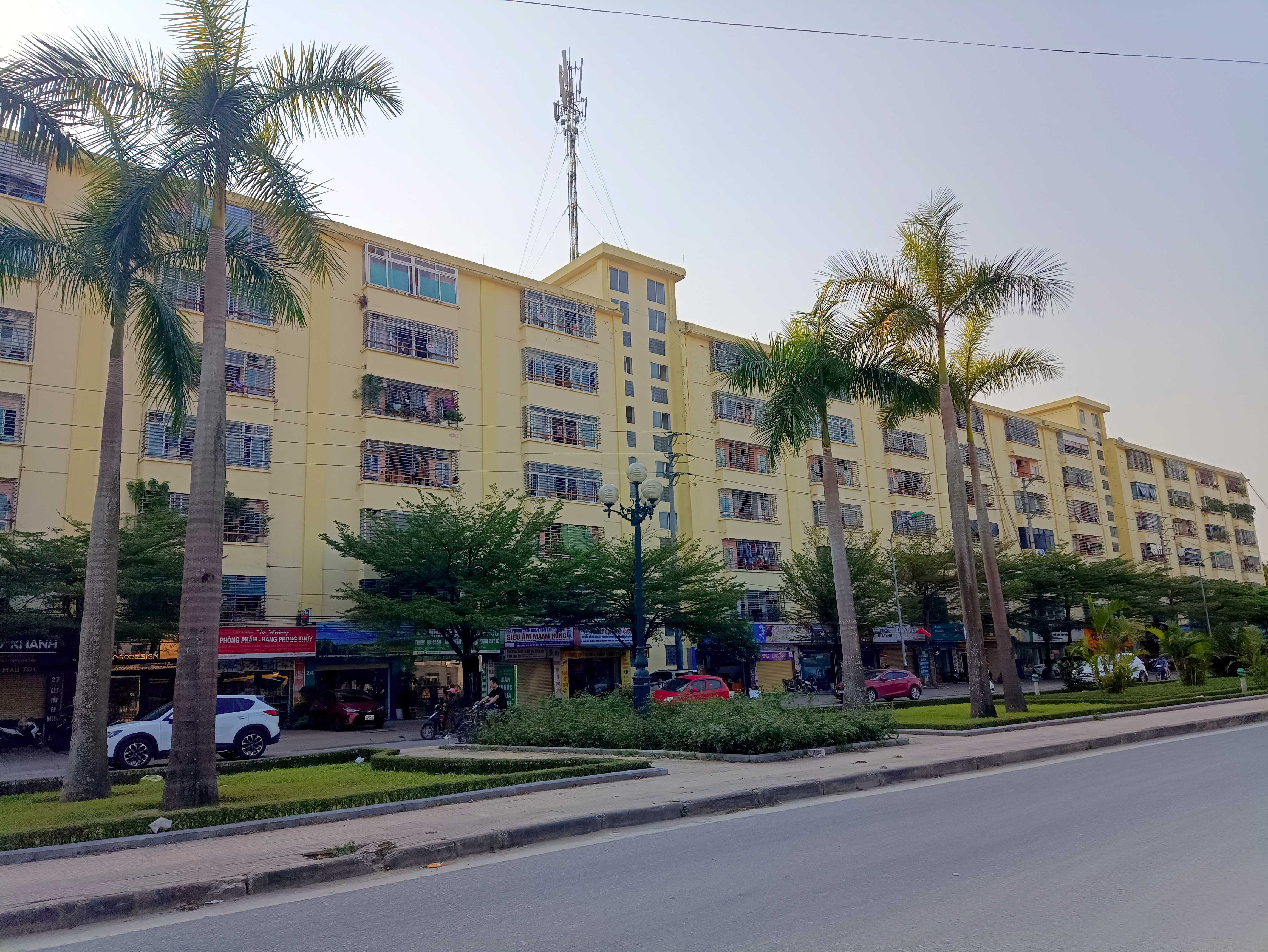 |
Tan Phuc Apartment building is located on Le Mao Street (Vinh City). Photo: QA |
According to the 2014 Housing Law, the Management Board of a condominium is responsible for managing and using maintenance funds for the intended purpose and for the specific maintenance items as planned and approved annually by the condominium owners' meeting. The use of maintenance funds must be supported by financial invoices, payments, and settlements in accordance with financial laws, and must be reported to the condominium owners' meeting. However, in recent times, the lack of transparency in the use of condominium maintenance fees has persisted in many condominiums, causing conflicts between residents and the Management Board.
Currently, residents of apartment buildings are hoping that developers will promptly hand over maintenance fees to the Management Board for proper use in maintaining and repairing dilapidated facilities. At the same time, the Management Board, elected by residents, must possess genuine management expertise, responsibility, transparent financial management, and transparency in revenue and expenditure, ensuring that residents are fully informed. Residents also request that relevant authorities strengthen supervision and strictly penalize developers and Management Boards that fail to hand over maintenance fees or use them in an opaque or improper manner.
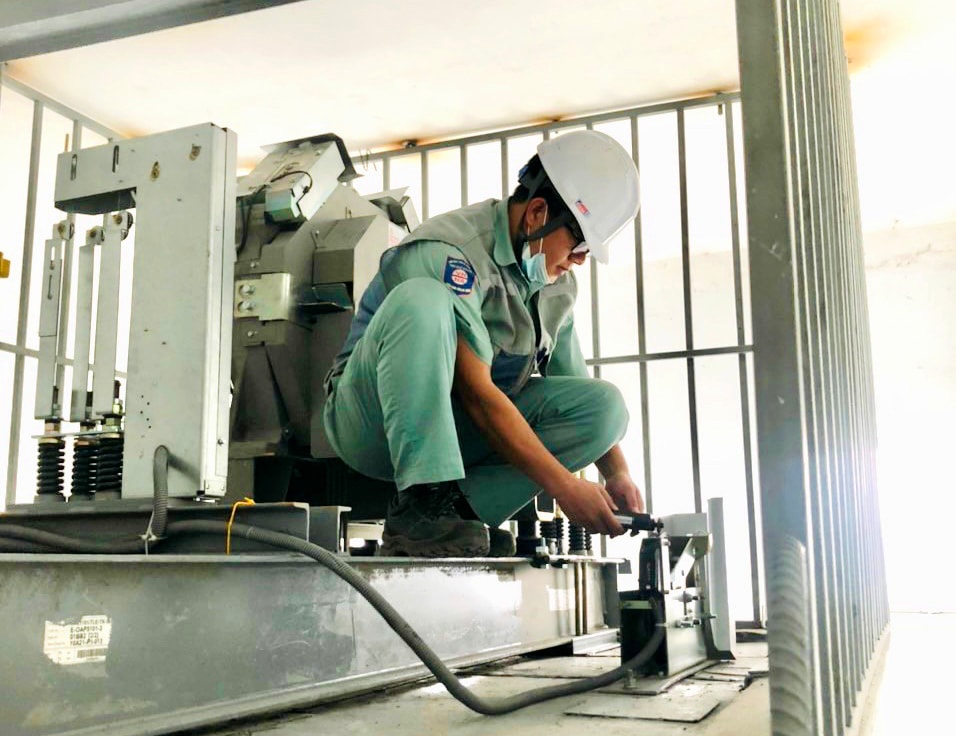 |
Apartment maintenance fees are used to maintain and repair common areas of the building such as elevators, fire protection systems, etc. Photo: QA |
A representative from the Housing and Real Estate Management Department of the Nghe An Department of Construction stated: Maintenance fees are one of the pressing issues, potentially leading to disputes between residents and investors in current apartment buildings. Therefore, since November 2022, the Provincial People's Committee has established an inter-agency team, led by the Department of Construction, to review and inspect the compliance with regulations on the operation and management of apartment buildings after investment, including issues related to maintenance fees. The team is currently conducting inspections and collecting data and will report to the Provincial People's Committee in the near future.