

Be wary of insect bites and rashes in the summer.
Hot and humid weather creates favorable conditions for insects to thrive. Therefore, while working, playing, etc., people are easily injured by insect bites and stings.
Insect bites come in many forms, making them difficult to distinguish, and some can be dangerous, so proper treatment and prevention are essential.
Common types of insects
- Mosquito :There are many species of mosquitoes in tropical climates; some only bite without transmitting disease, while others transmit diseases such as dengue fever and malaria.
After being bitten by mosquitoes, many people experience itching and red rashes, leading to constant scratching. This damages the epidermis, resulting in inflammation.
Afterward, the skin in that area becomes hyperpigmented, darker than other areas once the inflammation subsides. This hyperpigmentation is also known as a dark scar.
This condition is more severe in people with eczema, as the lesions will be more itchy. In cases where the skin is considered "healthy," the rash will disappear after a few hours and usually does not leave scars.
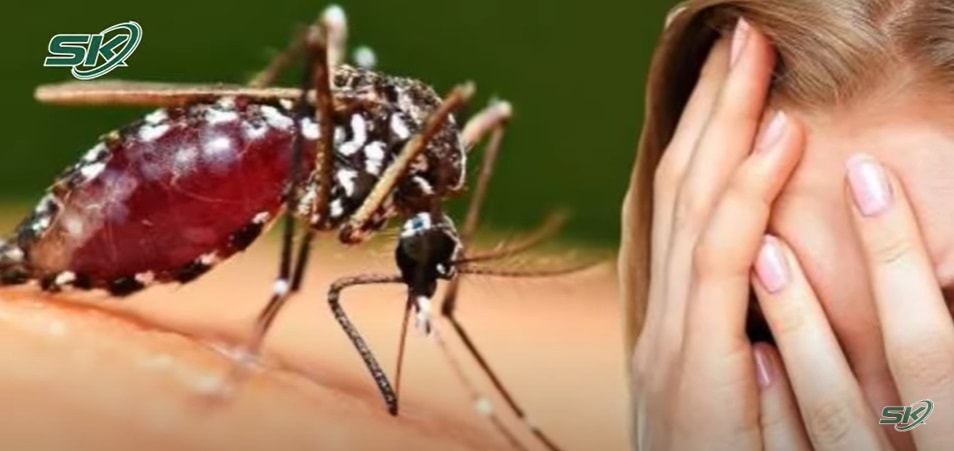 |
Mosquito bites can transmit diseases such as dengue fever and malaria. |
- Bed bugs:They usually hide in the crevices of household items, and after biting, they return to their hiding places. Symptoms of bed bug bites include: Small bumps (3-5 spots) that gradually enlarge and turn red. These bumps often appear on the hands, arms, shoulders, neck, face, and legs; the bumps are itchy and may be accompanied by blisters.
ButFleas:They commonly parasitize household pets: dogs, cats, etc.
Fleas bite humans to suck blood, causing itchy rashes. In Vietnam, dog fleas and cat fleas (Ctenocephalides felis, Ctenocephalides canis) are commonly encountered.
The lesions are serous papules, 1-2 mm in size, raised above the skin surface, with small vesicles at the apex, and are very itchy. In severe cases, diffuse redness and inflammation may be seen around the papules.
The lesions commonly occur on exposed skin or in areas of skin that come into direct contact with the animal when hugging or carrying it, such as the neck, face, hands, feet, and around the waist.
In addition, fleas can be intermediate hosts for several diseases. The Oriental flea (Xenopsylla cheopis) transmits several epidemic diseases, including feline typhus, from rats to humans. Cat and dog fleas transmit tapeworm disease from one host to another…
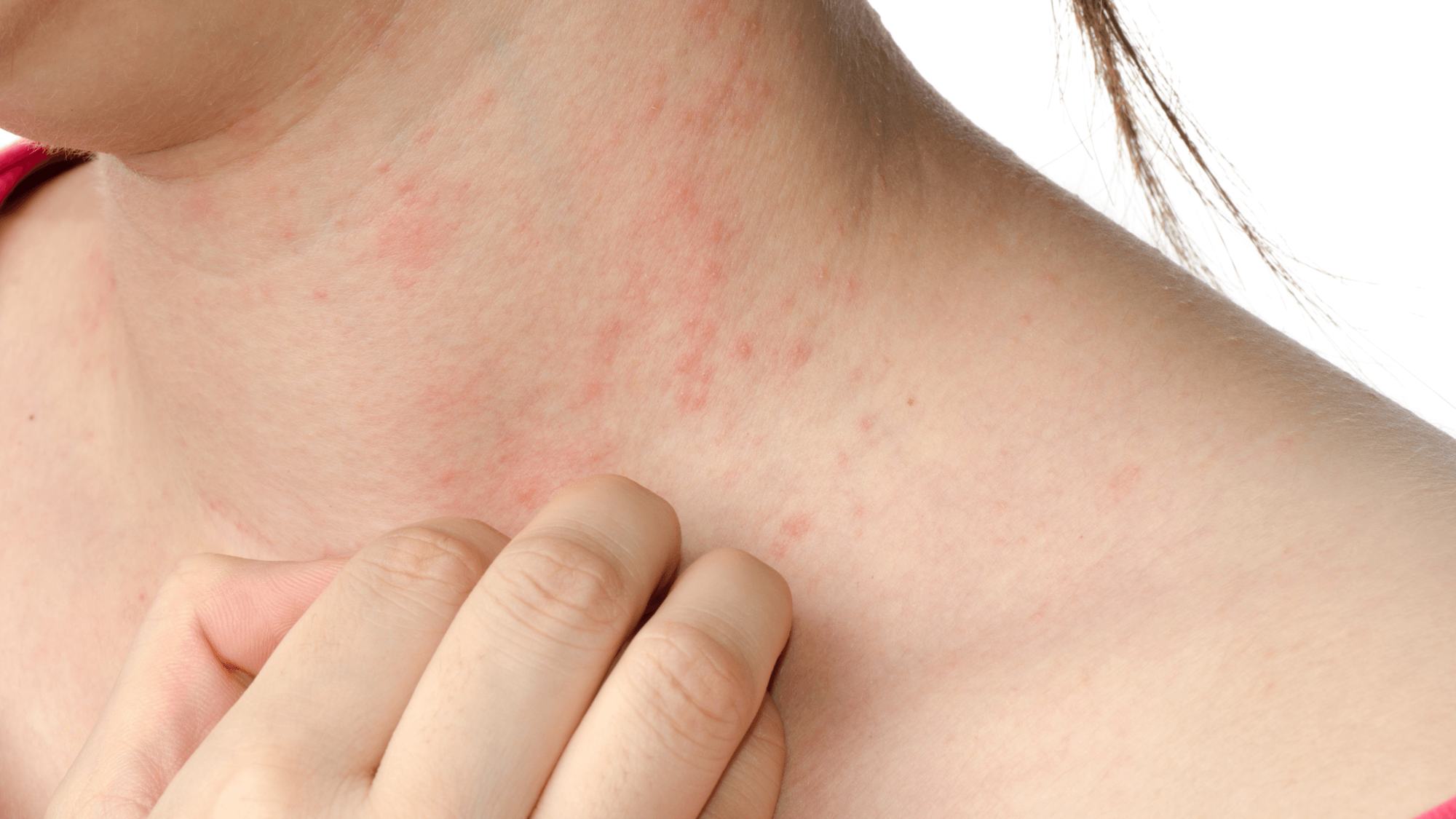 |
Insect bites typically cause redness and inflammation; in the early stages, a bite mark may be visible in the center of the lesion. |
Identifying insect bites and how to treat them.
The insect bite site is usually inflamed and reddened; in the early stages, a bite mark may be visible in the center of the lesion. Later, the lesion gradually forms a serous papule or nodule. Patients who are frequently bitten experience intense itching, especially in exposed areas such as the lower extremities, forearms, and face; bites can also occur on the back and chest during bathing.
After being bitten, a needle-like spot may bleed, and within 5-30 minutes, a raised bump resembling a mosquito bite may appear; in some cases, it may swell up like a bee sting and itch.
The papules last 3-6 hours, sometimes 7-10 days; the more you scratch, the itchier they become, and the more prominent they become. Scratching can cause abrasions, leading to bacterial infection with pus and scabs, which heal leaving dark scars. About 10% of the papules gradually become hard and thickened, forming nodules the size of a pea or corn kernel. Sometimes, the papules cluster together, becoming lichenified, intensely itchy, and persistent.
Treatment varies depending on the severity of the injury.
Local treatment: For mild initial itching, gently squeeze out the affected area to draw blood, apply 1% iodine alcohol, use medicated oil, rub mugwort leaves, etc., on the affected area, and avoid scratching to prevent infection.
In severe cases, antibiotic creams or ointments, or corticosteroids, should be applied to reduce itching and prevent infection. If there are many bites, antihistamines or low-dose corticosteroids may be prescribed as directed by a doctor.
If a patient shows signs of an allergic reaction to insect venom, such as fever, difficulty breathing, or a generalized hives, they need immediate medical attention.
Doctor's advice
The following simple measures can help prevent insects, especially during the summer months: regularly cleaning houses, belongings, and pets.
Spray insecticide to kill mosquitoes and other insects inside and around your home. You can also use products to prevent insect bites on your skin.
When traveling or picnicking, cover your body with clothing, hats, socks, and gloves when entering areas with a high risk of insect bites. Avoid using perfume and wearing light-colored clothing to reduce the risk of bee stings.
Control odors at picnics, as trash can attract insects.
In homes and communities, it's important to maintain cleanliness and prevent stagnant water sources that attract mosquitoes. Good personal and household hygiene should be practiced, and regular checks and extermination of fleas on cats, dogs, and other household pets are crucial.