

Why has the price of chicken meat dropped in Nghe An province?
(Baonghean.vn) - The price of broiler chickens, which was previously over 50,000 VND/kg, has dropped to only 40,000 VND/kg, causing severe losses for poultry farmers in Nghe An province.
The "chicken capital" has fallen.
Mr. Pham Van Chinh, residing in Nhan Tien hamlet, Tien Thanh commune (Yen Thanh district) - the owner of a large chicken farm in the area - has been enduring losses since last year. Despite the losses, he still has to restock his flock because investing in chicken coops is very expensive, and if left unused, they deteriorate very quickly.
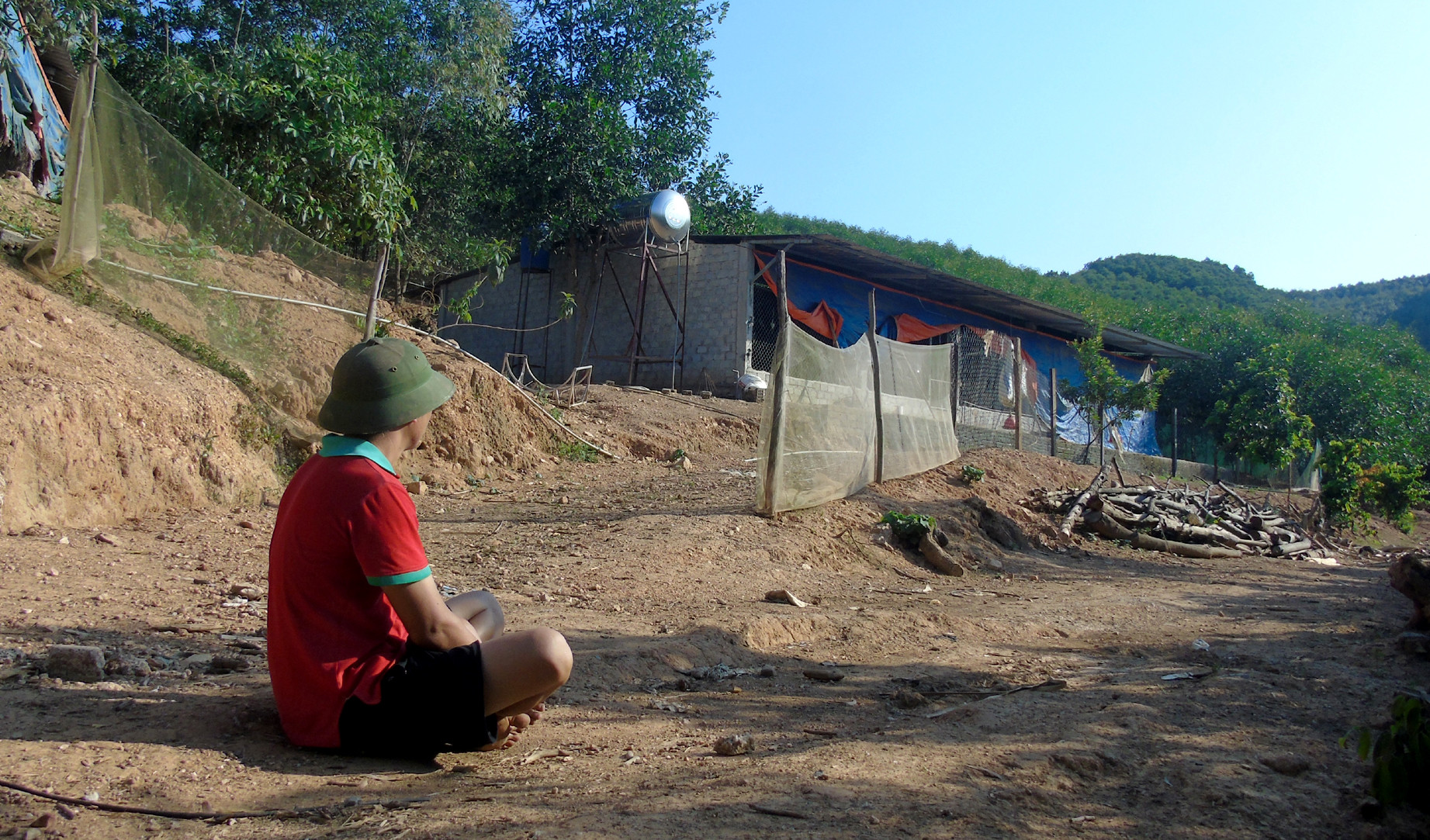 |
The price of broiler chickens has plummeted, leading to heavy losses for chicken farmers. In the photo: A chicken farm owner in Tien Thanh commune (Yen Thanh district) sadly observes the dilapidated state of his chicken coop. Photo: Tien Dung |
However, since the beginning of the year, feed prices have increased sharply, while product prices have not only failed to rise but have also plummeted. A 25kg bag of feed now costs 360,000 VND, a 15% increase compared to last year. Meanwhile, the current price of chicken is 38,000-40,000 VND/kg, resulting in heavy losses compared to input costs, as the price of broiler chickens needs to reach 70,000 VND/kg for farmers to make a profit.
"Currently, the cost of feed is higher than the price of selling chickens, so I'm discouraged and don't even want to feed them anymore. Now the bank interest is due, but the chickens are too cheap," Mr. Chinh said.
Ms. Tran Thi Mai's neighboring chicken farm, with over 10,000 chickens, is also in a precarious situation. She said that the high price of animal feed and the rising costs of other farming expenses such as medicine, electricity, water, and labor are making it even more difficult to maintain the farm.
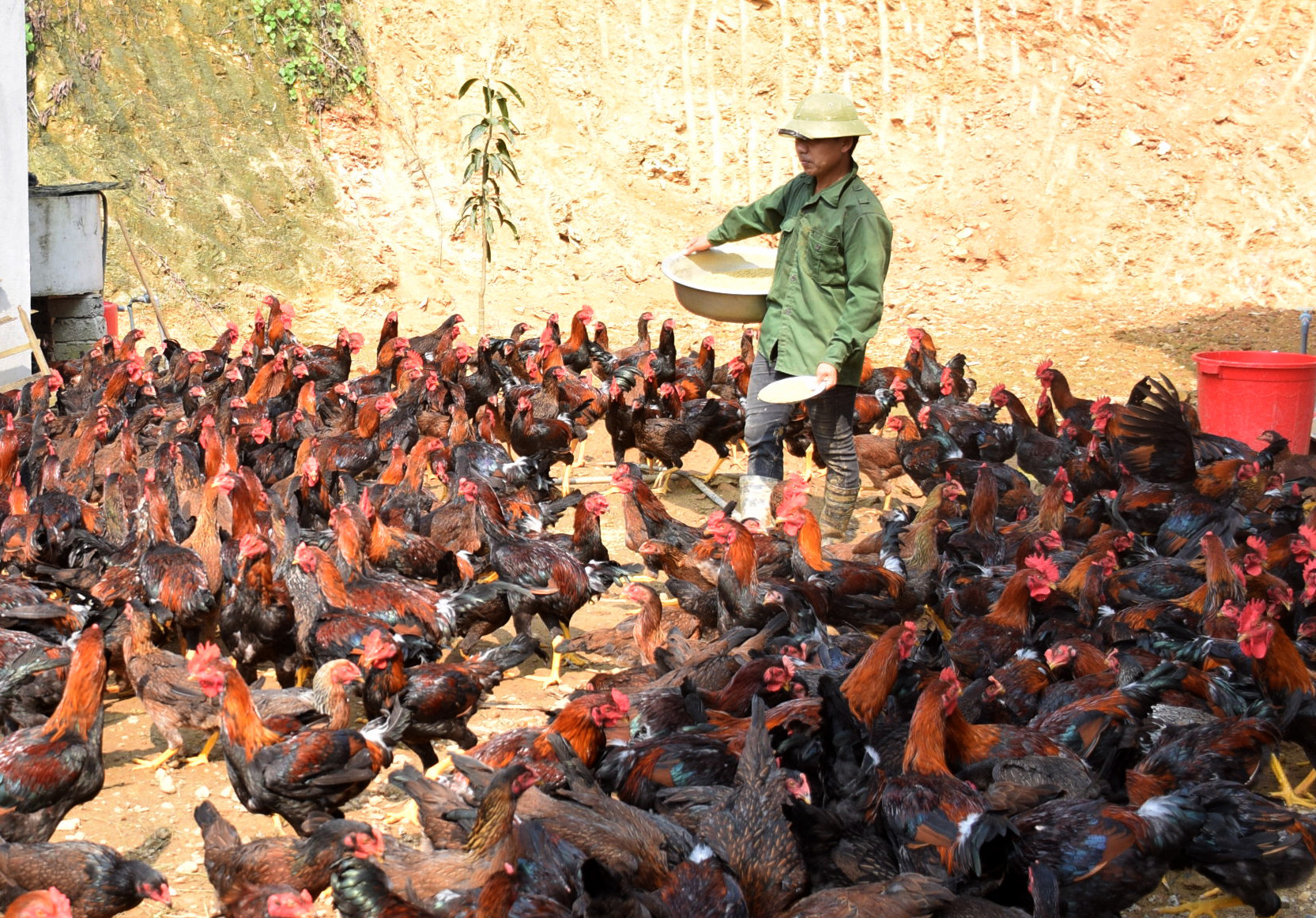 |
| One of the reasons for the sharp drop in chicken prices in Nghe An province recently is the abundant supply. Photo: Xuan Hoang |
Currently, Tien Thanh commune has 50 farms of various sizes raising livestock and poultry. Mr. Phan Van Vu, Chairman of the Commune People's Committee, said: The reality of rising livestock and poultry feed costs, falling chicken prices, and difficulties in sales has caused hardship for households because most people borrowed capital to build their farms.
The government and local people hope that animal feed companies will recalculate the cost of livestock and poultry feed to share the burden with farmers, leading to restocking and stable production. This is because large farms incur costs ranging from hundreds of millions to billions of dong each time they import feed, leaving farmers unprepared. Furthermore, they propose that banks reduce interest rates or provide loan extensions for chicken farm owners.
In Ma Thanh commune, the livestock farming atmosphere is also very gloomy at this time. Standing in front of his dilapidated chicken farm, Mr. Tran Manh Linh from Dong Bau hamlet said that his family owns two chicken farms, but they have suffered heavy losses since last year.
Mr. Tran Dinh Canh, Chairman of the People's Committee of Ma Thanh commune, confirmed that there are 40 farms and small-scale poultry operations in the area. Many households are reluctant to continue raising chickens due to rising feed costs and drastically falling prices, with some farms experiencing mass die-offs. The two communes of Tien Thanh and Ma Thanh, located in high-lying areas prone to drought year-round, have consistently failed in agricultural and forestry cultivation. Now, with livestock farming also failing, the lives of the local people have been turned upside down.
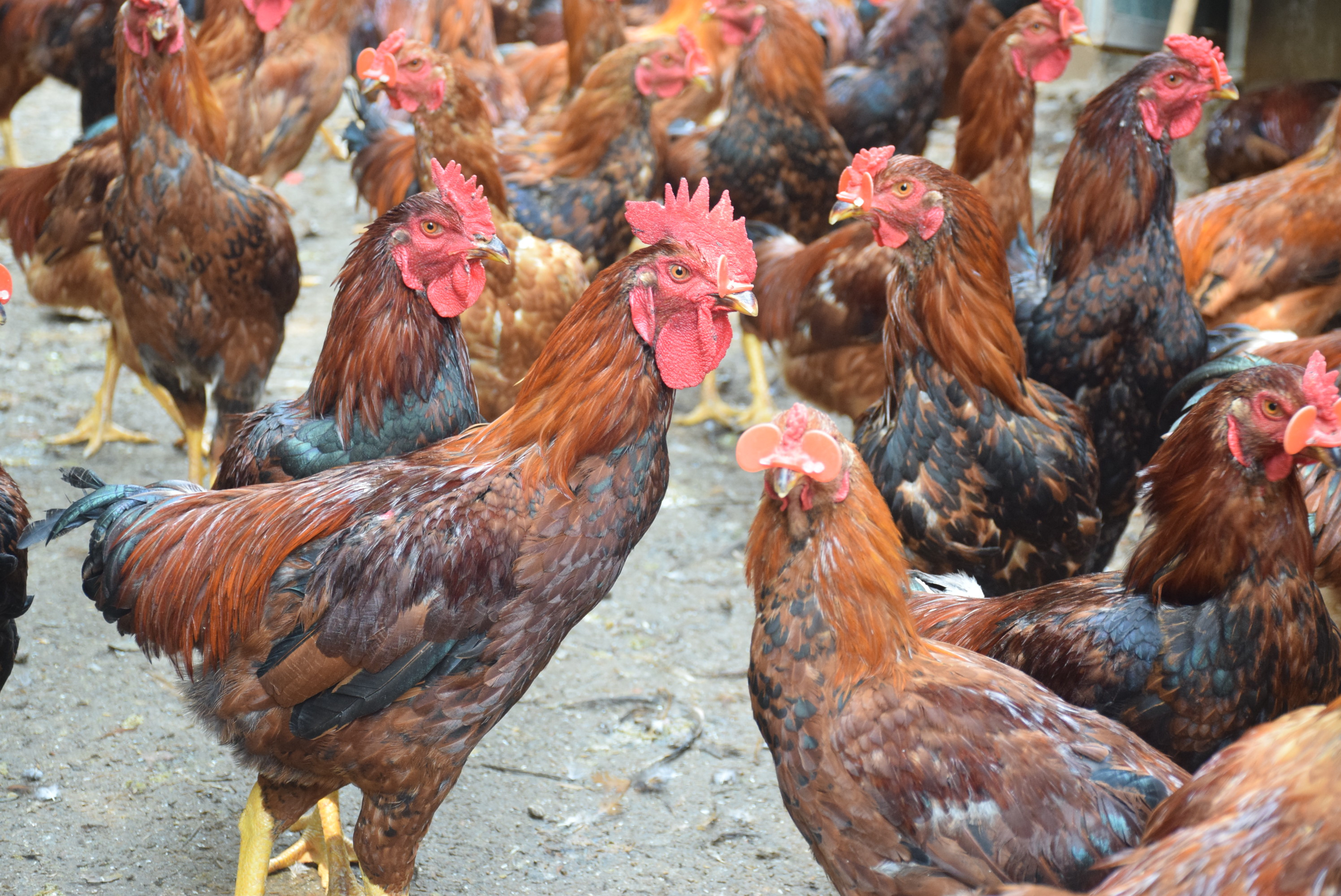 |
| Raising chickens to a weight of nearly 2 kg per bird for market requires significant investment, due to the high cost of chicks, especially feed and other supplies. Photo: Xuan Hoang |
The Dien Trung VietGAP Livestock Cooperative (Dien Chau district) is one of the localities with the most chicken farms in the province. At this time, farmers here are not enthusiastic about the profession because chicken prices have plummeted to rock bottom. Mr. Bui Sy Thanh, the owner of a chicken farm in Hamlet 9, Dien Trung commune, said that chickens were ready for market from the beginning of June, but traders have been lowering prices daily, from 45,000 VND to 41,000 VND/kg in just three days. Although he knows he's incurring heavy losses, he has to sell because the longer he raises them, the more he loses due to high feed prices.
"To raise one chicken to market weight of around 1.8kg/chicken, the investment in chicks, feed, disease prevention medicine, etc., is about 85,000 VND. Therefore, selling one chicken at this time results in a loss of about 11,000 VND. We will only make a profit when the price of chicken rises to 55,000 VND/kg or higher," Mr. Thanh shared.
Reasons for the sharp drop in chicken meat prices.
Regarding this issue, Mr. Le Van Hong, Head of the Agriculture and Rural Development Department of Yen Thanh district, said: Currently, chicken farmers are facing hardship not only in Tien Thanh and Ma Thanh communes but also throughout the entire district.
This situation has been brought to the attention of the Department of Agriculture and Rural Development and the Provincial People's Committee for macro-level intervention. Furthermore, Mr. Hong advised localities against uncontrolled and spontaneous livestock farming, emphasizing the need for collaboration between the State, businesses, and farmers. Livestock farming in general must follow planning and direction, closely adhering to market demand to avoid situations of rapid development, bumper harvests leading to price drops, or shortages and price increases, as have occurred in the past.
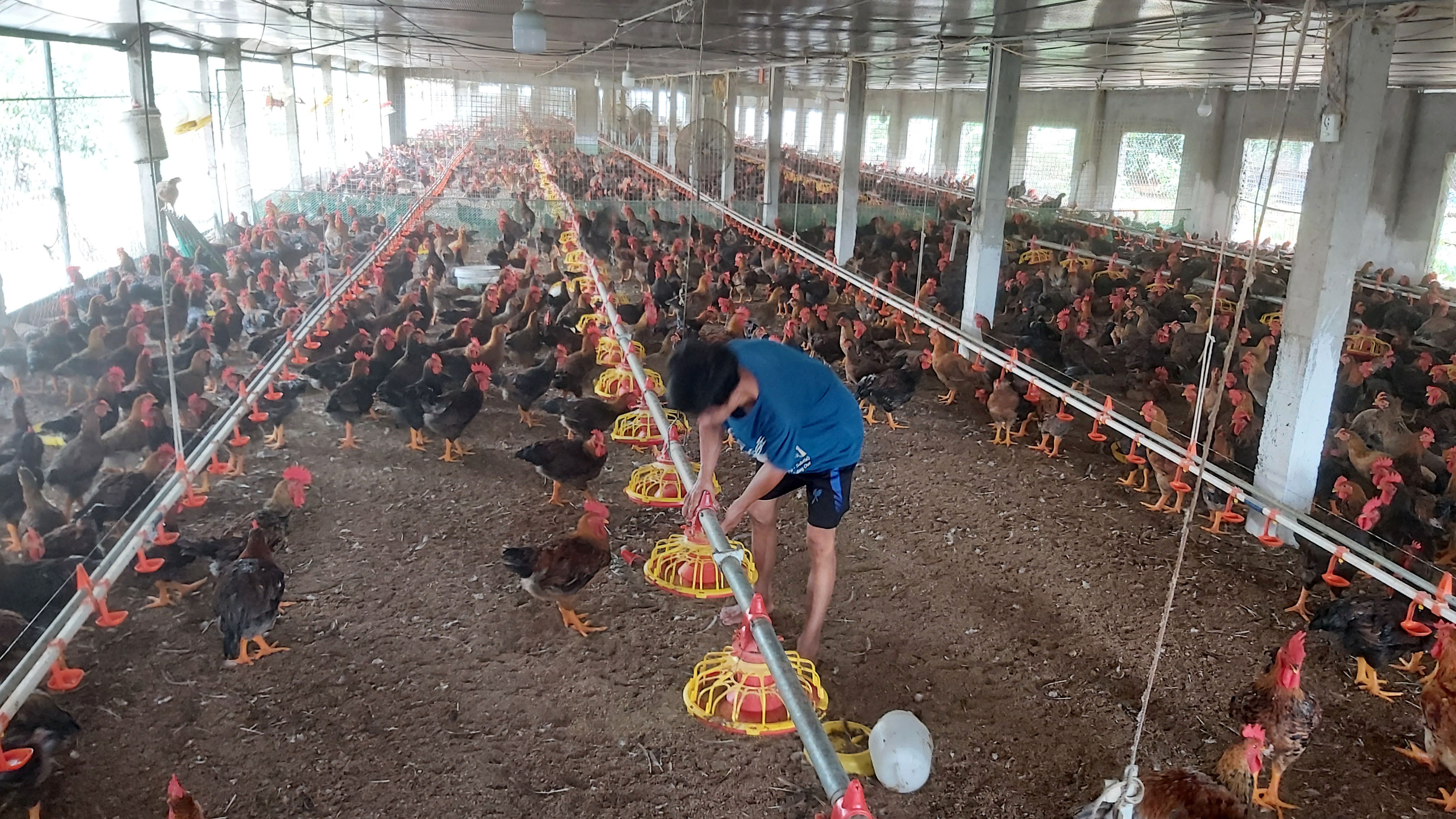 |
| According to recommendations from experts, while chicken prices have dropped sharply, poultry farmers need to take good care of their flocks, especially during periods of intense heat. If the chickens die, the farmers will suffer even greater losses. Photo: Xuan Hoang |
Mr. Dau Ngoc Hoa, Director of the Dien Trung VietGAP Livestock Cooperative, believes that the drop in chicken meat prices is due to several reasons, including the fact that students are on summer vacation, so schools are no longer consuming chicken and eggs. Meanwhile, the supply on the market is abundant.
Having learned from previous years' experiences, farmers anticipated the situation and reduced their flocks. Therefore, from nearly 140 chicken farms, only about 30 are still operating, while the rest have temporarily suspended operations to renovate their facilities and address environmental issues, resuming farming when conditions are suitable.
According to Mr. Ngo Duc Quynh, Deputy Head of the Department of Livestock and Veterinary Medicine, the reason for the sharp drop in chicken meat prices is the decrease in consumption while supply remains stable, especially in areas where farmers raise chickens spontaneously. Additionally, after the spring rice harvest, people utilize the fields to feed on fallen rice grains and other insects, resulting in faster growth and tastier meat. This has led to increased consumption of duck meat during the summer months.
Another reason for the sharp drop in chicken prices is the lack of information among farmers regarding the farming situation, such as market prices, consumption levels, and the total number of chickens in the locality.
Mr. Quynh said that to reduce losses for poultry farmers, effective solutions to protect chickens from the heat are first needed. Besides well-ventilated coops, a cooling system is also essential. In addition, utilizing readily available feed sources such as corn, rice, and other agricultural by-products mixed with commercial feed will help reduce input costs, as feed prices are currently high.