

Over 700 lakes and dams in Nghe An province remain unrepaired.
(Baonghean.vn) - Nghe An province has a considerable number of reservoirs. Although they have been upgraded and repaired in recent years, some reservoirs in the province are currently in serious disrepair, posing a potential safety risk during the rainy and stormy season.
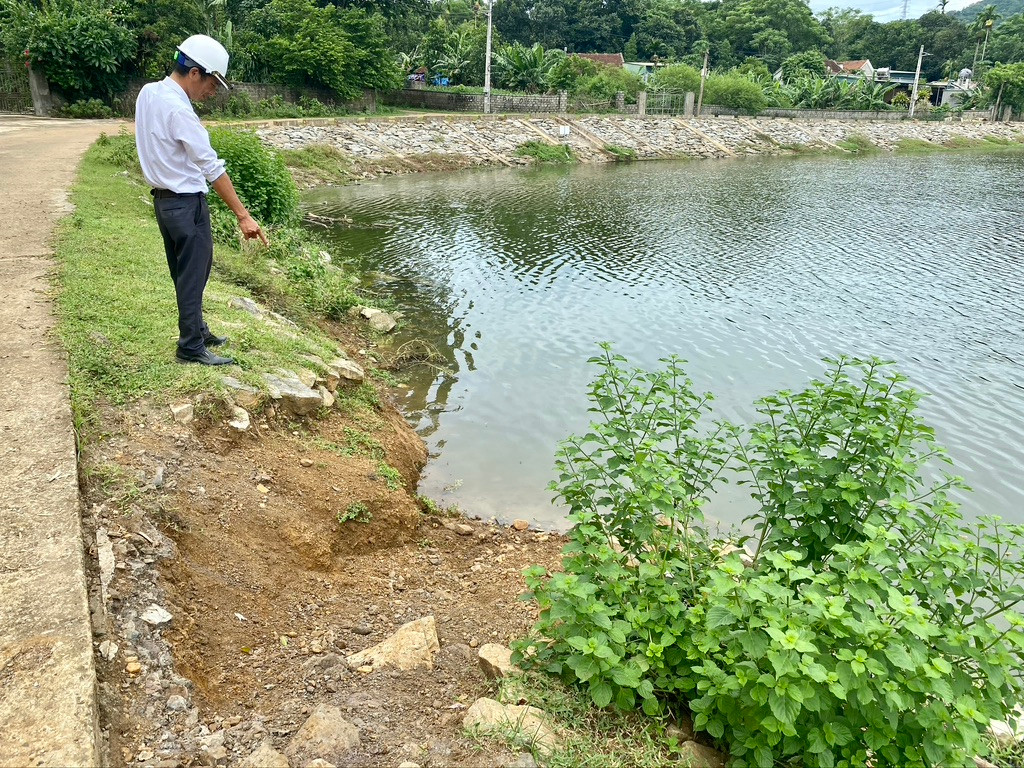
A series of reservoirs were built decades ago.
In Nghia Dan district, there are currently many reservoirs that are severely degraded and damaged, posing a high risk of dam failure. For example, the Cay Ba reservoir in Trung Yen hamlet, Nghia My commune.Nghia Dan), has a capacity of approximately 0.7 million m³3The dam, constructed before the 1980s, has a body primarily made of earth (manually constructed). Observations reveal that many sections of the upstream slope have experienced landslides and cracks, causing water leakage.
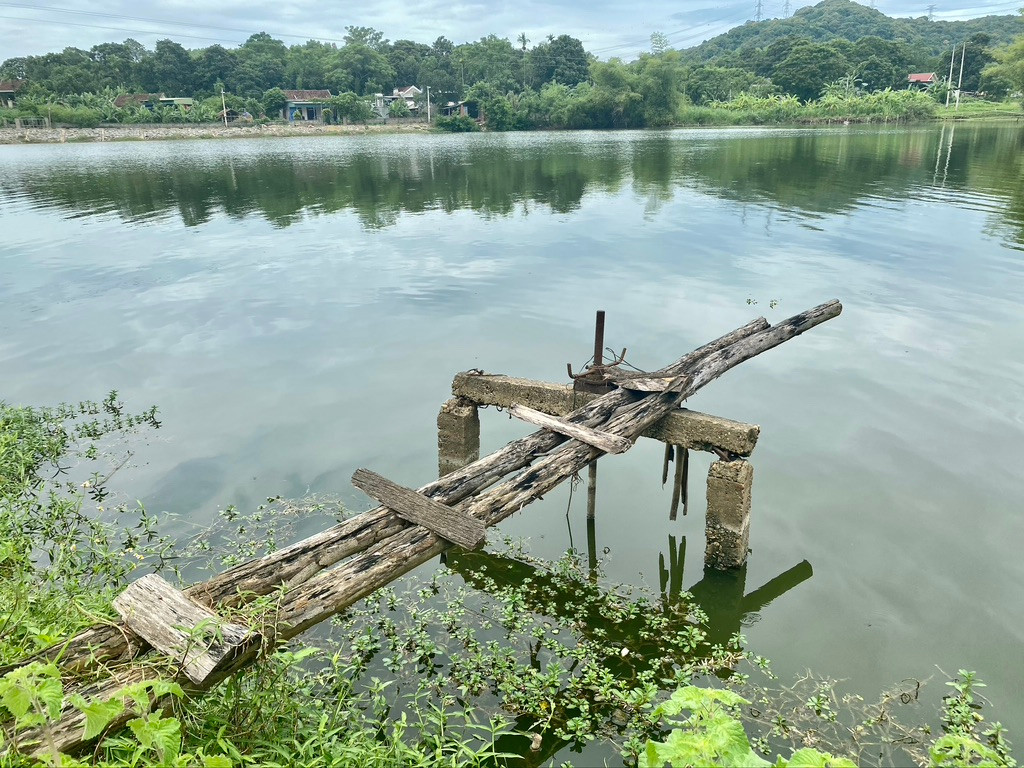
In particular, the spillway is now severely damaged, with large chunks of concrete peeling off and crumbling. The water intake gate of the Cay Ba reservoir is also damaged, forcing the gate operator to walk precariously on small wooden planks above, posing a significant risk of falling into the reservoir and endangering their life.
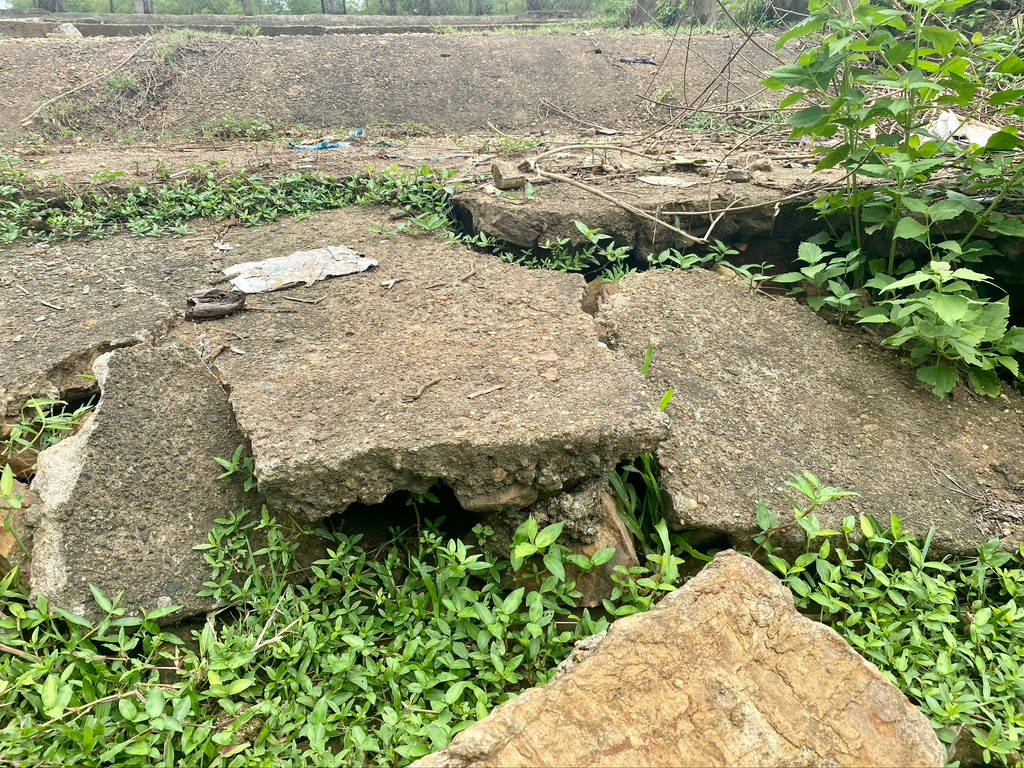
Mr. Nguyen Minh from Nghia My commune expressed his concern, saying, "During the rainy season, the water level in the Cay Ba reservoir rises, and we residents living at the foot of the dam are worried. We have to consider relocating people and property." It is known that during the rainy season and floods, the dam's structure weakens, posing a direct threat to the lives of hundreds of households located close to its base.
Mr. Nguyen Thanh Tu, Chairman of the People's Committee of Nghia My commune, said: Nghia My commune has 8 reservoirs, irrigating over 300 hectares of rice and other crops, all built before the 1980s. After many years of operation, most of these reservoirs have deteriorated. Reservoirs such as Cay Ba, Khe Vinh, Eo Trum, and Nuoc Gio are all experiencing downstream slope erosion, weak foundations and dam bodies, eroded spillways, and damaged sluice gates, making operation and water regulation difficult.
According to a report from the Department of Agriculture and Rural Development of Nghia Dan district, the district currently has over 170 large and small lakes and dams. Most of these structures are managed by the communes; the majority of these reservoirs were built manually in the 1980s and 1990s and earlier. After many years of use, they have been affected by natural disasters and lack funds for maintenance, so the risk of failure is now high.
Before the rainy season, Nghia Dan district inspected, reviewed, and directed communes to proactively implement the "four on-the-spot" measures at vulnerable reservoirs, especially planning to relocate households affected by vulnerable reservoirs to safe areas.
Similarly, Tan Ky district currently has many reservoirs that are severely degraded and damaged. For example, the Mai Tan reservoir in Nghia Hoan commune, Tan Ky district, has a capacity of approximately 0.9 million cubic meters.3The dam serves to irrigate nearly 100 hectares of rice paddies. Built in the 1980s, the dam body was mostly constructed manually, and the embankment slopes show many areas of subsidence and gaps. During the rainy season, the risk of dam failure threatens 800 households downstream in the villages of Tien Thanh, Dong Tam, Mai Tan, and Xuan Son.
A representative from the Nghia Hoan Commune People's Committee added: The commune has three reservoirs, including Ru Mo Reservoir, Mai Tan Reservoir, and Tran Reservoir, all of which are degraded and damaged. Mai Tan Reservoir was recently handed over to Tan Ky Irrigation Company Limited, and the province is currently prioritizing funding for its upgrade.
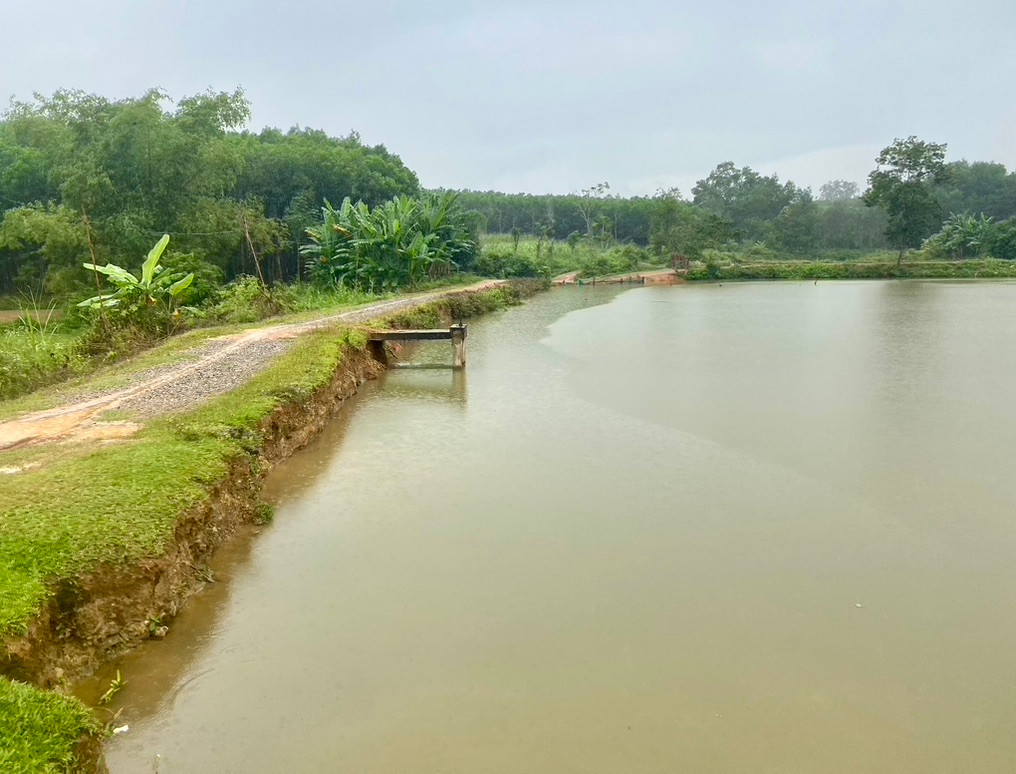
Tan Ky district has 110 reservoirs of various sizes. The current challenge is that most of the reservoirs managed by the local authorities are old. Some of these reservoirs show signs of leakage, posing a safety risk during the rainy season, such as the Khe La reservoir in Phu Son commune, with a capacity of 2.5 million cubic meters.3Due to localized seepage along the dam body, in 2022, the province provided Tan Ky Irrigation Company Limited with 500 million VND to drill and inject grout to prevent seepage along over 150 out of 275 meters of the dam body.
The Khe Than reservoir in Nghia Binh commune is experiencing water leaks in multiple locations along a 200-meter stretch of its dam body. Currently, the province is allocating over 700 million VND to drill and inject grout to seal the leaks. However, this is only a temporary solution.
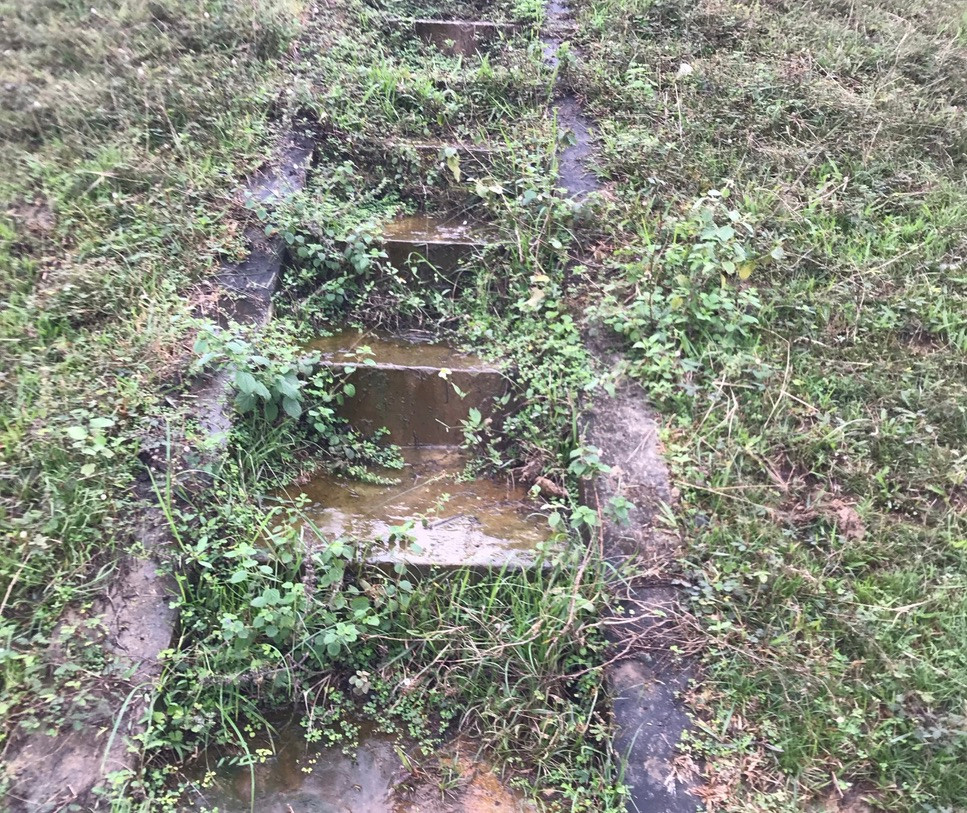
Upon investigation, it was found that, in addition to reservoirs managed by local authorities, the safe operation of reservoirs and dams still faces many limitations, especially those lacking archived records and reservoir parameters; reservoir management staff lack specialized expertise and have to handle multiple tasks, resulting in incomplete implementation of the provisions of Decree 114/2018/ND-CP on the safe management of dams and reservoirs.
In addition, the infrastructure, management and monitoring equipment, communication facilities, and on-site supplies and materials prepared for emergency response at reservoirs managed by local authorities are not yet adequate...
Focus on upgrading reservoirs.
By integrating various programs and projects, Nghe An province is currently focusing on upgrading many weak reservoirs. For example, in Yen Thanh district, three reservoirs are being upgraded at a cost of over 45 billion VND; the Con Con reservoir in Bao Thanh commune, with an investment of over 17 billion VND, is currently over 80% complete, with the dam embankment (over 300 meters long) finished, the downstream and upstream stone paving completed, and the culvert and operation building completed.
Other reservoirs, such as Khe Cay reservoir in Kim Thanh commune and Ly Thanh commune reservoir, have completed flood control works and are expected to be put into use by the end of 2023. Yen Thanh district has over 200 large and small reservoirs, many of which are old. According to the plan, Yen Thanh district will continue to review and integrate funding from various programs, projects, and state capital to upgrade other vulnerable reservoirs, including the Ban Vang and Nhan Tien dams in Tien Thanh commune, which were breached during the 2022 rainy season.
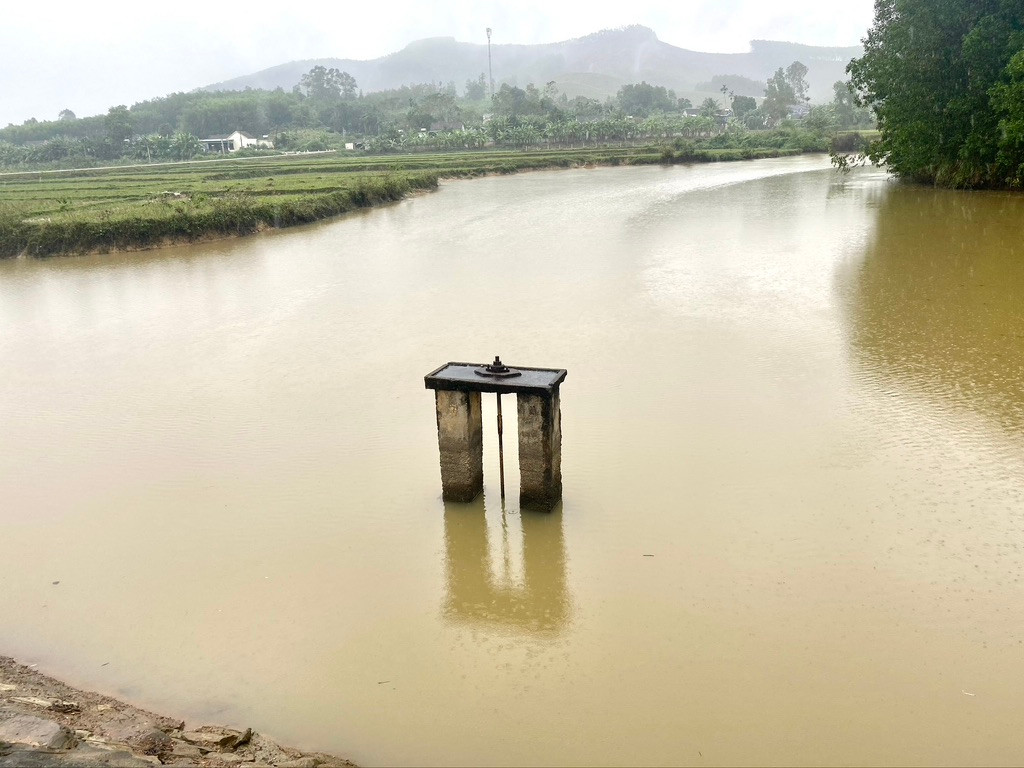
At the same time, Nghia Dan district is implementing upgrades to its weak reservoirs. A representative from Phu Quy Irrigation Company Limited stated that the company manages 19 large and small reservoirs. In 2023, with the province's support, the company is upgrading two weak reservoirs: Dong Diec reservoir in Nghia Loc commune, valued at 9 billion VND, and Lo Than reservoir in Nghia Long commune, valued at 3.5 billion VND. To date, these reservoirs have reached over 60% completion, and importantly, flood control structures have been largely finished. According to the plan, they will be completed and put into operation by the end of 2023.
In addition, the districts of Do Luong, Nghi Loc, Quynh Luu, and Dien Chau are currently upgrading their weak reservoirs.
According to information from the Nghe An Irrigation Department, Nghe An province has a fairly large system of lakes and dams, with nearly 1,061 reservoirs, including 55 large lakes and dams; 220 medium-sized lakes and dams; and 786 small lakes and dams. Currently, nearly 400 reservoirs have been upgraded and repaired, while over 700 reservoirs remain unrepaired. Reservoirs not only serve agricultural production but also play a crucial, long-term strategic role in ensuring irrigation, drainage, and flood control in downstream areas.
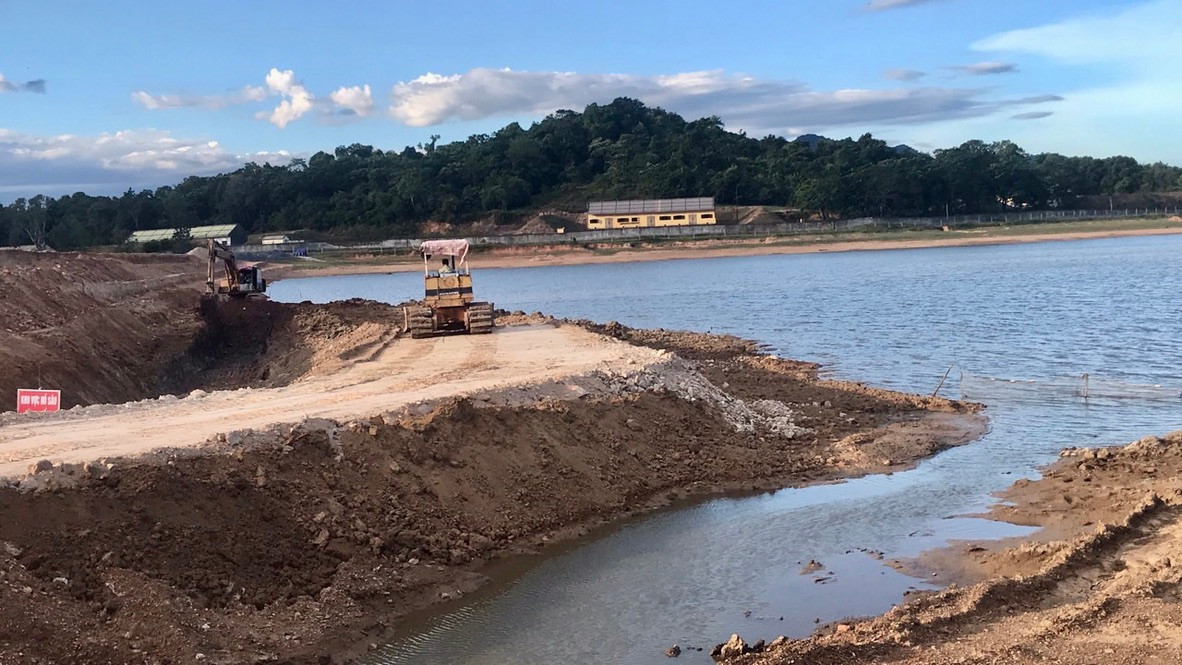
However, currently, most reservoirs managed by local authorities are old structures, lacking uniformity from the headworks to the canal system. Funding for regular maintenance and repair of these structures is limited, resulting in inconsistent repairs and the deterioration of many components.