
What precautions should be taken when not using a car for an extended period?
When not in use for extended periods, cars need to be inspected and serviced before being put back into operation.
Cars are a means of transportation, but they are also a significant asset that needs good care and maintenance to retain their value over time.
However, there will be times when the car has to sit unused for weeks or months, so car owners need to pay attention to many issues to ensure the car is always in good condition when used again.
Choose a parking spot
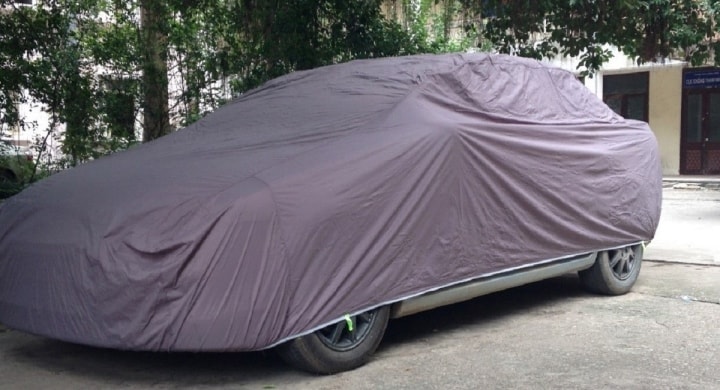
Proper car maintenance is crucial if you want your vehicle to remain in optimal condition. A garage with the right temperature and humidity is essential for a longer lifespan and durability. If you don't have a garage and have to park your car outdoors, choose a shady spot and use a car cover or tarp to protect it from rain and heat. This will help preserve your vehicle in the best possible way.
Cleanliness
Many people think they only need to clean and sanitize their car when they're going to use it again to save time, money, and effort. However, they don't realize that stains from chemicals, spilled food, and accumulated dirt will directly affect the car's paintwork, and especially the interior, such as leather and plastic, which will quickly fade and deteriorate. Therefore, you should clean your car at least once a week, even if you're not using it, to keep it looking new.
Fill up with fuel.
When the fuel tank is full, it prevents humid air from entering and causing condensation, which can lead to "fuel blockage" and prevent the car from starting if left unused for a long time. This is a useful tip that few people pay attention to. Additionally, car owners should tighten the fuel cap securely to prevent evaporation.
Pay attention to the battery.
When a battery is left idle for extended periods, its ability to recharge gradually decreases. After two weeks of inactivity, you should restart the vehicle and let the engine run for about 15 minutes. This offers two benefits: it helps preserve the battery and increases the lifespan of the engine and other components. Additionally, using a small battery charger, a device that provides supplemental power periodically, can help prevent complete discharge.
Do not use the parking brake.
When parking, you usually use the handbrake to lock the car in place. However, if you're parking for a long time, you shouldn't do this because the constant pressure from the brake pads on the brake discs causes the area to become indented, the disc surface to become rough, and the brakes to become unstable when you use the car again. Using wooden blocks to wedge the wheels is the most reasonable solution.
Don't let the tires go flat.
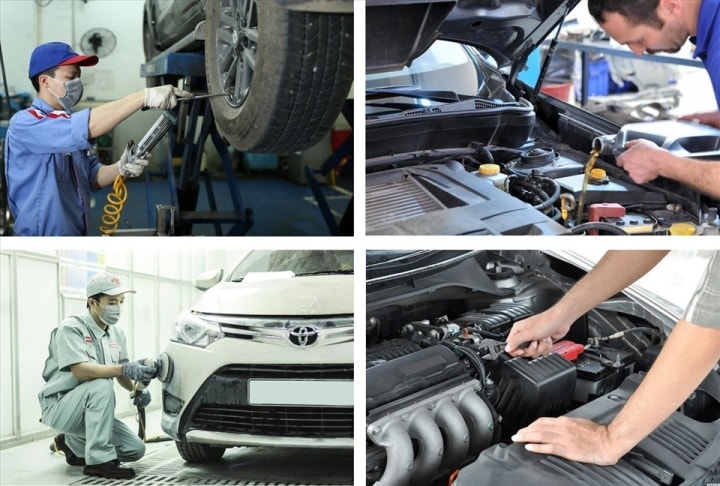
Just like when you bend something by hand, the inner surface is compressed while the outer surface stretches, eventually forming a crack. Similarly, a drop in tire pressure causes the weight of the vehicle to press down on the tire, leading to cracking. If the rubber is already degraded, this will happen even faster. Therefore, use support stands at all four corners to lift the vehicle. Because this is quite strenuous, only perform this task when necessary for maintenance or when the vehicle will not be in use for an extended period.
Pay attention to the windshield wipers.
Windshield wipers have a rubber layer, which can deteriorate over time, causing it to melt and stick to the windshield. You should remove this rubber layer and store it in a dry place or wrap it with a piece of flexible plastic film to prevent contact with the glass.
Prevent rodent and insect infestation.
A garage with the right humidity and temperature conditions will help preserve your car very well, but it's also a breeding ground for rats and insects. Under the hood, in the cabin, and in the trunk are the most vulnerable areas. To completely prevent this, you can use cotton wool or soft cloth to seal any gaps that rats and cockroaches might enter, such as the exhaust pipe and air intake. Regarding windows, you should close them tightly, leaving a very small gap for air circulation between the outside and inside of the car. Avoid closing the windows completely, but also don't leave a gap that's too large, as insects could enter.
Pham Duy