

Why do car tires have grooves and treads?
The grooves and treads on car tires may seem useless, but they actually have a significant impact on vehicle safety when driving on the road.
Tires are made of rubber, so they need grooves and treads to increase grip when the vehicle is in motion. At the same time, the treads create just enough friction for the wheel to move continuously instead of spinning due to inertia. Therefore, car owners should regularly check tire wear to ensure safety while driving.
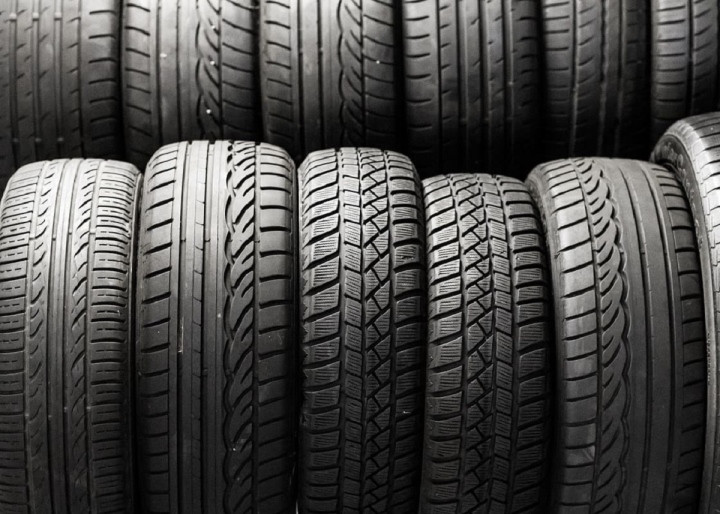
Typically, after prolonged use and exposure to environmental factors, these components will show signs of wear, causing the wheels to gradually lose traction and resulting in lateral slippage. Therefore, vehicle owners should regularly inspect and replace tires as recommended by the manufacturer.
The function of the treads on a tire.
Most modern cars use tires with treads. Racing cars, however, are usually equipped with tires without grooves or treads because, in dry conditions, the smooth design of the tire increases the contact area between the tire and the road surface.
Tire treads are a small detail in the overall structure, but they possess many important functions, such as:
Increase friction and grip on the road surface:Ensure the tires are in constant motion to prevent them from slipping due to inertia.
Create vents in the tires to equalize pressure:Tires with treads help reduce the workload on the brakes because they provide just the right amount of grip, thereby minimizing brake wear.
Prevents slipping when moving on wet surfaces, ensuring driver safety:During operation, friction causes the rotational movement of the wheels to exert force on the road surface, keeping the vehicle moving forward. Rubber tires need grooves and treads to increase grip on the surface, creating just enough friction for the wheels to move continuously, rather than simply spinning and sliding due to inertia.
Without grooves and treads on the tire, there wouldn't be enough friction to propel the vehicle forward. Sideways skidding typically occurs when the wheels roll at high speeds on the road, caused by the centrifugal force of the wheel axle. If this happens, the vehicle will lose balance and a fall is inevitable.
The treads on tires are typically designed to be quite deep vertically to ensure the tire grips the road surface and prevent lateral slippage. However, over time, the grooves and treads on the tire will wear down, gradually losing their grip, or the grooves may no longer be deep enough, requiring replacement of the tire.
The influence of the grooves and treads on the tire also affects the quality of the brakes and whether they wear out prematurely. When the horizontal and vertical grooves are deep enough and the grip is good, the driver can easily control the vehicle and manage speed better. This reduces the number of braking attempts and minimizes the workload on the brakes, thus reducing wear and tear.
How to check tire wear
Worn tires that aren't replaced in time can lead to many dangerous problems while driving. Therefore, regular tire checks are essential. Here's a guide on how to check tire wear:
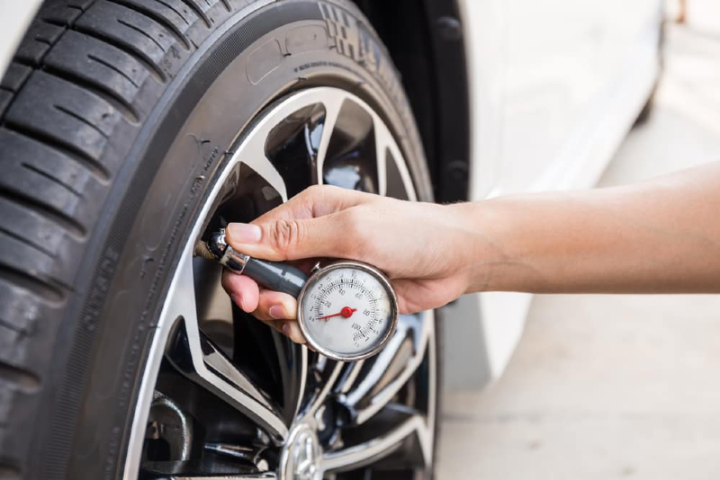
Check tire pressureUnder normal conditions, tire pressure decreases by approximately 0.068 atmospheres per month. If the vehicle frequently travels in challenging terrain or high temperatures, the decrease will be greater. Incorrect pressure (underinflated or overinflated) will lead to faster tire wear, compromising driving safety. Here are the steps to check tire pressure using a pressure gauge:
Step 1: Remove the valve cap, then place the pressure gauge onto the valve body.
Step 2: Apply firm pressure until the hissing sound disappears.
Step 3: Remove the pressure gauge and read the pressure.
Step 4: Compare the obtained reading with the standard pressure to accurately determine the tire's condition and proceed with deflating or refilling the air.
Use a tire pressure gauge to ensure your tires are not overinflated.
In addition, vehicle users should combine proper care and maintenance of their car tires to extend their lifespan.
Check the condition and age of the tires.Monitoring the condition and lifespan of tires is also very important. Tire lifespan depends on usage conditions, storage, and factors such as temperature. Drivers should regularly inspect the tire surface and sidewalls to detect cuts, scratches, punctures, bulges, or impacts early and replace them promptly. In addition, users should choose the right tires to avoid unnecessary problems during use.
Check tire tread wear.New, unused tires will have raised treads and no signs of wear. Conversely, tires that have been used for a long time will begin to crack, break, and even disappear from the surface. Therefore, car owners should regularly check and replace tires when the tread is worn down by about 1.6mm to ensure safety during operation.