

What is Nghe An doing to take its rice industry to a 'new level'?
(Baonghean.vn) - Nghe An is one of the three provinces with the largest rice cultivation area among the 31 provinces and cities in the North. However, frankly speaking, the province has not yet made any breakthroughs to create a large commodity value commensurate with its potential and expectations.
Nghe An Newspaper interviewed Mr. Phung Thanh Vinh - Director of the Department of Agriculture and Rural Development - about the current situation, the causes of existing problems, and proposed solutions for the future, in order to elevate the rice production industry to a "new level".
PV:According to him, what potential does Nghe An have in developing and increasing the value of rice production?
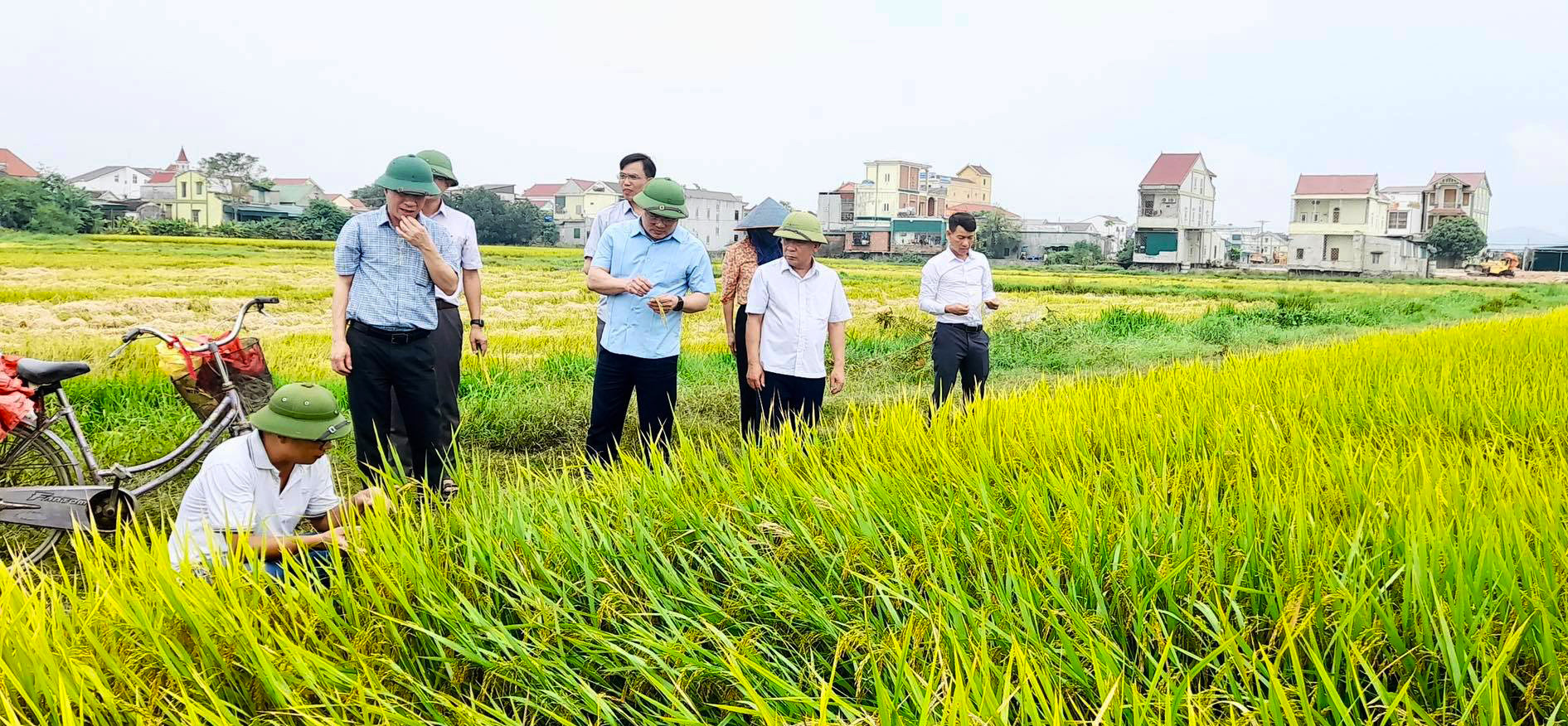
Mr. Phung Thanh Vinh:Nghe An province has the largest natural land area in the country, with over 1.64 million hectares, of which more than 107,000 hectares are rice-growing land. The province has a very favorable geographical location, being the center of the North Central region, with a diverse transportation system including roads, waterways, railways, and air routes connecting and integrating with the national economy and facilitating trade with countries in the region, making it very convenient for transporting and selling rice.
In addition, the area has a relatively high density of rivers and streams, with 6 rivers directly flowing into the sea, the largest being the Ca River with a total drainage basin area of 27,200 km².22,255 large, medium, and small-scale irrigation works supply water for agricultural production and daily life, including 1,061 reservoirs, 487 diversion dams, and 707 pumping stations.
PV:So far, what achievements and results have we made in rice production?
Mr. Phung Thanh Vinh:Each year, the province cultivates over 170,000 hectares of rice, yielding over 1 million tons annually, making a significant contribution to ensuring food security.food securityof the nation, of the province. Along with Thanh Hoa and Hanoi, we are currently one of the three provinces with the largest rice production area among the 31 provinces and cities in the North.
Thanks to the application of scientific and technological advancements, rice production has achieved increasingly encouraging results. In 2015, the province's rice cultivation area was 186,551 hectares, decreasing to 173,149 hectares in 2022, a reduction of 14,402 hectares. However, the production reached 995,571 tons, an increase of 16,709 tons compared to 2015, demonstrating a significant increase in rice yield.
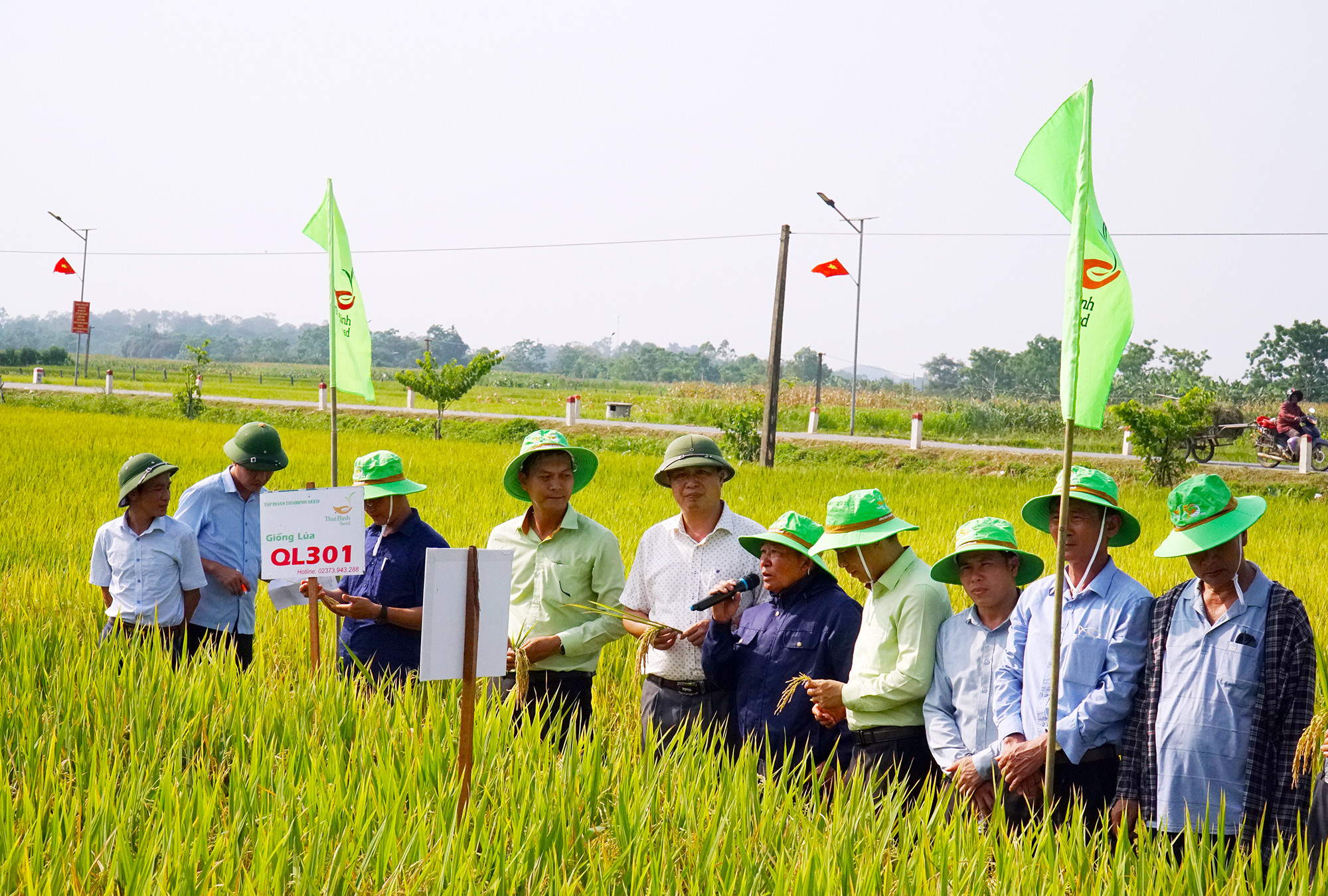
In particular, the rice variety structure continues to undergo significant transformation. To date, the area dedicated to producing high-quality rice varieties such as TBR 225, Bac Thinh, Thien Uu 8, ADI 168, AC5, J02, VNR 20, etc., which have high value and are easily marketable, has reached over 85,000 hectares per year, increasing income per unit area and meeting the orientation of restructuring the agricultural sector.
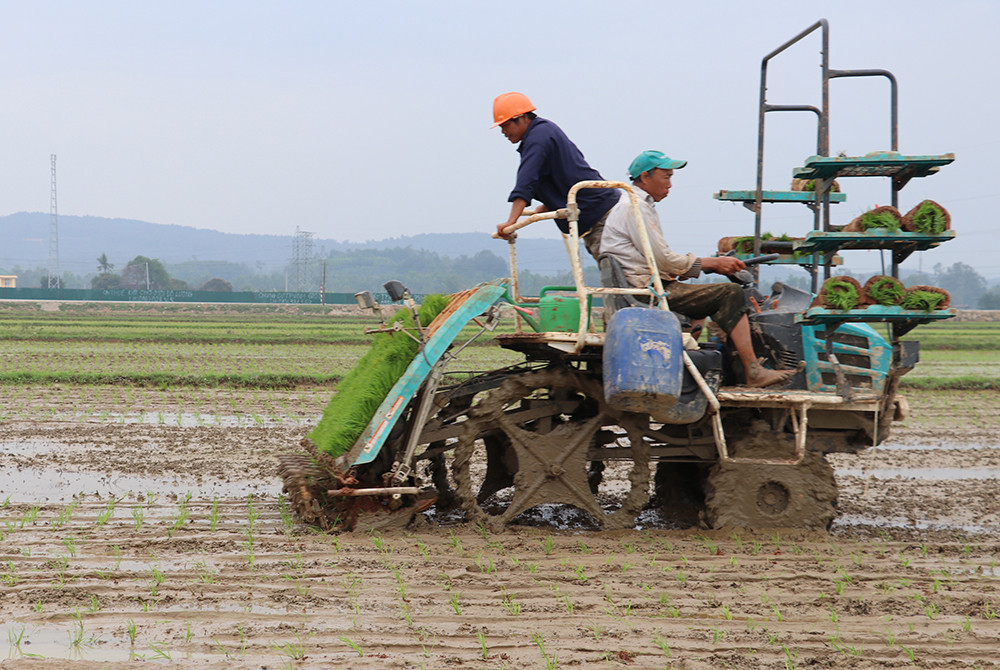
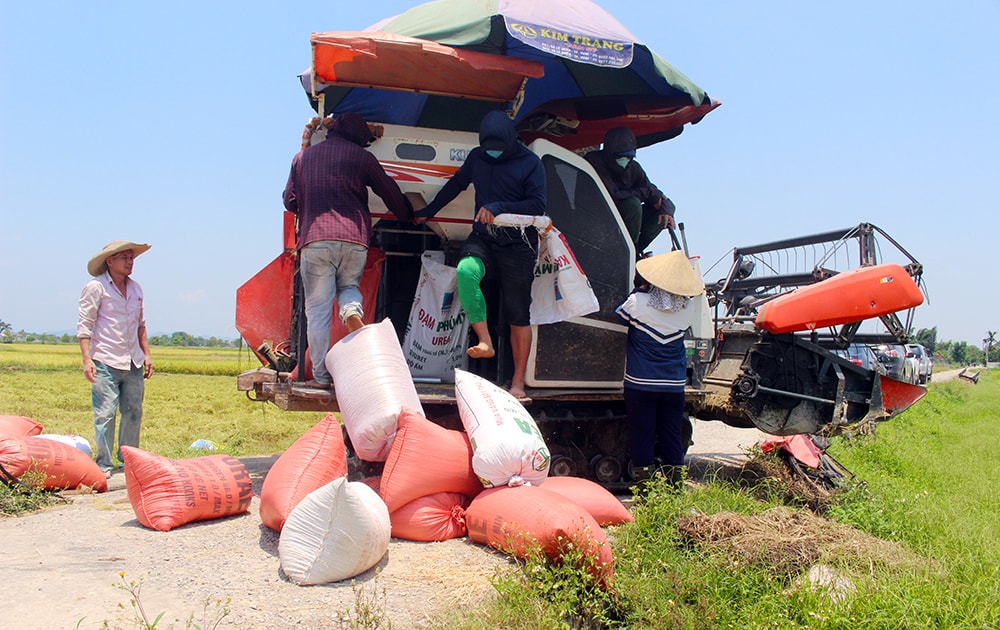
Following land consolidation and exchange, through support policies, programs, projects, and self-investment activities by the people, the entire province has tens of thousands of agricultural machines of various types. Production processes have been rapidly mechanized, such as land preparation reaching over 98.5%, transportation 99.2%, rice harvesting 97.5%, etc., contributing to increased productivity, product quality, and the shift in rural labor structure. The area of rice production under product consumption linkages in 2022 exceeded 3,800 hectares.
PV:Despite its great potential, rice production in Nghe An has primarily served local consumption needs, with very little sold in supermarkets, large distribution systems, and especially for export. This situation has prevented rice production in Nghe An from generating high value. So, in your opinion, what are the current shortcomings in rice production in Nghe An?
Mr. Phung Thanh Vinh:Although we are increasingly focusing on producing high-quality rice, we must also frankly admit thatrice productsRice from Nghe An is consumed through high-value distribution channels such as supermarkets and large distribution systems, but very little of it is exported. In particular, there is almost no rice export, and the value of rice production does not match its potential or expectations. Farmers mainly produce rice for self-sufficiency and to feed their families.
The majority of the province's rice cultivation area is still being produced using conventional methods, with very little area cultivated according to safety standards such as VietGAP and organic farming. The number of rice farmers involved in marketing their produce remains small compared to the total annual rice cultivation area; therefore, farmers often face difficulties in selling their products, mainly relying on middlemen for purchasing.
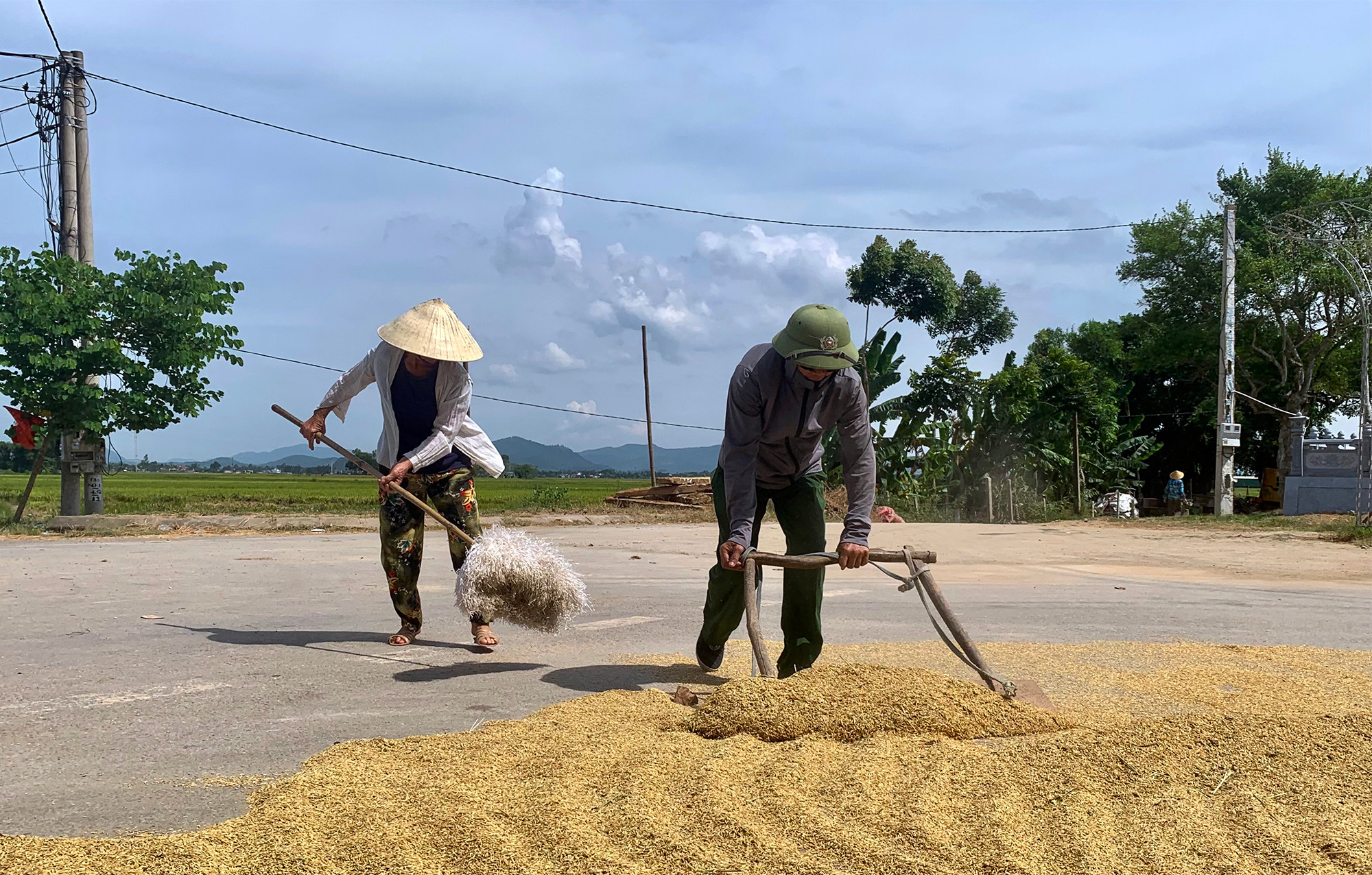
Production still faces many shortcomings and problems.post-harvest preservationDifficulties remain, with most rice processing methods being manual, sun-drying, and using readily available household tools; the rate of rice drying in drying systems is still very low, with only a few cooperatives having built post-harvest rice drying systems. Furthermore, there are only 4 rice processing plants owned by businesses in the province.
PV:What are the reasons why rice production in Nghe An has not yet yielded high value? Is it due to production policies, farmers' mindset, or natural conditions, sir?
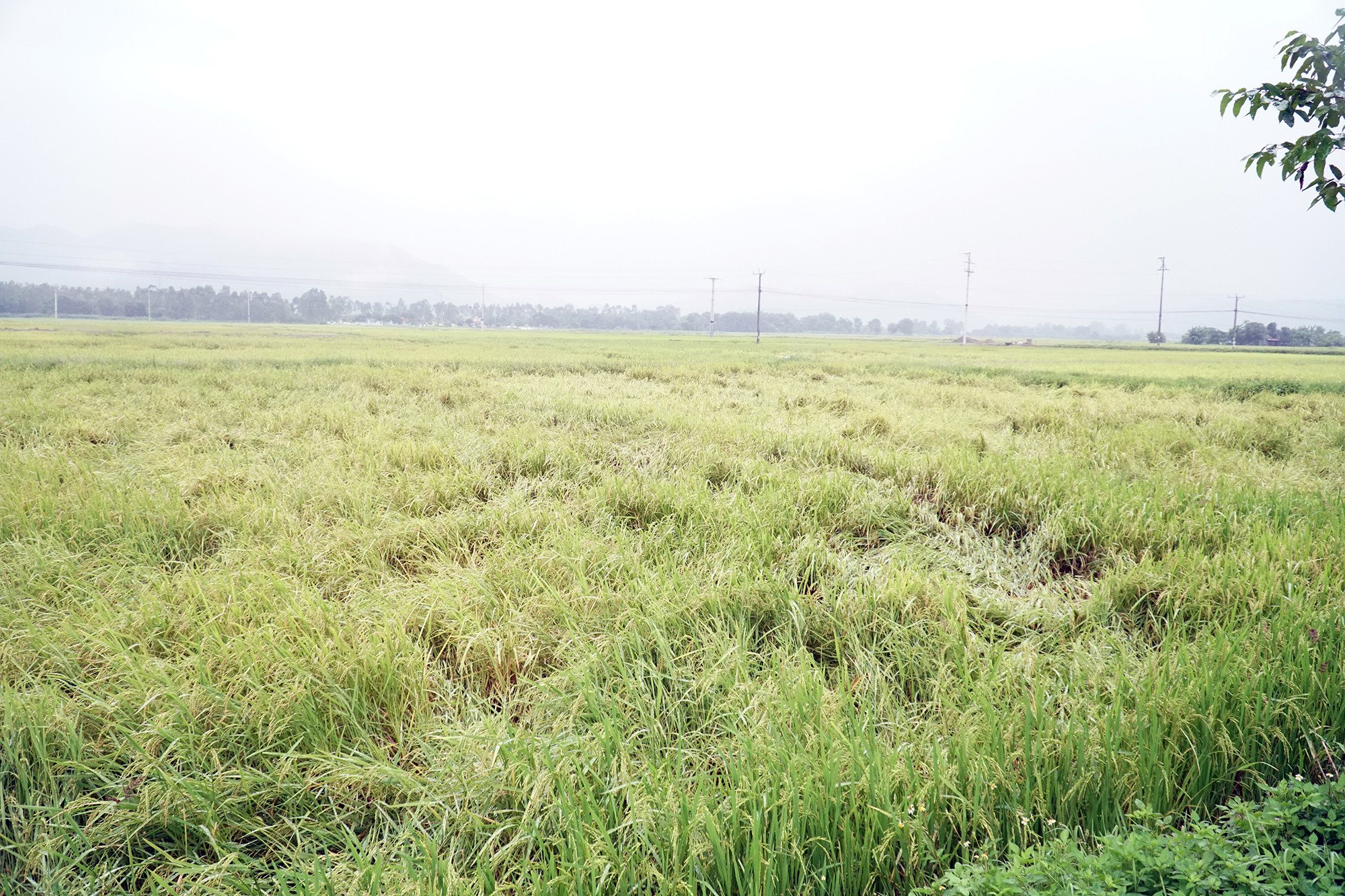
Mr. Phung Thanh Vinh:In terms of natural conditions, Nghe An province is located in a "hotbed" and "flood-prone" area, so the climate greatly affects agricultural production in general and rice production in particular. The quality of rice-producing land in the province is uneven, with good, flat land concentrated only in a few lowland districts such as Dien Chau, Yen Thanh, Quynh Luu, Do Luong, etc. Therefore, the agricultural sector has had to carefully plan the crop structure and planting schedule on a weekly and regional basis to avoid and minimize the impact of unfavorable weather conditions.
Rice production areas remain fragmented and small-scale. While land consolidation and exchange have been implemented, the area of rice production per household or individual is still very small. For example, a large-scale rice field model of 50 hectares involves over 300 farming households. This leads to varying levels of individual investment, resulting in inconsistent rice quality and multiple varieties within a single field. Therefore, producing a single variety in large quantities for commercial purposes is very difficult.
Following the policy of gradually shifting from the production of high-yield rice varieties to those that are both high-yield and high-quality, the area of high-quality rice cultivation is increasing; however, people still mainly produce using old methods, with the area of rice cultivated using SRI (System of Rice Intensification) processes still limited.safety standardsFor example, the use of organic farming methods like VietGAP is still insignificant, leading to a failure to improve the quality of rice.
However, increasing these cultivated areas faces many obstacles; firstly, due to the increasing trend of agricultural labor shifting to other professions, rice production is mainly carried out by older people, who have difficulty adopting scientific and technological advancements or applying safety standards. At the same time, when production focuses on quality and safety, yields are lower compared to production focusing on high output, making it difficult for farmers to adopt safety standards. Therefore, our products are rarely sold in supermarkets, and rice prices are generally not high.
PV:In the coming period, what solutions will Nghe An implement to increase the value of rice production?
Mr. Phung Thanh Vinh:Nghe An will continue to convert areas of rice cultivation that lack reliable water sources to cultivate cash crops, fruit trees, or fodder crops with higher efficiency, only producing rice in areas that meet the necessary conditions.
At the same time, we will take advantage of support from the central government and mobilize local resources to continue investing in improvements.essential infrastructureTo develop high-quality commercial rice production areas, including irrigation systems, rural transportation, field transportation, and rural electricity infrastructure.
In addition, solutions should continue to be implemented to organize diverse and sustainable forms of linkages between farmers, businesses, and other partners, based on innovating the operating methods of cooperative production organizations, cooperative groups, etc. This includes building "large-scale fields" and "linked fields" focused on high-quality rice, and strengthening the linkages between actors in production along the value chain.
Promote rice production using the SRI (System of Rice Intensification) process, safety standards, and intensive farming: Increase the proportion of rice production area using the SRI process and safety standards such as VietGAP and organic farming, improving the quality and efficiency of rice production in the area. Improve the quality of rice seeds and strictly manage cooperatives producing and supplying seeds.high-quality riceInvesting in mechanization and technology, reducing post-harvest losses, and further improving the rice production and supply chain by applying advanced and appropriate technologies now and in the future.
Strengthening the four-party linkage chain in the agricultural sector is crucial. In the long term, farmers will participate in large-scale farming and organic farming, and will be organized into production and consumption cooperatives. In particular, alongside improving rice quality, the development of rice brands will be promoted to enhance competitiveness and strengthen the position of Nghe An rice in the market.
However, for the province's rice production industry to truly become professional and high-value as desired, along with support from the State, solutions from the agricultural sector and localities, first and foremost, farmers themselves must change their production mindset from conventional production to commodity production; shifting from an agricultural production mindset to an agricultural economic mindset..
PV:Thank you, sir!