

4 types of tea that help improve memory in older adults.
Forgetfulness is a common condition among the elderly. Besides diet, exercise, acupuncture, and massage, certain types of tea can help improve memory in this age group.
As we age, the body undergoes aging processes, and the brain's function gradually declines, leading to forgetfulness in the elderly.
1. Causes and symptoms of forgetfulness in the elderly
Memory encompasses the process of recording, storing, searching for, and retrieving information. Memory decline can occur at any stage and in anyone, but it is most common in older adults.
The reason is that after the age of 25, approximately 3000 nerve cells are irreversibly destroyed each day. From the age of 60 onwards, the aging process accelerates, so the number of elderly people suffering from memory loss can reach 50% by the age of 85.
Dr. Huong Tra, from the Traditional Medicine Department of Hanoi Medical University, said that memory loss, also known as forgetfulness or absentmindedness, in the elderly often develops subtly and progresses over time. Initially, the disease is mild, manifesting only as vagueness about events: forgetting belongings, forgetting people's names, forgetting the time or work schedule… Patients have difficulty with daily activities such as using money, transportation, and telephones; gradually losing shopping skills, having difficulty following instructions or finding directions…
Later, as the condition worsens, patients may experience several problems such as: difficulty expressing themselves, difficulty finding the right words; stuttering, repeating past events in a disorganized manner; wandering aimlessly, getting lost, forgetting daily tasks; difficulty coordinating movements to handle situations… Furthermore, those with amnesia may even face issues such as changes in memory, behavior, and personality.
According to modern medicine, there are many causes of forgetfulness in the elderly, such as: the effects of other diseases like Alzheimer's, epilepsy, stroke, brain atrophy, white matter degeneration; brain damage from encephalitis, meningitis, brain tumors, brain infections, or blood clots; mental health issues like depression and nervous tension; insufficient oxygen supply to the brain or prolonged carbon monoxide poisoning; and excessive use of stimulants such as alcohol, tobacco, and drugs.
According to Traditional Chinese Medicine, forgetfulness in the elderly is called "jian vong." The pathogenesis is mainly due to weakness of the heart and spleen, and deficiency of kidney essence. To treat forgetfulness, Traditional Chinese Medicine offers many methods such as medication, massage, acupuncture, and Qigong exercises, including the use of various types of tea.
2. Types of tea that help improve memory in older adults.
According to Dr. Huong Tra, some of the following types of tea can help improve memory in the elderly:
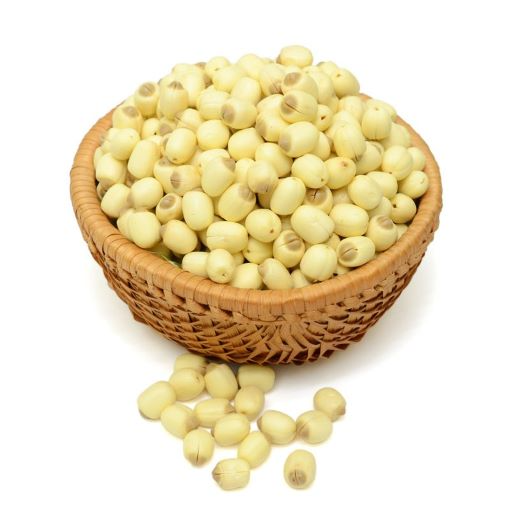
2.1. Lotus seed tea helps improve memory.
Lotus seeds, also known as lotus kernels, are a traditional Chinese medicine ingredient with a sweet and astringent taste, neutral properties, and act on the kidney, spleen, and heart meridians. Lotus seeds benefit the spleen and stomach, nourish the heart's energy, and improve mental capacity. Therefore, they are used to treat physical and nervous exhaustion, weakness, insomnia, poor appetite, anxiety, and indigestion. Additionally, lotus seeds are used to improve the health of the elderly, postpartum women, and those suffering from chronic illnesses.
UseTo make lotus seed tea, crush the lotus seeds and steep them in boiling water. You can add a few jujubes or a little rock sugar.
Precautions: Lotus seeds are neutral in nature and non-toxic, but people with bloating, indigestion, or constipation should limit their consumption.
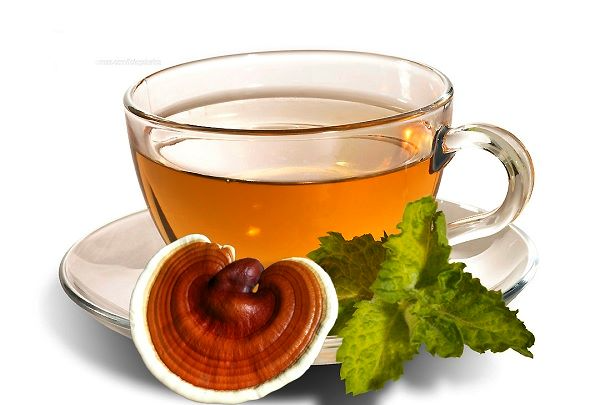
2.2. Reishi Mushroom Tea
Reishi mushroom is a precious type of mushroom with a bitter taste and a cooling nature, acting on the heart, lungs, liver, and kidneys. Reishi mushrooms are used to nourish the heart and calm the mind, replenish qi and blood, strengthen the brain and improve intelligence, and enhance memory.
Doctors at several hospitals in China have concluded that reishi mushrooms are effective in treating a number of conditions such as angina pectoris, coronary artery disease, unstable blood pressure (fluctuating between low and high), bronchitis, asthma, rheumatism, chronic hepatitis, menopausal women's diseases, digestive disorders, and can help improve mental clarity and memory...
Use:Use 5g daily, brewed as a tea substitute.
Taboos:People with low blood pressure should limit their consumption of reishi mushrooms.
2.3. Polygonum multiflorum tea
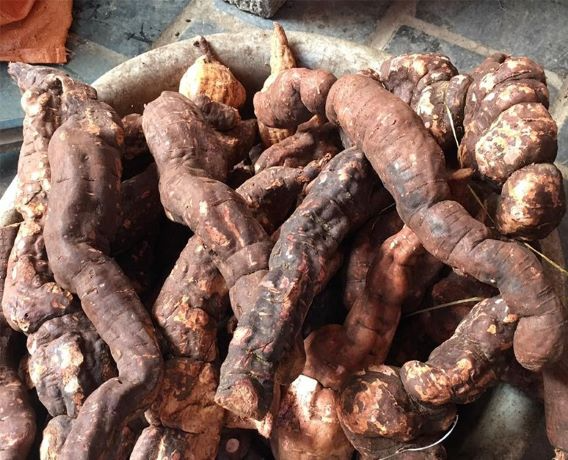
According to traditional medicine, Polygonum multiflorum has a bitter and astringent taste, a warm nature, and acts on the liver and kidney meridians. Polygonum multiflorum is considered a valuable medicinal herb with effects such as nourishing qi and blood, darkening hair, treating kidney deficiency and weakness, improving memory, insomnia, malaria, reducing blood fat, and stomach ailments.
Use:Use in the form of sliced or powdered Polygonum multiflorum tea, 15-20g per day.
Taboos:Avoid using hot spices such as garlic, onions, ginger, chili peppers, and black pepper.
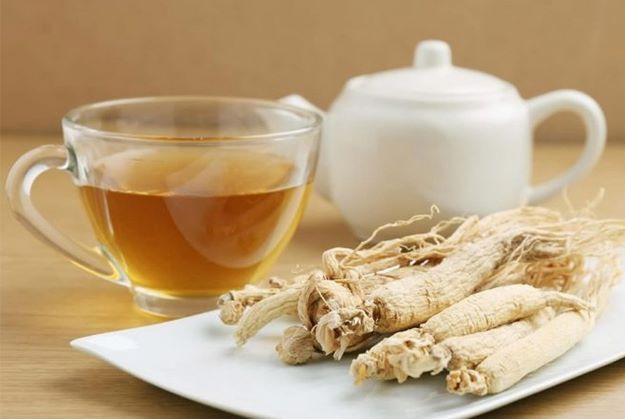
2.4. Ginseng Tea
According to the Classic of Materia Medica, ginseng has the effect of "nourishing the five internal organs, calming the mind, stabilizing the soul, stopping spasms, dispelling evil spirits, improving eyesight, and opening the mind to enhance intelligence." Ginseng is a precious medicinal herb that greatly replenishes vital energy, calms the mind, enhances intelligence, and is very beneficial for improving brain function. Using ginseng can help you concentrate, improve memory, and boost mood.
A study published in the medical journal "Complementary and Alternative Substances" reported that the prefrontal cortex function of Alzheimer's patients studied improved significantly after 12 weeks of ginseng use.
UseUse in the form of instant tea or tea leaves, 3-5g per day.
Taboos:Ginseng should not be used in certain cases to avoid potential dangers, such as: people with digestive disorders, people with high blood pressure, people who frequently vomit, those with gastroesophageal reflux, and women before childbirth…
3. Other measures to help improve memory in older adults
According to Dr. Huong Tra, elderly people can also improve their memory using the following methods:
- Exercise and be physically active regularly:This helps promote blood circulation, increasing the flow of oxygen to all parts of the body.
- Supplementing nutrients from food:Elderly people experiencing memory decline should maintain a balanced and healthy diet, ensuring sufficient vitamins and minerals (especially vitamin B12, which helps protect nerve cells and ensures healthy brain function). Specifically, they should eat plenty of green vegetables and fruits, and limit their consumption of red meat.
- Avoid stimulants:Limiting alcohol, tobacco, and other alcoholic substances is not only good for the brain but also helps prevent many other diseases associated with old age.
- Play brain-training games:Learning to play a musical instrument, learning a new language, solving puzzles, jigsaw puzzles... these are all ways to exercise your brain regularly and prevent neurodegeneration.
- Maintain a relaxed and optimistic attitude, and avoid stress:Stress can impair concentration in older adults, making them more prone to forgetfulness. Therefore, it's important to maintain a relaxed, optimistic, and positive outlook on life.
- Massage:Simple massage exercises performed regularly can also help clear energy blockages, improve blood circulation, and allow blood to flow better to the brain.
Forgetfulness (memory loss) is a normal part of the aging process. However, it can also be the beginning of Alzheimer's disease or other forms of dementia. Therefore, when experiencing symptoms of forgetfulness, patients should see a doctor to determine the cause and severity of the condition, in order to find appropriate treatment.