

5 beneficial foods that help promote healthy aging.
There are certain foods, dubbed "superfoods," that are nutritious and beneficial in a healthy diet, helping us maintain good health and live longer.
We all hope for a long life so we can enjoy many happy years with loved ones or have time to explore the world. But increasing longevity needs to go hand in hand with healthy aging, reducing the risk of disease.
A healthy diet has been shown to reduce the risk of diseases such as high blood pressure, dementia, and other chronic conditions associated with aging.

Blueberries are rich in antioxidants that help increase longevity.
Blueberries have anti-aging effects due to their high antioxidant content.
Blueberries have anti-aging effects thanks to their highest antioxidant content among berries. Many studies have also shown that this fruit, dubbed the "queen of berries," can help prevent chronic diseases such as heart disease, neurodegenerative disorders, and some forms of cancer, including breast cancer. Blueberries are also rich in fiber, aiding digestion, and provide plenty of vitamin C to the body.
Mung beans are good for cardiovascular health and support healthy aging.
Mung beans are packed with protein and nutrients, making them a heart-healthy option with many delicious preparation methods. They are also considered a "superfood," with one cup of cooked mung beans containing 14.5g of protein and 12.5g of fiber. Fiber helps you feel fuller for longer and supports weight management. They are also a rich source of vitamin B9, or folic acid, which is better absorbed by the body from food rather than supplements.
Quinoa is rich in protein and fiber, which helps increase longevity.
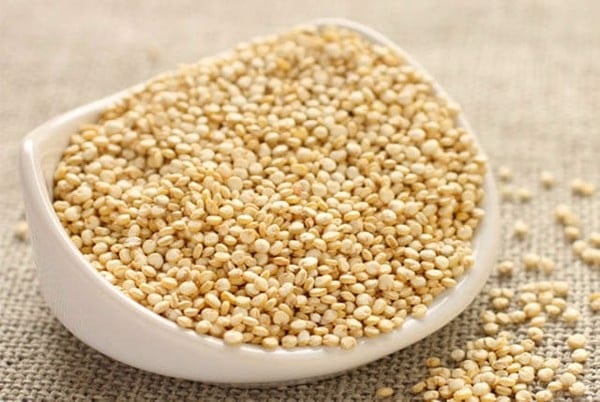
Quinoa, also known as amaranth, is a complete protein, providing the body with essential amino acids that our bodies cannot produce on their own. Quinoa also contains a lot of natural magnesium, which helps regulate blood sugar, lower blood pressure, and stabilize heart rate. Quinoa also supports strong bone and cell function, and protects the brain and heart.
Avocados contain healthy fats that effectively fight aging.
Avocados are a superfood that's rich in protein and contains nearly 20 vitamins and minerals. They're high in monounsaturated fats, the kind of heart-healthy fats our bodies need to stay healthy. An average avocado provides about 12g of fiber, which helps you reach the recommended daily intake of 28-34g of fiber.
The omega-3 fatty acids in avocados protect cells from inflammation caused by free radicals. Avocados not only contain several important nutrients but also help the body absorb those nutrients better. This is important because some fat-soluble vitamins require fat for absorption.
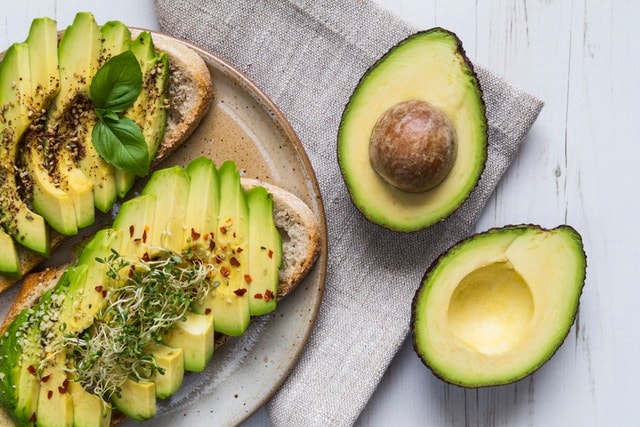
Researchers have found that eating avocados daily as part of a healthy diet can help lower bad cholesterol. Bad cholesterol can clog arteries and increase the risk of heart disease.
Honey has antibacterial properties that help increase longevity.
Honey is an excellent alternative to white sugar in food preparation. The phytonutrient compounds in honey are responsible for its antioxidant qualities as well as its antibacterial and antifungal properties.
It is advisable to choose pure, unprocessed honey that has not undergone heat treatment and minimal processing, as it contains a high concentration of bioactive phytochemicals and antioxidants, such as flavonoids and phenolic acids. According to one study, the antioxidants in honey help neutralize reactive oxygen species (ROS) in the body, which can lead to cell damage and contribute to conditions such as premature aging, type 2 diabetes, and heart disease.
MSc. Dr. Dang Ngoc Hung - Institute for Nutrition Research and Consulting:
Essentially, honey is classified as a rapidly absorbed sugar because it mainly contains sugars: fructose, sucrose, and glucose, similar to cane sugar and fruit sugar. However, honey also contains some vitamins that bees absorb from pollen and plants during the nectar-gathering process, but these are not in large quantities. For people with diabetes, consuming large amounts of honey can cause a rapid increase in blood sugar, so diabetics should be cautious. For healthy individuals, it's important to limit rapidly absorbed sugars and avoid consuming large amounts of honey.