Travel to the western part of Nghe An province to explore Chieng Ngam village.
Dinh Tuyen - Huu Vi•October 7, 2023 10:44
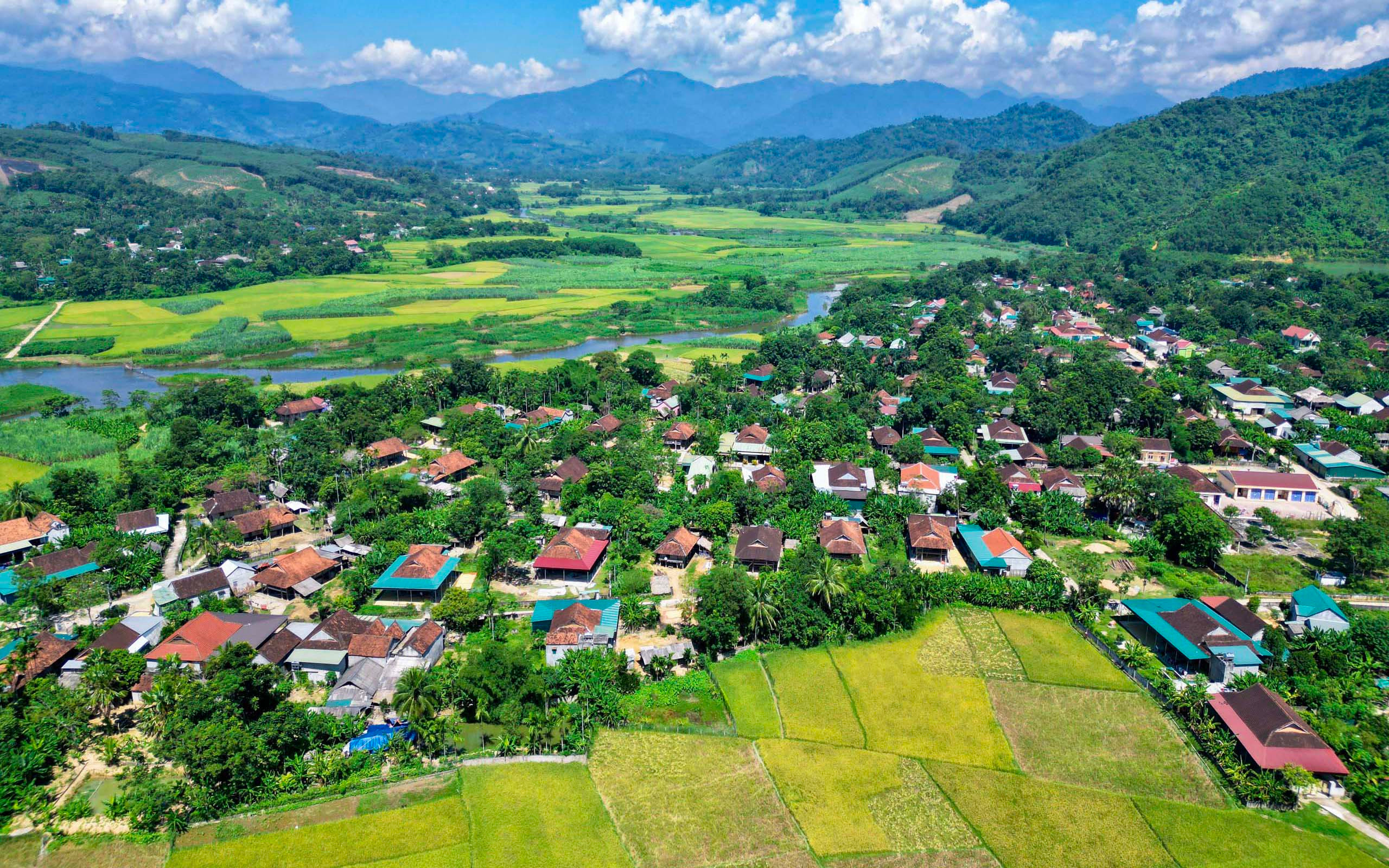
(Baonghean.vn) - Muong Chieng Ngam, now belonging to Chau Tien commune and part of Chau Binh district, Quy Chau province. Hundreds of years ago, the Thai people settled on this land and established their own village...
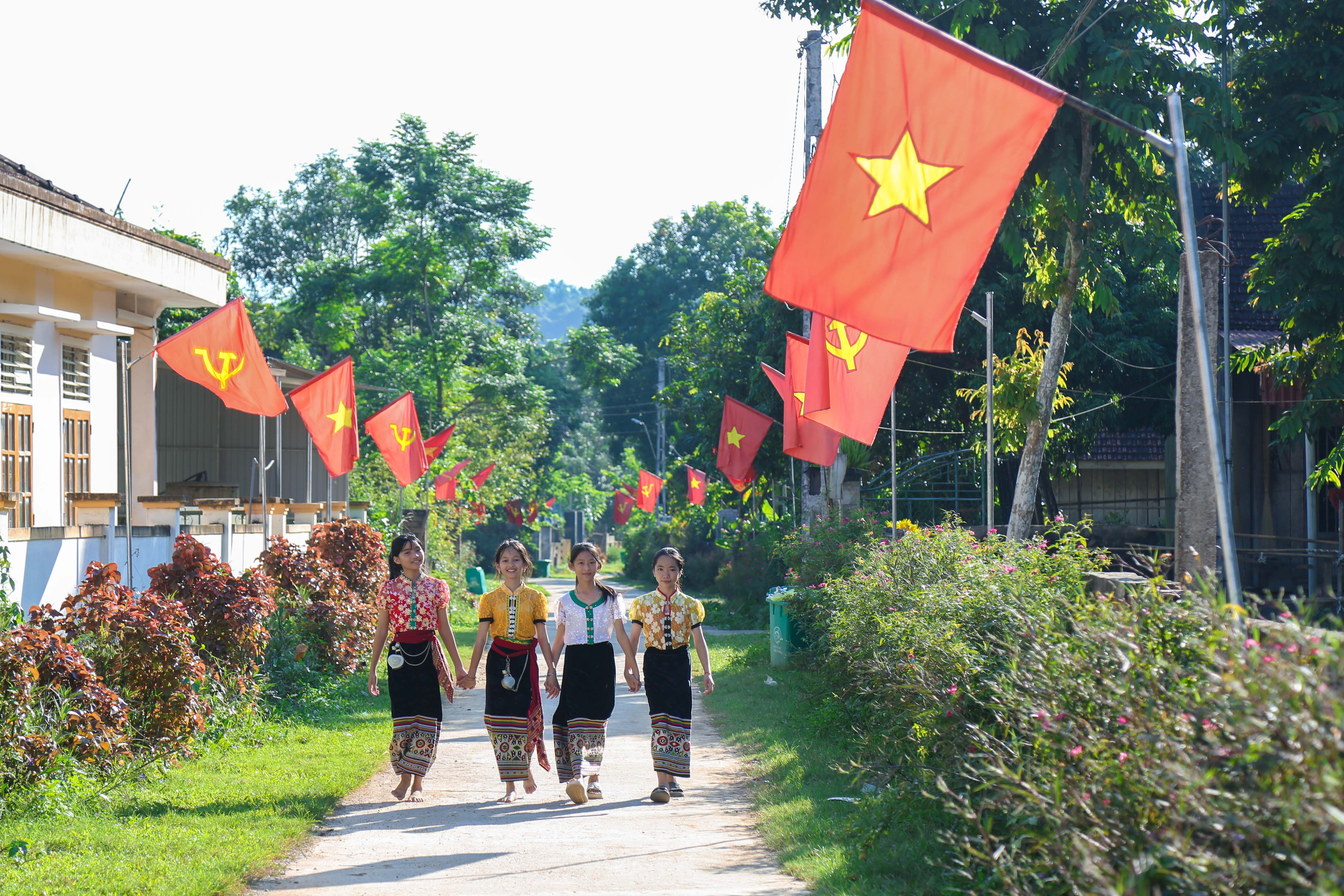
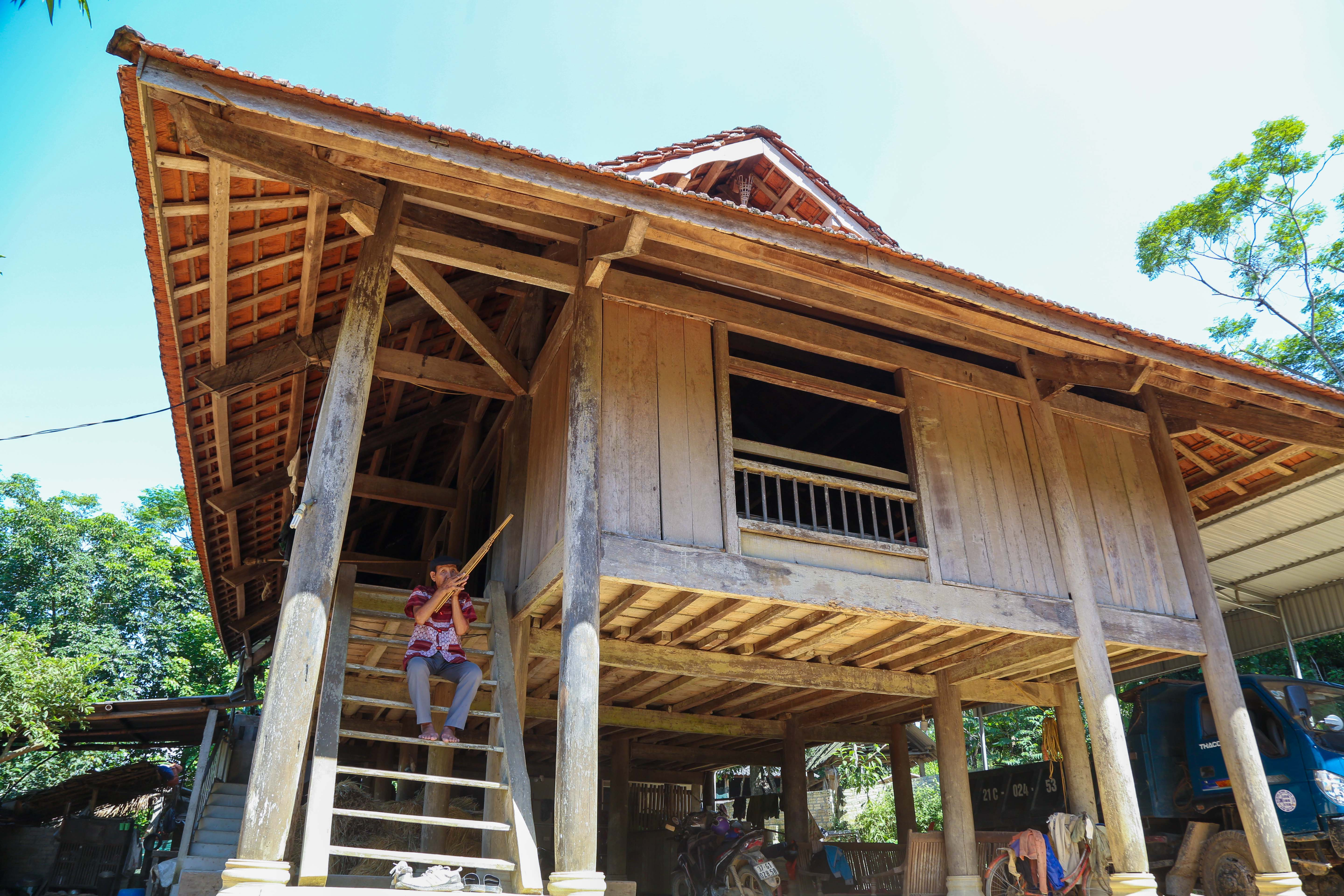
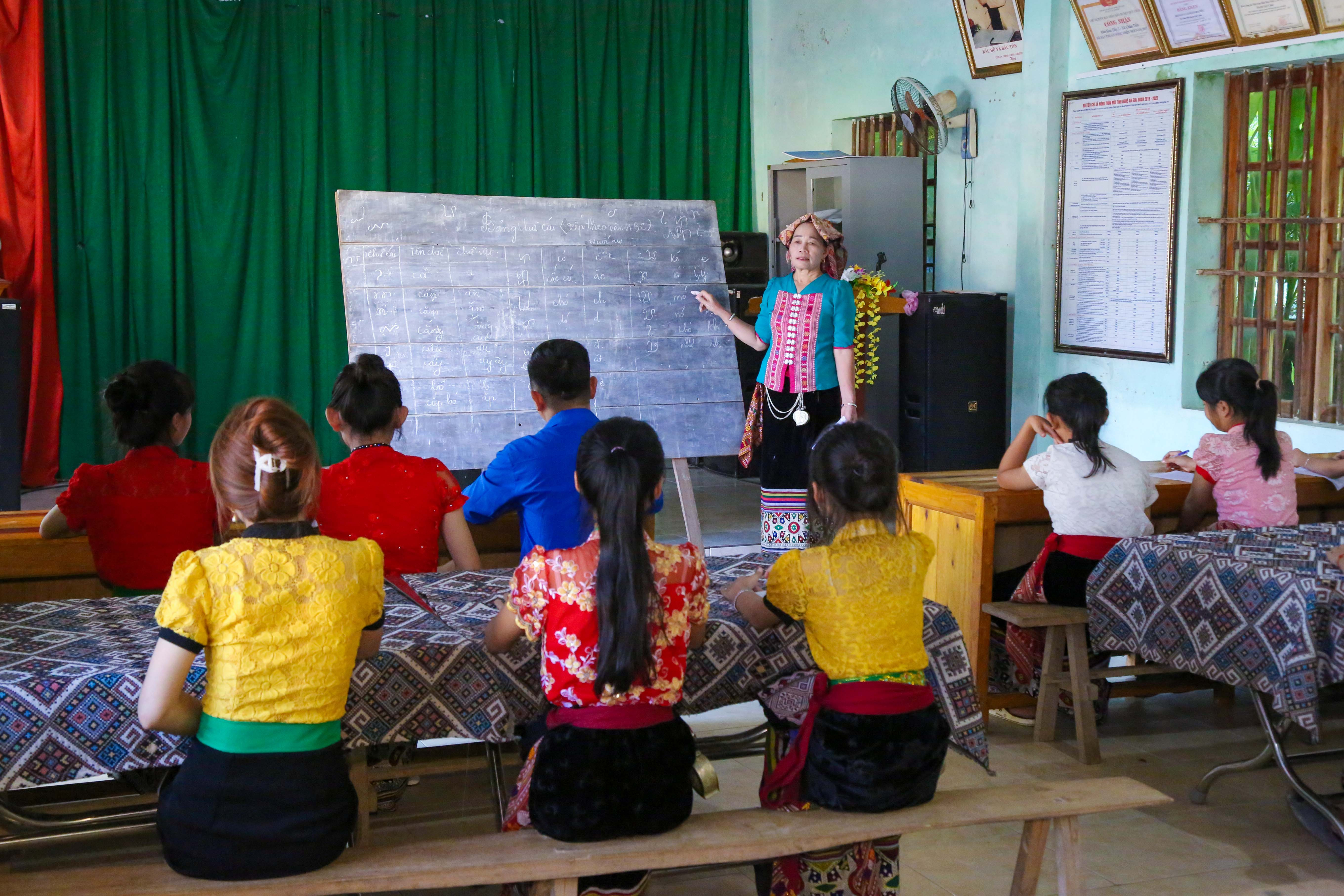
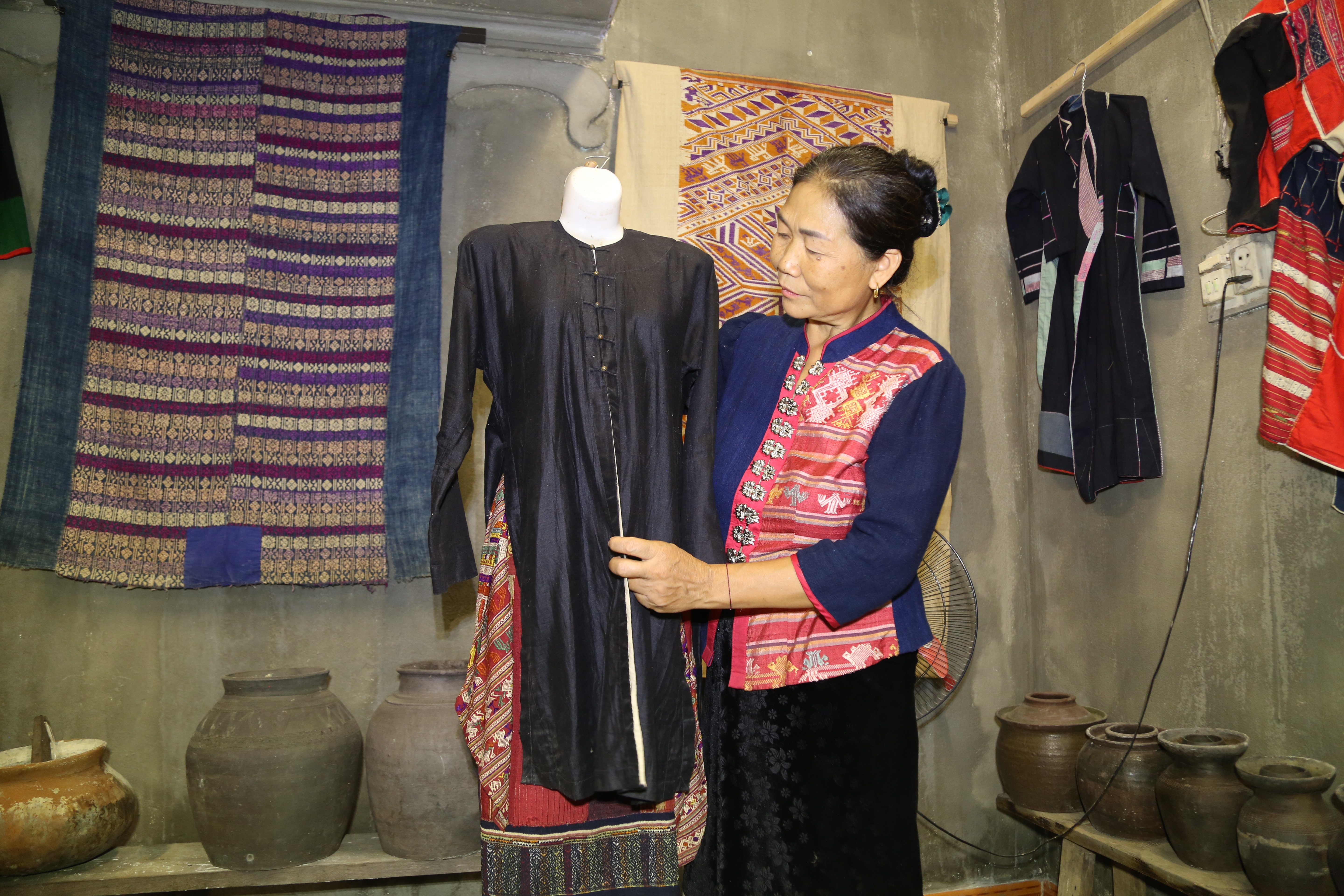
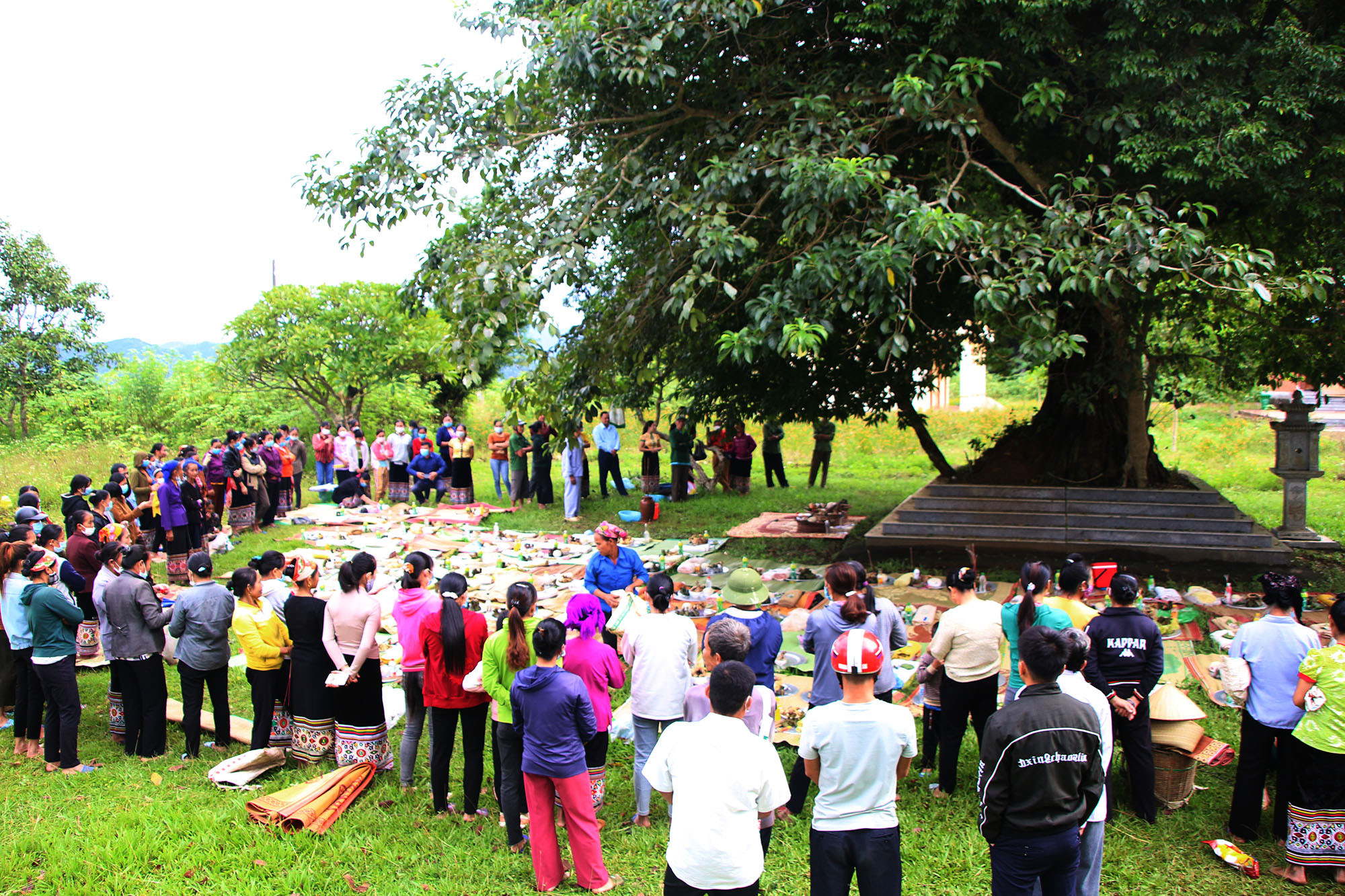
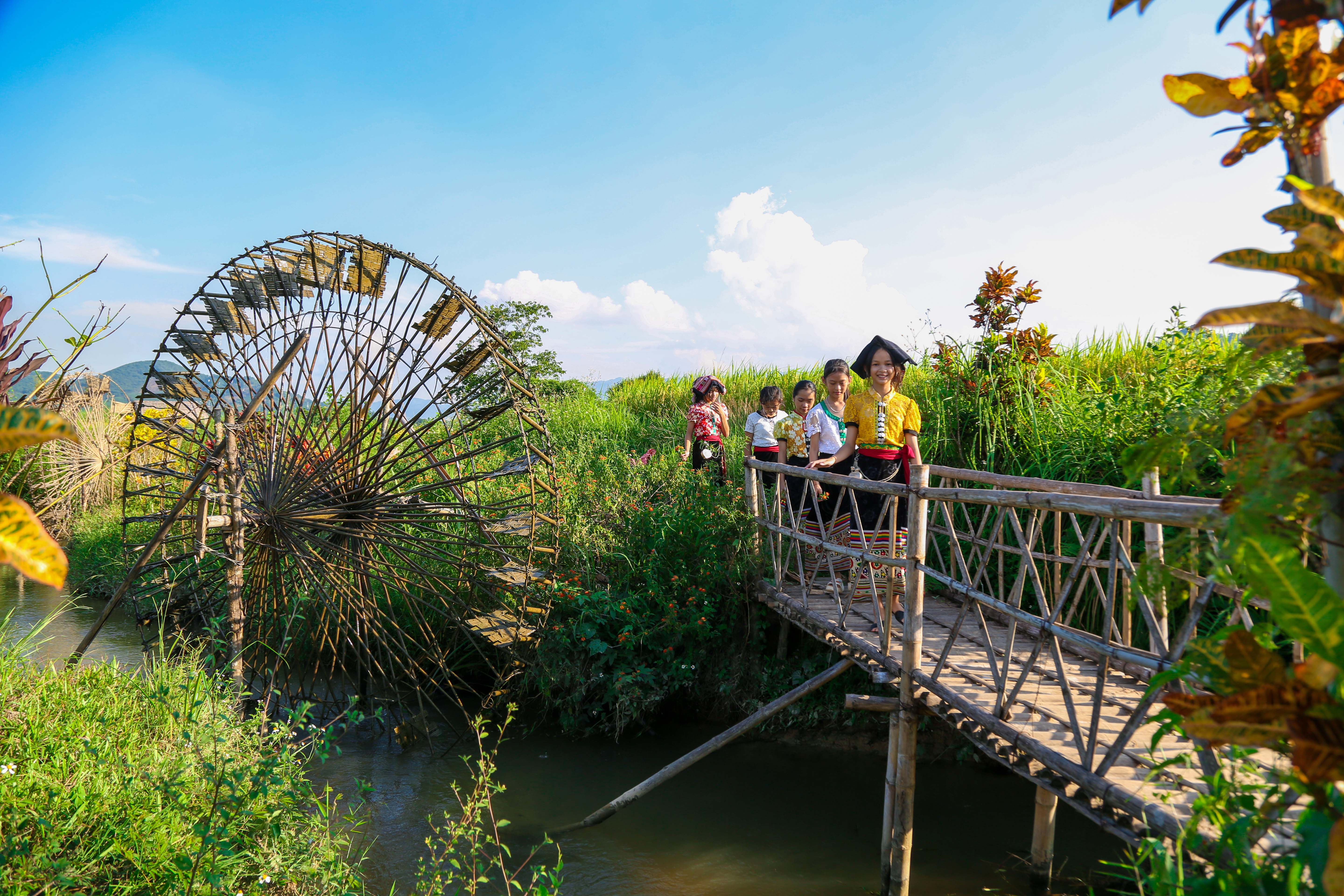
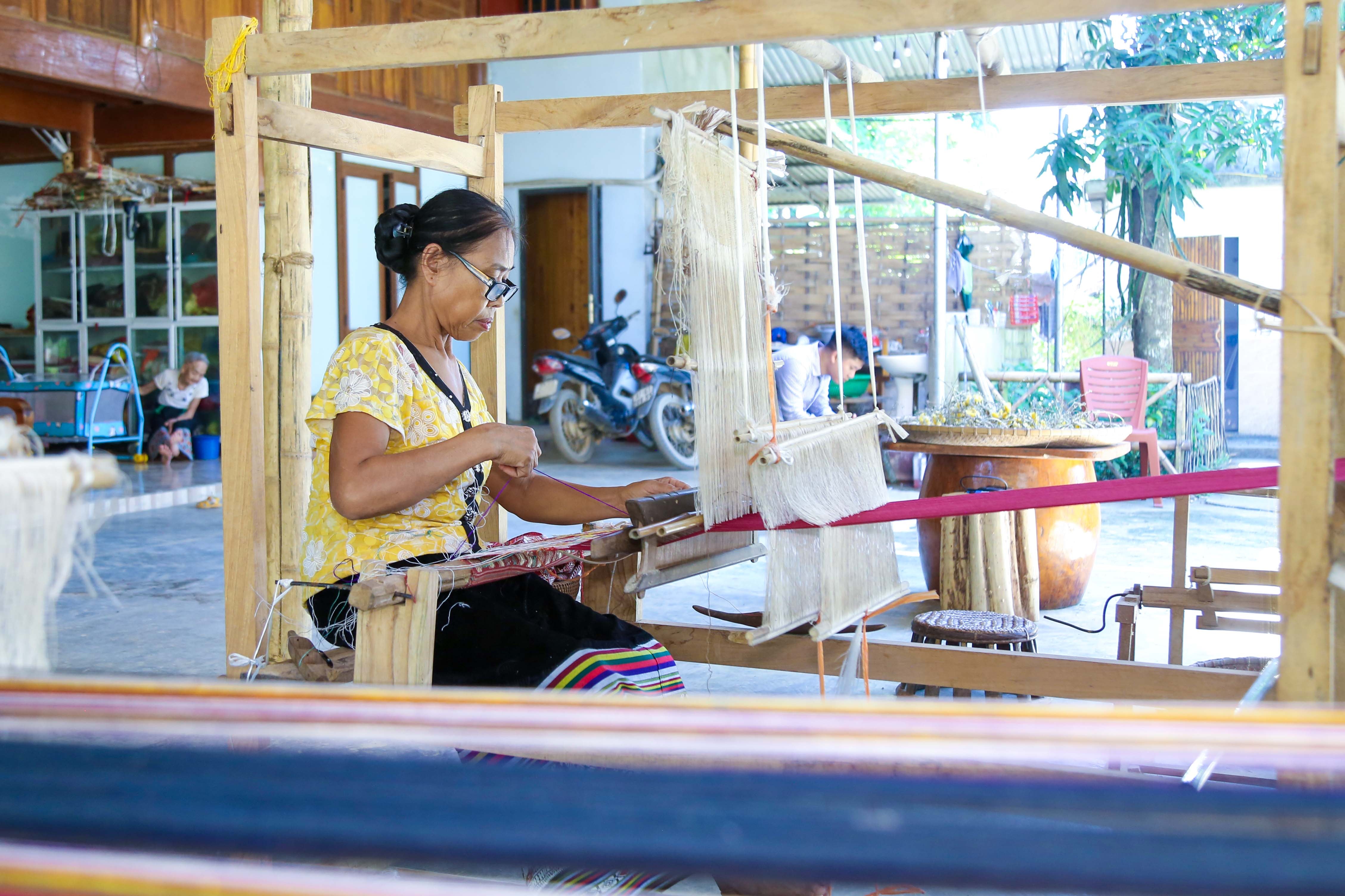
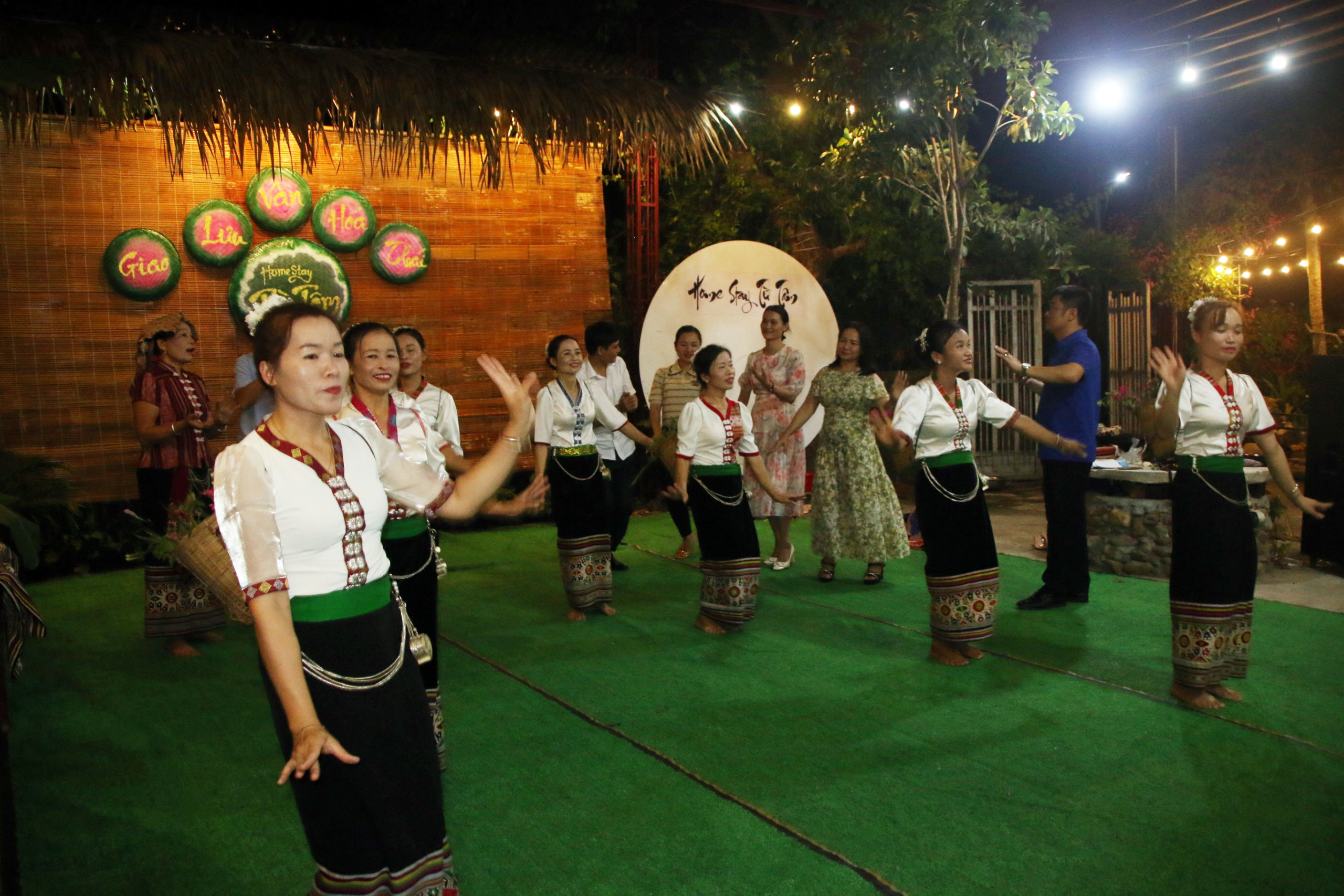
Chieng Ngam means a lively and beautiful land. Chieng, or "chieng," was formerly the center of the Muong (district), hence its lively atmosphere. Ngam means beautiful. This word is more common in Lao, but the Thai people still use it to name places and people with a sense of solemnity. This area borders the mountainous region of Chau Thuan commune, known as Muong Chai, on one side. On the other side, it borders Chau Thang commune and the Nam Giai River, which serves as a natural boundary between Chieng Ngam and Que Phong district. Photo: Dinh TuyenThe Thai people in the region have a folk song often mentioned by artisans when tourists visit: "Muong Chieng Ngam eats fish from three rivers." These are the small rivers Nam Giai, Nam Hat, and Nam Quang, tributaries of the Hieu River. These three rivers have deposited alluvial plains spanning hundreds of hectares, making Chieng Ngam the area with the most rice cultivation in Quy Chau district. (Photo: Dinh Tuyen)In Bản Hoa Tiến, Châu Tiến commune, formerly part of Chiềng Ngam district, the Sầm family held the position of District Chief of Quỳ Châu for many generations. This title, known as "local district chief," originated in the 19th century and was passed down within the family by the imperial court. The Thái script was widely used during the feudal and French colonial periods. Photo: Đình TuyênSince the 2010s, this area has begun to develop in line with the community-based tourism development policy of Nghe An province. The cultural characteristics of the people of Chieng Ngam have become a strength for tourism development. Traditional brocade weaving and mulberry cultivation have been restored. The Lai Tay script, one of the writing systems previously used, has been restored and taught. Folk songs and musical instruments of the Thai people are also crafted and taught by artisans. Photo: Huu ViCollecting and preserving ancient costumes. Pictured is the costume of Lady Nàng Hồng, wife of Mr. Sầm Văn Viên - the last Prefect of Quỳ Châu. Photo: Hữu ViFestivals such as the Hang Bua festival in January and the Pu Xua festival in September of the lunar calendar are still regularly held every year. Among them, the Pu Xua festival is a particularly unique spiritual ceremony. On the day of the festival, people gather at the ancient tree called "pu xua" in each village to worship the deities and guardians of the land, praying for peace and a bountiful harvest. Folk songs are still maintained during festivals, holidays, weddings, etc. Traditional clothing and the custom of drinking rice wine are still quite common. Photo: Huu ViThe people of Chiềng Ngam are primarily of the Thái ethnic group, who have cultivated wet rice for hundreds of years and still maintain water wheels to irrigate their fields. As a result, the villages have long since abandoned the practice of shifting cultivation and migration, instead developing a unique cultural region with a traditional way of life preserved in ancient stilt houses. (Photo: Đình Tuyên)Besides their unique rice-farming culture, the Thai people in Chieng Ngam cultivate mulberry trees, raise silkworms, weave brocade, and preserve the culture of stilt houses, the custom of drinking rice wine, and other cultural features that leave visitors with positive impressions. Photo: Huu ViToday, visitors to Chieng Ngam village see a modernized appearance, yet ancient cultural features are still preserved. The sounds of the khene (bamboo flute), the flute, and the gong music still resonate under the stilt houses. These cultural aspects are now expressed in cultural performances and festivals to welcome tourists. An ancient Chieng Ngam, a modernized and developing Chieng Ngam, is a vibrant picture that visitors from afar can easily recognize when they come to this land. Photo: Huu Vi