
When does high cholesterol require treatment?
According to surveys, on average, one in three adults has high LDL cholesterol levels, leading to elevated blood lipids. So, at what level of high blood lipids does treatment become necessary? The answer will be found in this article.
High blood lipid levels are a condition characterized by an increase in bad cholesterol (low-density lipoprotein – LDL) or triglycerides, or both, in the blood, leading to blood vessel blockage and seriously affecting cardiovascular health.
1. What is blood lipid?
Blood lipids consist of two main types: cholesterol and triglycerides.
Cholesterol includes:
- Good cholesterol (high cholesterol), bad cholesterol (low cholesterol)
- Total cholesterol, which accounts for a very high percentage (60-70%).
Cholesterol is a fatty substance found in the cell membranes of all tissues in the body and is transported in human blood plasma. Most cholesterol is synthesized by the liver from saturated fats; a small portion is absorbed from food such as eggs, milk, brain, red meat (beef, dog meat, duck, goat, lamb), animal fat, pork offal, beef offal, and shrimp.
Cholesterol is poorly soluble in water; it cannot dissolve and travel through the blood on its own but must rely on lipoproteins (lipoproteins are substances synthesized by the liver that are soluble in water and carry cholesterol).
Cholesterol is essential for the functioning of cell membranes in the body and is necessary for the body to produce hormones.
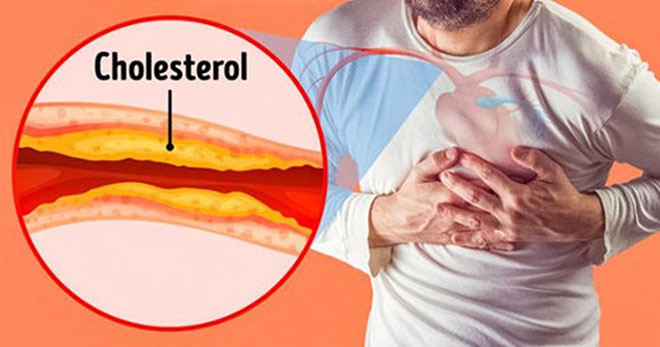
Good cholesterol (HDL-C) plays a role in keeping artery walls flexible for better blood flow and protecting blood vessel walls, while bad cholesterol (LDL-C) causes atherosclerosis.
2. Causes of high blood cholesterol
There are many causes of high blood lipid levels, including:
– Due to genetic factors, gender, and age.
– People who frequently experience prolonged stress.
– People who are obese and inactive.
– Unhealthy diet, consuming foods high in fat, smoking, excessive alcohol consumption.
– People with certain medical conditions such as: diabetes, hypertension, autoimmune diseases, hypothyroidism, polycystic ovary syndrome.
3. When is it considered high blood lipid levels?
Normal total cholesterol levels in the blood are < 5.2 mmol/l; levels above 5.2 mmol/l are considered high.
For HDL-C, the normal blood level in a healthy person is ≥ 0.9 mmol/l; the higher this level, the better.
Normal LDL-C levels in a person's blood are below 3.4 mmol/l. When these levels exceed 3.4 mmol/l, it is considered high.

When blood triglycerides are above 2.26 mmol/l, it is called high triglycerides. When both bad cholesterol and triglycerides are elevated, it is called mixed hyperlipidemia.
A blood lipid test is a simple test, performed like a routine blood test. It's important to note that fasting is required before the blood sample is drawn.
A minimum fast of 6-8 hours is required beforehand. Ideally, the test should be done in the morning after an overnight fast.
When does high blood cholesterol require treatment?
This is a common question among people who have received test results showing high blood lipid levels. Doctors will advise patients based on their specific circumstances.
For younger individuals without other risk factors, doctors will mostly recommend dietary and lifestyle changes to lower blood fat, including:
- Increased physical activity is necessary.
- It is necessary to limit saturated fats, especially animal fat, and dairy products like tea.
- It is necessary to reduce cholesterol intake from foods such as egg yolks, butter, shrimp, etc.
- It is necessary to eat plenty of green vegetables and fruits to supplement fiber, vitamins, and minerals.
- You need to lose weight if you are overweight or obese.
- Do not smoke.
- You should limit your alcohol consumption.
If, after lifestyle changes (for about 2-3 months), blood lipid levels do not decrease or remain high, your doctor may recommend medication. Statins are the most common type of medication used to lower LDL cholesterol and reduce the risk of heart disease. Fibrates and niacin are often used to lower triglycerides and increase HDL cholesterol.
The type of medication and dosage will be individualized depending on the level of blood lipids, as well as other risk factors for cardiovascular disease.
In short:When experiencing high blood lipid levels, in addition to taking medication prescribed by a doctor, a proper diet and lifestyle play a crucial role in bringing blood lipid levels back to normal. Furthermore, it's necessary to increase physical exercise, control weight, quit smoking and avoid stimulants. Regular check-ups at reputable medical facilities are also recommended to receive advice from doctors and undergo blood lipid tests to prevent further high cholesterol.
Doctor Nguyen Thi Ngoc, Specialist Level I