

To ensure the holistic development of children in mountainous regions.
(Baonghean.vn) - Improving the quality of the population in ethnic minority and mountainous areas is one of the important contents of Project 7, aimed at implementing the National Target Program for Socio-Economic Development of Ethnic Minority and Mountainous Areas in the period 2021-2030.
This has also been a consistent focus of the Population sector's work over the years, with an emphasis on examination, consultation, screening, diagnosis, and treatment of certain prenatal and neonatal diseases.
Caring for the health of mothers and children.
Nearly a month after the birth of their second child, Mr. and Mrs. Vi Thi Linh, from Thai Phong Hamlet, Kim Son Town (Que Phong District), received their test results.newborn screeningThe results of the child's heel prick blood test showed that, among the six indicators, the G6PD deficiency was particularly concerning, with the test result exceeding the differential threshold. Upon receiving these results, Ms. Tran Thi Nhung, a population officer from Kim Son town, visited the family to offer encouragement and advice, urging them to continue monitoring the child's health and find a suitable time for further check-ups.
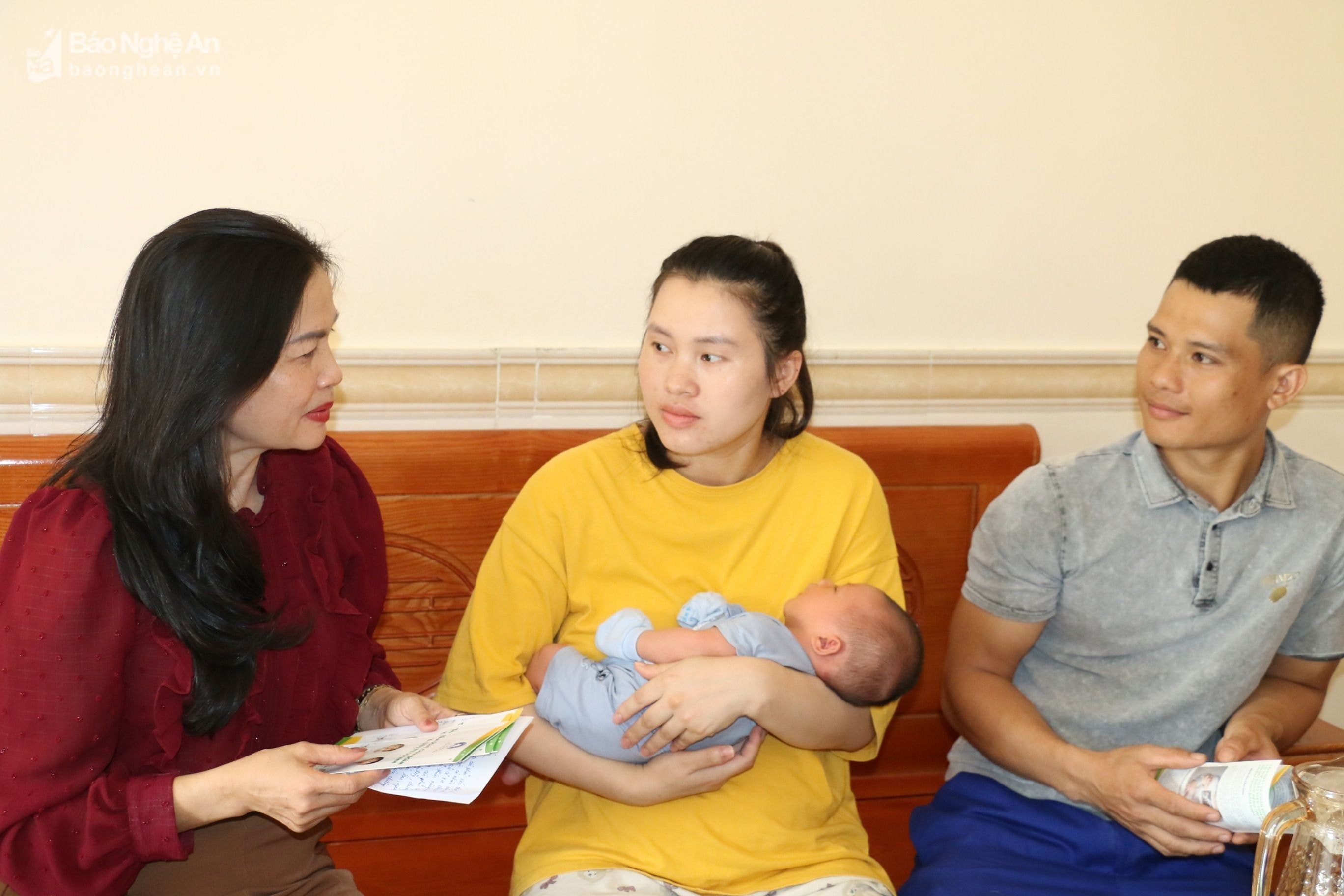
“Both my husband and I work far from home, so when our second child was born, we were both very worried. A few months ago, we had NIPT testing to screen for birth defects before birth, but nothing abnormal was found, so we felt quite reassured. When the baby was born, we were advised to have a heel prick blood test to screen for many dangerous diseases, so we decided to go ahead with it. Thanks to this, we learned about the risks to our child and were able to take early measures to care for and support her later,” shared Ms. Vi Thi Linh.
Having worked in population management in Kim Son town for many years, Ms. Tran Thi Nhung is well-informed about the number of births in the area, as well as the number of newly married couples, those of childbearing age, or those preparing to have children. Based on the compiled data, she and her colleagues at the commune health station regularly conduct visits and provide advice. One of the most important aspects is reminding couples to have pre-marital health checkups, prenatal screenings before having children, and to take heel blood samples from newborns.
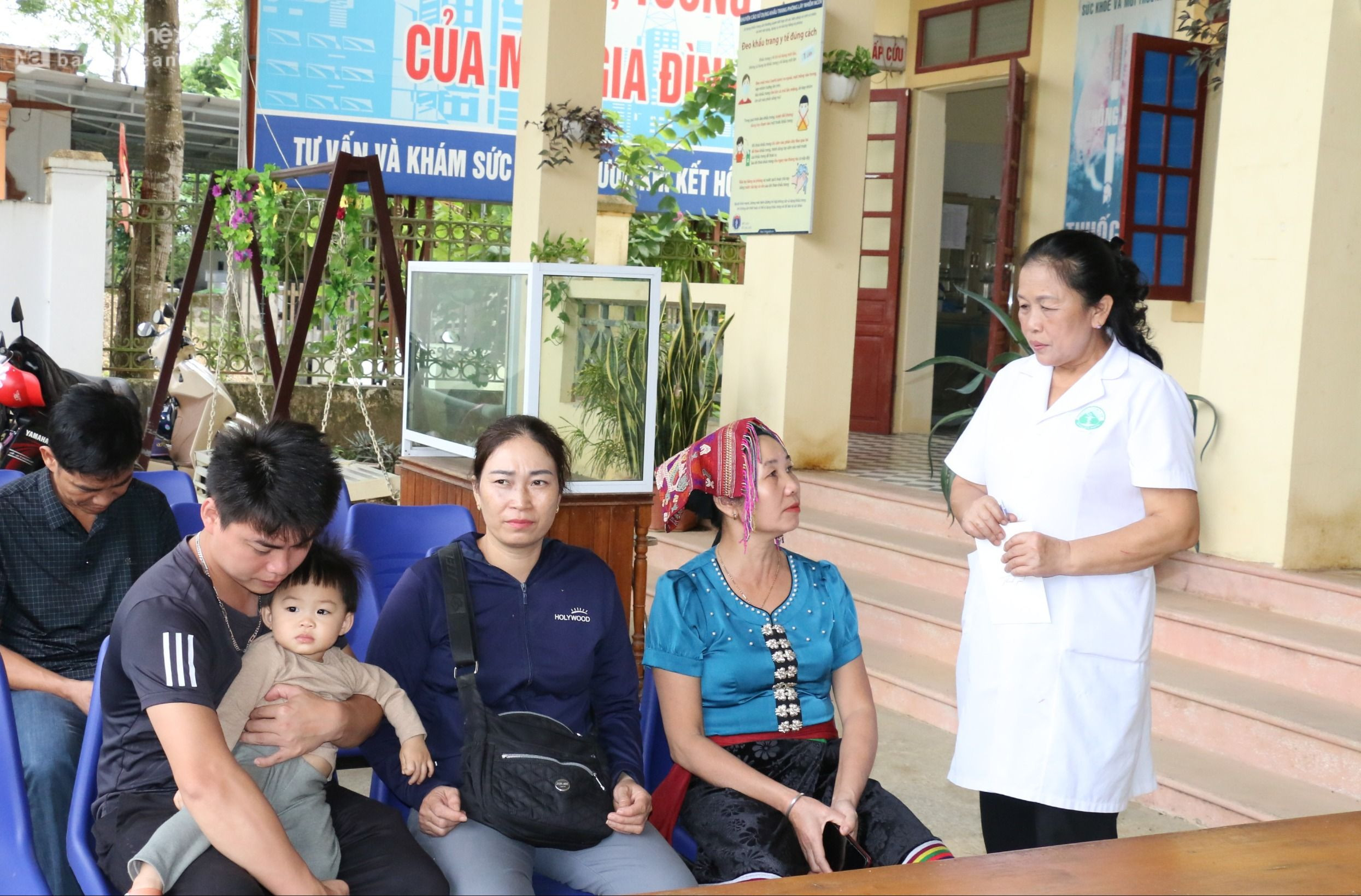
“Since the merger of Muong Ngoc commune into Kim Son town, the population in the area has increased, including many households of ethnic minorities. Roads are difficult to access, and information is limited, so many mothers haven't paid attention to prenatal health checkups. Therefore, in recent times, we have integrated and coordinated with various departments, hamlets, and community meetings, as well as meetings of the Farmers' Association and Women's Association, to promote awareness and mobilization efforts,” added Ms. Tran Thi Nhung.
Que Phong is a mountainous district with a relatively high proportion of ethnic minorities. Due to customs, traditions, and insufficient knowledge, a significant number of newborns have not undergone screening, resulting in a high rate of malnutrition and genetic diseases among children.
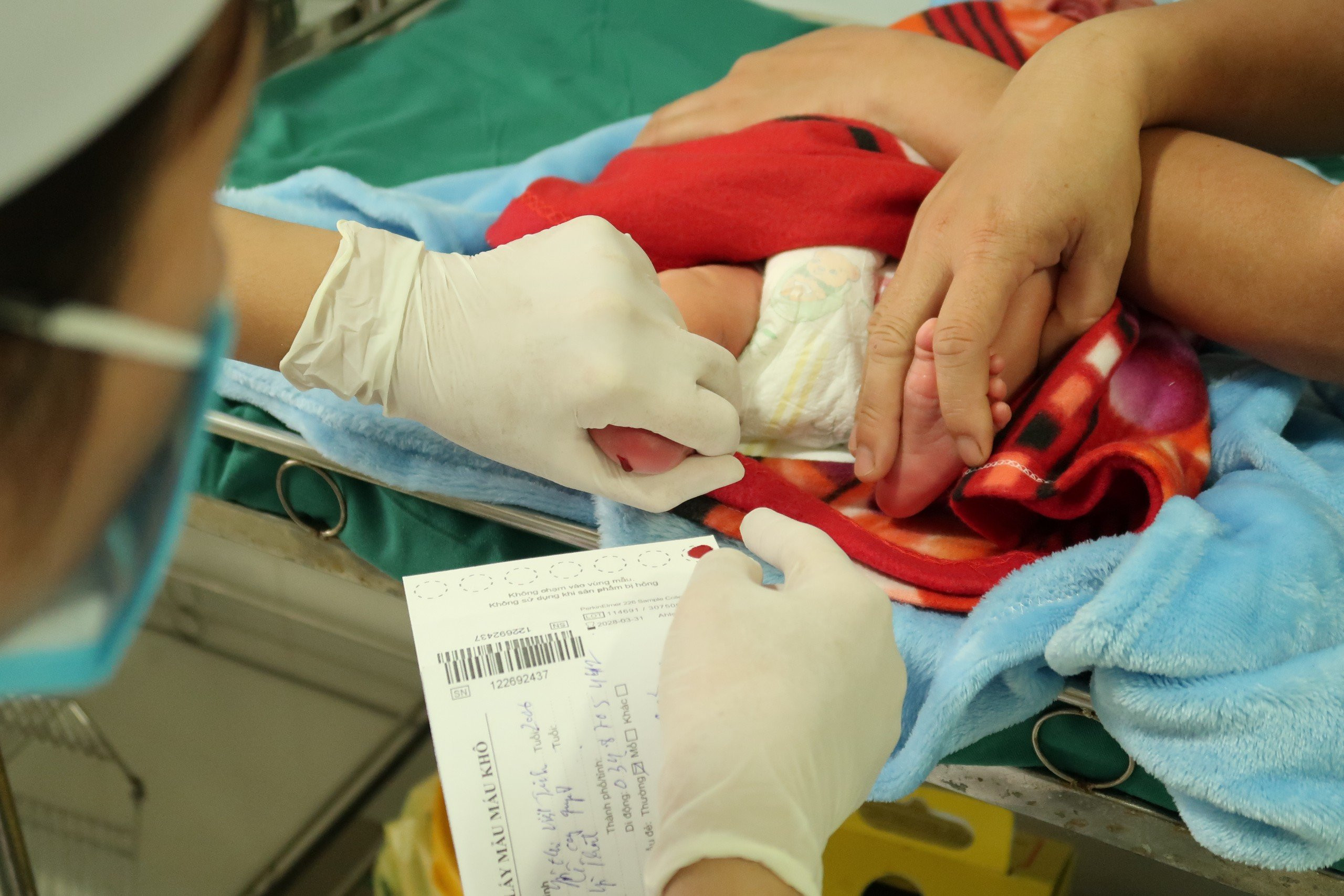
Previously, the number of newborns undergoing heel prick blood tests was very low, only about 30 cases per year. Therefore, this year we have intensified our efforts to explain to families the benefits of heel prick blood testing for disease screening, which is good for future generations of citizens. As a result, the number of children whose blood has been tested has increased significantly. Since the beginning of the year, we have screened over 200 cases (accounting for nearly 40% of newborns) and received feedback indicating over 10 cases of G6PD deficiency. After receiving the results, we referred the families to Nghe An Obstetrics and Pediatrics Hospital and other higher-level hospitals for further monitoring and treatment.
Not only in Que Phong district, but also in many localities, officials from the Population Department are persistently carrying out propaganda and counseling work to raise awareness among people in mountainous areas.
Ms. Vi Thi Khe, a population officer in Nga My commune (Tuong Duong district), said: "The terrain is complex, and people in mountainous and highland areas have limited access to healthcare services. Therefore, every year, through population campaigns, we try to coordinate with the district health center to bring services to the grassroots level, helping women get prenatal screenings. After children are born, we also encourage families to take heel blood samples from their babies to screen for dangerous diseases. In addition, we guide people in the villages to do a good job of disease prevention and control, provide nutritional advice for pregnant women and breastfeeding mothers, monitor health, and ensure hygienic eating habits; review the list of children due for vaccination… to urge people to comply.”
Strengthening examination and screening efforts.
At 29 weeks pregnant, Ms. Ha Y Hoa from Tham Hin village, Nam Can commune, Ky Son district, had her first prenatal check-up and ultrasound. However, upon receiving the results, both Hoa and her husband were worried because the fetus showed signs of abnormalities, and the doctor advised them to go for further examination at a provincial hospital. There, after the initial examination, the couple was advised by doctors at the Center for Prenatal and Neonatal Screening and Diagnosis – Nghe An Obstetrics and Pediatrics Hospital that they needed to undergo amniocentesis for diagnosis due to the high-risk screening results.
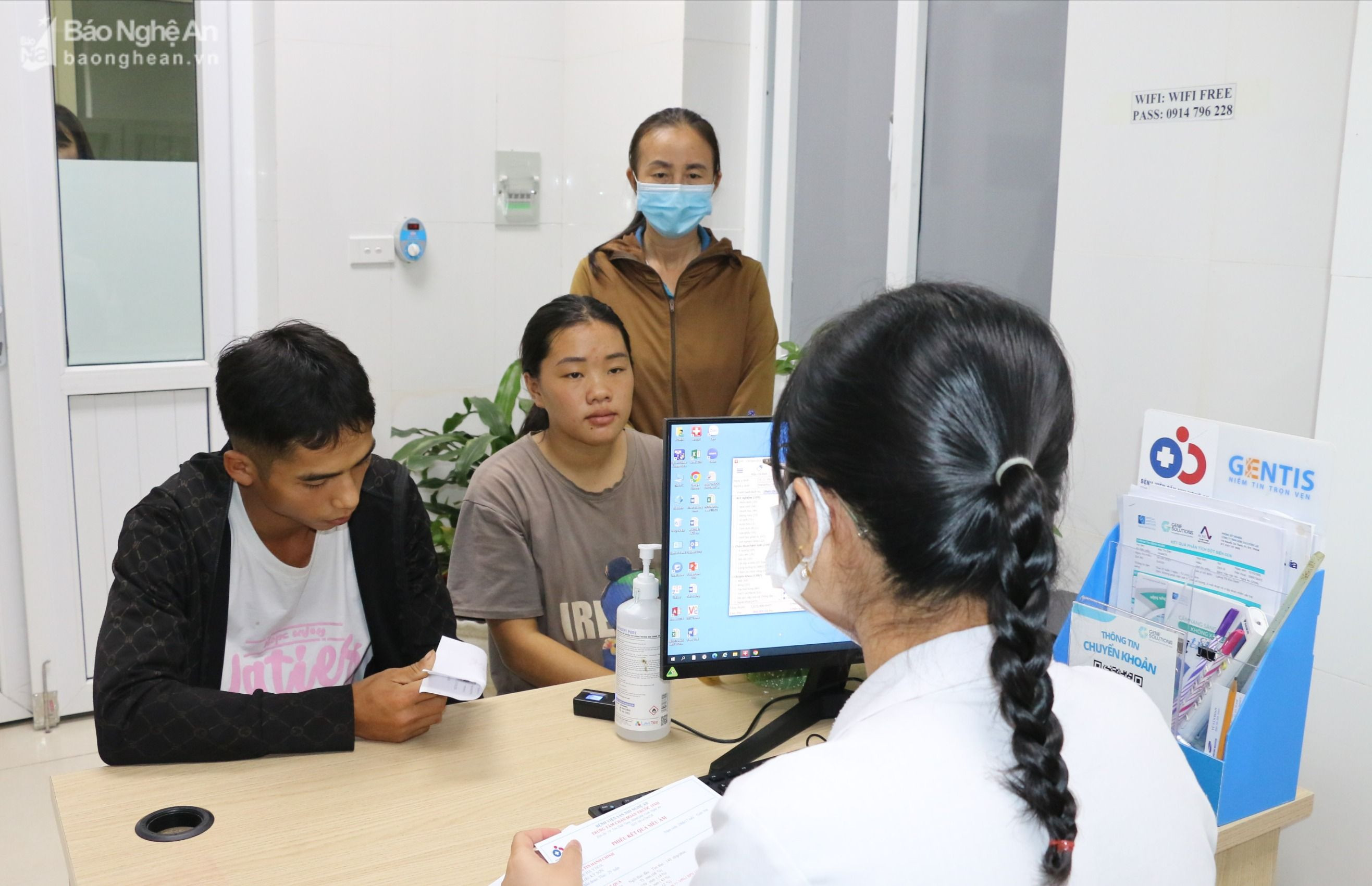
Previously, Ms. Hoa and her husband both worked as rubber plantation workers in Quang Binh. Due to negligence and difficult travel conditions, they had never had a check-up even though it was their first pregnancy. By the time they discovered an abnormality, the pregnancy was already advanced, leading to many potential risks for the fetus.
According to Dr. Tran Anh Tu, Deputy Director of the Center for Prenatal and Neonatal Screening and Diagnosis at Nghe An Obstetrics and Pediatrics Hospital: "Prenatal and postnatal screening is extremely important in helping to detect abnormalities in children early. With current techniques, screening can increase the chances of having a healthy child, reduce anxiety about the mother's health, and minimize the risk of having a child with diseases or birth defects."
Furthermore, early blood sampling and screening after birth are extremely important because there are cases where families without a history of the disease can still have children with the condition. Especially in mountainous districts, screening and prevention are crucial and decisive in avoiding thalassemia in children, a disease that is quite common and poses long-term dangers.”
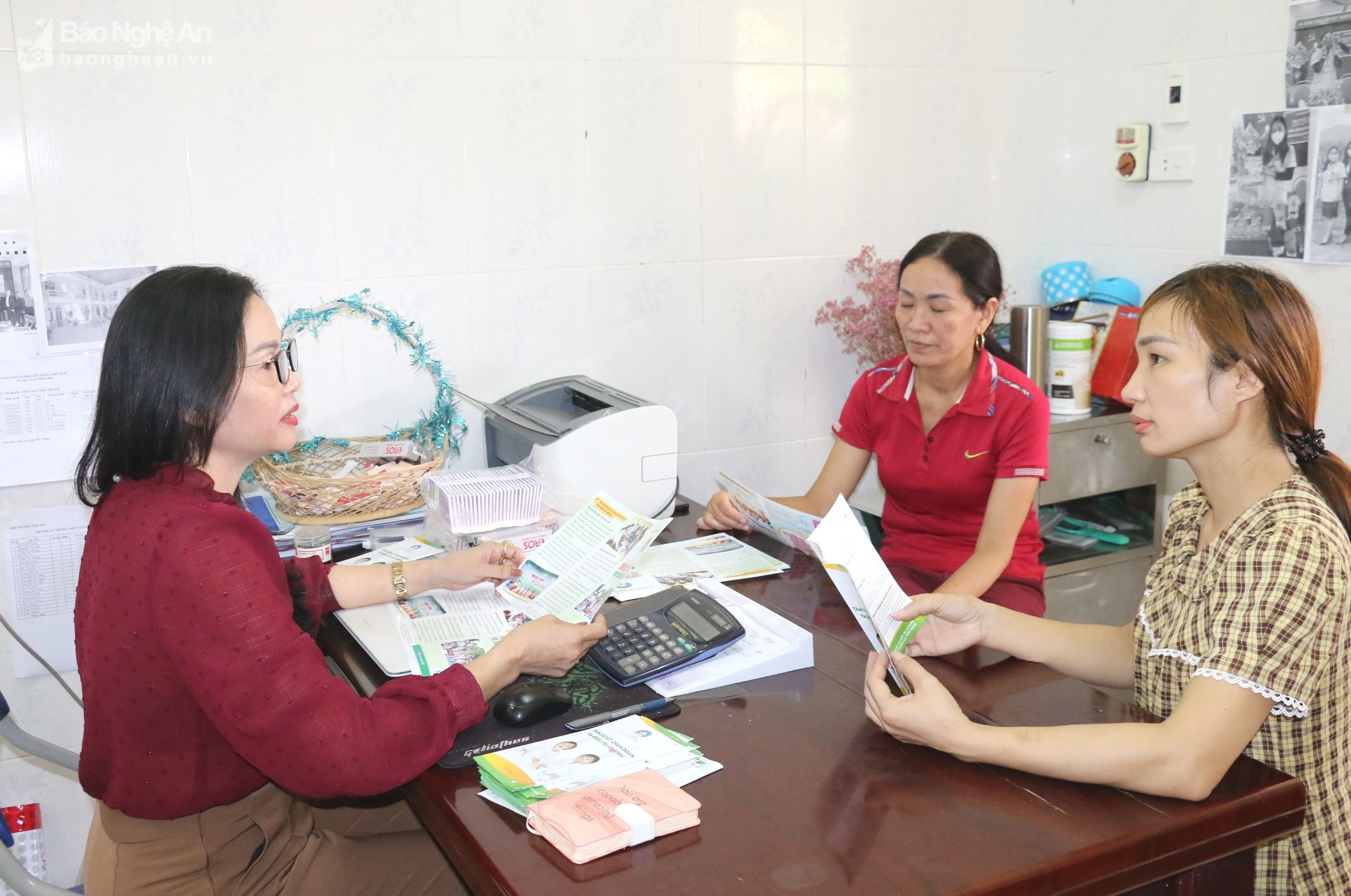
Since 2018, the Provincial Population and Family Planning Department has implemented the Prenatal and Neonatal Screening Project for the period 2018-2022, and it has now been expanded to all communes, wards, and towns in the 21 districts and cities throughout the province. Thanks to the implementation of the project, Nghe An has organized numerous communication, counseling, and training sessions providing information on improving population quality and prenatal and neonatal screening to tens of thousands of people.
Over the past five years, nearly 135,000 prenatal screenings have been performed, achieving a rate of 75%, and nearly 12,000 newborn screenings, achieving a rate of 17%.
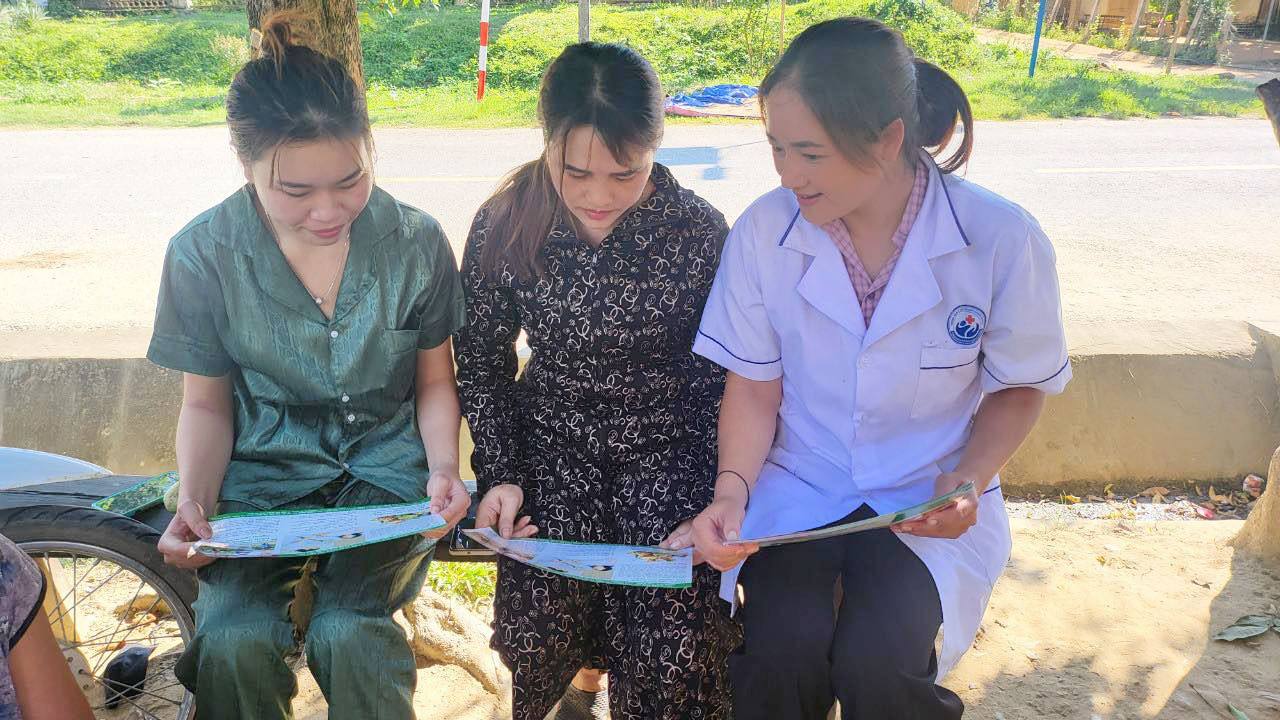
In practice, the program's implementation has also shown that, alongside the achievements, diagnostic and screening work is facing many difficulties, especially in high mountainous districts.
In the coming period, we will prioritize programs for ethnic minority communities, such as prenatal and newborn screening, prevention of consanguineous marriage and child marriage, and prevention of thalassemia. In addition, we will continue to promote and advocate for policies and laws on population, marriage, and family; organize professional counseling in the community on pre-marital health check-ups and screenings; and conduct prenatal and newborn screening, diagnosis, and treatment. Simultaneously, we will implement various programs and bring services to individual facilities to ensure people have access to comprehensive health check-ups, consultations, and care.