

9 herbal remedies that help control blood sugar
Diabetes mellitus is one of the most common endocrine metabolic disorders, causing significant morbidity and mortality. The use of herbal remedies plays a significant role in supporting good blood sugar control.
1. General mechanism by which herbal medicines lower blood sugar.
Diabetes has two types, with type 2, or non-insulin-dependent diabetes, being the most common form, accounting for 90% - 95% of cases. Treatments include insulin and various oral medications such as sulfonylureas and biguanides.
Recently, several medicinal plants have been shown to be beneficial and safe in the treatment of diabetes worldwide. More than 400 plant species with hypoglycemic effects have been documented, containing pharmacological components such as glycosides, alkaloids, terpenoids, flavonoids, carotenoids, etc.
Plant-derived medicines have the potential to treat diabetes due to their properties of stimulating insulin production, increasing insulin secretion, reducing insulin resistance, and inhibiting glucose absorption in the intestines, thereby lowering blood sugar levels.
2. Herbal remedies to help control blood sugar.
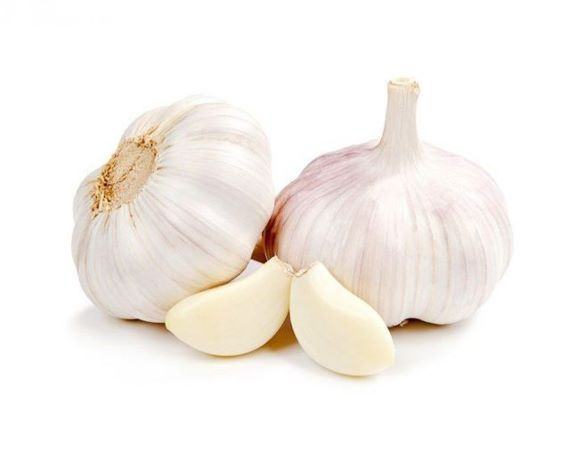
2.1. Garlic (Allium sativum)
Garlic is a very familiar plant to Vietnamese people, used as medicine and spice in daily life. Ethyl ether extract at a dose of 0.25 mg/kg has been reported to have a potent hypoglycemic effect due to increased glucose utilization activity in the blood, similar to insulin activity.
Oral administration of ethanol extracts, juices, and oils of garlic has a significant hypoglycemic effect in normal diabetic mice through alloxan or stimulation of insulin secretion from pancreatic beta cells.
In addition, allicin, S-allyl cysteine sulfoxide (SACS), a precursor of allicin, and garlic oil have also been shown to have significant hypoglycemic effects due to increased hepatic metabolism and increased insulin release from pancreatic beta cells.
Daily administration of garlic extract at a dose of 100 mg/kg increased insulin levels while decreasing blood glucose levels. The effects of garlic on mice fed a high-fat diet for two weeks suggested that garlic plays a role in regulating insulin rather than lowering blood glucose.
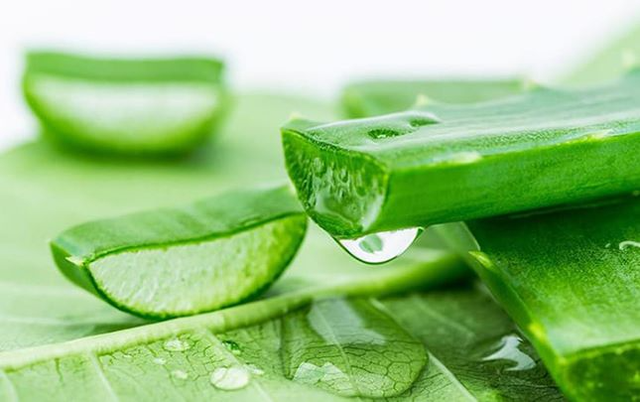
2.2. Aloe vera (Liliaceae)
Aloe vera, also known as aloe, belongs to the succulent family. It has cooling properties and is effective in reducing swelling and pain, relieving inflammation, reducing fever, disinfecting, and detoxifying; it is primarily used to treat boils, burns (from fire and water), and scabies.
Additionally, aloe vera can lower blood sugar by stimulating the synthesis or release of insulin from the beta cells of the islets of Langerhans.
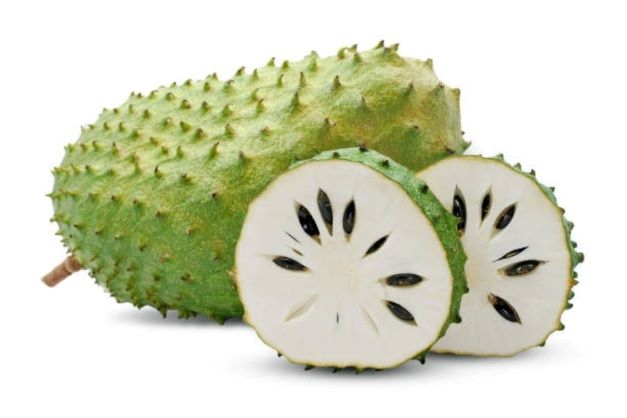
2.3. Soursop (Annona muricata)
Soursop is a fruit tree abundant in Southeast Asia and Southern Vietnam, and is a significant source of fiber, vitamin C, B1, B2, and healthy minerals. Additionally, soursop also contains small amounts of niacin, riboflavin, folate, and iron, all essential for the body.
Soursop has antioxidant effects, prevents cancer, improves digestion, and strengthens immunity... Recently, it has been shown that soursop plays an important role in reducing the oxidation of pancreatic β cells in streptozotocin-induced diabetic mice, through increasing β cell surface area and counteracting β cell degeneration.
The compound annonacin found in the seeds of the soursop is a neurotoxin; therefore, the seeds must be completely removed before consumption to avoid neurodegenerative diseases and acute neurotoxicity.
2.4. Sour tamarind tree (Biophytum Sensivum)
Tamarind has a sour taste and cooling properties, and is effective in clearing heat, promoting urination, reducing inflammation, and stopping bleeding. People often boil the branches and leaves with water spinach for a refreshing sour taste, or use it in sour soup with fish. Additionally, tamarind is commonly used as a medicine to treat digestive problems, urinary tract infections, kidney stones, boils, and other ailments.
The leaf extract of the sorrel plant stimulates pancreatic beta cells to release insulin in diabetic male rabbits and lowers blood glucose levels. The use of sorrel extract in non-diabetic rabbits fasted for 16 hours also resulted in a significant increase in serum insulin levels.
2.5. Green tea (Camellia sinensis)
Tea is a common crop in the northern provinces of Vietnam, used for both tea and daily consumption. The main part of the tea plant used is the leaf, processed into various types such as white tea, green tea, oolong tea, and black tea. Fresh branches and leaves can be brewed into a tea (fresh tea), or young buds and leaves can be harvested and roasted (dried tea), then steeped in boiling water for consumption.
In total, more than 4000 compounds have been studied from tea, including polyphenols, alkaloids (caffeine, theophylline, and theobromine), vitamin C, amino acids, essential oils, and minerals. Of these, polyphenols have the highest concentration.
Tea leaves have been proven to have many uses, including: antioxidant properties, cancer prevention, treatment of diarrhea, treatment of burns, treatment of ulcers, anti-inflammatory effects, nerve stimulation (due to caffeine), diuretic effects (due to theobromine and caffeine), antidiarrheal effects (due to tannins), and treatment of edema.
In addition, epigallocatechin gallate, a compound found in tea, has been shown to increase insulin activity and prevent tissue oxidation in streptozotocin-induced diabetes mellitus in mice.

2.6. Chili pepper (Capsicum frutescens)
Chili peppers are a common everyday food, spicy and warming in nature; they have the effect of warming the body, dispelling cold, strengthening the spleen, and aiding digestion; they are used to treat diarrhea, cold coughs, stagnation, malaria, clear meridians, relieve pain, and disinfect.
Chili leaves have a bitter taste and a cooling nature, with effects of clearing heat, detoxifying, and promoting urination. Chili roots have similar properties and uses to the fruit, and also have the effect of promoting blood circulation and reducing swelling; they are often used to treat testicular swelling and pain, and functional uterine bleeding.
Research indicates that chili peppers help increase plasma insulin levels in type 2 diabetic mice fed a high-fat (HF) diet for 4 weeks. Using 2% chili peppers in the diet has been shown to support diabetes treatment through an insulin-boosting mechanism rather than a hypoglycemic one.
2.7. Cornus officinalis fruit
Cornus officinalis is a traditional medicine herb with a sour and astringent taste, warm nature, and acts on the liver and kidney meridians. Uses: Nourishes the liver and kidneys, strengthens the essence, and controls urination. Main indications: Back pain, knee weakness, nocturnal emissions, dizziness, tinnitus, fever, heavy menstruation, and night sweats.
Cornus officinalis has the following pharmacological effects:Anticoagulant effect: Extracts from Cornus officinalis have been shown to inhibit platelet aggregation.Antibacterial properties: A decoction of Cornus officinalis has an inhibitory effect on dysentery bacilli, typhoid bacilli, and Staphylococcus aureus.Experiments have shown that the herb has hypotensive and diuretic effects.
Furthermore, the alcoholic extract of Cornus officinalis can increase GLUT4 mRNA and promote the proliferation of pancreatic islet cells by increasing postprandial insulin secretion, thus promoting glucose transport into the liver and causing hypoglycemia. Methanol extracts and their fractions also exhibit insulin-like activity via phosphoenolpyruvate carboxykinase.
2.8. Gymnema sylvestre
Alcoholic extracts of Gymnema sylvestre stimulate insulin secretion from the islets of Langerhans in mice, resulting in hypoglycemic effects.
Oral administration of a water-soluble Gymnema sylvestre leaf extract at a dose of 400mg/day reduces fasting blood glucose levels and insulin requirements in type 1 diabetes patients; and enhances the regeneration or repair of pancreatic beta cells in type 2 diabetes patients thanks to the molecules of gymnemia dihydroxy gymnemia triacetate.
Gymnema sylvestre has the effect of lowering LDL-cholesterol and triglyceride levels in the blood, preventing atherosclerosis, and reducing blood pressure in patients with hypertension. The leaves of Gymnema sylvestre are also used as a digestive aid, and when powdered, they are used to counteract toxins and inflammation.
2.9. Bitter gourd (Momordica charantia)
Bitter gourd is a commonly grown fruit in Vietnam, used in medicine, food, and tea. It contains components such as saponins, polysaccharides, proteins, and peptides, which have hypoglycemic, hypolipidemic, and uric acid-lowering effects, as well as antioxidant and anticancer properties.
The phytochemicals momordicin, charantin, and several compounds such as galactose-binding lectin and proteins isolated from different parts of this plant have been shown to have insulin-like activity.
Water extracts from unripe bitter gourd fruit stimulate the release of insulin from pancreatic beta cells in hyperglycemic obese mice.
NoteDiabetic patients must adhere to their medication regimen as prescribed by their doctor. Do not discontinue medication, stop taking medication, or combine medications without consulting your doctor.
Traditional medicine remedies are derived from plants.These herbal remedies are only intended to support the treatment of diabetes and do not replace standard treatment methods. Consult your doctor if you wish to use herbal supplements./.