

Urgent solutions for forest restoration and development in Ky Son
(Baonghean.vn) - According to experts, Ky Son district (Nghe An province) is still poor due to objective reasons such as complex terrain, harsh climate, lack of arable land, natural disasters, and inadequate infrastructure in many areas. Subjectively, a significant reason is the failure to fully utilize the economic potential of its forests.
The current difficult situation
Ky Son district borders five districts belonging to three provinces of the Lao People's Democratic Republic: Hua Phan, Xieng Khouang, and Bolikhamsai, with a border length of 192 km. It has the highest average altitude above sea level in the province, with Puxailaileng peak at 2,711m – the highest mountain in Nghe An province and the entire Northern Truong Son mountain range. In addition, the district also has many other high peaks such as Pu Soong (2,365m), Pu Tong (2,345m), Pu Long (2,176m)… Ky Son district can be considered the "roof of Nghe An". The district has a population of over 80,000 people, of which the Khmu, Mong, and Thai ethnic groups account for 95.9%.
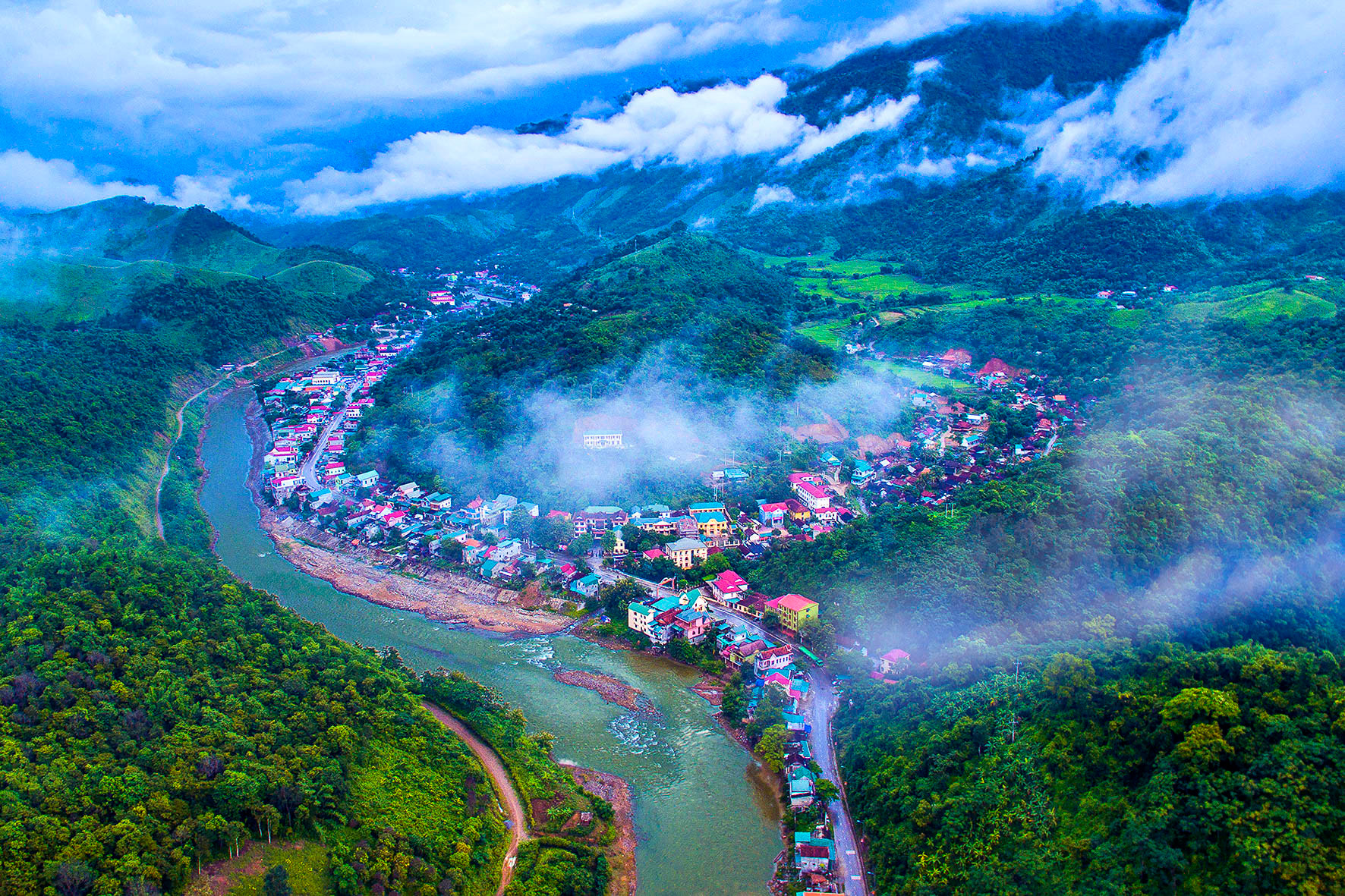
In recent years, with the support of state investment, the contributions of organizations and businesses, and the efforts of the people of all ethnic groups in Ky Son district, the district has made significant progress in infrastructure as well as socio-economic development, security, and national defense. However, Ky Son district is still among the poorest districts in the country, with a poverty rate of over 51% (including many communes with poverty rates exceeding 70% such as Muong Tip, Muong Ai, etc.).
The key reason for Ky Son's escape from poverty today is that the district has been able to leverage its comparative advantages, especially its forest land.
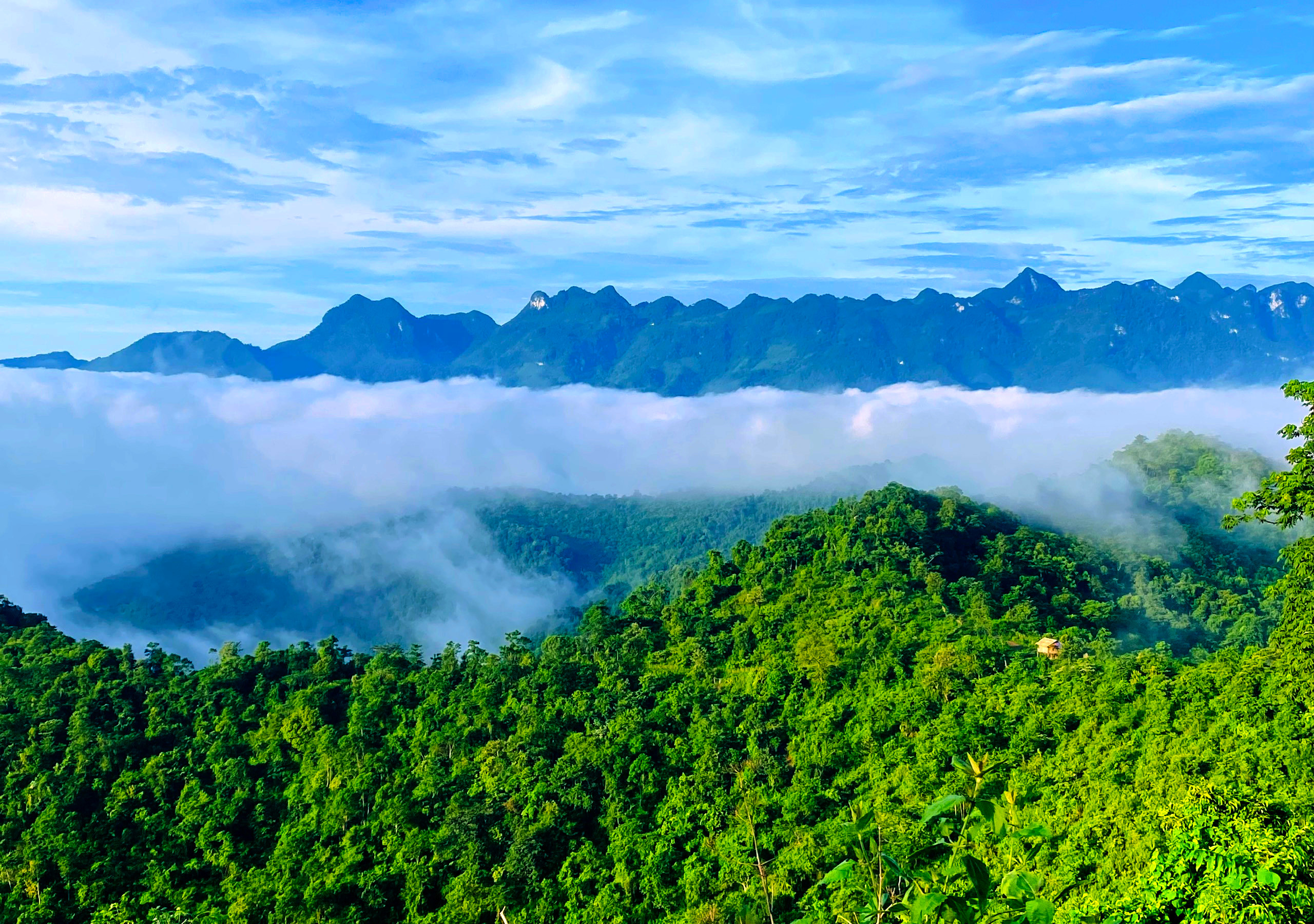
Ky Son district has a total area of 2,094.84 km².2This accounts for 12.64% of the total area of Nghe An province. According to the land use status in 2020 (data from Decision 383 dated September 29, 2022, approving the land use plan for Ky Son district until 2030), the agricultural land area is 203,288.29 hectares, accounting for 97.14%. Of this, land for rice cultivation, annual crops, and perennial crops has an area of 5,480.71 hectares, accounting for 2.62% (rice cultivation area: 1,603.36 hectares, of which only 216.2 hectares are for wet rice cultivation).
The forest land area of Ky Son is 197,792.71 hectares, accounting for 94.52% (of which, the area of protection forest is 116,801.54 hectares, the area of production forest is 80,991.17 hectares, of which natural production forest accounts for 60,043.23 hectares).
From the above figures, we can see that the biggest advantage of Ky Son district is the development of forests and forest-based economy.
However, despite strenuous efforts in forest protection, the consequences of many years of slash-and-burn agriculture by local people have resulted in deforestation in Ky Son district, with the current forest cover rate at only 51.9%. This is a very low rate for a mountainous district, one of the highest in the province, with steep hills (compared to Tuong Duong, Que Phong, and Quy Chau districts, all of which have forest cover rates above 75%).
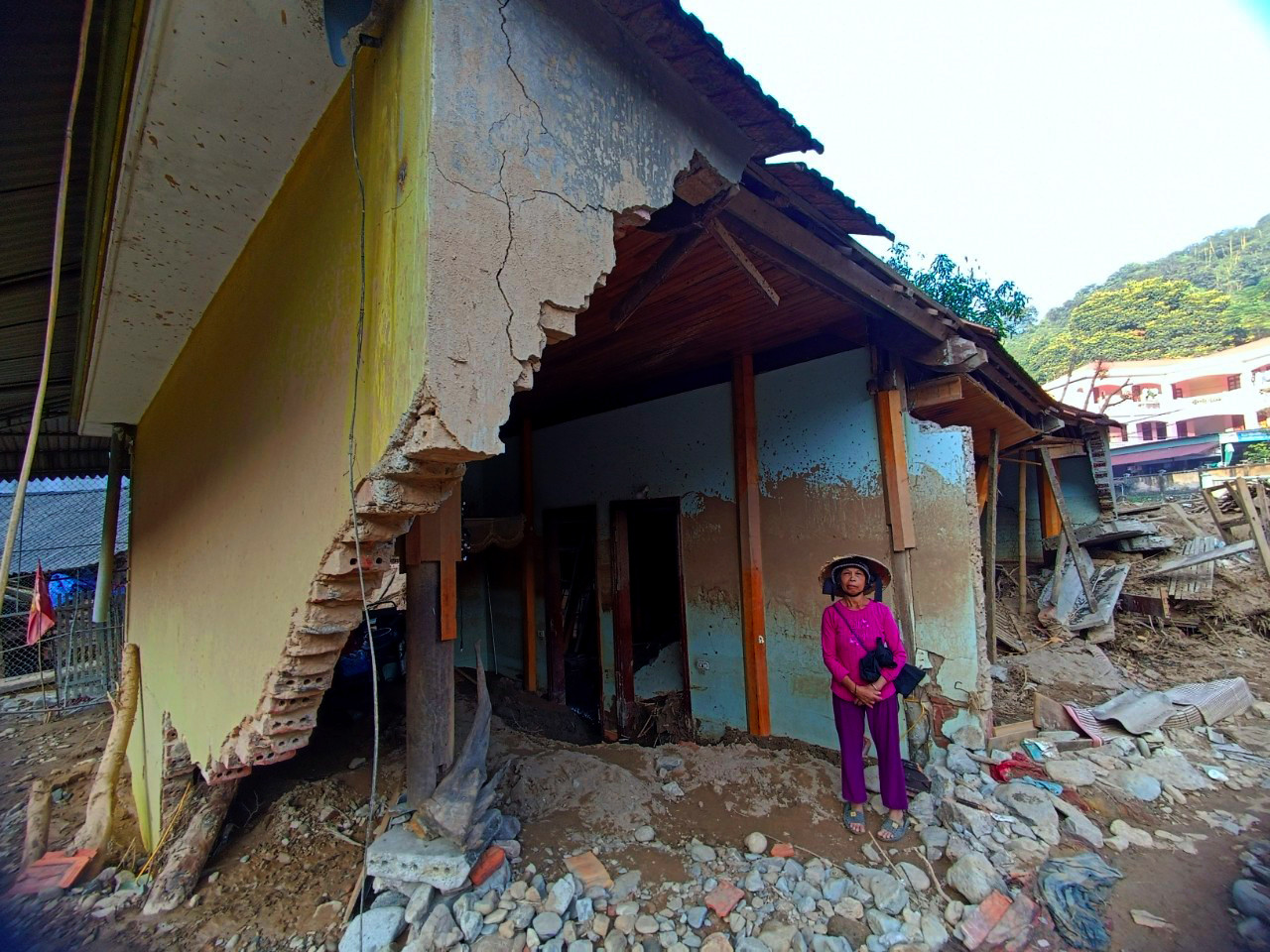
Because of this, Ky Son district experiences flash floods and landslides every year, causing financial losses to the people and destroying the district's already weak infrastructure. Furthermore, deforestation leads to the loss of water sources, soil erosion, and landslides, etc.
Farming on sloping land is hampered by soil erosion and degradation, water scarcity, and declining crop yields. Without alternative income sources, people seek out new forest areas to clear for slash-and-burn agriculture. This vicious cycle will continue unless a new approach is adopted. Meanwhile, almost 100% of the forests in Ky Son district should be protective forests, primarily used to protect water sources, soil, prevent erosion, landslides, flash floods, combat desertification, mitigate natural disasters, regulate climate, contribute to environmental protection, national defense and security, and promote ecotourism…
With over 97% of its area being forest land, the main development orientation of Ky Son district must focus on developing the forest economy. This development orientation will not only help the province and Ky Son district mitigate natural disasters such as floods and droughts, but also help the district leverage its advantages, creating livelihoods for the people that are compatible with their indigenous knowledge and traditional cultural space. Furthermore, given the conditions of Ky Son district, this is a way to take advantage of opportunities to sell carbon credits, as well as forest environmental services and develop the economy under the forest canopy.
Solution
Implementing that direction will take a long time; however, in the immediate future, I believe the following issues need to be addressed:
First and foremost, focus on protecting the existing protective forest area of the district. With the current limited forest management and protection force, it is necessary to strongly promote the delegation of forest management responsibilities to the community. In particular, it is essential to utilize and promote the indigenous knowledge of ethnic groups in forest protection (especially their traditional customs and practices). Guidance and training should be provided to the people to help them understand and effectively carry out the harvesting and exploitation of timber and non-timber products, as well as organize tourism activities, in accordance with the 2017 Forestry Law.
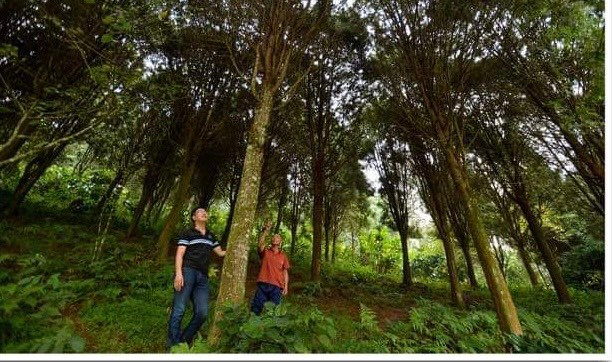
Secondly, for the remaining forest land area, based on an analysis of site conditions (including topography, soil conditions, and climate), a specific forest restoration plan will be developed for each region and commune. According to research by scientists from the University of Forestry, approximately 15.9% (equivalent to about 15,000 hectares) of this area has good site conditions, approximately 29% (equivalent to 20,000 hectares) has average site conditions, and the remainder has poor conditions.
From this, forestry scientists recommend: for areas with good site conditions, organize enclosure and protection to allow the forest to regenerate naturally, thereby reducing costs; for areas with average site conditions, combine enclosure, protection, and restoration with planting new trees to increase density; and for areas with poor site conditions, completely replant.
Thirdly, we propose that the Ministry of Agriculture and Rural Development and the Provincial People's Committee prioritize Ky Son district as the first beneficiary of the carbon credit sales program under the Emission Reduction Payment Agreement (ERPA) with the Forest Carbon Partnership Fund of the World Bank, signed with the Ministry of Agriculture and Rural Development in October 2020. Under this agreement, Vietnam will reduce 10.3 million tons of carbon emissions from six provinces in the North Central region by 2025 in exchange for $51.5 million.
This funding, along with funds from other programs, can be used to provide financial support (compensation) to local people for forest conservation, protection, restoration, planting, and care from now until 2030, with particular priority given to poor and near-poor households. To take advantage of this opportunity, the Department of Agriculture and Rural Development and the People's Committee of Ky Son district are requested to expedite the land and forest allocation process and promote the preparation of procedures to meet the requirements of the Carbon Credit Sale Agreement.
Fourth, for newly planted forest areas, in addition to native large timber tree species (such as cypress and fir), attention should be paid to using some multi-purpose native tree species (whose fruits and leaves can be harvested) such as Dipterocarpus, chestnut, Terminalia chebula, Terminalia catappa, wild apple, and red pine. At the same time, attention should be paid to developing some tree species suitable for the temperate sub-region of Ky Son district, such as pear, peach, apple, and persimmon.
Fifth, there should be a roadmap to increase productivity (using slow-release fertilizers) and gradually reduce (or even completely convert) the area of upland rice cultivation. With an average yield of about 1 ton/ha (approximately 10 million VND/ha/year), there will be many options to restructure the crop or provide support so that people can focus on planting, caring for, and protecting forests.
Sixth, promote the concentrated development of medicinal plants under the forest canopy to leverage the strengths of the microclimate and high altitude terrain of Ky Son district, based on cooperation with pharmaceutical processing enterprises. Promote innovative entrepreneurship in the field of medicinal plants and promote indigenous knowledge of medicinal plants and traditional remedies.
Secondly, there is a roadmap for developing green tourism in the district; connecting with Con Cuong, Nam Dan districts, Vinh City - Cua Lo town and Xieng Khouang - Luang Prabang (Laos).
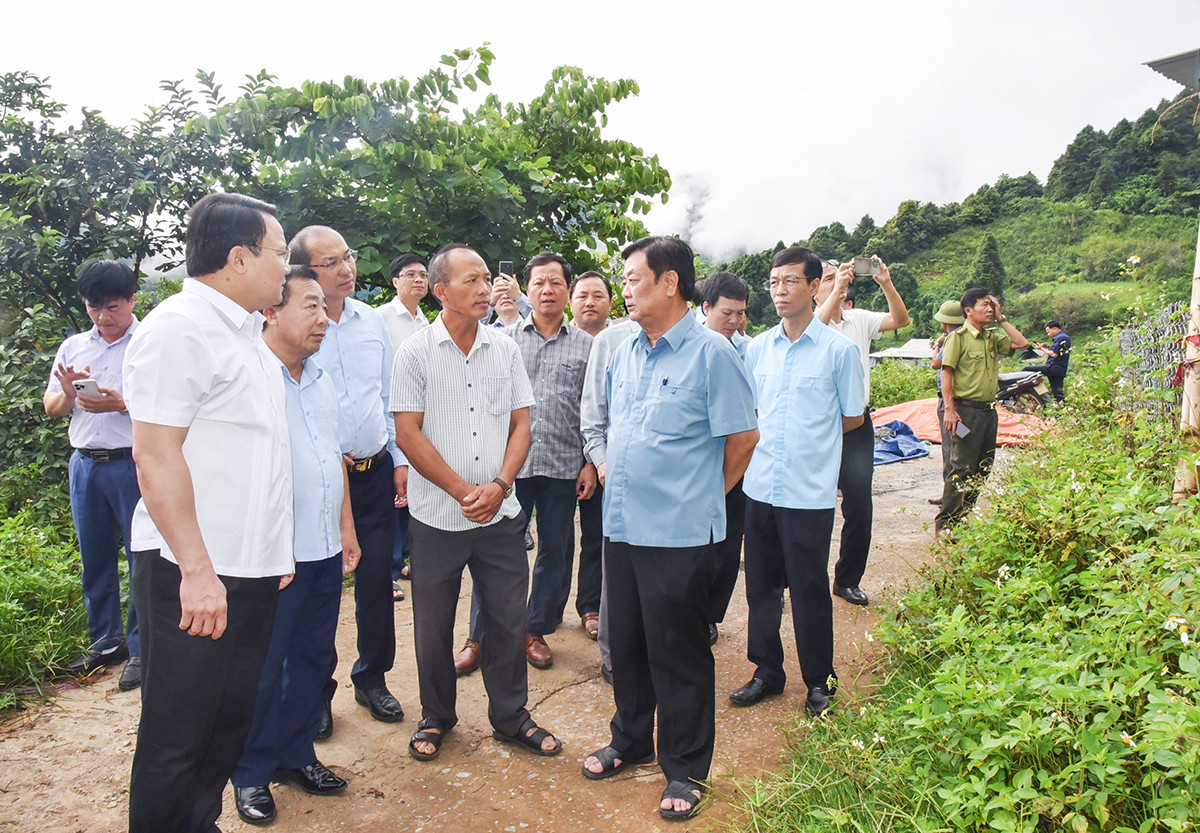
Eighth, the Provincial People's Council and People's Committee should provide Ky Son district with a superior and distinct mechanism and policy to help the district overcome difficulties and capitalize on its forest land advantages. This should include a differentiated policy to enable poor and near-poor people in Ky Son district to earn a living by planting, protecting, restoring, and developing forests through their own efforts, instead of being unwilling or afraid to accept forest land as is currently the case.
Initially, investment and compensation should be provided to local people for forest restoration and reforestation on production forest land, similar to the mechanism applied to protection forests, from now until 2030. Conditions should be created and support provided to the district to attract businesses involved in planting and processing medicinal herbs, forest products, and tourism. In particular, attracting ODA projects for forest restoration and development, especially supporting carbon credit procedures and livelihood development for local people, is crucial.
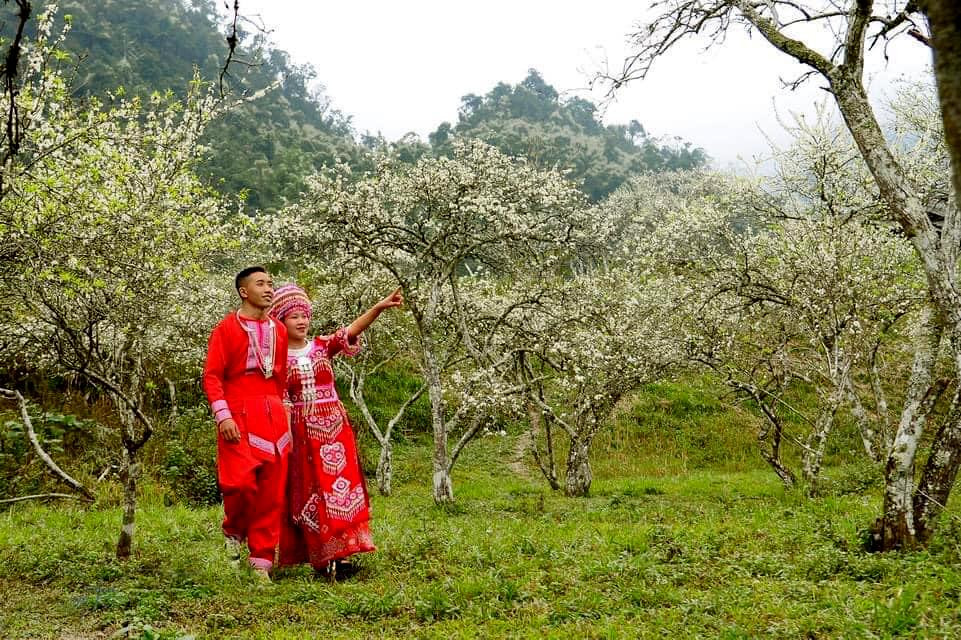
The Nghe An Provincial Planning until 2030 and vision until 2050, approved by the Prime Minister on September 14, 2023, identifies the restructuring of the economy in conjunction with innovation in growth models, development of a green economy, circular economy, and digital economy. Specifically, it aims to maintain forest cover at a stable level of 58%.
The restoration and development of forests in Ky Son district not only helps the district leverage its advantages, develop the forest economy, overcome the consequences of deforestation, and mitigate natural disasters, but also enables districts in the midland and low mountainous areas to convert nearly 90,000 hectares of forest land to other purposes, resulting in higher land use efficiency while maintaining forest cover. This is the basis and justification for the entire province to work together to help Ky Son.