

This plant, common in our country, is classified as one of the 'four great medicinal herbs'.
In traditional medicine, cinnamon is considered one of the four most valuable medicinal herbs (ginseng, deer antler, cinnamon, and rehmannia). The bark and fruit are used as medicine, while the dried leaves and bark yield essential oil and are used as a spice.
According to Dr. Bui Dac Sang, a general practitioner from the Vietnam Traditional Medicine Association, cinnamon essential oil helps improve human intelligence, enhance concentration and memory… In addition, it also has the effect of warming the whole body, eliminating odors, relieving flu, colds, diarrhea, and stimulating blood circulation…
In traditional medicine, cinnamon is considered one of the four most valuable medicinal herbs (ginseng, deer antler, cinnamon, and rehmannia). In European countries, cinnamon is used to treat stomach aches, diarrhea, malaria, coughs, and other ailments. In India, cinnamon is widely used as a primary spice in food preparation.
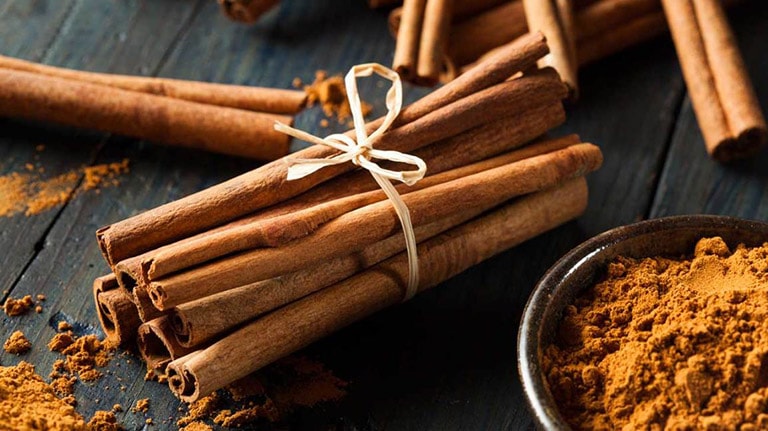
According to modern medicine, cinnamon contains many components beneficial to health. Cinnamon can stimulate brain activity like a tonic, helping to reduce nervous tension and memory loss.
Several studies have shown that simply adding half a teaspoon of cinnamon to your daily meals can reduce bad cholesterol levels in the body. Therefore, consuming cinnamon is a way to protect cardiovascular health and lower blood sugar levels.
"Cinnamon is also one of the herbs that can treat tooth decay and bad breath. Chewing a small piece of cinnamon or rinsing your mouth with cinnamon water helps clean the mouth and gives you fresh breath. It also has antibacterial, antifungal, and antiviral properties," said herbalist Sang.
According tographlineCinnamon possesses powerful medicinal properties. Its distinctive aroma and flavor are due to its high oil content, which contains the compound cinnamaldehyde. Scientists believe this compound has beneficial effects on health and metabolism.
Antioxidants protect the body from oxidative damage caused by free radicals. Cinnamon contains many powerful antioxidants, including polyphenols.
In fact, cinnamon's antioxidant properties are so strong that it can even be used as a natural food preservative.
In addition, cinnamon has other benefits such as anti-inflammatory properties, which help reduce the risk of heart disease.
According to one review, adding at least 1.5 grams, or about 3/4 teaspoon, of cinnamon daily may lower triglyceride levels, total cholesterol, LDL (bad) cholesterol, and blood sugar levels in people with metabolic disease.
Another review of 13 studies found that cinnamon may lower triglyceride and total cholesterol levels, both of which are risk factors for heart disease.
Cinnamon is also known for its hypoglycemic properties. In addition to its beneficial effects in combating insulin resistance, cinnamon can lower blood sugar levels through several other mechanisms.
It has also been extensively studied for its potential use in the prevention and treatment of cancer. Currently, the evidence is limited to in-tube and animal studies.
Accordingly, cinnamon helps reduce the growth of cancer cells and the formation of blood vessels in tumors and appears to be toxic to cancer cells, causing cell death.
A study on mice with ovarian cancer showed that cinnamaldehyde can block the expression of certain proteins involved in cancer development.
These findings are supported by in-vitro experiments showing that cinnamaldehyde may reduce the growth and spread of ovarian cancer cells.
However, more research is needed to assess the potential anticancer effects of cinnamon in humans.
What should you keep in mind when using cinnamon?
Traditional medicine practitioner Sáng also noted that we should not overuse cinnamon. Some people may be allergic to the components in cinnamon. Eating too much cinnamon at once can lead to hypoglycemia, causing fatigue, dizziness, and fainting…
The safe amount of cinnamon to consume is 6g daily, and it should only be used for 6 days, followed by a break of 1-2 days before continuing.