

Strengthening asset and income controls to prevent and combat corruption.
(Baonghean.vn) - The Government Inspectorate recently held an online conference on asset and income control. At the Nghe An branch, Comrade Chu The Huyen - Member of the Provincial Party Committee, Chief Inspector of the province - presided over the meeting. Representatives from relevant agencies and units also attended.
Controlling assets and income is a crucial component in developing comprehensive solutions.combating corruptionThis contributes to enhancing the transparency of the state apparatus, the integrity of officials and civil servants, and those in positions of power; at the same time, it helps state management agencies monitor and prevent wrongdoing by officials and civil servants, and prevent and minimize the risk of illicit enrichment...
In Nghe An province, on November 3, 2023, the Provincial People's Committee issued Plan No. 840/KH-UBND to implement the project "Building a National Database on Asset and Income Control". The purpose is to implement the 2018 Law on Prevention and Combat of Corruption, to concretize and organize the implementation of tasks according to Decision 390/QD-TTg dated March 28, 2022 of the Prime Minister approving the project "Building a National Database on Asset and Income Control" and Plan No. 2033/KH-TTCP dated September 8, 2023 of the Government Inspectorate on the implementation of the project "Building a National Database on Asset and Income Control".
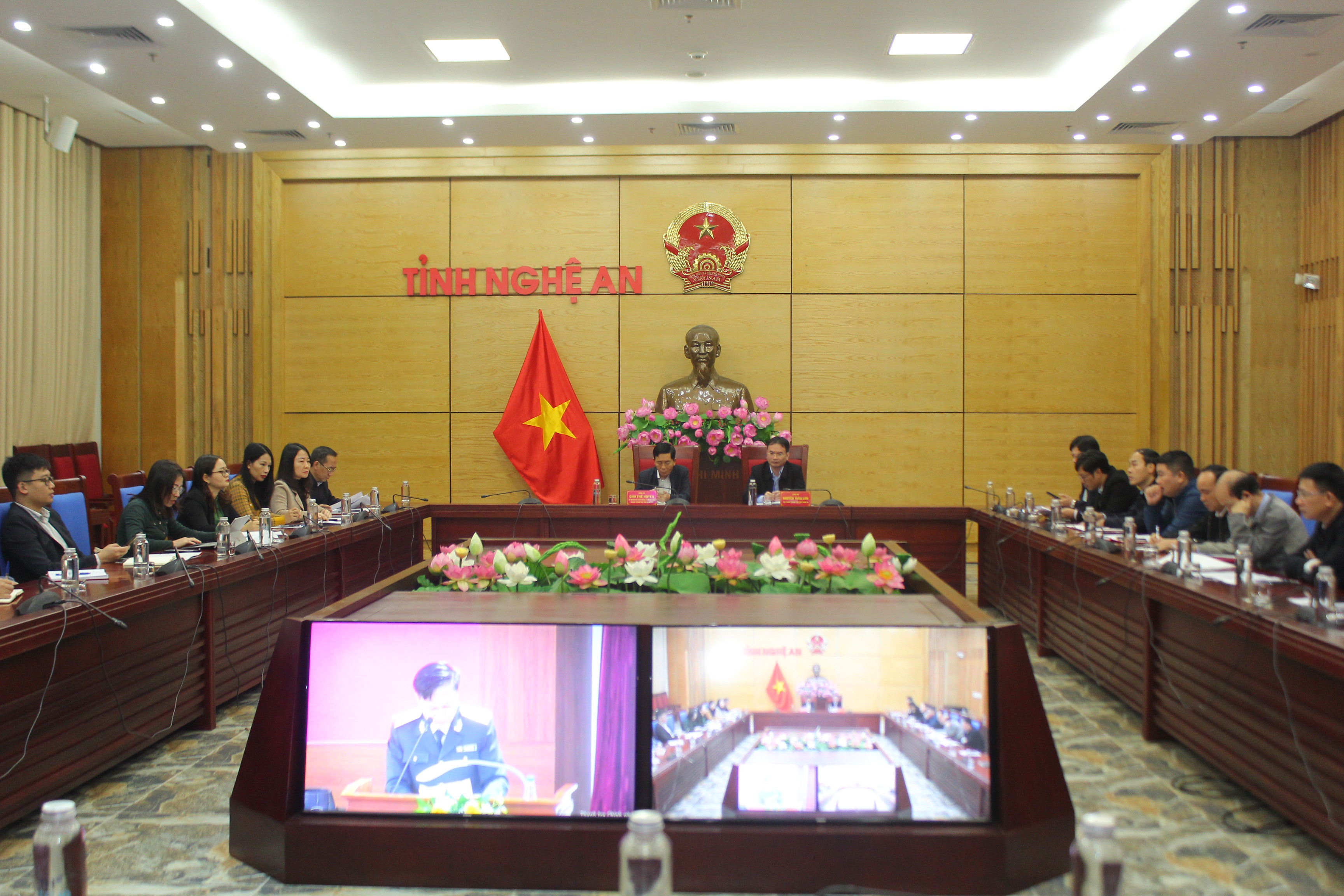
At this conference, representatives from various ministries, departments, and some localities also raised concerns about shortcomings and limitations in controlling the assets and income of officials and civil servants. Specifically, the control measures and the scope of control remain limited. In reality, due to the predominantly cash-based payment system in Vietnam, tax evasion and failure to voluntarily declare and pay taxes still occur frequently.
The annual declaration of assets and housing by officials and civil servants remains largely a formality; monetary income has not received adequate attention and is therefore rarely considered. Officials and civil servants declare and submit their assets to the managing agency, which only performs the task of archiving the records without a mechanism for explanation, inspection, and verification to ensure transparent and honest asset declarations. There is also the practice of having relatives register valuable assets in their names; and there are difficulties in verifying assets at home...
In particular, because there are no penalties for fraudulent behavior, the accuracy and honesty of declared documents cannot be guaranteed...
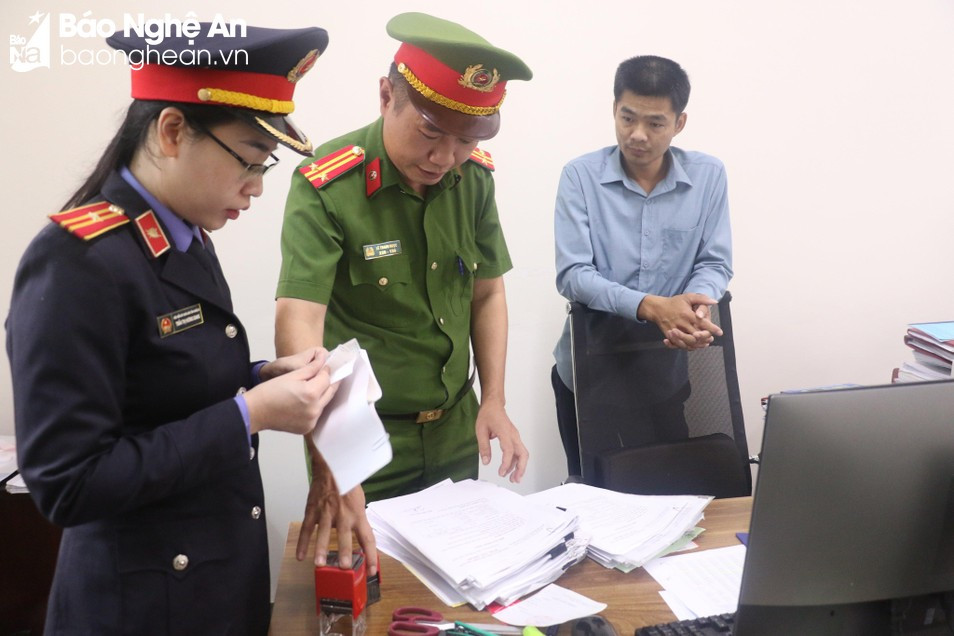
Furthermore, the level of income management and control by state agencies is limited, and the coordination between functional agencies in income control is low, leading to the continued prevalence of abuse of power and authority for personal gain. Currently, there are no legal regulations on acts and crimes of illicit enrichment. In addition, regulations on what Party members are prohibited from doing, asset declaration, and the prohibition of using public funds for gifts still contain some inconsistencies, lack feasibility, and lack sanctions for violations...
At the conference, several major provinces and cities, such as Hanoi and Ho Chi Minh City, pointed out shortcomings, noting that the random selection of individuals for verification through lottery or computer software would result in a very large number of people required to declare their assets, while the number of officials directly responsible for anti-corruption work remains limited. Some opinions also called for clarification on the honesty of the declarations and the transparency of the declared assets. Specific guidelines and decentralization are needed for agencies and units with a large number of people required to declare assets and income, to avoid duplication.
Based on the opinions and suggestions from ministries, sectors, and localities, the representative of the Inspector General of the Government stated that they will compile and propose recommendations to higher levels for timely adjustments and additions, contributing to the prevention, detection, and suppression of corruption, serving personnel work, preventing the concealment of corrupt assets, and recovering corrupt assets...