

Nghe An province sees a rapid increase in the number of children testing positive for influenza A.
(Baonghean.vn) - Recently, the number of young children hospitalized with influenza A has increased significantly. On average, Nghe An Obstetrics and Pediatrics Hospital receives about 100 cases testing positive for influenza A each day.
The patient arrived.examination and treatment of hypertensionHigh
On the morning of December 21st, a 35-month-old child, NHQC, from Hung Nguyen district, came to Nghe An Obstetrics and Pediatrics Hospital for examination with symptoms of high fever, persistent cough, and fussiness. Doctors performed a rapid test which revealed that NHQC had influenza A. The child needed to be hospitalized for treatment due to pneumonia combined with influenza infection, leading to respiratory failure.
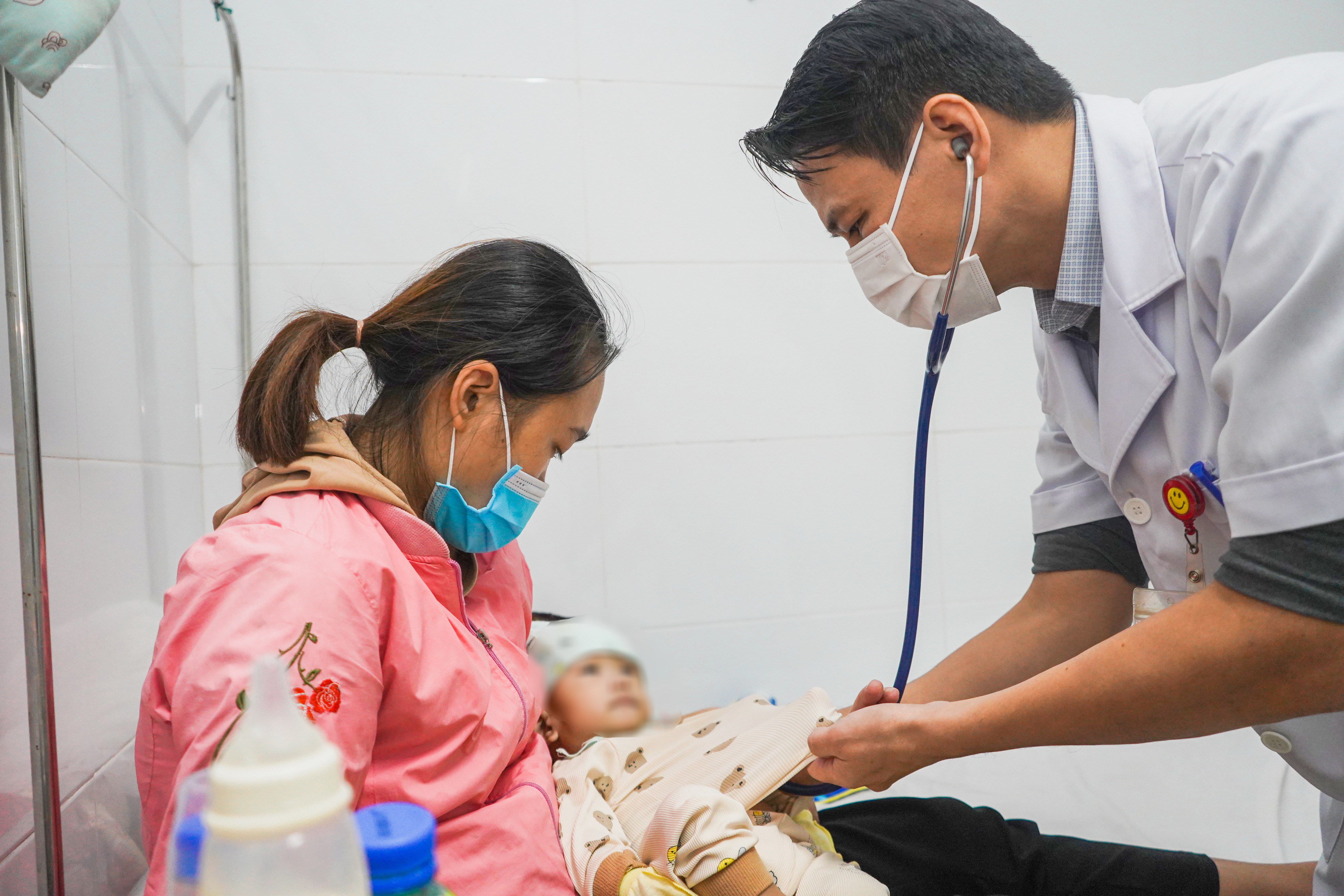
Similarly, Ms. NPT also took her daughter, PKN (3 years old, from Vinh City), for a check-up after noticing unusual health symptoms. Ms. NPT said: Before the onset of high fever, her daughter vomited continuously. She was dehydrated, very tired, and refused to eat. The family gave her fever-reducing medication, but it only helped for a short time before the fever returned.
After testing and confirming that her child's illness was caused by the influenza A virus, Ms. NPT concluded that the source of infection was likely from her child's classmates at preschool, as several children in the class had previously been sick and had to stay home from school.
Recently, the number of children with influenza A who come to the hospital for examination and treatment has increased significantly. On average, the Outpatient Department of Nghe An Obstetrics and Pediatrics Hospital detects about 100 cases of influenza each day, not including the number of children diagnosed at home thanks to self-purchased home testing kits.
Information from the Department of Tropical Diseases - the unit treating children with influenza A: Starting in December, the number of children admitted to the department for influenza treatment increased rapidly. On average, the department admitted 100-130 inpatients per day. Of these, it is very worrying that up to 80% are children infected with the influenza A virus. In particular, the department has recorded many cases of co-infection with multiple viruses such as RSV and COVID; complications such as pneumonia, bronchitis, otitis media, and even meningitis and myocarditis have caused the children's condition to worsen.
Proactive measures to prevent the spread of disease.
According to Dr. Vo Manh Hung, Head of the Department of Tropical Diseases at Nghe An Obstetrics and Pediatrics Hospital: Seasonal influenza is an acute respiratory infection caused by the influenza virus. The disease occurs annually, usually during the winter and spring seasons. It is transmitted directly from sick individuals to healthy individuals through small droplets released when talking, coughing, or sneezing. In Vietnam, the most common viruses causing seasonal influenza are influenza A/H3N2, influenza B, and A/H1N1.
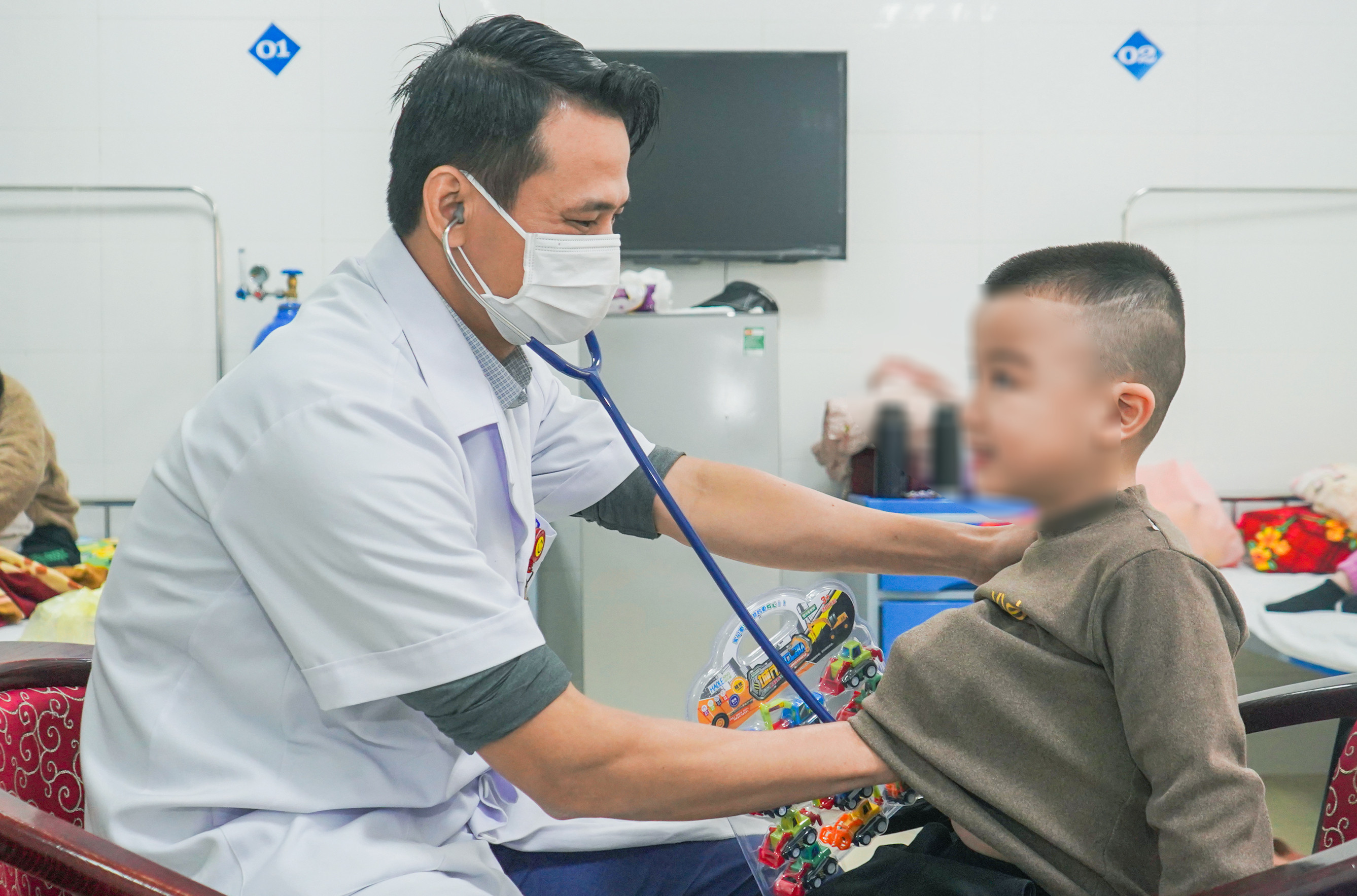
Seasonal influenza usually has a benign course, but it can lead to severe and dangerous complications in people with chronic cardiovascular and respiratory diseases, immunocompromised individuals, the elderly (> 65 years old), children (< 5 years old), and pregnant women. The disease can cause severe pneumonia, multiple organ failure, worsening of underlying conditions, and even death. Some complications caused by influenza A virus include respiratory failure, high fever with convulsions, pneumonia, encephalitis, bronchitis, and otitis media.
“The most serious complication of influenza A is respiratory failure with symptoms such as rapid breathing, difficulty breathing, etc., leading to pneumonia, oxygen deprivation, and death. Therefore, it is necessary to take precautions to prevent the disease in young children and to closely monitor them during care when they have influenza to avoid complications. When patients show severe symptoms, such as wheezing, difficulty breathing, seizures, etc., they should be taken immediately to a medical facility, and it is especially important not to self-treat with antibiotics or antiviral drugs,” Dr. Vo Manh Hung clearly stated.
Given the current rapid spread of influenza A, doctors advise: Influenza A spreads quickly, especially among adults and young children who have not been vaccinated. With the current high number of influenza A cases, to proactively prevent the disease, people need to practice good personal hygiene: Wash hands frequently, wear masks when going out, avoid crowded places, cover your mouth and nose when coughing or sneezing; and if you have a fever, stay home for at least 24 hours after the fever subsides to avoid infecting others.
The best way to prevent influenza A is to get an annual flu vaccine. Each flu shot protects against 3-4 different influenza viruses. High-risk groups should receive an annual flu vaccine before the flu season, starting with the elderly and children aged 6 months to 5 years, especially those aged 6 months to 2 years.