

What color is the moon?
(Baonghean.vn) - Every time I look up at the night sky, I often ask myself: What color is the moon, really? And ultimately, just because everyone else does it, does that mean I have to do the same, regardless of whether I think differently?
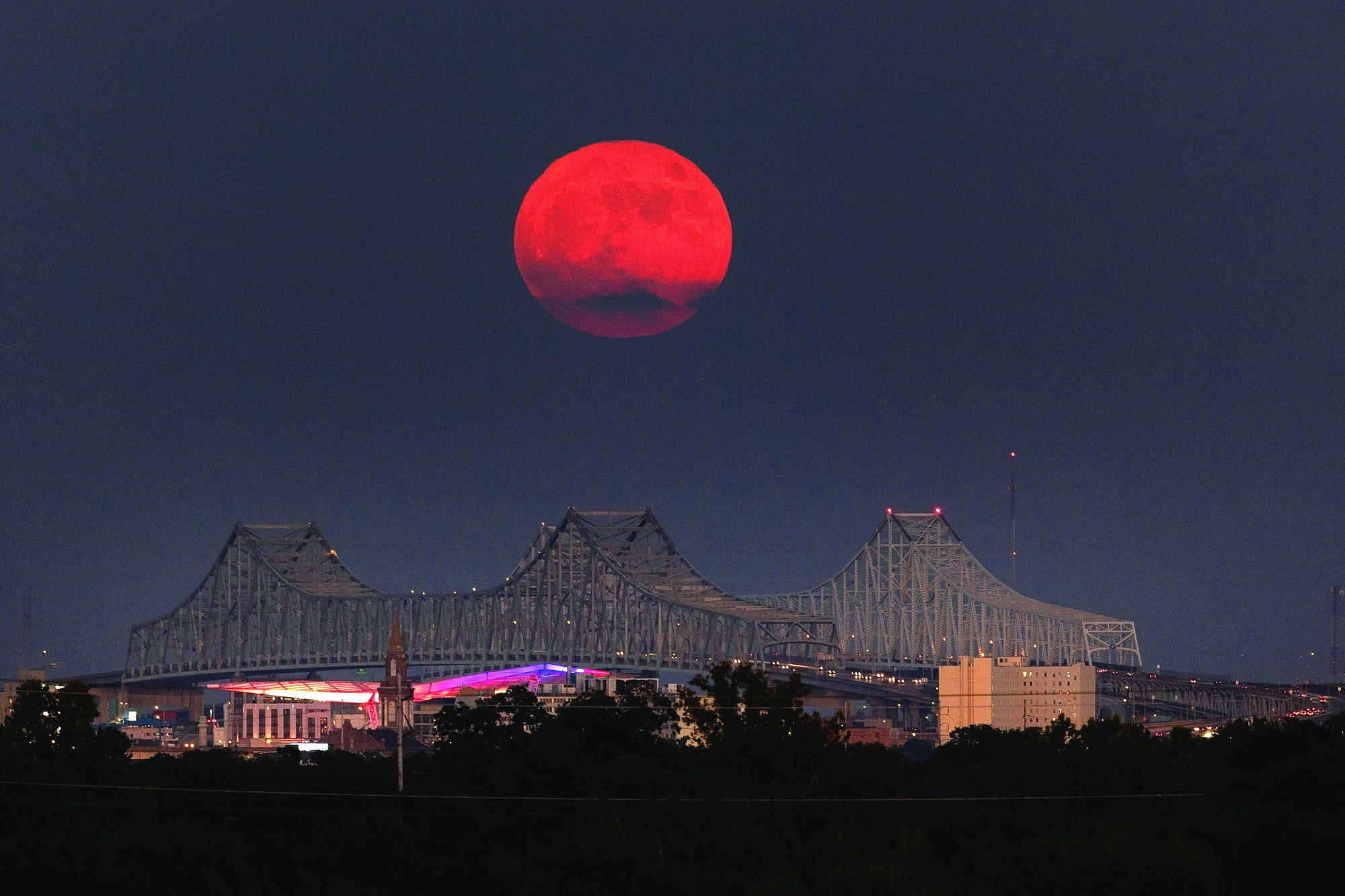
In third grade, my art teacher once called my parents to come in for a meeting, for a very serious offense: daring to disobey her. The assignment was: Draw a picture of the Mid-Autumn Festival night. Like my classmates, I drew a scene of family life with a red tiled house, a small courtyard with a few children playing, and the moon shining obliquely, illuminating the space. But my mistake was that instead of drawing the moon yellow and the moonlight silver as usual, I colored the moon red and the moonlight purple. The art teacher told me to correct it, but I insisted on defending my drawing, saying that I saw the moon as red. “But the moon has to be yellow! Everyone draws it that way!” she snapped.
From then on, whenever I looked up at the night sky, I would often ask myself: What color is the moon, really? And ultimately, just because everyone else does it, does that mean I have to do the same, regardless of whether I think differently?
At the age of 20, in a bookstore in Hue, I stumbled upon a book about the universe by Stephen Hawking. His research on parallel universes, inflationary universes, black holes, etc., completely overturned my understanding, placing me before countless doubts about creation; at the same time, he also sowed in my mind the good seeds of belief in the opposite.
I believe that there is a sky beyond the sky, and a universe beyond the universe. I also believe that the moon, the sun, clouds, the wind, storms, and raindrops… can have many colors, not necessarily yellow, white, or gray… Right and wrong, existence and non-existence, clarity and silence, what we do and what we think… always have a very fragile, indeterminate boundary. Therefore, we must learn to accept differences, learn to doubt our own knowledge and all-knowing intelligence, and learn to give vague hypotheses and assumptions a glimmer of hope…
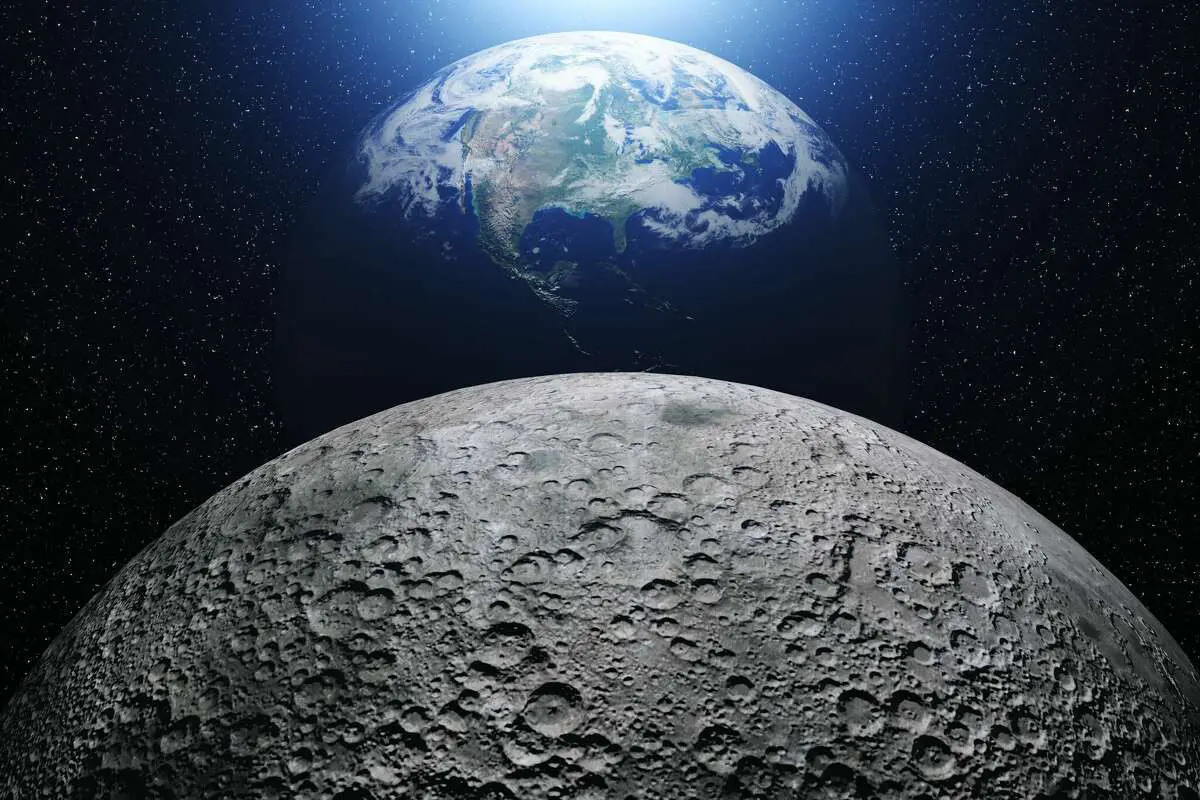
Stephen Hawking's universe was vast, while I was incredibly small. Therefore, though difficult, I tried to break free from stereotypical thinking and a life modeled after others, as my art teacher said, "Everyone is like that." There's nothing wrong with everyone being like that; it's just that when everyone is like that, it's hard to be ourselves. We see ourselves in everyone else, and sometimes we don't even know who we are. Only when we realize we are just a tiny speck of dust in this vast universe do we learn to fear the greatness of nature, to curb our greed, and to live more virtuously.
The days of isolation due to the Covid-19 pandemic made me think more about this. Humankind thought itself great. We built airplanes and missiles. We researched and manufactured torpedoes and nuclear weapons with devastating destructive power. We could fly, dive into the sea, send people to live on the moon, and yearn to conquer space. We diverted rivers, diverted streams, built bridges across the sea, destroyed primeval forests, and constructed towering factories. We looked at development indicators and thought we were excellent, capable, knowledgeable, and able to control everything. But even the smallest virus can easily crush humanity's efforts, leaving us fragile, weak, and utterly powerless.
Ultimately, what I want to say is that perhaps the color of the moon is less important than how we perceive the differences in our understanding of it. To one person, the moon might be red; to another, it might be blue. That's okay; what matters is knowing how to accept these differences, encouraging us to think differently and innovate, breaking free from the boundaries and prejudices of the crowd.