

What should you eat and what should you avoid eating when you're sick?
Cold weather and fluctuating temperatures cause many people to get sick. Here are some foods to eat and avoid when you're sick to help your body recover as best as possible.
When you're sick, feeling weak and experiencing chills, aches and pains, or simply a runny nose, sore throat, and cold, adopting the right diet can help improve your symptoms sooner.
In addition, unsuitable foods can weaken the immune system's ability to fight off viruses or bacteria. Refer to this guide on what foods to eat when you or a family member is sick and which foods should be avoided entirely.
1. When sick, you should eat foods rich in vitamin C but avoid acidic drinks.
Citrus fruits like oranges, lemons, and grapefruits are rich in vitamin C, which can be a great boost to your immune system to fight off the common cold. For many people, citrus juices help reduce the severity and shorten the duration of cold symptoms.
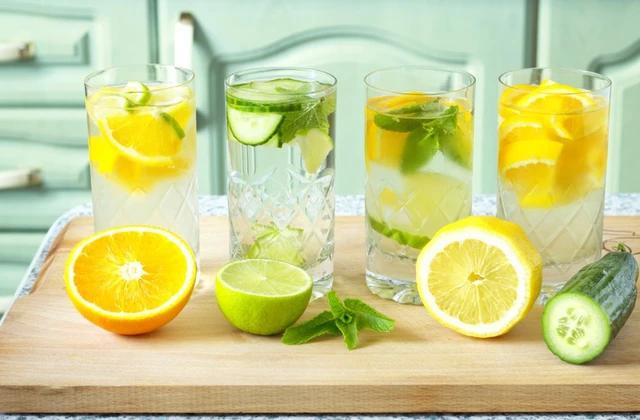
However, if you have stomach problems, the high acidity in some of these fruits and juices can worsen stomach pain. Therefore, limit your consumption of citrus juices if you experience stomach discomfort or if you are vomiting.
Remember, it's not just citrus fruits that contain vitamin C. Fruits like guava, black grapes, kiwi, lychee, strawberries, peppers (especially red bell peppers), potatoes, and some cruciferous vegetables like cabbage, watercress, spinach, and broccoli also contain plenty of vitamin C.
2. Eat hot chicken soup, but avoid sugar and sweets.
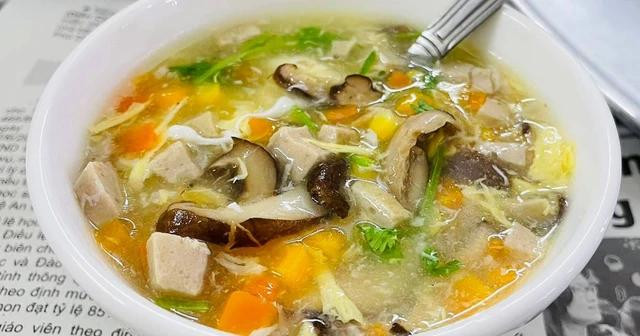
Why does chicken soup become a staple when we're feeling unwell? Hot chicken soup makes a great meal, providing nutrients and calories when you're sick, while keeping you hydrated and reducing feelings of fullness. It's easy to digest and provides lean protein and essential nutrients to support your body when you're ill.
In fact, studies show that hot liquids, especially hot chicken soup, help improve mucus congestion to clear the nasal passages. Warm liquids also have a soothing effect on sore throats.
On the other hand, replacing savory foods with convenient fast foods like cookies, candy, or other sweets can have the opposite effect. When you have the flu or a cold, consuming too much sugar negatively impacts your digestive system and forces your immune system to work harder. As a result, you feel more tired and take longer to recover.
3. Drink hot tea, but avoid caffeinated and alcoholic beverages.
According to Specialist Doctor Tang Manh Hoat from Military Hospital 4: When experiencing cold and flu symptoms, it's important to drink enough water. A cup of hot herbal tea is refreshing, and inhaling its steam can help clear mucus from the sinuses.
Drinking hot tea is a good option when you have a cold or a stuffy nose. Hot ginger tea will help soothe a sore throat, clear nasal passages, and keep you warm. Ginger is also a great food for soothing stomach aches. Herbal teas such as cinnamon tea, peppermint tea, chamomile tea, and red date tea are also good choices as they contain antioxidants that help reduce some cold symptoms.

However, use hot teas that are low in or caffeine-free. According to Dr. Tang Manh Hoat, coffee can cause dehydration, which can worsen nasal and sinus congestion.
If you're trying to rehydrate with caffeinated drinks like soda or coffee, these beverages can have the opposite effect. The high sodium content in many of these drinks can also negatively impact your immune system's ability to fight off viruses or bacteria.
Some caffeinated beverages, such as green tea, contain antioxidants that boost immunity and are beneficial when consumed in moderation.
Even if you drink up to eight glasses of water a day, just one glass of alcohol can disrupt your hydration. Therefore, drinking a few glasses when you have a cold will definitely interrupt the healing process. Dr. Hoat said that drinking alcohol causes dehydration and triggers an inflammatory response, which can worsen cold and flu symptoms. Therefore, people with colds or who are sick should absolutely abstain from alcohol and alcoholic beverages.
4. Eat fresh fruits and vegetables but avoid processed foods.
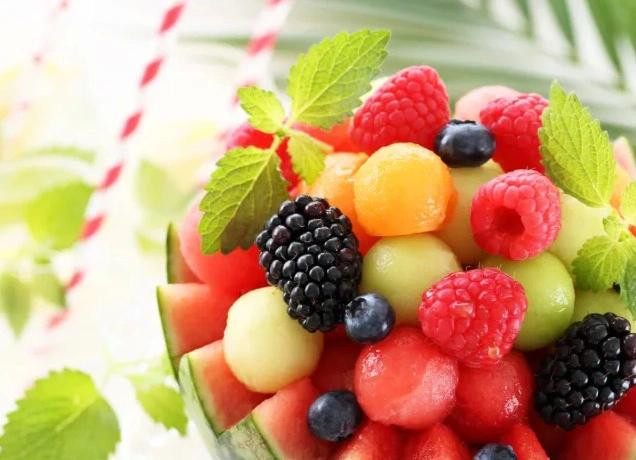
You might feel reluctant to put in the effort to wash and prepare fruits and vegetables when you're not feeling well, but remember that these fresh foods are packed with nutrients and vitamins your body needs to recover. Choose brightly colored fruits and vegetables like blueberries, cranberries, raspberries, black grapes, kale, and spinach... they're packed with antioxidants that are beneficial for a sick body.
When you're sick, avoid snacking on processed foods like potato chips, canned goods, and foods high in salt. These foods may not have the high sugar content of candy or sweets, but they are high in salt and sodium, along with other preservatives that slow down the recovery process.