

Museums in Nghe An need innovation and closer ties with the community.
(Baonghean.vn) - As repositories of many cultural and historical values of the province, museums in Nghe An have continuously strived to attract visitors. However, there are still limitations that need to be overcome so that museums can truly connect with the community.
Preserving cultural and historical values.
Currently, there are two provincial-level museums in the province: the Nghe An Museum and the Nghe Tinh Soviet Museum. Both museums are located on Dao Tan Street, Cua Nam Ward (Vinh City), right within the Vinh Citadel area, with convenient transportation and many nearby tourist attractions.
In there,Soviet Museum of Nghe TinhEstablished in 1960, its mission is to research, collect, preserve, display, educate, and promote the value of the Soviet Nghe Tinh heritage. Officially inaugurated in September 1963, it is one of the three earliest museums established in the Vietnamese revolutionary museum system; it houses and displays 17,000 documents and artifacts related to the Soviet Nghe Tinh movement.
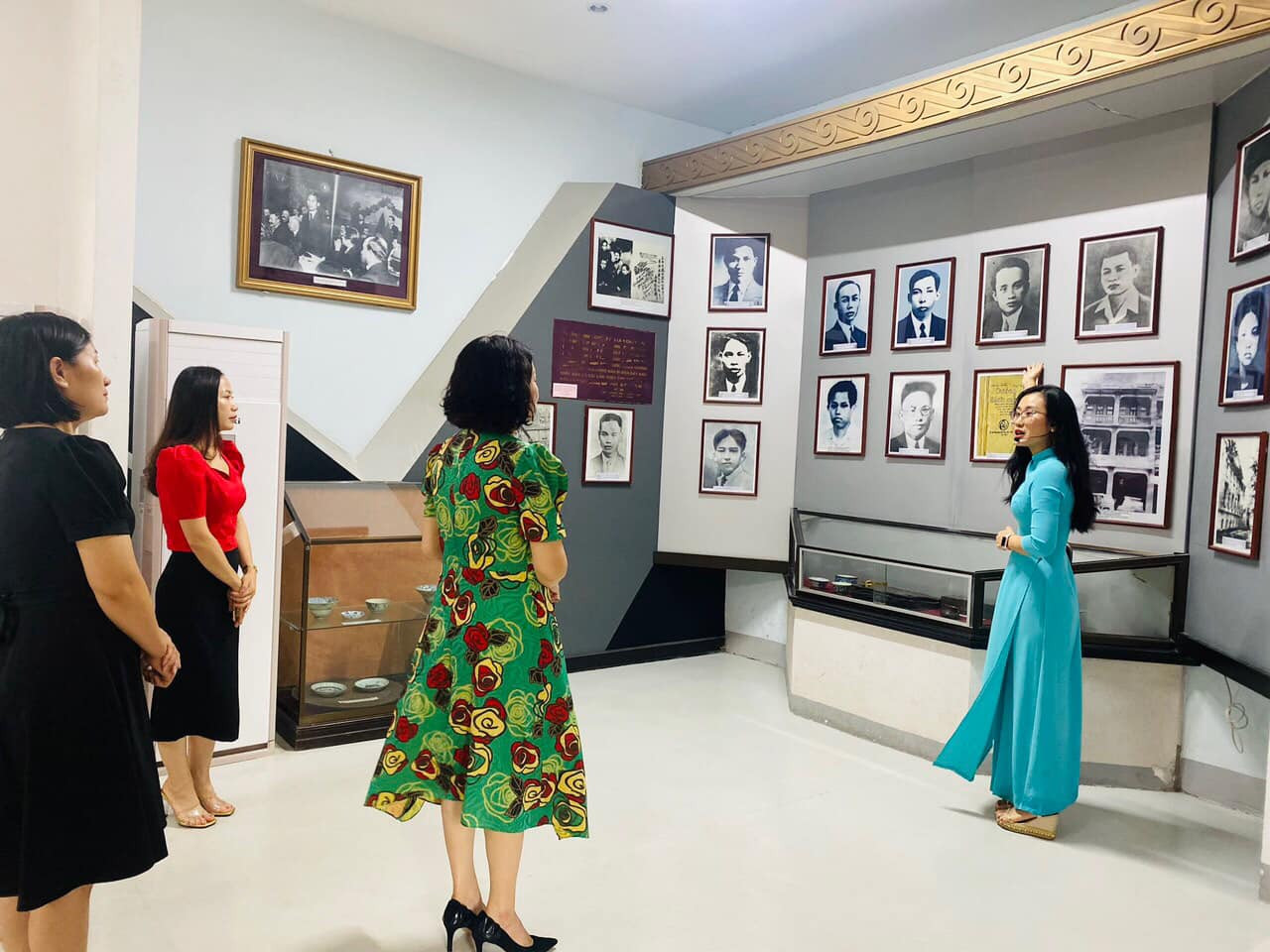
StillNghe An MuseumEstablished in 1979, the Nghe An Museum is tasked with researching, collecting, preserving, displaying, educating, and promoting the value of tangible and intangible cultural heritage of Nghe An province. With over 31,300 representative historical and cultural artifacts, dozens of rare collections, and 3 National Treasures recognized by the state (including a dagger with a handle shaped like a snake biting an elephant's foot, a bronze ladle with a handle shaped like an elephant, and a reliquary box from Thap Nhan Tower), along with its scale, area, storage warehouse, exhibition hall, service area of 600m2, and supporting facilities, the Nghe An Museum has become one of the top provincial museums in the North Central region.
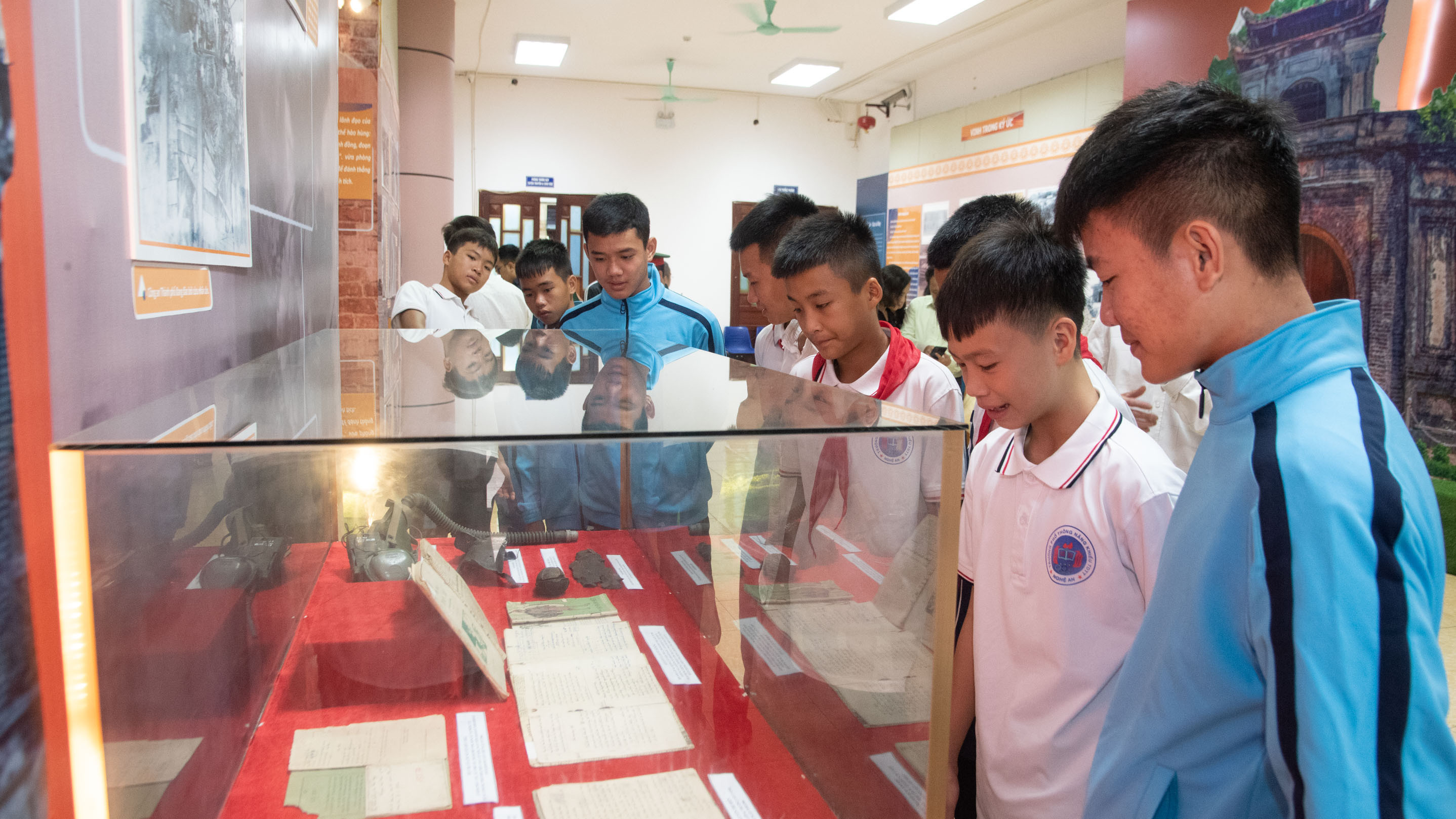
Both the Soviet Nghe Tinh Museum and the Nghe An Museum are places that preserve cultural and historical values, conveying to the people an understanding of their origins, historical journeys, and unique cultural characteristics, thereby contributing to community solidarity and fostering patriotism among the people.
On the other hand, in the province's tourism development, museums are also seen as connecting points to other cultural and historical tourist areas and attractions. In 2021, both museums were recognized as tourist attractions of the province.
To enhance the connection between museums and the community, in addition to serving visitors on-site, museums also organize thematic exhibitions; mobile exhibitions within and outside the province; and cultural exchanges and traditional talks.
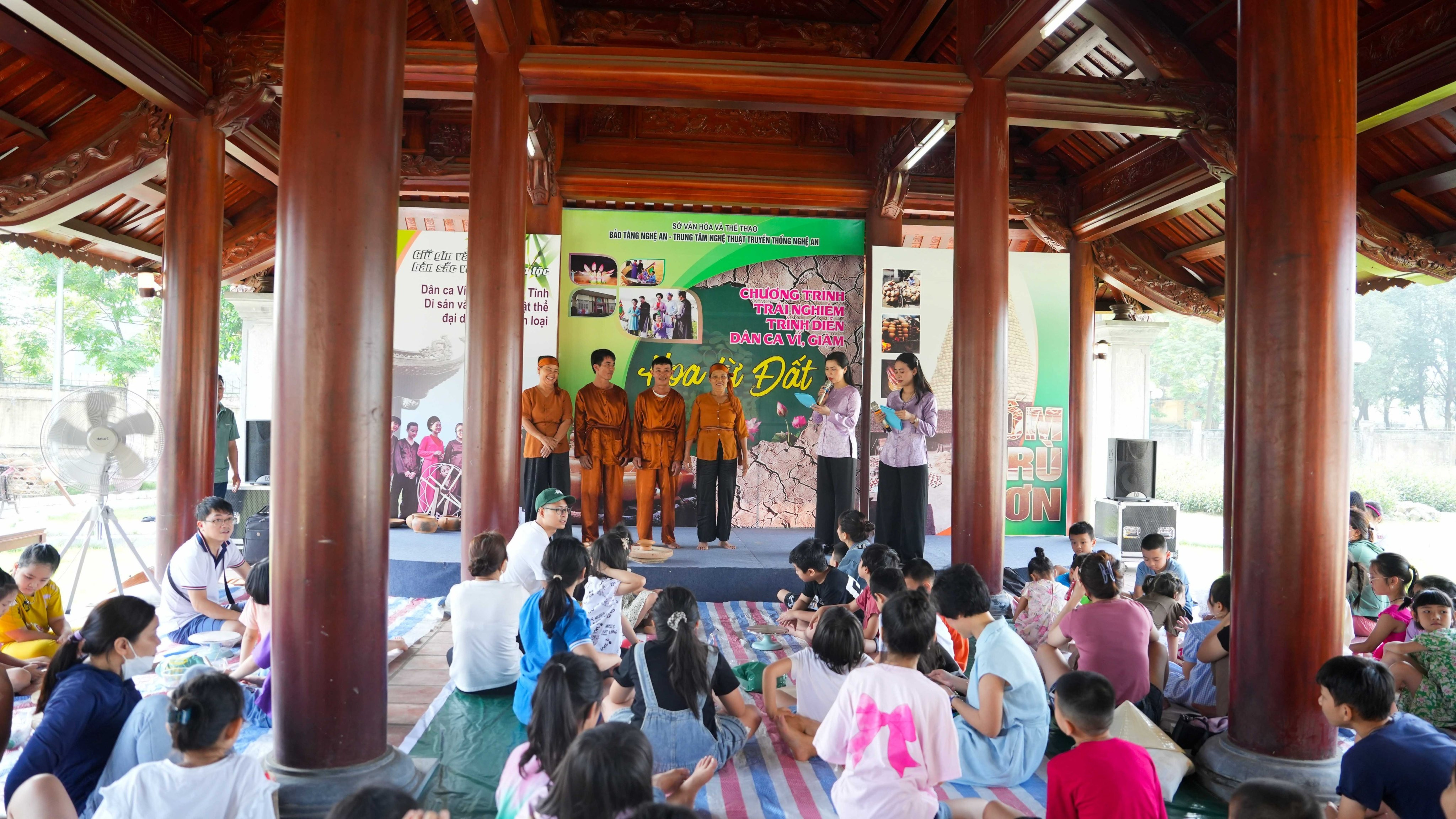
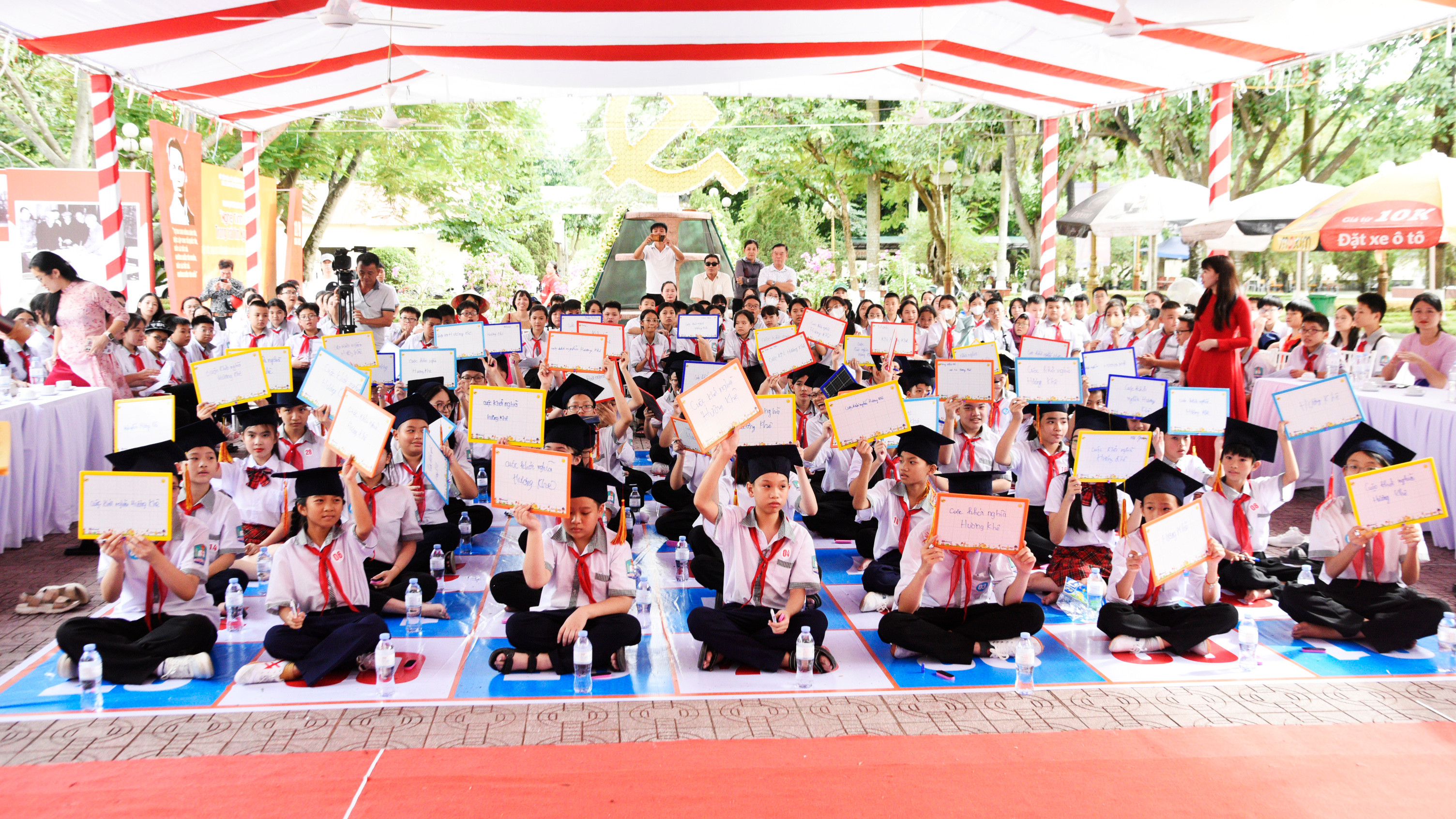
In addition, the museums have been quite effective in coordinating with the Department of Education and Training to welcome students from various schools to visit and learn. Besides providing explanations to help students understand each specific exhibit, the museums also organize many experiential activities such as the "Golden Bell" quiz competition introducing the Soviet heritage of Nghe Tinh at the Nghe Tinh Soviet Museum, and activities like "Happy Spring Festival," "Betel Leaf in the Phoenix Wing," "Flowers from the Earth," and "Uncle Ho in My Heart" at the Nghe An Museum…
Ms. Nguyen Thi Hong, residing in Quang Trung ward (Vinh city), mother of Vo Nhat Linh, a student at Quang Trung Primary School, said that her family has lived in Vinh city for many years but had never visited a museum before. Last year, her daughter was very excited and enthusiastic about the school's field trip to the Nghe An Museum. Since then, whenever they have time, her family takes her to visit the museum to learn more about the history and culture of their local area.
Innovation is needed.
However, in reality, the connection between museums and the community is still not strong. Both the Soviet Nghe Tinh Museum and the Nghe An Museum have not yet truly become destinations for locals and tourists, as the number of on-site visitors to the museums has not met expectations.
For example, in 2023, according to museum reports, the Soviet-Nghe Tinh Museum received approximately 11,000 on-site visitors, while the Nghe An Museum received 9,000 on-site visitors. However, most of these visitors were from research groups and students from schools coming for extracurricular studies, while the number of tourists was not significant.
During the exchange, representatives from the two museums stated that, despite employing various innovative approaches to attract visitors, including enhanced communication on social media and increased experiential activities, a crucial aspect they have yet to address is connecting with the tourism industry to leverage their strengths in cultural and historical tourism.
According to Mr. Nguyen Trong Cuong, Director of the Nghe An Museum: Coordinating with tourism companies is not easy because most travel agencies prefer to take tourists to destinations with more entertainment, recreation, and relaxation services rather than places for sightseeing and learning like museums.
Furthermore, museums themselves currently face limitations in their operations, leading to a lack of visitor attraction. At the scientific conference "From the Outline on Vietnamese Culture - Strategic Orientation for Cultural Development in Nghe An Province until 2030," held at the end of December, when evaluating the activities of museums in the province, some experts commented that, despite their efforts in organizing activities and innovating exhibitions, the museums remain quite monotonous and have not yet moved beyond the old model.
Museums still lack investment in modern technological equipment to support exhibition content and make it more lively and engaging, such as sound systems, LED screens, and touch screens. This results in a feeling of boredom and monotony when visiting the old exhibition system without any interactive activities with the documents and artifacts. Experiential activities for children are still quite limited. Other services for visitors, such as rest, food, and souvenir shopping at the museum, are almost non-existent.
Experts also believe that it is time to change the perception of museums, moving beyond simply preserving the historical and cultural values of the past to becoming a bridge connecting the past, present, and future, linked to the development of society. Museum activities need to be diverse, engaging, relevant to contemporary life, and accessible to the community, with the goal of putting visitors at the center, prioritizing community service, and providing a wide range of museum services to cater to diverse audiences.
Of these, the exhibition aspect is where the most significant changes are needed, because it's impossible to maintain the old exhibition format and content to serve visitors with varying levels of understanding and a growing need for knowledge and technological skills. This is especially true for younger visitors, who want to participate, practice, and experience the exhibits firsthand.
Therefore, museums in Nghe An need to actively apply modern science and technology such as: virtual reality technology, automatic narration, 3D museums, contactless interaction (Leap Motion), 3D mapping...; integrating interaction and experience into exhibitions to help the public explore, experience, interact with exhibits and receive information about artifacts in a proactive and effective way.
In addition, it is necessary to create policy mechanisms to organize accompanying cultural services and activities, aiming to provide a more enjoyable experience for tourists, as well as a way to communicate and promote museums, and to help these institutions generate revenue to support their professional activities.