

The arduous task of 'keeping the flame alive' in traditional performing arts.
(Baonghean.vn) - Despite being recently merged, the Nghe An Traditional Arts Center is facing numerous difficulties and risks having no performers to operate in the near future.
Actors are getting older.chemistry
The Nghe An Traditional Arts Center was established by Decision No. 2909/QD-UBND dated August 27, 2020, of the People's Committee of Nghe An province, based on the merger of...Center for Preservation and Promotion of Nghe An Folk Song Heritagewith the Traditional Arts Troupe. This is a public service unit with revenue, directly managed by the Department of Culture and Sports, with the function of performing arts; researching, collecting, preserving, and promoting the value of Nghe Tinh folk songs and folk music, folk dances of ethnic minorities in Nghe An; and carrying out a number of tasks and powers as assigned or delegated by the Director of the Department of Culture and Sports.
In accordance with Resolution No. 19-NQ/TW dated October 25, 2017, of the 12th Central Committee on "Continuing to reform the organizational and management system, improving the quality and efficiency of public non-business units," after the establishment decision, the number of functional departments and staff of the center decreased from 110 people in 2018 to 94 people in 2023.
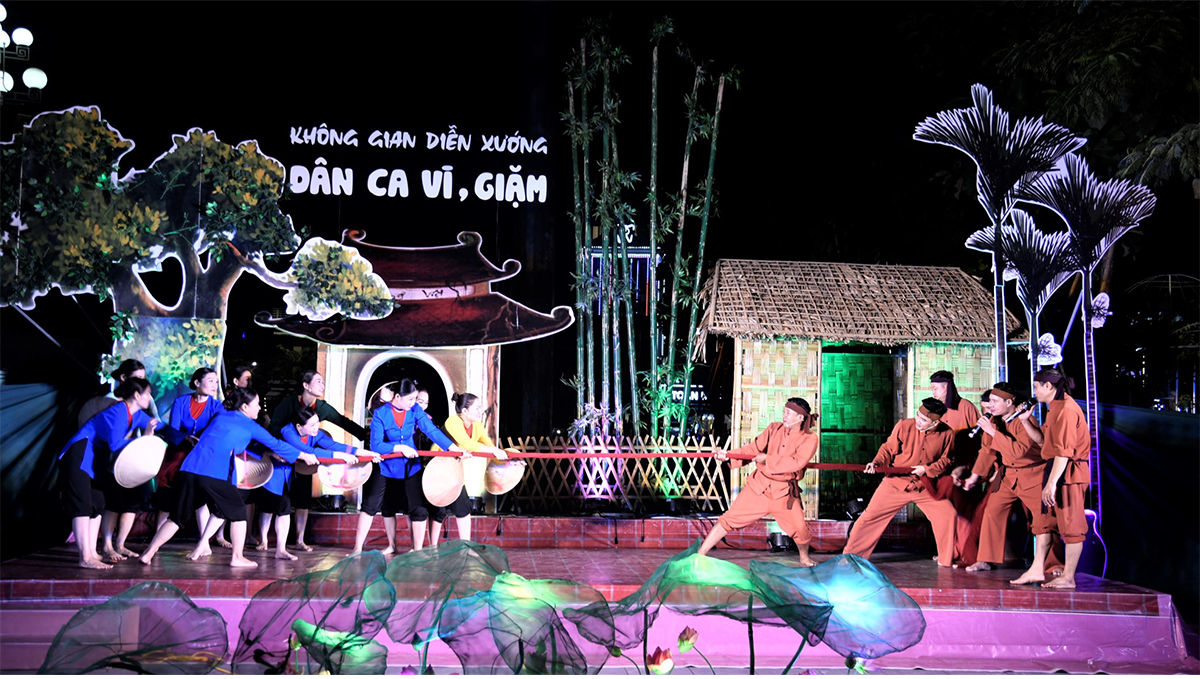
Mr. Tran Quoc Chung, Deputy Director of the Nghe An Traditional Arts Center, said: "Because we have streamlined one functional department, one specialized department, and one performing troupe, the unit's management structure has been reduced, making it easier to manage and provide professional support between the two art forms."
However, according to Mr. Chung, given the unique nature of the profession, which requires specific skills, has a short career lifespan, and involves long and costly training periods, there is currently no specific mechanism for training, recruitment, or retirement age. This leads to shortcomings in attracting and training high-quality human resources. At the beginning of 2023, while the unit was experiencing a shortage of personnel and had 5 vacant positions according to the quota, no recruitment was possible.
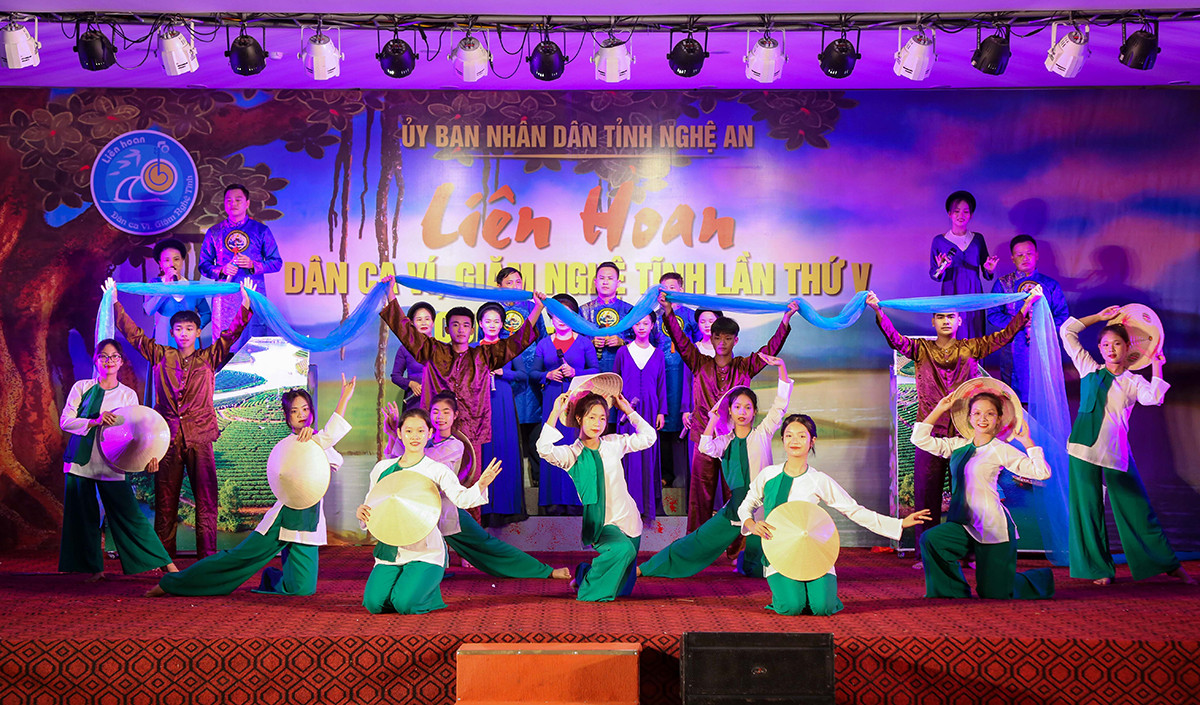
Explaining the difficulties in recruitment, Mr. Chung said that the Traditional Arts Center is a specialized unit focusing on talent, but to date, there are no specific mechanisms or policies regarding human resources for the arts, leading to shortcomings. It's easy to see that many performers have passed their professional age but haven't yet reached retirement age. Many young people with the ability and passion for the profession lack the necessary qualifications (only having a secondary education or traditional training). Furthermore, employment contracts for specialized work are often against regulations. Therefore, while the unit basically has enough staff in terms of targets, in reality, there is an alarming shortage of energetic human resources. "After the merger, some departments have an excess of staff, while others have a shortage. We can't put drummers in dance and dancers in singing. Not to mention, the performers are getting older; we can't keep having older dancers on stage forever. Who would watch that?" Mr. Chung said.
Mr. Nguyen Ngoc Quyet, Head of the General Administration Department of the Nghe An Traditional Arts Center, emphasized: Having many older actors makes it difficult to meet the increasingly demanding requirements for professional stage performance positions. Even at the Folk Song and Traditional Music Troupe, the youngest actor is 37 years old. Meanwhile, since 2015, many singers and actors trained at the Nghe An College of Culture and Arts have not returned to work at the center.
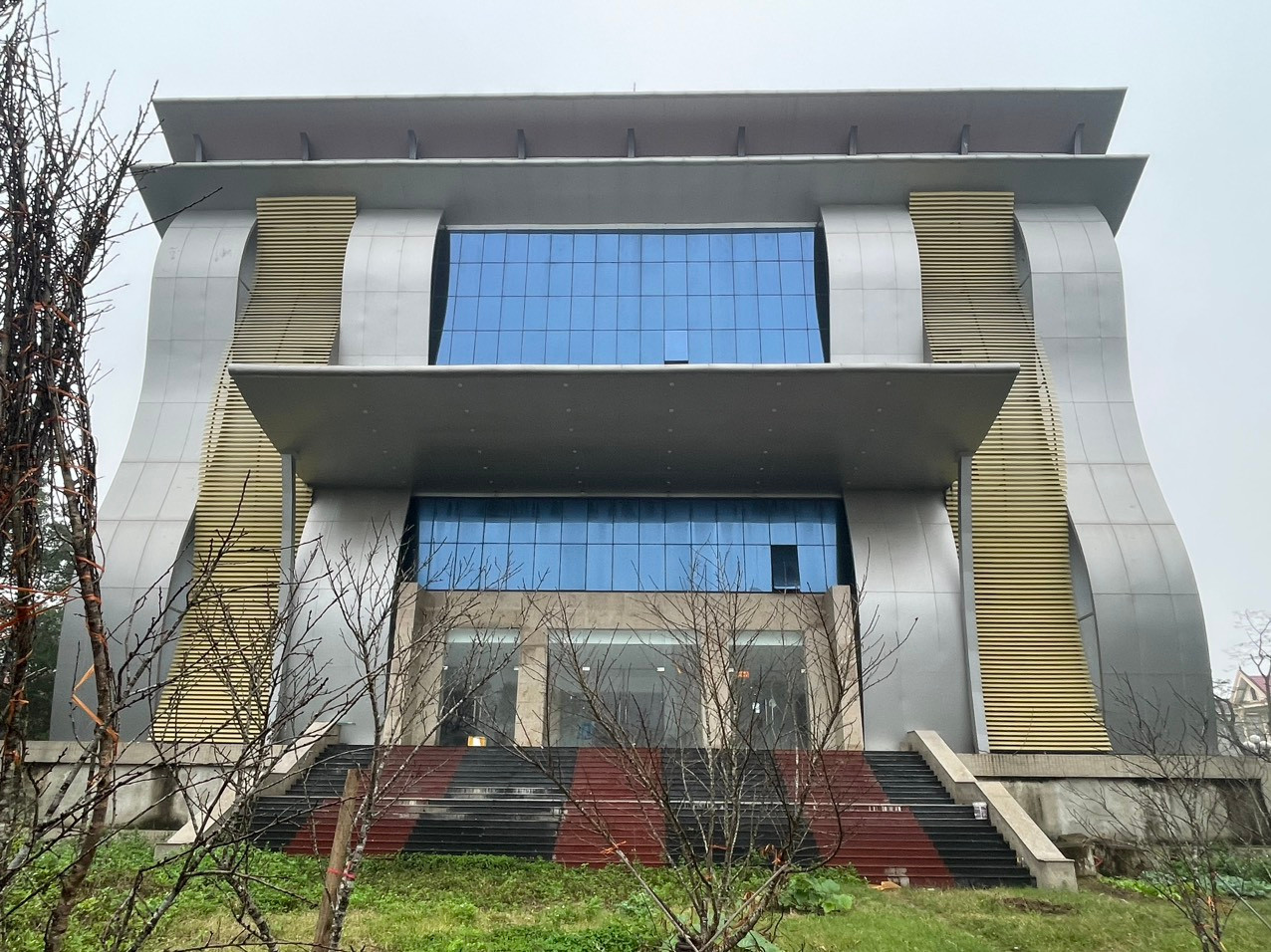
A specific mechanism is needed.
As a specialized sector involved in culture and arts, particularly contributing to the preservation and promotion of the Nghe Tinh folk singing tradition (Vi and Giam), the Nghe Tinh folk singing tradition has been especially significant since 2012, when it was included in the National List of Intangible Cultural Heritage by the Ministry of Culture, Sports and Tourism and recognized by UNESCO as a Representative Intangible Cultural Heritage of Humanity in November 2014. However, since then, there has been no mechanism in place to train and recruit a successor generation to serve in the preservation and promotion of this art form.
Currently, at the Traditional Arts Center, the Folk Song and Traditional Music Troupe has 34 performers (including opera and music actors), but only 7 are third-class performers, while the rest are fourth-class. Many of these performers are Meritorious Artists who are unable to upgrade their civil servant status due to the lack of specialized university degrees. This is especially true for the Nghe Tinh Folk Song and Traditional Music Acting specialization, as to date, no training institution nationwide offers training for Nghe Tinh opera and traditional music actors at the college level or higher. This raises concerns that, without changes in the recruitment mechanism, the Folk Song and Traditional Music Troupe risks "dying out" in about 5 years.
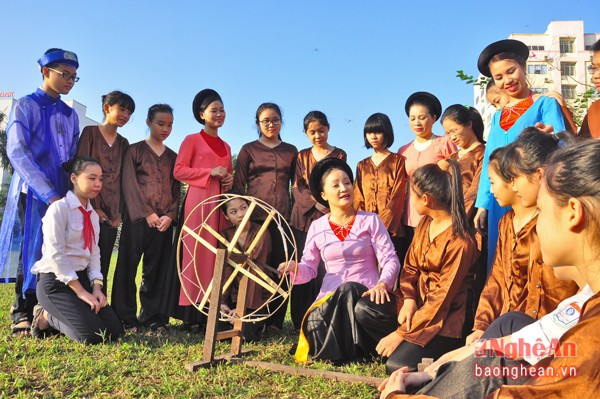
Mr. Nguyen Ngoc Quyet added: "Everyone knows that 'vi' and 'giam' are two styles of folk singing without musical accompaniment created by the Nghe Tinh community hundreds of years ago. 'Vi' and 'giam' are practiced in daily life and work: while rocking children to sleep, working in the fields, rowing boats, weaving cloth, milling rice, etc.; it is not an academic art form that can be taught in educational institutions or art training centers, but sometimes it is simply a tradition passed down through generations."
Furthermore, even with formal training at art schools, the duration and cost of a university degree in performing arts are lengthy and expensive. The shortest time to obtain a specialized university degree is 5 to 6 years, with some specializations requiring up to 11 years. Without specific recruitment policies, many talented young singers, even those with formal training, will not return to the industry.
Recently, during a working session with the Supervisory Delegation of the National Assembly of Nghe An province, Ms. Tran Thi My Hanh – Director of the Department of Culture and Sports – proposed to the delegation that a report and recommendations be submitted to the Standing Committee of the National Assembly to consider adjusting some regulations on recruitment and attracting officials and employees to work at specialized units such as the Nghe An Provincial Traditional Arts Center. Otherwise, it will be difficult to "keep the flame" of traditional arts alive, let alone promote its values.