

30 everyday foods that help boost the immune system.
Check out this list of foods you should eat daily to boost your immunity.
The importance of food
Food fuels the immune system by helping it create new immune cells, protective antibodies, proteins, and enzymes, which together fight off disease-causing invaders. In fact, research shows that providing the body with the right essential nutrients through a balanced diet is one of the best ways to boost immunity and prevent colds, stomach ailments, and the like.
That's partly because the digestive tract through which your food passes contains 70% of your immune system and a large part of your gut microbiome, explains Mary Weiler, PhD, RD, a nutritional scientist. The microorganisms that make up your gut microbiome require a healthy balance of food-derived bacteria to function and then support optimal immune health.
Below are 30 immune-boosting foods you should consider adding to your meals; they are particularly rich in nutrients that support the body's ability to fight off harmful pathogens.

Yogurt boosts immunity.
Dr. Weiler explains: Think of probiotics as "good bacteria" in the gut, which influence the microorganisms living in the digestive tract. A 2017 study published in the journal Nutrients showed that consuming probiotic-rich yogurt daily can improve immune function by increasing the activity of natural killer cells, or cells that limit the spread of disease. Remember, choosing yogurts that aren't too high in sugar is best; anything with less than 8 grams of total sugar is a healthy option.
Oats and barley
Research shows that these grains contain beta-glucan, a type of fiber that helps fight disease by stimulating immune cells. Weiler explains that fiber in general also provides nutrients for healthy gut bacteria to thrive and therefore supports the immune system.
Garlic
Garlic is potent due to its active ingredient, allicin, which has anti-infectious and antibacterial properties. In one study, British researchers gave 146 people either a placebo or garlic extract for 12 weeks; those who consumed garlic had a two-thirds lower risk of catching a cold. Another meta-analysis in 2020 showed that garlic consumption may reduce the risk of colorectal cancer.
Shellfish
Selenium, found in abundance in shellfish such as oysters, lobsters, crabs, and clams, helps white blood cells produce cytokines, proteins that help eliminate the influenza virus from the body.
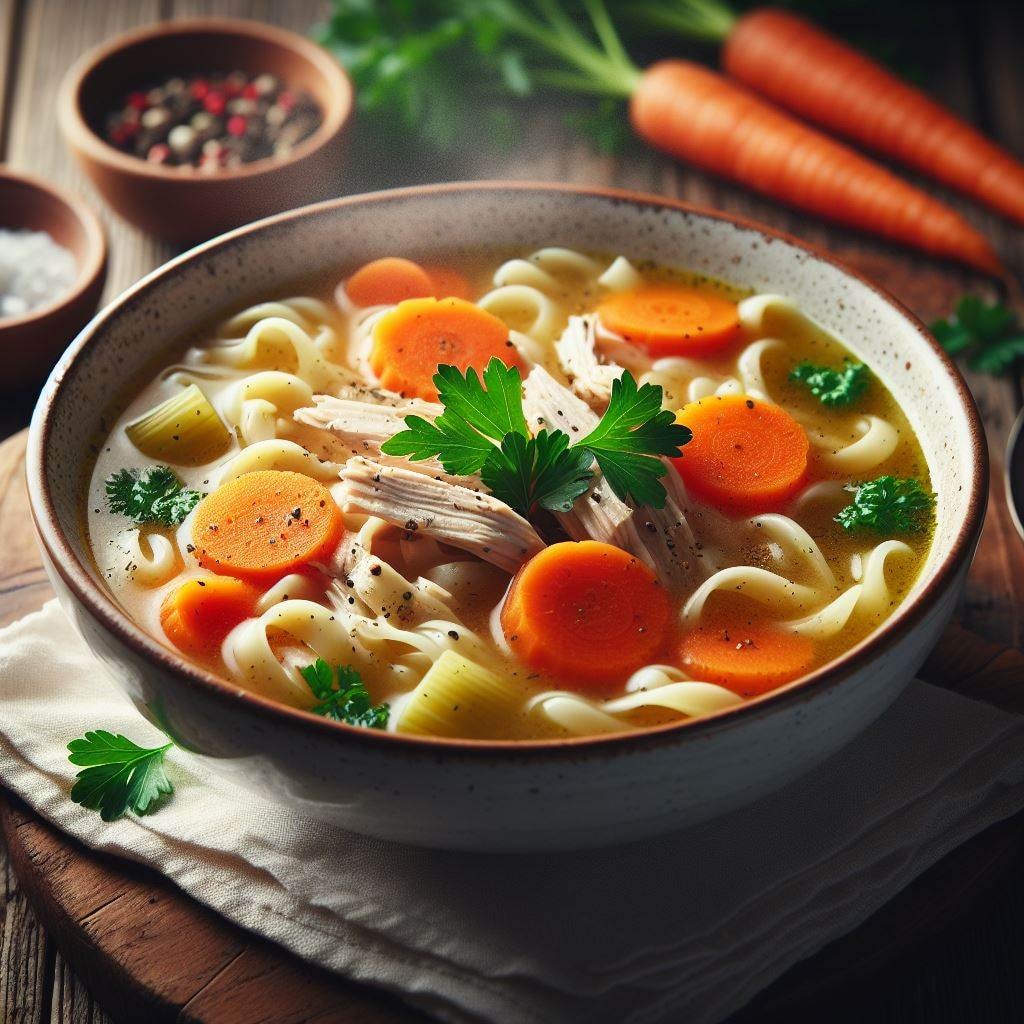
Chicken soup helps boost immunity.
When University of Nebraska researchers tested 13 brands of chicken soup, they found that all but one (chicken ramen) inhibited the movement of inflammatory cells. This is a significant finding because cold symptoms are a response to the buildup of cells in the bronchial tubes. The amino acid cysteine, released from chicken during cooking, is chemically similar to the bronchitis medication acetylcysteine, which may explain the results. The salty broth of the soup also thins mucus, similar to the effect of cough medicine. The added spices, such as garlic and onion, may enhance the soup's immune-boosting properties.
Turmeric
Turmeric contains curcumin, a compound with anti-inflammatory properties that may help support a healthy immune system. One study investigated how curcumin might be helpful in preventing and treating chronic diseases related to inflammation and found that it has potential as a therapeutic agent for conditions such as arthritis, cancer, and cardiovascular disease, partly due to its immunomodulatory properties.
Tea
Black tea contains L-theanine, an immune-boosting amino acid. Both black and green tea contain catechins, antioxidants that are thought to help prevent the flu.

Beef
Zinc is essential for the development of white blood cells, the cells of the brave immune system capable of recognizing and destroying invading bacteria, viruses, and other "bad guys." Beef is a rich source of zinc, as are pork, milk, and beans.
Pork
It's important to get enough zinc, 8 to 11 mg per day, to keep your immune system functioning properly. Pork should be included as another source of zinc in a balanced diet, such as pork ribs or tenderloin.
Almond
Almonds are rich in vitamin E, containing about 7 mg per serving. Vitamin E is an antioxidant that can help protect cells from damage and therefore potentially prevent disease.

Sweet potato
You might not think of skin as part of the immune system. But this vital organ acts as a first line of defense against bacteria, viruses, and other harmful agents. Your skin needs vitamin A to stay healthy. Vitamin A plays a key role in the production of connective tissue, a crucial component of skin. One of the best ways to incorporate vitamin A into your diet is from foods containing beta-carotene (which gives the skin its vibrant orange color), such as sweet potatoes, carrots, squash, canned pumpkin, and cantaloupe.
Ginger
Ginger can help boost immune function by reducing inflammation in the body.
Kale
Along with citrus fruits, dark leafy greens like kale contain vitamin A and can help boost immune function.
Bell pepper
There's a reason you're advised to take vitamin C supplements when you're sick: This nutrient is great for your skin, acting as a barrier between your body and harmful organisms. On top of that, studies show that not getting enough vitamin C can actually weaken your immune response and make you more susceptible to infections. A 2017 research review found that vitamin C supplementation may help prevent respiratory infections or, at the very least, help reduce the severity and duration of symptoms if you do get a cold.
Broccoli
Broccoli is rich in vitamins A and C, as well as fiber, which work together to support a healthy gut microbiome and immune system.

Egg
You already know that vitamin D is important for bones because it helps you absorb calcium properly, but it's also essential for a healthy immune system. Scientists have discovered that your immune cells actually have vitamin D receptors, which are crucial for regulating your body's natural defense mechanisms.
Foods rich in vitamin D, such as eggs, can help you meet your daily needs.
Cereal
Some cereals are fortified with vitamin D, which helps activate immune cells and regulate their function properly, and is crucial for both innate and adaptive immunity. A serving of whole-grain breakfast cereal with half a cup of skim milk provides 40% of the recommended daily value of vitamin D.
Bone broth
Bone broth is made by boiling animal bones and connective tissue, which helps release nutrients such as collagen, amino acids, and minerals. These nutrients may help support immune function and overall health.
Kefir
Like yogurt, kefir, a fermented yogurt drink, contains probiotics that boost immunity and gut health.
Fatty fish
Salmon, mackerel, and herring are rich in omega-3 fatty acids, which help reduce inflammation (salmon is also another source of vitamin D). One animal study also showed that this nutrient may help prevent various types of influenza.
Citrus fruits
Citrus fruits like oranges and grapefruits are rich in vitamin C, a nutrient essential for immune function. Vitamin C builds healthy skin and tissues to fight off invading bacteria and other germs. It also contributes to the rapid increase of B and T cells, two white blood cells that secrete antibodies and destroy infections.
Sunflower seeds
Sunflower seeds are rich in vitamin E, an antioxidant that can help protect cells from damage.
Blackberries
Raspberries are rich in antioxidants, plant compounds that can help protect the body from environmental stressors and bacteria. They also contain fiber and vitamin C, supporting a healthy immune system and gut.
Chicken breast
Protein is a crucial component of antibodies and immune cells, and it also supports the wound healing process. Generally, aim to include 25 to 30 grams of protein in each meal to ensure you get enough protein for the day, and chicken breast is a high-quality source.
Legumes
If you're following a plant-based diet and looking to increase your protein intake to boost immune function, consider eating a legume salad or a serving of baked beans. According to the U.S. Department of Agriculture (USDA), one cup of cooked lentils contains 18 grams of protein.
Celery
Celery is high in fiber, providing nutrients for beneficial gut bacteria to support the immune system. This crunchy, delicious snack also has a high water content, which can boost hydration for the immune and digestive systems that need it. Hydration is crucial for maintaining mucous membranes, which help trap bacteria and viruses and aid in their release through coughing and sneezing.
Mushroom
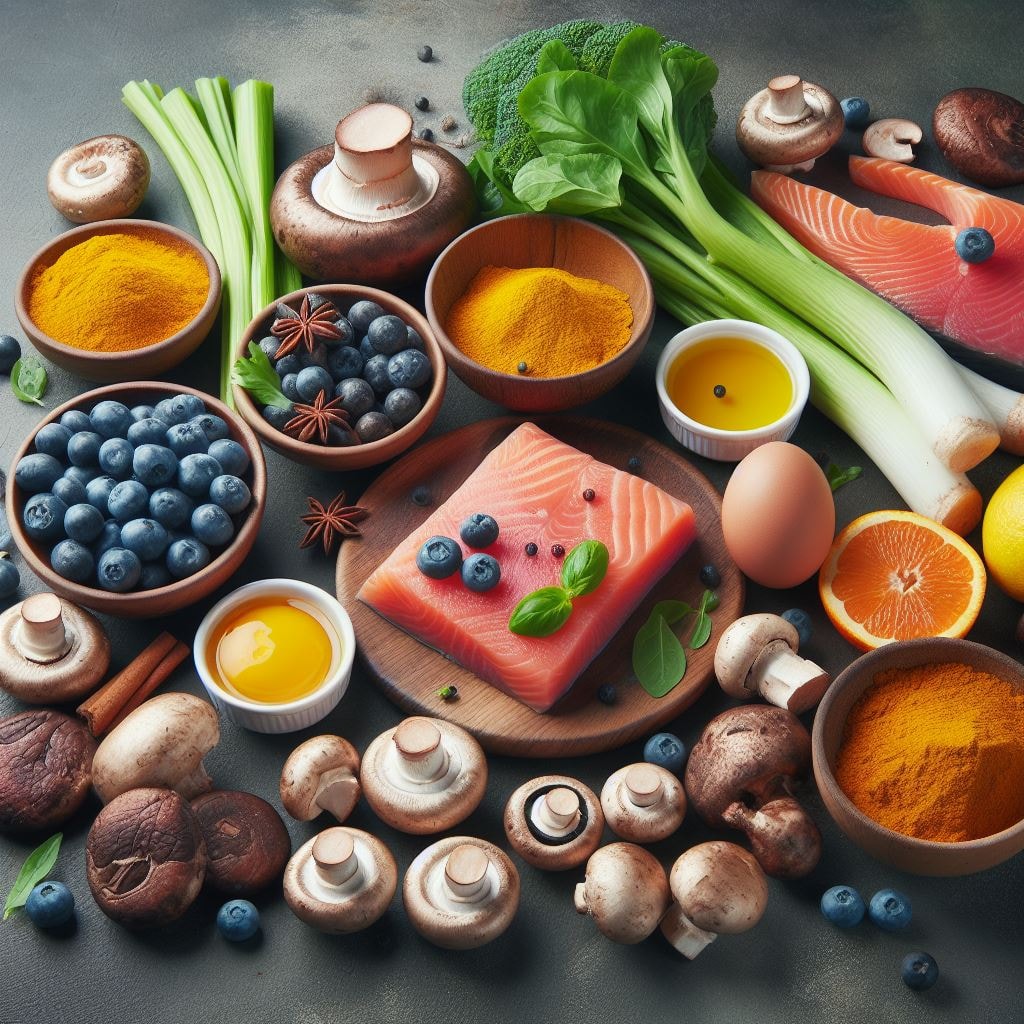
Studies show that mushrooms increase the production and activity of white blood cells. Mushrooms are also an excellent source of vitamin D.
Kiwi fruit
Kiwi contains vitamin E and water, which provide essential protection and hydration for all body systems. Vitamin E has been shown to increase the rate of T cells, white blood cells that seek out and destroy harmful invaders.
Blueberries
Blueberries are rich in polyphenols, an antioxidant that helps protect against inflammation. That's why this superfood has been studied for its many health benefits, including those for heart and immune health.
Brazil nuts
Brazil nuts are high in selenium. According to the Harvard TH Chan School of Public Health, selenium, through selenoproteins and enzymes, has antioxidant properties that help break down peroxides that can damage tissue and DNA.