

Dietary recommendations for people with fatty liver disease.
Excessively high levels of fat in the liver can be a sign of fatty liver disease. Dietary changes are the first line of treatment for this condition.
1. The importance of diet for people with fatty liver disease
Fatty liver disease damages the liver, preventing it from removing toxins from the blood and producing bile for digestion. When the liver cannot perform these tasks effectively, there is a risk of developing other problems.
Certain foods should be included in a diet for fatty liver disease, while others should be avoided. The main goal of a fatty liver diet is to eliminate accumulated fat in the abdominal area, which helps slow the progression of fat in the liver.
Diet plays a vital role in weight loss, and specific nutrients are key for those with fatty liver disease. Reducing simple carbohydrates and saturated fats can reverse or prevent disease progression.
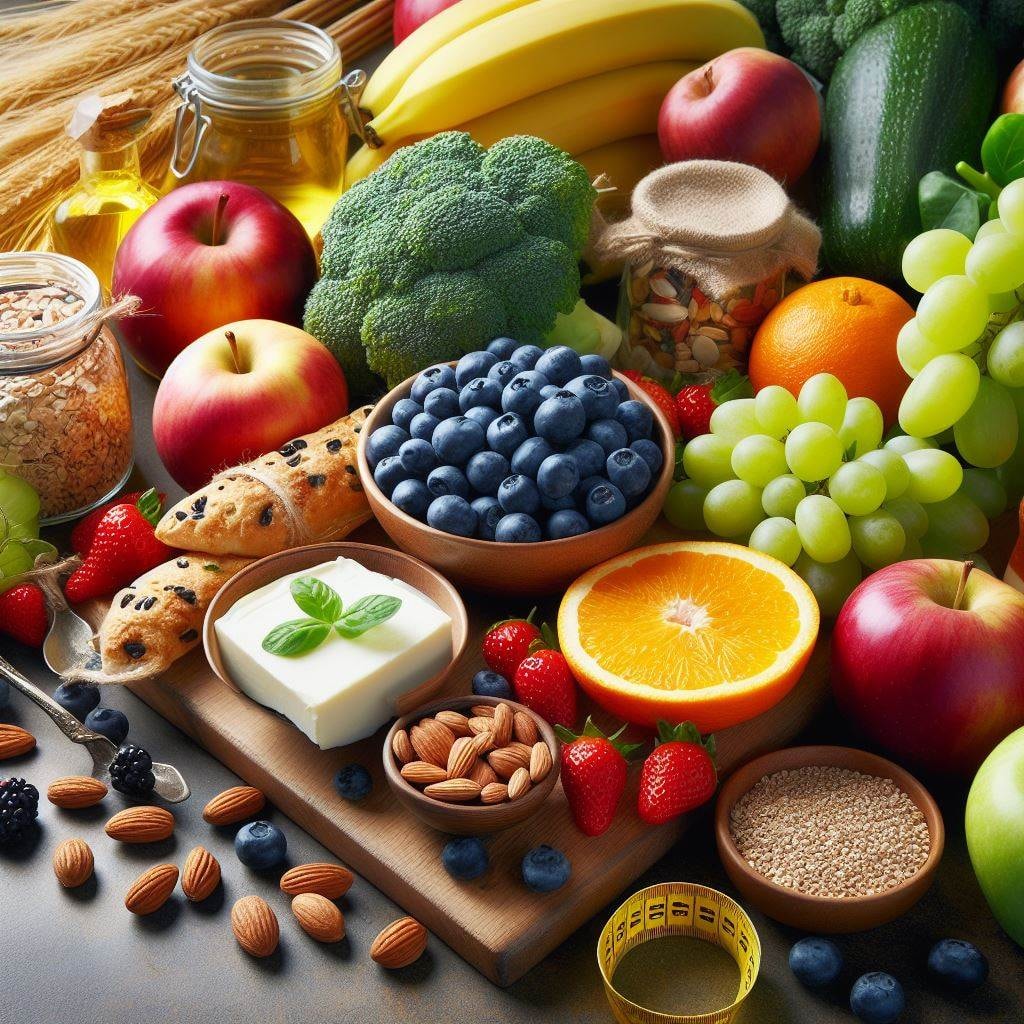
In most cases, fatty liver disease is asymptomatic but is often associated with central obesity, dyslipidemia, hypertension, hyperlipidemia, and insulin resistance. These health problems can cause a range of other symptoms such as lack of energy, mood swings, and disrupted sleep. Weight loss may help improve these symptoms and conditions.
Weight loss aimed at reducing daily calorie intake is an important part of managing fatty liver disease. Moderate weight loss, around 3-5% of body weight, can reduce the amount of fat in the liver; some people have seen reductions of up to 10%.
Because fatty liver disease is often associated with obesity, insulin resistance, metabolic syndrome, and an increased risk of cardiovascular disease, weight loss is one of the main goals, and diet can help address this issue.
A diet for fatty liver disease includes plenty of fresh fruits and vegetables, whole grains, and healthy fats. Portion control is another important aspect of any fatty liver diet. Exercising for 30 minutes a day, 5 days a week, will also help achieve weight loss goals.
Dr. Nguyen Ngoc Dai Lam, Head of the Hepatobiliary Department at E Hospital, stated:
Fatty liver disease can gradually improve if patients change their lifestyle habits, adopt a healthy lifestyle, and treat any co-existing medical conditions.
According to MSc. Dr. Nguyen Ngoc Dai Lam: The most important thing in treating fatty liver disease is assessing and determining the severity of the disease, and strictly adhering to the doctor's instructions to reduce risk factors and prevent possible complications.
Dietary guidelines for people with fatty liver disease:
A healthy diet that promotes weight loss has a positive impact on fatty liver disease, such as preventing disease progression. It can also lead to lower blood pressure, cholesterol, lipids, and blood sugar levels. To quickly improve their condition and prevent potential health complications, people with fatty liver disease should adhere to the following nutritional principles:
Avoid sugar and limit starchy foods (bread, pasta, rice, potatoes). Reduce saturated and trans fats. Avoid foods and drinks containing high-sugar corn syrup. Avoid alcohol. Increase your fiber intake.
Basics of dieting:
Most people trying to lose weight typically need three main meals and one or two snacks each day to get enough nutrients and prevent overeating. Main meals and snacks should contain fiber and protein to help you feel full longer, preventing large fluctuations in blood sugar that lead to cravings and overeating.
Eat whole foods: meat, vegetables, fruits, nuts, legumes, and whole grains. Avoid sugary drinks, added sugar, processed meats, refined grains, hydrogenated oils, and other highly processed foods. Never eat only carbohydrate-rich foods; include a healthy balance of fats, proteins, and carbohydrates with every meal. Practicing the plate method can be helpful. Dedicate half your plate to non-starchy vegetables, a quarter of your serving to lean protein such as white chicken, fish, lean pork, or turkey, and a quarter to starchy vegetables or whole grains.
A personalized meal plan based on dietary preferences and lifestyle is crucial, as this isn't a temporary diet but a lifestyle change. If you only maintain the diet for a short time, old eating habits will resurface, leading to weight gain and putting you at risk of developing fatty liver disease and related conditions again.
2. Essential nutrients for people with fatty liver disease
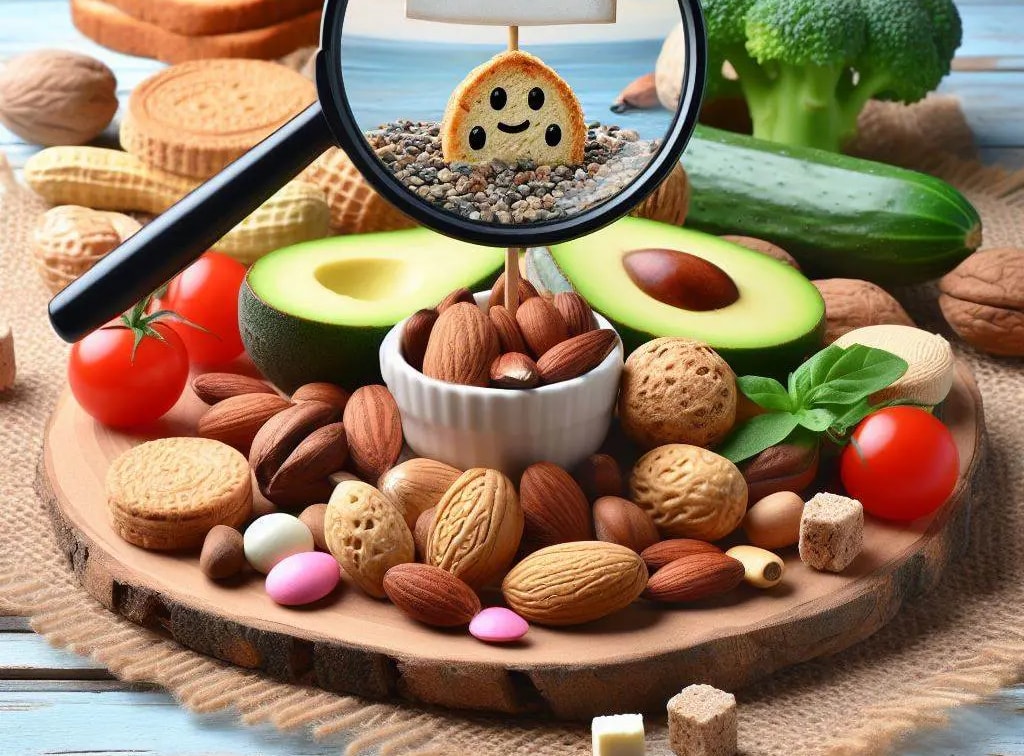
Several studies have shown that people with fatty liver disease may benefit from eating a lower-carbohydrate/high-fat diet (focusing on unsaturated fats).
In fact, in one study in which people with fatty liver disease were randomly assigned to lower-calorie diets with the same calorie intake but different ratios of macronutrients, those receiving lower carbohydrate (40% vs. 60%) and higher fat (45% vs. 25%) diets improved liver function tests.
Some studies suggest that following a low-carbohydrate diet with carbohydrates that have a lower glycemic index (GI) may improve fatty liver disease. The glycemic index can be a difficult concept to grasp, but simply choosing foods with a lower glycemic index (instead of counting glycemic values) can help lower blood sugar and increase insulin levels.
Consuming sufficient protein is crucial for maintaining the body's energy levels; however, when the liver is diseased, protein metabolism is affected. Therefore, individuals with fatty liver disease should consume adequate amounts of protein and choose appropriate protein sources to avoid negatively impacting the liver. This is in addition to ensuring the body has enough energy for daily activities while maintaining a healthy weight.
Polyunsaturated fats (omega 3, omega 6) are also a focus due to their anti-inflammatory and lipid-lowering properties. Sources of polyunsaturated fats such as margarine, olive oil, nut butter, walnuts, and fatty fish are recommended foods for people with fatty liver disease.
The Mediterranean diet is recommended by many nutritionists for people with fatty liver disease because it focuses on whole, minimally processed foods containing unsaturated fats, as well as plenty of vegetables, fruits, and legumes to help lower total cholesterol. The DASH diet and low-carbohydrate diets may also be effective. Some people, especially those with diabetes, may also benefit from a ketogenic diet (however, this type of eating plan has not been specifically studied for people with fatty liver disease and requires guidance from a nutritionist).
3. Foods that people with fatty liver disease should eat.
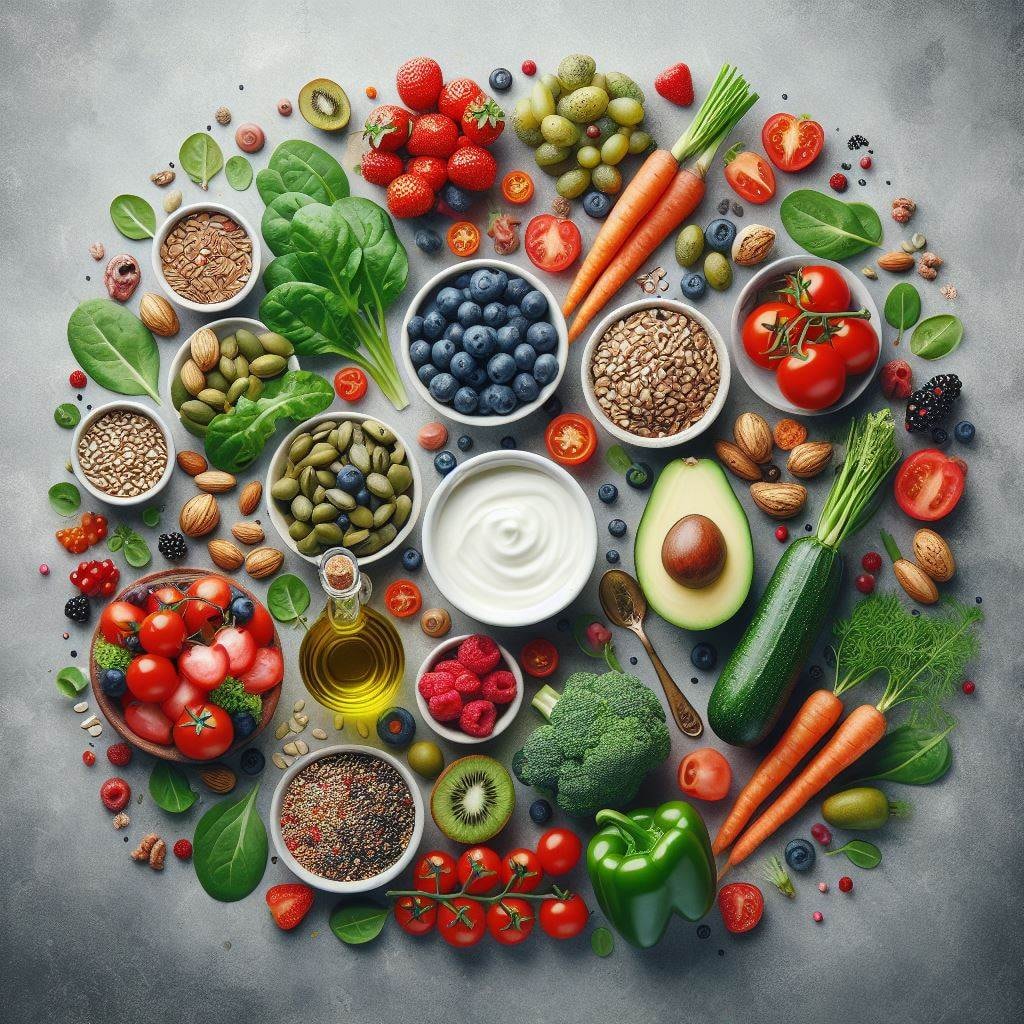
According to Associate Professor Nguyen Thi Lam, former Deputy Director of the National Institute of Nutrition: People with fatty liver disease should eat plenty of green vegetables and fresh fruits to get fiber, which stimulates bowel movements, prevents constipation, and protects against atherosclerosis.
Green vegetables are also a source of many essential vitamins and minerals for the body. On average, people aged 50 and over need about 300-400g of green vegetables and 200-300g of fruit each day.
Eat plenty of green vegetables and fruits:Patients with fatty liver disease should increase their consumption of fruits and vegetables because these foods contain many vitamins and fiber, which stimulate bowel movements, reduce the risk of constipation, and limit the risk of atherosclerosis. In particular, vitamins A, C, E, and antioxidants in fruits and vegetables can reduce the risk of fat accumulation in the liver. Examples of green vegetables include: broccoli, spinach, kale, onions, leeks, asparagus, artichokes, bell peppers, mushrooms, carrots, tomatoes, and cauliflower. Fruits such as grapefruit, berries (blueberries, cranberries, strawberries, raspberries, etc.), lemons, oranges, pineapples, apples, pears, papayas, and pomegranates are also beneficial.
People with fatty liver disease should consume at least 300g of green vegetables and 200g of fresh ripe fruit daily. Those who eat plenty of fruits and vegetables tend to maintain a healthier weight.
Starchy vegetables like sweet potatoes, turnips, and yams are complex carbohydrates that are also rich in phytonutrients, fiber, and vitamins, such as vitamin C, a powerful antioxidant that helps boost immunity.
Whole grains:Oats, 100% milled wheat, barley, bulgur, farro, rice… Whole grains—especially those with a lower glycemic index, such as whole oats—are rich in vitamins, minerals, and fiber. They support satiety and regular bowel movements, and are an excellent alternative to refined carbohydrates.
Oats, 100% milled wheat, barley, bulgur, farro, rice… Whole grains—especially those with a lower glycemic index, such as whole oats—are rich in vitamins, minerals, and fiber. They support satiety and regular bowel movements, and are an excellent alternative to refined carbohydrates.
Nuts:Sunflower seeds, almonds, cashews, pistachios, and walnuts are rich in omega-3 fatty acids, which help lower triglycerides and lipids. They can also reduce inflammation. Prioritize raw, unsalted food options whenever possible.
Beans:Beans, lentils, green beans... (preferably dried and not canned) are good sources of protein and fiber for vegetarians. Legumes are a type of complex carbohydrate that helps you feel full for longer and reduces large fluctuations in blood sugar levels. They are also low in fat.
Lean protein:White chicken, turkey, eggs, pork… are all foods containing protein that is very important for muscles and helps you feel full for longer. Compared to proteins with higher fat content, lean protein has fewer calories and saturated fat, which can aid in weight loss. Replacing 85g of ground beef with 85g of chicken can save you about 150 calories.
Low-fat yogurt, kefir:Rich in calcium, vitamin D, and probiotics, low-fat milk can be a healthy option. Research has shown that probiotics can help transform gut bacteria, playing a role in limiting the development of fatty liver disease, a metabolic disorder, and its dangerous progression.
Healthy fats:Olive oil, peanut oil, sesame oil, or fatty fish rich in omega-3 fatty acids, such as salmon, tuna, and sardines, can help reduce triglycerides and fat in the liver.
Herbs and spices:Herbs and spices add flavor while also being rich in anti-inflammatory antioxidants. They are low in calories and also fat-free, such as basil, cilantro, parsley, rosemary, thyme, oregano, lemongrass, and lavender.
4. Foods that people with fatty liver disease should avoid.
Road:
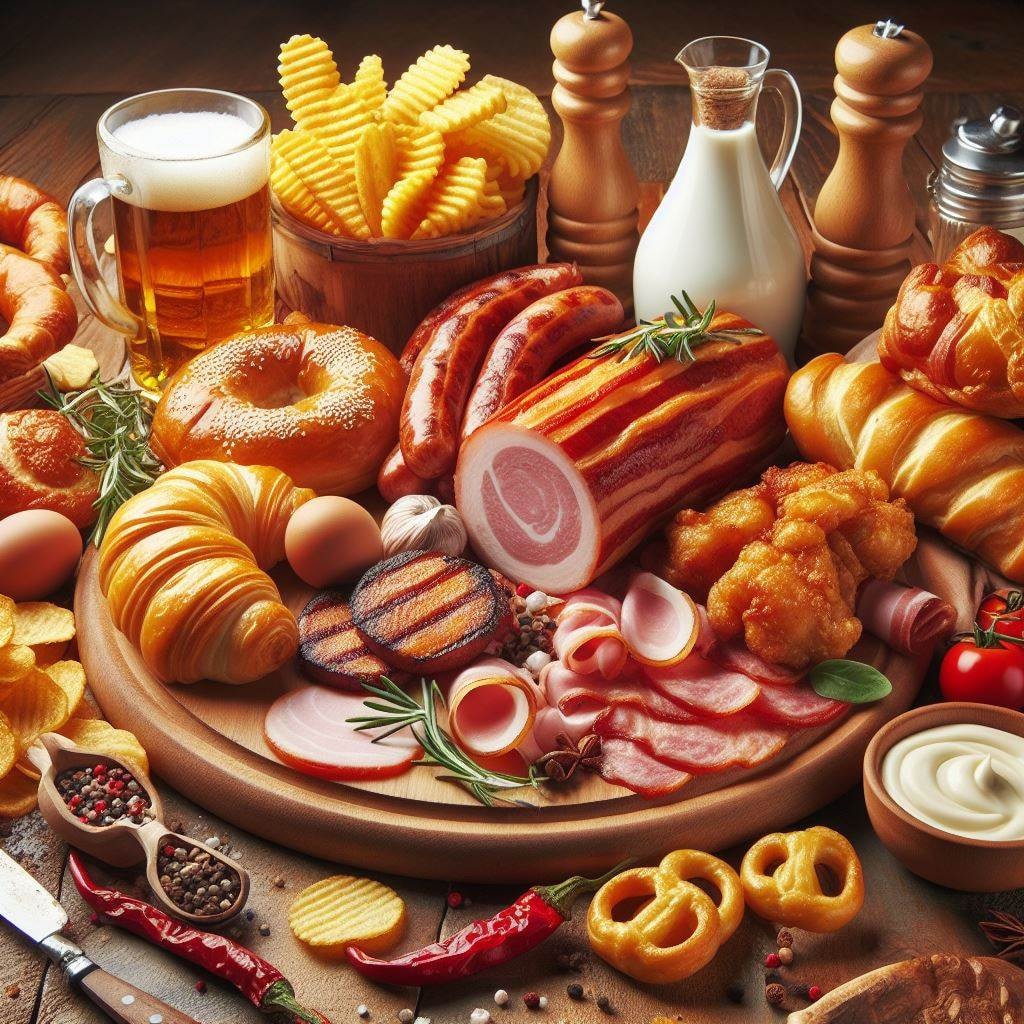
Foods high in sugar, such as candy, cookies, cakes, donuts, soft drinks, soda, sports drinks, and fruit juices, should be avoided by patients with fatty liver disease. This is because they raise blood sugar levels, leading to fat accumulation in the liver.
Fruits are healthy for most people, but if you have high blood sugar or insulin resistance, avoid fruits high in fructose. Fructose is metabolized in the liver. Limiting fruits high in fructose will help reduce the burden on the liver and improve the effectiveness of treatment for fatty liver disease, such as jackfruit, durian, lychee, longan, dried fruits, etc., or corn syrups like maple syrup.
Minimize your consumption of processed meats.
Fatty liver disease (unrelated to alcohol) is more likely to occur with high levels of bad cholesterol and in overweight or obese individuals. Regular consumption of processed meats can contribute to increased cholesterol and other cardiovascular problems. Processed meats such as bacon, sausages, and ham have higher levels of saturated fat and calories that can clog arteries.
Limit animal fats and foods high in cholesterol.
People with fatty liver disease should avoid animal fats, organ meats, egg yolks, and other foods high in cholesterol. Limiting these foods in your daily diet helps reduce the amount of fat in the liver, thus lessening the burden on the liver.
You shouldn't eat too much red meat.
Red meats like beef and lamb are very high in protein, and consuming too much of them puts a heavy burden on the liver. The liver cannot metabolize the protein effectively, leading to increased fat accumulation and worsening fatty liver disease.
Refined Carbohydrate
White bread, white rice, bagels, white pasta, and canned foods are all refined carbohydrates that are highly processed and can raise blood sugar levels more than whole grains due to their lack of fiber. Therefore, rice consumption should be limited.
Trans fats and saturated fats
Margarine, processed baked goods, fried foods, pastries, full-fat cheeses, packaged/canned foods.
Refined, fried, and deep-fried snack foods
French fries, cookies, crackers, rice cakes—these are all high in fat and calories.
Reduce salt
Consuming too much salt can increase the risk of fatty liver disease. It is recommended to limit sodium intake to less than 2,300mg per day.
Do not drink alcohol or beer.
People with fatty liver disease should avoid alcohol because it can worsen their condition. Drinking alcohol forces the liver to work harder to eliminate toxins from the body, significantly impacting the health of those with fatty liver disease.