

What foods should you eat and avoid if you have dry eyes?
Nutrition plays a crucial role in eye care and preventing dry eyes. So, what foods should you eat and avoid to protect your eye health?
Just like regular eye exams, practicing good eye hygiene, or maintaining prescription glasses, diet is also important in protecting eye health. Providing the body with the right nutrients can benefit vision and prevent eye diseases, including dry eyes.
1. The importance of diet for people with dry eyes
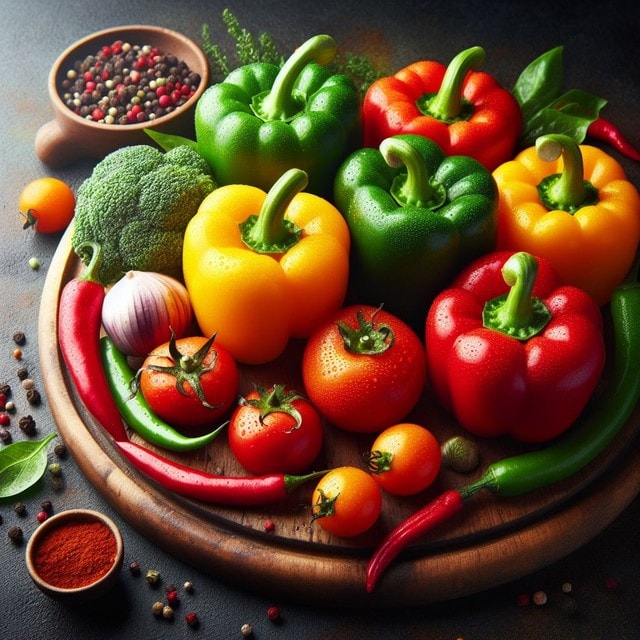
Dry eye is a condition affecting the eye's ability to lubricate, occurring when the eye cannot produce enough tears, produces too few tears, produces poor quality tears, or tears evaporate too quickly to keep the eye hydrated. This leads to irritation, damage, and infection of the eye. It causes a number of eye symptoms including burning, redness, itching, and blurred vision.
A diet rich in omega-3 fatty acids, whole foods, and antioxidants can help prevent or reduce dry eye symptoms. Understanding which foods to eat more of and which to limit can help improve dry eye.
Many people experience dry eyes at some point, but it most commonly affects women and adults over 50. Other factors also influence the risk of developing dry eye, including a diet low in certain vitamins and nutrients.
Numerous studies have established a link between dry eye syndrome and diet. Certain nutrients, including vitamins and minerals, help maintain overall eye health and alleviate dry eye symptoms. However, people with dry eyes should not replace medical treatment with supplements or dietary changes without consulting a doctor.
2. Essential nutrients for people with dry eyes
Omega-3 fatty acids
Omega-3 fatty acids offer numerous potential health benefits, including reducing symptoms of chronic dry eyes.
According to a 2019 meta-analysis, omega-3 supplements may help reduce dry eye symptoms. While research focused on supplements, eating a diet rich in omega-3 fatty acids is also helpful. However, not all omega-3 fatty acids are beneficial. Studies have shown that only eicosapentaenoic acid (EPA) and docosahexaenoic acid (DHA) may reduce dry eye symptoms when people take them at high doses as prescribed by a doctor.
These specific fatty acids are found only in fatty fish such as salmon, mackerel, tuna, and sardines. However, for best results, people with dry eyes should use supplements or adopt a diet that includes regular fish consumption or a Mediterranean diet.
Probiotic
Probiotics are commonly found in fermented foods or as dietary supplements. Probiotics can help maintain a healthy gut microbiome. The gut microbiome comprises millions of different bacteria and other living organisms that support a variety of functions, including digestion.
According to a 2020 study, the gut microbiome may offer some potential benefits for people with dry eyes and other health issues. Researchers noted that using a variety of probiotics to create a well-balanced gut microbiome can support tear production. Some foods containing probiotics include: yogurt, sauerkraut, sourdough bread, miso, etc.
It's important to note that while probiotic-rich foods are beneficial, eating foods containing probiotics may not have the same effect on eye health as probiotic supplements. If a doctor prescribes or recommends a probiotic, people with dry eyes should follow their doctor's advice and not try to replace the supplement with dietary changes.
Vitamin A
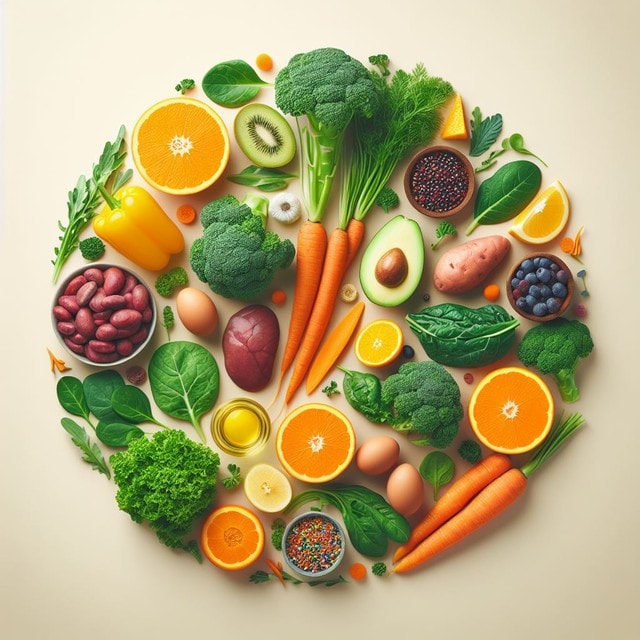
Vitamin A is a fat-soluble vitamin that occurs naturally in orange fruits and vegetables, as well as certain animal sources, such as milk, eggs, and organ meats. Vitamin A helps with overall eye health and tear production.
A 2019 study reported improved tear quality in people with dry eyes who supplemented with vitamin A.
Foods rich in vitamin A include many orange-colored fruits and vegetables such as carrots, oranges, and sweet potatoes. These sources contain a substance called provitamin A, which the body must convert into vitamin A in the gut. Animal sources of vitamin A, such as dairy products, eggs, and organ meats, provide pre-formed vitamin A, meaning the vitamin is fully formed. Multivitamins also often contain vitamin A in provitamin form.
Zinc
Zinc is a mineral found in many foods that helps protect the eyes from light and strengthens retinal health.
Those interested in adding more zinc to their diet can eat foods such as: beans, grains, lean red meat, oysters, poultry, etc. If you want to supplement zinc, people with dry eyes should consult a doctor.
Vitamin E
Vitamin E is a fat-soluble antioxidant that can improve overall eye health and protect the eyes. A 2016 study showed that an antioxidant supplement containing vitamin E helped improve the stability of the tear film.
Foods that provide vitamin E include red peppers, peanuts, almonds, wheat germ oil, and pumpkin.
Zeaxanthin and lutein
Zeaxanthin and lutein are two antioxidants that can support overall eye health. These nutrients are found in a variety of foods, including brightly colored fruits and vegetables such as grapes, leafy greens like kale, spinach, collard greens, and eggs.
Vitamin C
Vitamin C is a water-soluble vitamin that helps treat many health conditions, including dry eyes. It can help maintain tear production.
Foods containing vitamin C include cabbage, citrus fruits such as lemons and oranges, bell peppers, broccoli, etc.
3. Foods that people with dry eyes should eat.
Fish
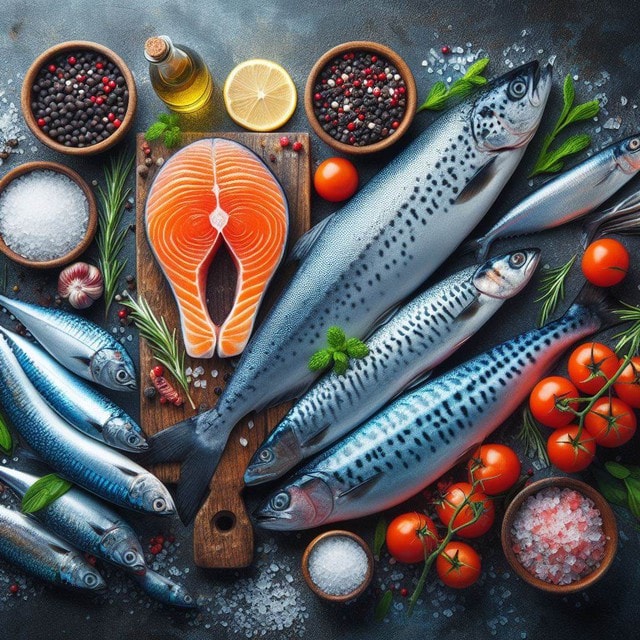
Fish is a good source of omega-3 fatty acids. These fatty acids are essential for visual development and retinal function. Consuming omega-3 fatty acids may reduce the risk of dry eyes by 17%. Additionally, omega-3s reduce inflammation in the eyes and promote the production of meibomian glands, which are responsible for creating the oily film in the eyes (reducing tear evaporation). Some of the best fish sources of omega-3 fatty acids include: cod, herring, salmon, sardines, and tuna.
However, if you don't like fish, nutritionists often recommend supplementing with omega-3s.
Fatty fish also contain vitamin D. While the body absorbs some vitamin D from sunlight, it's easier to supplement it through diet or supplements. Research shows that low vitamin D levels increase the risk of dry eyes. Additionally, a vitamin D deficiency reduces tear production, exacerbating dry eye symptoms.
Sweet potato
Sweet potatoes offer many surprising health benefits, primarily due to their antioxidants. They are also rich in fiber, vitamins, and minerals. Sweet potatoes contain over 200% of the recommended daily allowance of vitamin A. Consuming foods rich in vitamin A (or supplements containing vitamin A) may improve tear quality and reduce symptoms of dry eye disease.
Carrot
Carrots contain nutrients essential for eye health. They are rich in vitamin A and beta-carotene. Beta-carotene is what gives carrots their vibrant orange color. It also helps the body produce vitamin A naturally.
Avocado
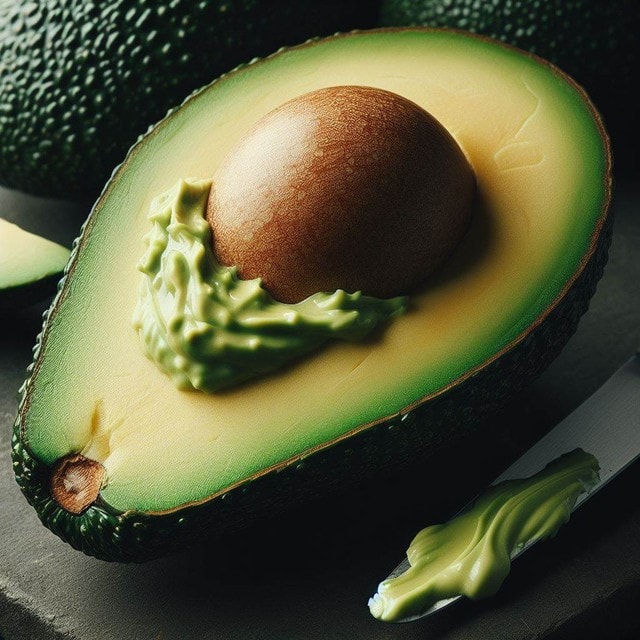
Avocados are a rich source of nutrients that most people lack in their daily diets, including magnesium, B6, vitamin C, vitamin E, folate, and potassium. Many of the nutrients in avocados are essential for eye health and support the tear film.
Potassium and magnesium are components of electrolytes in tears. Electrolytes are what give tears their salty taste. Without salty tears, the eyes would lack the moisture and nutrients needed to support their cells.
Avocados are rich in antioxidants and anti-inflammatory compounds, including the carotenoid lutein. These help fight oxidative damage and the progression of many chronic diseases. Antioxidants also help protect brain and heart health.
Egg
Eggs, whether steamed, boiled, or fried, are all nutritious foods. Eggs are a good source of lutein, zeaxanthin, vitamin C, vitamin E, and zinc. The antioxidants lutein and zeaxanthin are recommended by the American Optometric Association (AOA) because large amounts of these antioxidants are found in the retina. They may also help prevent many eye problems, including cataracts, UV damage, and dry eyes.
Citrus fruits
Citrus fruits contain vitamin C, an antioxidant recommended by the AOA to protect eyesight and prevent eye diseases. Vitamin C is also a component of the tear film, supporting lubrication and promoting tear production. Some examples of citrus fruits include: oranges, grapefruits, lemons…
Broccoli
Broccoli is a highly nutritious food. It contains many antioxidants and vitamins C and E, as well as lutein and zeaxanthin.
Leafy green vegetables
Leafy green vegetables, especially spinach and kale, are packed with vitamins, nutrients, and minerals essential for overall health. Some of the best for eye health and reducing dry eyes include lutein, zeaxanthin, and vitamin C.
Bell pepper
Bell peppers are juicy, flavorful, and rich in vitamin C. However, it's best to eat them raw because cooking destroys vitamin C. Bell peppers in vibrant colors like red, orange, and green are also a good source of vitamin A and vitamin E.
Bean
Legumes such as black-eyed peas, kidney beans, and lima beans can add many healthy nutrients to your diet, including B vitamins and zinc. Zinc is how the eyes receive vitamin A from the liver, keeping the retina healthy and protecting the eyes from light damage.
However, while zinc also reduces the amount of copper needed for red blood cell production in the body, beans contain both zinc and copper, which help improve eye health and maintain blood cells.
Nuts
Nuts are rich in omega-3 fatty acids. In addition, nuts contain high levels of vitamin E, an important component that helps prevent the breakdown of healthy eye tissue. Good nuts for eye health include walnuts, cashews, and pecans.
Zucchini and pumpkin
Zucchini is a source of vitamin C and zinc, while pumpkin provides vitamins A, C, and omega-3s. Additionally, zucchini contributes lutein and zeaxanthin to the diet.
Nuts
Nuts are a rich source of omega-3s and vitamin E, both essential for eye health, and are very helpful in managing dry eye symptoms.
Some seeds that are high in omega-3s include chia seeds and flax seeds. Additionally, sunflower seeds and almonds are rich in vitamin E.
Water
Water is not food, but it is essential for nutrition. Staying hydrated maintains and protects the body; from lubricating joints to regulating body temperature, water is everywhere in the body.
Water is also the most abundant component of tears. Water makes up 98% of tears, while the remaining 2% contains oils, electrolytes, and proteins. That 2% is crucial for nourishing the eyes and preventing tear evaporation, so sufficient water is needed to maintain tear production.
4. Foods that people with dry eyes should avoid.
Onions, garlic, and chili peppers
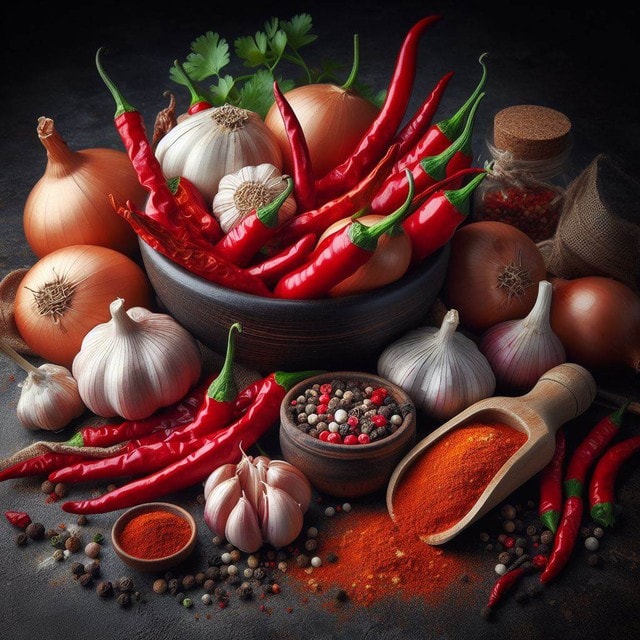
The effects of these spicy seasonings can irritate the nerves, including the optic nerve, making already dry eyes even drier, causing eye strain and reduced vision, and hindering the recovery process.
Stimulant
Stimulants such as tobacco and alcohol have a significant impact on dry eye disease. Furthermore, alcohol, beer, and cigarette smoke are also causes of dry eyes. Besides damaging the tear glands, these substances stimulate urine secretion, leading to rapid dehydration and consequently reducing both the quality and quantity of tears.
Foods high in salt
Regularly consuming foods high in salt when suffering from dry eyes can increase urine production and deplete the necessary water for tear production. This, in turn, worsens the dry eye condition. Therefore, patients should pay attention to their daily salt intake.
Foods that are too high in sugar
Eating foods high in sugar over a long period of time can lead to elevated blood sugar levels. This can damage the retina and macula, impair eye function, and worsen dry eye symptoms.
Processed foods
Processed foods high in saturated fats, such as french fries, sausages, and cured meats, can disrupt the metabolic processes in the eyes, significantly reducing tear production and worsening dry eye symptoms. Furthermore, regular consumption of these foods can increase the number of free radicals in the body, accelerating eye aging, exacerbating dry eye, causing blurred vision, and even vision loss.
If dietary changes haven't improved your dry eye condition, you should see an ophthalmologist for an examination, dietary assessment, and to address the underlying causes of your dry eye symptoms.