

A series of health risks during hot weather.
(Baonghean.vn) - During the summer, hot weather can cause many health problems for people, as well as trigger outbreaks of various diseases…
A reporter from Nghe An Newspaper had a discussion with Dr. Nguyen Duc Phuc, Head of the Intensive Care Unit at Nghe An Friendship General Hospital, about this issue.
PV:In the summer, Nghe An province typically experiences prolonged periods of hot weather, with temperatures reaching over 40 degrees Celsius in some areas. In the summer of 2024, due to the influence of El Niño, an exceptionally intense heatwave is predicted. Could you please explain the health risks associated with this heatwave?
Dr. Nguyen Duc Phuc:In the summer, hot weather can cause a sudden increase in body temperature, which the body cannot adapt to quickly, potentially leading to heat edema, rashes, cramps, fainting, exhaustion, and even heatstroke.
When the ambient temperature rises, blood vessels dilate to release heat, causing swelling. Heat edema manifests as swelling in the lower parts of the body, such as the ankles and feet. This symptom usually disappears within a few hours or days as the body adapts. If the symptoms persist, patients should elevate their legs while sleeping to improve blood circulation. Mild cases do not require medication.
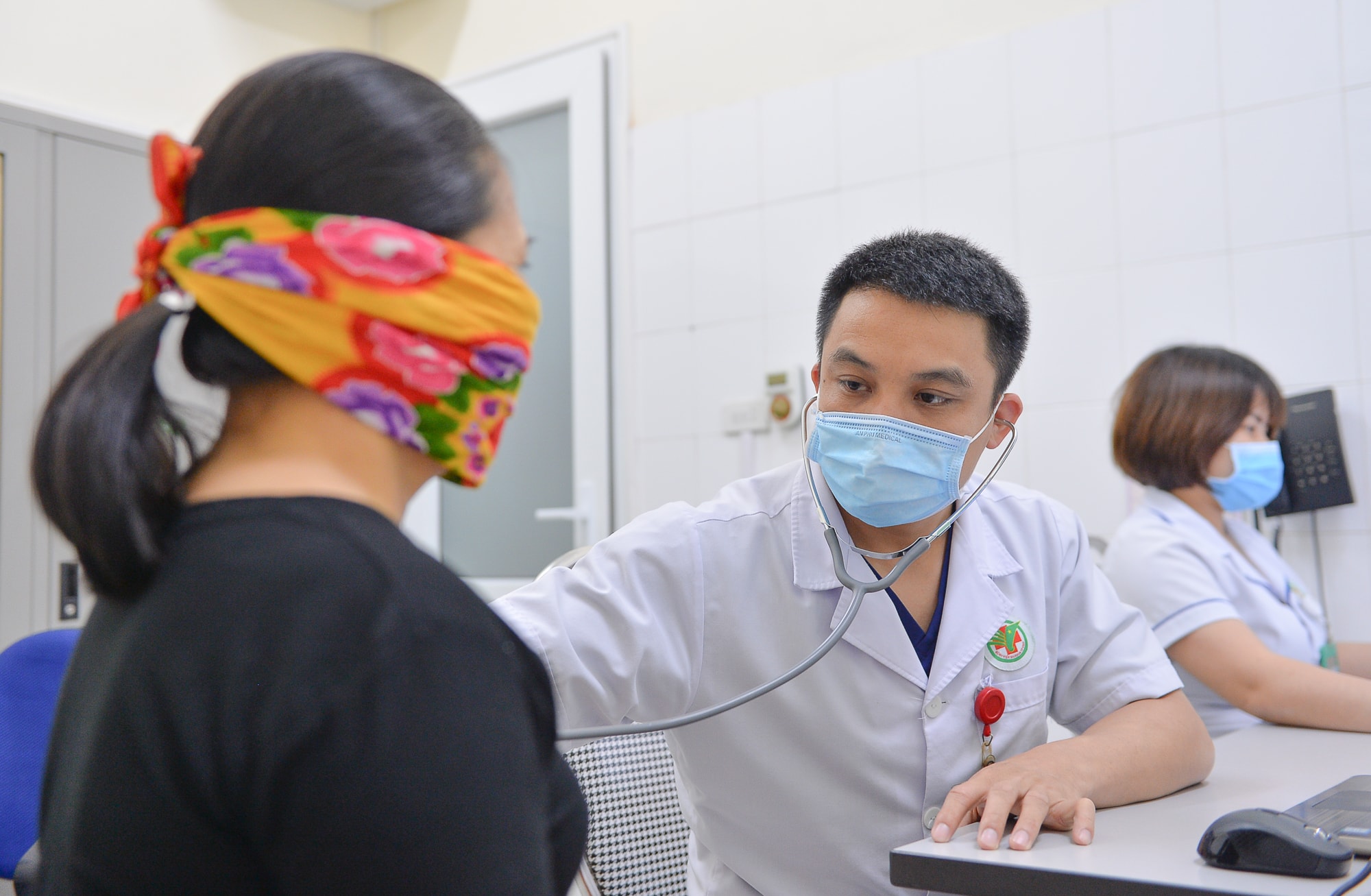
During hot weather, areas of skin exposed to sunlight or high temperatures are easily irritated, leading to rashes and hives. The condition usually resolves on its own after a while and does not require specific treatment. If the itching is severe, people can use common antihistamines, limit sun exposure, and the body will adjust, causing the symptoms to disappear.
Muscle cramps are a common ailment among people engaged in heavy labor or athletes who train intensely. Symptoms include pain in the muscles, particularly the thighs and calves. When experiencing cramps, people can use common pain relievers, rest, move to a cool, well-ventilated area, and rehydrate with fluids containing electrolytes. After rest and rehydration, the symptoms will usually resolve and disappear.
In the summer, fainting can occur and is common among people who spend a lot of time in the sun, causing the body to lose salt and water, leading to decreased blood pressure and reduced blood flow to the brain. First aid for someone who faints is crucial. To provide first aid, lay the person down with their head lower than their body, move them to a cool, well-ventilated area, loosen their clothing, and give them fluids containing electrolytes. Monitor them for about 30 minutes; if their condition stabilizes, hospitalization is not necessary.
When salt and water loss lasts longer than in the situations described above, it leads to heat exhaustion. At that point, the patient not only faints but also experiences neurological symptoms such as headache, dizziness, nausea, and vomiting. If given timely first aid, the body can fully recover. First aid for heat exhaustion is similar to that for fainting, but requires closer monitoring. Cold compresses can be applied to areas with many blood vessels such as the forehead, back, armpits, and groin. Drinking as much water as possible is also beneficial. If symptoms do not improve within 30 minutes to an hour, the patient should be taken to the hospital.
Heatstroke has a mortality rate comparable to heart attack or stroke. It occurs due to prolonged loss of salt and water, coupled with an overload of the thermoregulatory center. Prolonged hyperthermia damages the cardiovascular, respiratory, liver, and kidney systems, and especially the nervous system. Heatstroke is more common in the elderly, those with weakened immune systems, children, and individuals with cardiovascular disease, neurological disorders, or endocrine disorders. Signs include a body temperature exceeding 40°C, accompanied by neurological symptoms such as headache, dizziness, nausea, lethargy, altered consciousness, seizures, and even coma.
When heatstroke symptoms occur, provide immediate first aid by laying the victim down with their head lower than their body, moving them away from the high-temperature area, reducing heat by using a fan or immersing them in cool water for a few minutes, and applying cold compresses or towels soaked in cold water or ice to areas with many blood vessels such as the forehead, back, armpits, and groin to help the body dissipate heat more quickly. Simultaneously, call emergency services (115) to transport the victim to the hospital immediately.
PV:According to medical statistics, during the summer months, with prolonged hot weather, many elderly people suffer strokes. Could you elaborate on this situation?
Dr. Nguyen Duc Phuc:First, we need to understand what a stroke is: A stroke, also known as a cerebrovascular accident, occurs when a blood vessel ruptures, causing blood to leak from the vessel wall into the brain tissue, subarachnoid space, and ventricles...; or when a branch of a cerebral blood vessel is blocked, that branch is deprived of blood and becomes necrotic.

Many factors contribute to stroke, and hot weather is one of the factors that can cause stroke in the elderly (the greater the temperature fluctuation, the higher the risk of stroke. If the temperature fluctuation curve increases by 5 degrees Celsius, the stroke rate will increase by up to 6%). The risk is especially high for older people with pre-existing heart conditions (heart failure, history of myocardial infarction, etc.), vascular diseases such as hypertension, atherosclerosis, or those with persistently high cholesterol, diabetes, etc.
On hot days, the body must release heat by sweating, breathing rapidly, urinating, dilating blood vessels in the skin, and increasing heart activity to pump blood to the body's surface to dissipate heat. In elderly people, thermoregulation is less efficient due to the decline in various bodily functions. Therefore, high body temperature disrupts the central nervous system's coordination of vital functions, leading to respiratory and circulatory disorders, reduced blood supply to the brain, and ultimately stroke.
The hotter the weather, the greater the risk of stroke in the elderly; the higher the temperature, the more severe the stroke. When the outdoor temperature reaches 39-40 degrees Celsius or higher, it greatly increases the risk of stroke in the elderly. Therefore, consider days with temperatures above 39-40 degrees Celsius as dangerous and take measures to protect the elderly and prevent stroke.
Symptoms often appear suddenly, sometimes mildly, but can progressively worsen. Common symptoms include motor paralysis or sensory disturbances on one side of the body. This may involve paralysis of the upper or lower limbs, or simply numbness or tingling in the extremities.
Or you may notice one side of your mouth drooping, the philtrum is lệch (off-center), and you have difficulty speaking or finding the right words, or not understanding what others are saying; blurred vision, decreased vision, or complete blindness in one eye; possibly sudden, severe headaches, especially accompanied by nausea, vomiting, or dizziness; staggering and loss of coordination.
These symptoms may disappear completely after a few seconds or minutes; this is known as a "transient ischemic attack" (TIAs). However, patients should see a specialist immediately even if the symptoms disappear, as this is a warning sign of an impending stroke.
When someone suffers a stroke, call an ambulance immediately. While waiting for the ambulance, place the patient in a side-lying position to protect their airway. This is because if the patient vomits while lying on their back and is not fully conscious, they can easily inhale vomit into their lungs, causing airway obstruction or respiratory failure, which is very dangerous. If the patient is unconscious, lying on their back can cause the tongue to fall into the throat, obstructing and blocking the airway.
PV:Summer weather, with its prolonged hot and humid climate, creates favorable conditions for the growth of many viruses, bacteria, and parasites, leading to an increase in and outbreaks of diseases that are difficult to control in both adults and children. What are some common summer diseases and how do they spread?
Dr. Nguyen Duc Phuc:In the summer, high temperatures, hot and humid weather, and heavy rainfall create favorable conditions for parasites, viruses, and bacteria to thrive, making people very susceptible to illness and weakening their immune systems. In addition, the lifestyles of people in different regions also increase the risk of summer disease outbreaks.
There are many types of summer diseases, including: influenza, dengue fever, chickenpox, Zika virus disease, hand, foot and mouth disease, and diarrhea. Influenza, while not life-threatening, can cause complications such as upper respiratory tract infections or chronic illnesses in young children and the elderly. For pregnant women, contracting influenza during the first three months of pregnancy can easily lead to birth defects in the fetus.

Chickenpox, a highly contagious infectious disease caused by the Varicella Zoster virus, can be transmitted through the respiratory tract. Healthy individuals can easily become infected by inhaling droplets of saliva expelled when a chickenpox patient coughs, sneezes, or blows their nose, especially children. Additionally, the disease can be transmitted from ruptured blisters, or from damaged or ulcerated skin of an infected person.
Zika virus disease is an acute infectious disease, primarily transmitted by Aedes mosquitoes, and can cause epidemics. The disease is transmitted from person to person through sexual contact, blood transfusions, and from mother to child. Currently, there is no specific treatment or vaccine for this disease.
In the summer, hand, foot, and mouth disease outbreaks not only occur in young children but also in adults, with the causative agent still being a virus. The disease spreads through direct contact with infected individuals (nasal or throat secretions, saliva, fluid from blisters, coughing, or sneezing). There is no cure or vaccine for the disease.
Summer is also a time when diarrhea cases increase. There are many causes of this disease, including viruses and bacteria, the most dangerous being diarrhea caused by Vibrio cholerae (also known as cholera). The disease is transmitted through the digestive tract via contaminated food and water, and is closely related to environmental conditions, water quality, food safety, and people's hygiene habits.
PV:What precautions should people take to proactively prevent illness during the hot summer months?
Dr. Nguyen Duc Phuc:During the hot summer months, people should limit going outside unless absolutely necessary. If going out in the heat is unavoidable, they should wear a hat, appropriate clothing, sunglasses, and a face mask to protect themselves from the heat.
Drink plenty of fluids, especially those working outdoors who lose a lot of water. Supplement with lemon water, diluted salt water, or oral rehydration solution (ORS). However, avoid drinking too much ice water or very cold water, as this can easily cause a sore throat. Do not set the air conditioner temperature too low; do not let the fan blow directly on you.
Practice eating cooked food and drinking boiled water, ensuring food safety and hygiene. Increase nutrition, eat more fruits to ensure sufficient vitamins and boost the body's resistance. Improve personal hygiene, wash hands frequently with soap, especially before preparing food, before eating, and after using the toilet. Cleanse the nose and throat daily with saline solution.
Regularly clean surfaces and objects that are frequently touched, such as doorknobs, stair railings, tabletops, chairs, floors, children's toys, and school supplies, using soap or common detergents. Maintain good environmental hygiene; actively eliminate mosquito larvae and pupae, and use sanitary toilets.
PV:Thank you, sir!