

Does taking vitamin C whiten the skin?
Skin whitening is a timeless topic among women. So, does taking vitamin C really whiten skin and fight aging?
1. The principle of skin whitening
First of all, many factors determine whether our skin is dark or light, such as genetics, sun exposure, hormone levels, etc. But generally, skin color mainly depends on the amount of melanin in the skin.
The origin of melanin production lies in tyrosinase. Tyrosinase in melanocytes forms eumelanin after a series of chemical and oxidative reactions before reaching the skin surface. If the skin's metabolic processes are not functioning smoothly, it leads to precipitation and pigment formation. These accumulations cause the skin to darken or form patches, resulting in uneven skin tone and a darker complexion.

Therefore, inhibiting tyrosinase biosynthesis is key to skin whitening. Vitamin C can inhibit tyrosinase activity, preventing melanin production, and possesses certain antioxidant properties that can reduce melanin, helping to improve dull skin and achieve a whitening effect.
Furthermore, although vitamin C is not a sunscreen ingredient, it can combat free radicals. Free radical loss is a major factor in skin aging and wrinkles, and vitamin C can promote collagen synthesis, prevent collagen loss, and therefore has anti-aging effects and reduces wrinkles.
But that doesn't mean the more vitamin C you take, the better; it needs to be done in moderation. Taking large amounts of vitamin C over a long period of time can be harmful to the body.
2. The dangers of consuming too much vitamin C.
Vitamin C is generally safe when obtained from food. Those who take vitamin C supplements risk consuming too much and experiencing side effects, including:
- Vitamin C is acidic, and an overdose can irritate the lining of the digestive tract, causing abdominal pain, diarrhea, nausea, vomiting, stomach ulcers, and other digestive symptoms.
- Supplementation increases the levels of oxalic acid and uric acid in the body, increasing the risk of gout and kidney stones.
- Excessive vitamin C can also affect the body's anticoagulant mechanism, disrupting platelet function and leading to thrombosis, increasing the risk of stroke.
If you take more than 2500 mg of vitamin C at once, it can cause a large number of red blood cells to break down, leading to serious conditions such as hemolysis. Therefore, it is best not to exceed the recommended dosage.
3. How should I take vitamin C to achieve the best skin whitening results?
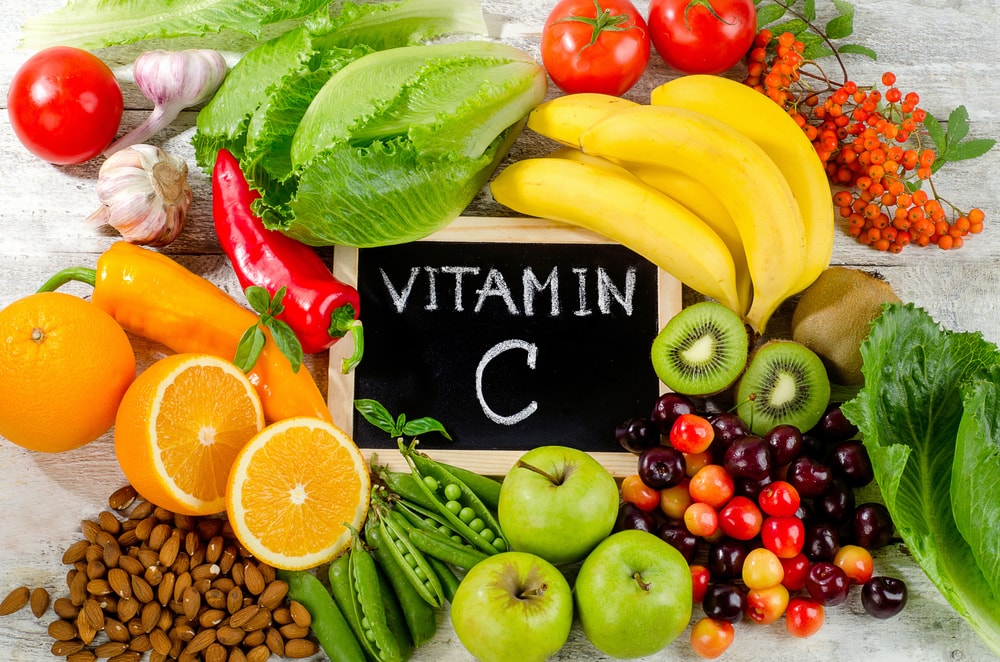
The human body cannot produce vitamin C on its own, so vitamin C intake primarily comes from diet. A common dietary source of vitamin C is eating plenty of fruits and vegetables.
Fruits rich in vitamin C include: oranges, tangerines, kiwis, pears, apples, bananas, peaches, cherries, strawberries, lychees...Vegetables rich in vitamin C include: peppers, bitter melon, tomatoes, cauliflower, leafy greens, cabbage, celery, lettuce, pumpkin...
If oral vitamin C supplementation is necessary, special attention should be paid to the permitted dosage and the following points:
- Vitamin C should not be taken on an empty stomach, nor should it be taken with tea, milk, or other beverages. It is most effective when taken with plain water after meals. Vitamin C is sensitive to high temperatures, so when taking effervescent vitamin C tablets, do not dissolve them in excessively hot water; use warm or cold water instead, otherwise, the medicinal properties will be lost.
- Depending on individual physical condition, the effects will generally be more noticeable after taking the oral medication for at least 3-6 months.
- Finally, although vitamin C has skin-whitening effects, if you want to prevent your skin from darkening, in addition to supplementing with vitamin C, you also need adequate sun protection to inhibit melanin production.