

Investigating the unexplained shrimp deaths in Nghe An.
(Baonghean.vn) - Following Baonghean.vn's report on the mass death of shrimp in Quynh Luu district and Hoang Mai town, authorities have formed an inspection team and collected samples for testing to determine the cause of the disease.
On April 23, a working group from the Regional Veterinary Sub-Department III, in coordination with the Nghe An Department of Livestock and Veterinary Medicine, inspected the situation of shrimp deaths in Quynh Luu district and Hoang Mai town, which had been reported by Nghe An Newspaper.
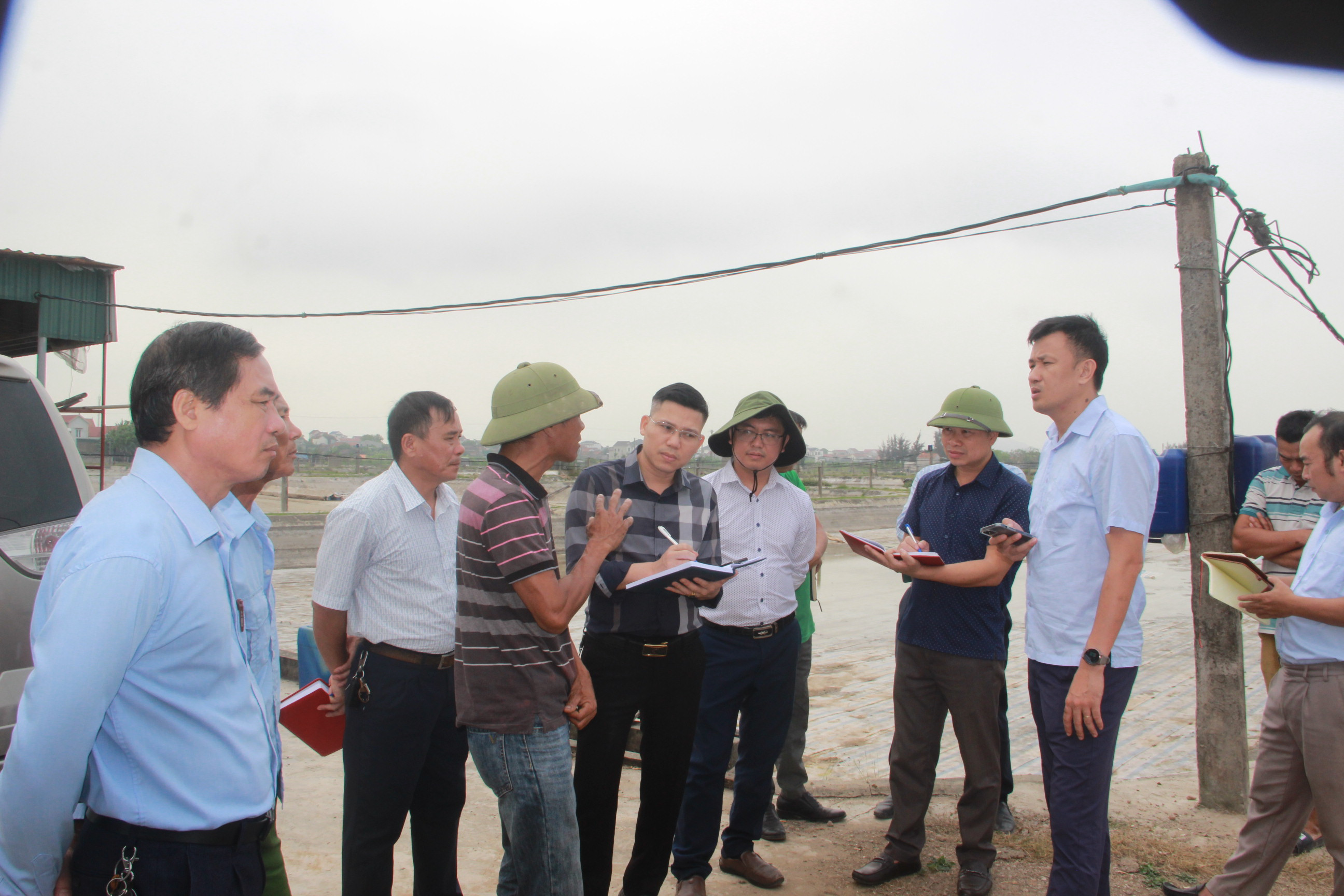
Massive shrimp mortality, with rates ranging from 50-80%.
The working group inspected shrimp farms in Quynh Bang commune - the locality with the highest number of dead shrimp in Quynh Luu district.
Mr. Ho Dinh Anh's family in Dong Tam hamlet, Quynh Bang commune (Quynh Luu district) has 3 hectares of shrimp ponds, and they have already stocked 2 hectares with shrimp fry for the new season. The first batch of fry was stocked on March 13th. After more than two weeks, the shrimp showed signs of not swimming, turning white, and having empty guts. A few days later, they died for unknown reasons. Mr. Anh said that in over 14 years of shrimp farming, he had never encountered this phenomenon, even though the source of the fry had all the necessary quarantine certificates. To date, about 80% of the newly stocked shrimp fry have died.
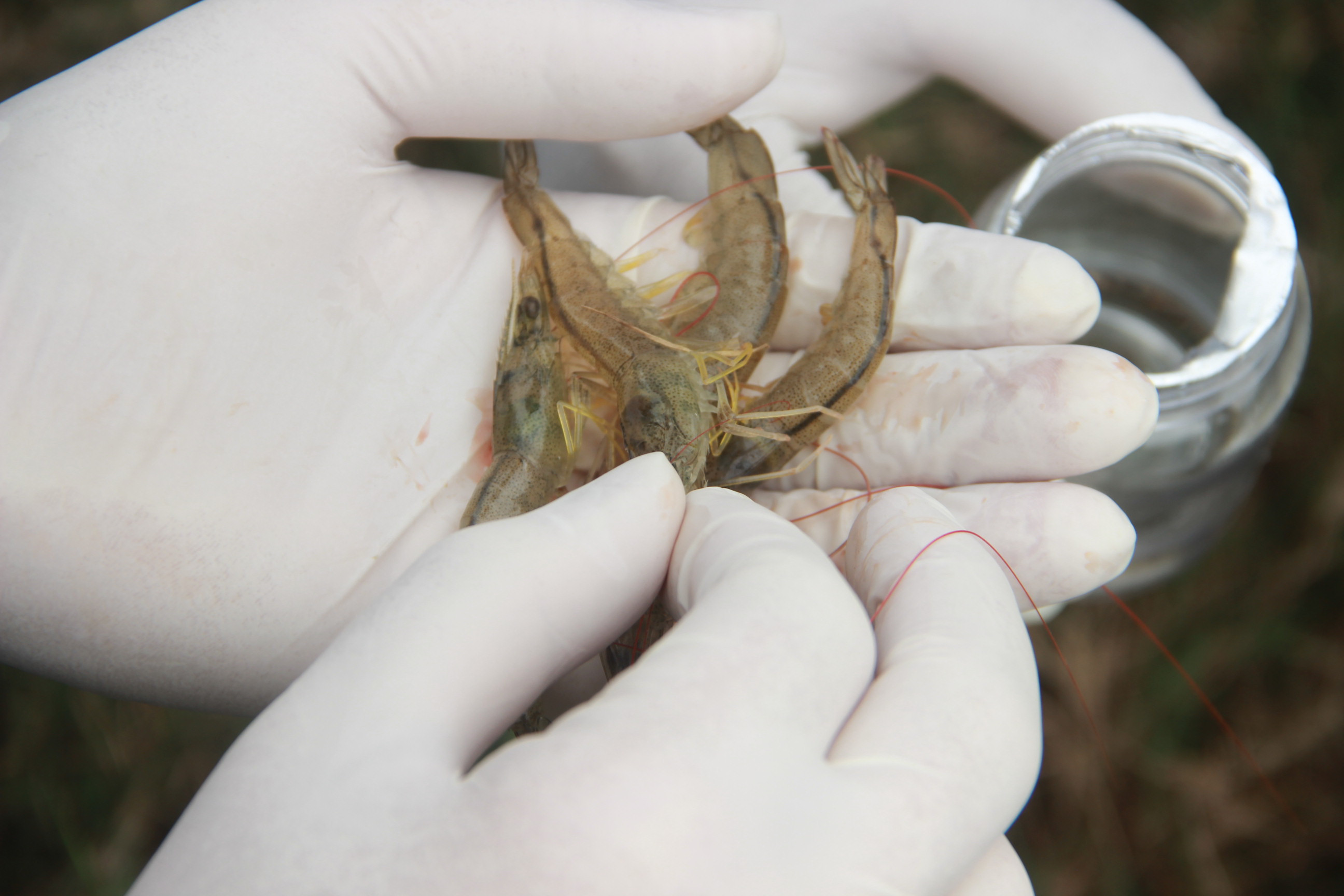
Not far away, the shrimp ponds of Mr. Nguyen Van Tien's family in Quynh Bang commune are in a similar situation. In the two ponds where the family had just stocked shrimp about 20 days ago, the shrimp became lethargic, stopped swimming and jumping, and then gradually died. To date, the number of dead shrimp fry has reached approximately 70%.
According to a report from Quynh Bang commune, currently, the entire commune has 58 households stocking a new batch of shrimp on an area of approximately 50 hectares. However, the shrimp mortality with the same symptoms as described above is occurring in almost all households, with a rate of 50-70%.
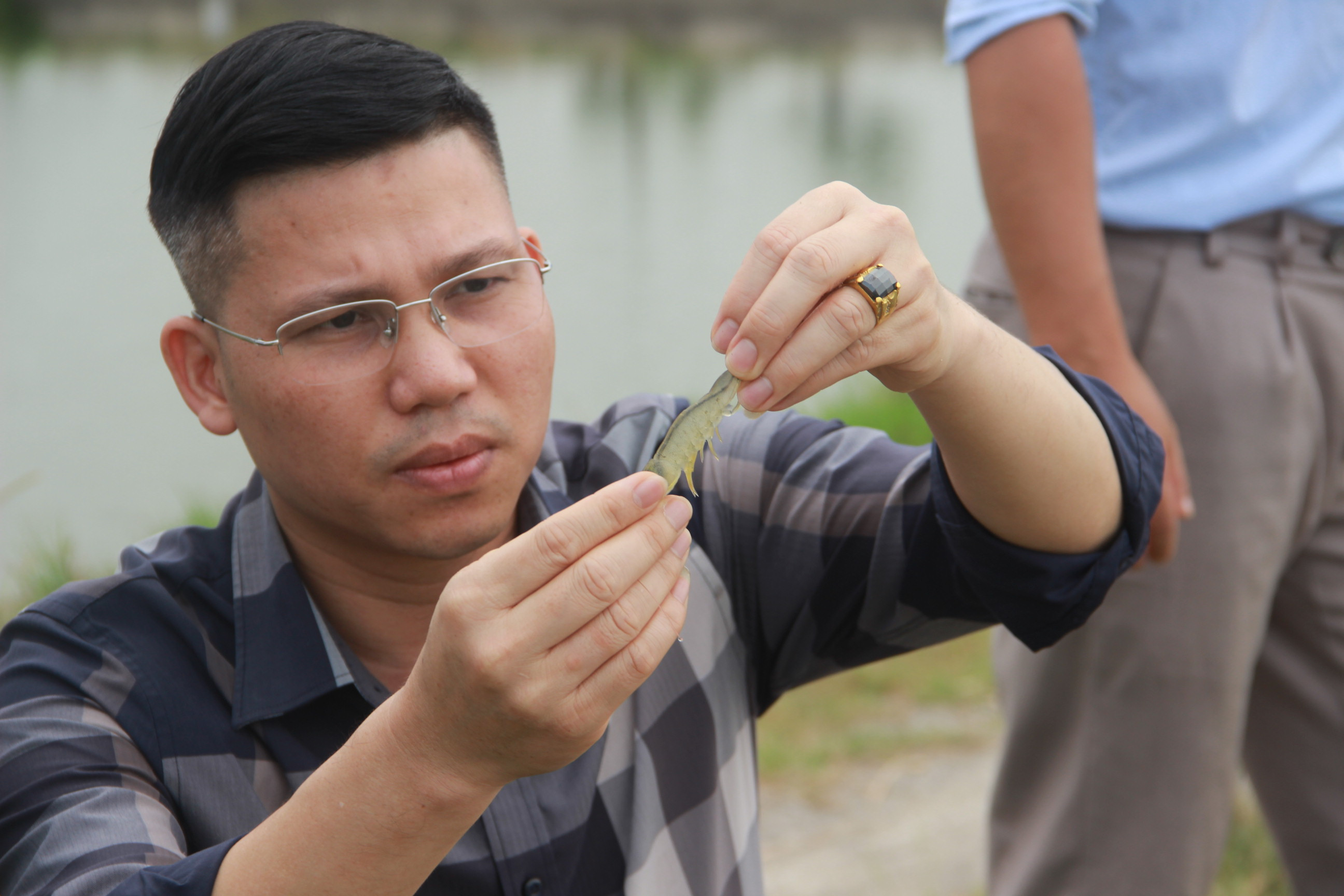
The working group also inspected shrimp ponds in Quynh Thanh commune – one of the localities with a relatively large shrimp farming area in Quynh Luu district. However, in this area, households have only stocked shrimp in 6 hectares out of 75 hectares of the total shrimp farming area in the commune. The pond system is dilapidated and damaged, and coupled with the fact that newly stocked shrimp are already dying, people are not enthusiastic about stocking a new batch of shrimp.
According to a report from Quynh Luu district, the entire district has 465 hectares of shrimp ponds and lagoons, spread across 14 communes, with the largest areas in Quynh Bang and Quynh Thanh communes. To date, more than 20% of the area has been stocked with new shrimp fry. Although the stocking period has not been long, mass shrimp deaths of unknown cause have occurred, exhibiting the symptoms mentioned above.
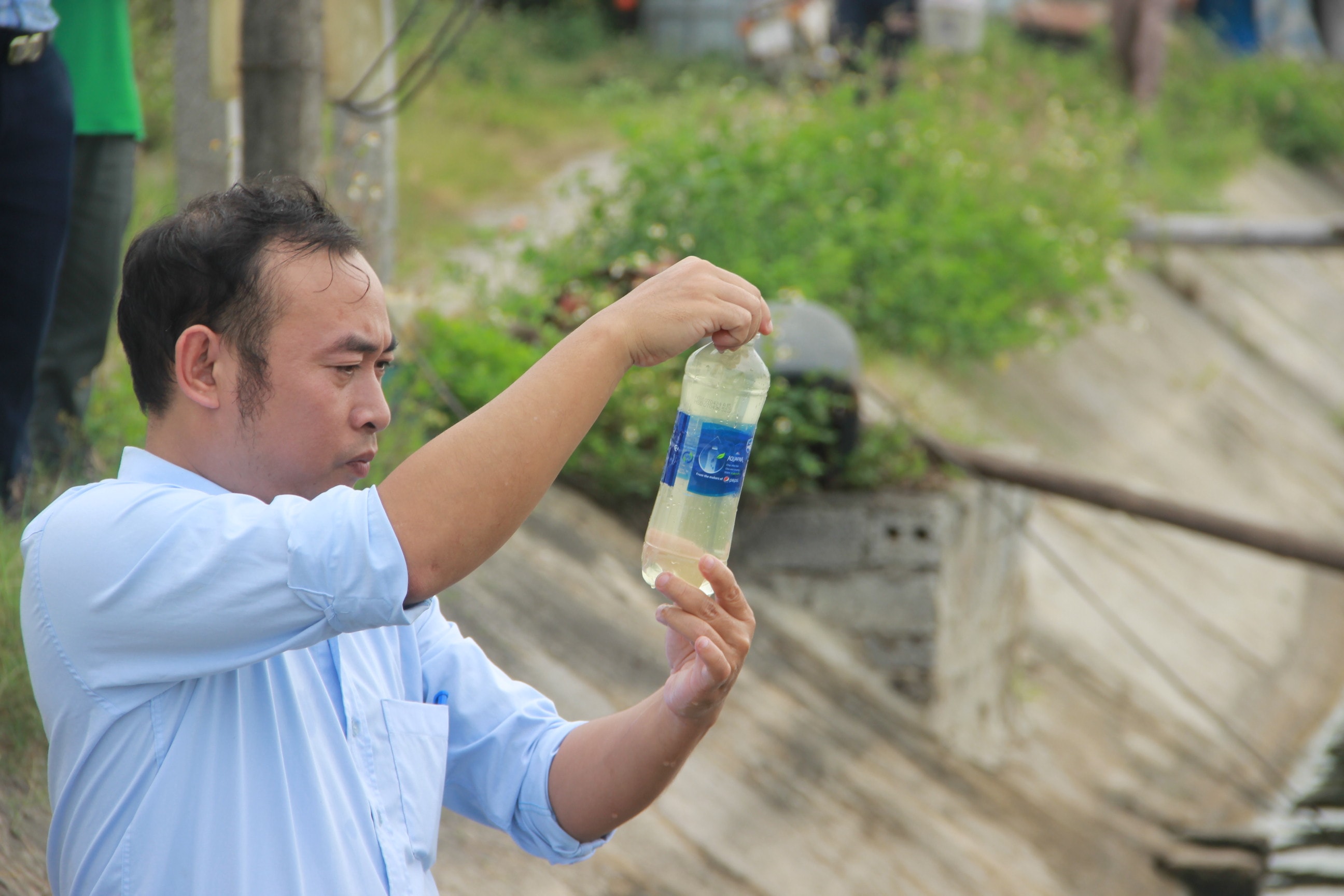
Later that same day, the delegation also inspected shrimp farming in Hoang Mai town. According to the report from Hoang Mai town, the locality has 400 hectares of shrimp farms, including 100 hectares of high-tech shrimp farming, and 200 hectares currently stocked with new shrimp fry.
Upon inspection, shrimp mortality was also observed in Hoang Mai town, however, no characteristics of the diseased shrimp found in Quynh Luu district were recorded. The specialized agency proactively collected four samples of dead shrimp from three wards/communes: Quynh Di, Quynh Xuan, and Quynh Loc for testing, which yielded positive results for white spot disease.
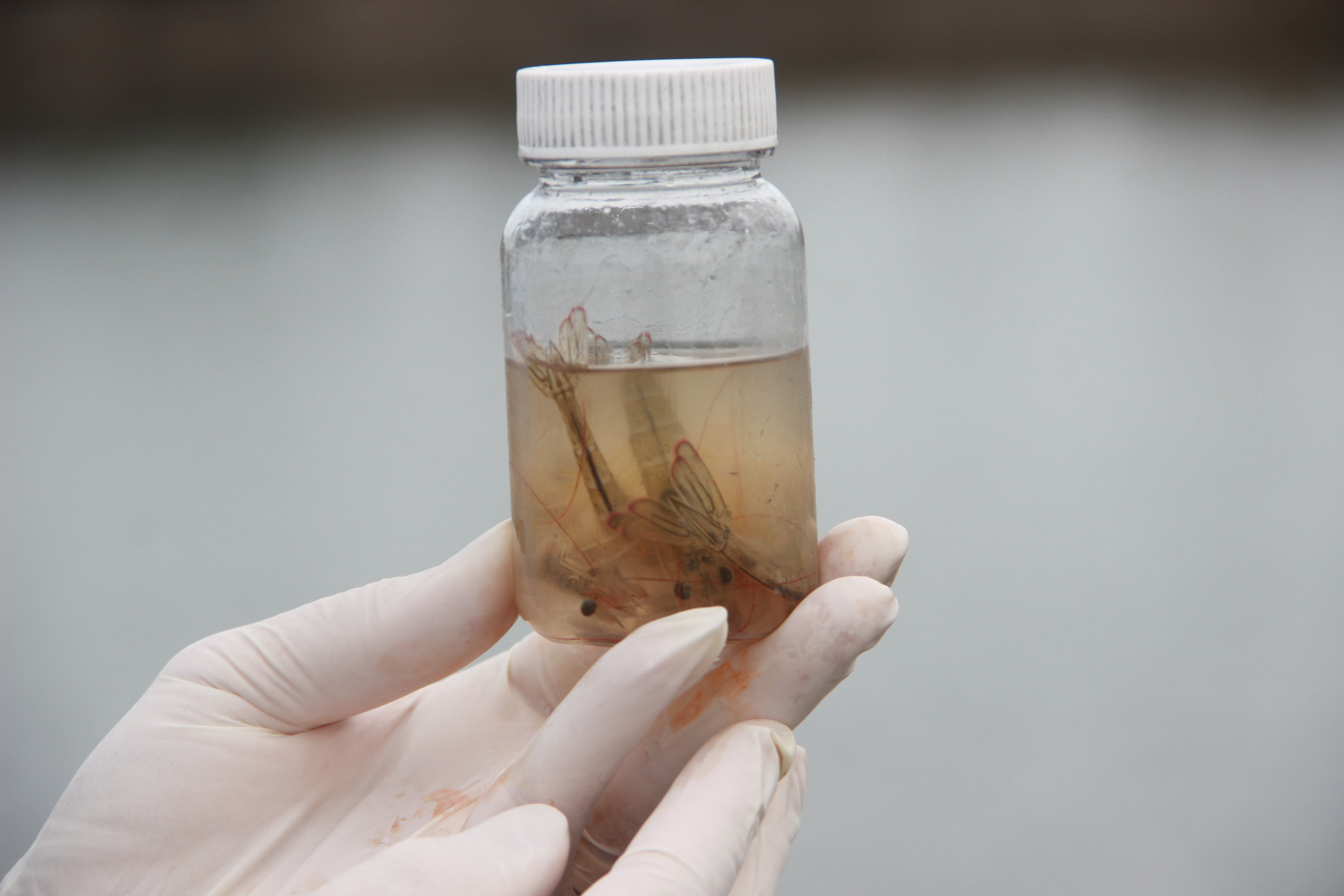
Focus on clarifying the cause of shrimp mortality.
Through on-site inspections and surveys of shrimp farming in Quynh Luu district, the working group pointed out several shortcomings that led to an increase in the number of diseased shrimp. Some households released shrimp for farming outside of the recommended seasonal schedule, and the shrimp were not of the appropriate age, leading to a decrease in their adaptability and resistance. In addition, when disease outbreaks occurred, shrimp farmers and local authorities were slow in reporting to relevant agencies.
For households experiencing shrimp mortality, the task force collected water samples and samples of diseased shrimp for testing and investigation into the cause of the disease as soon as possible.
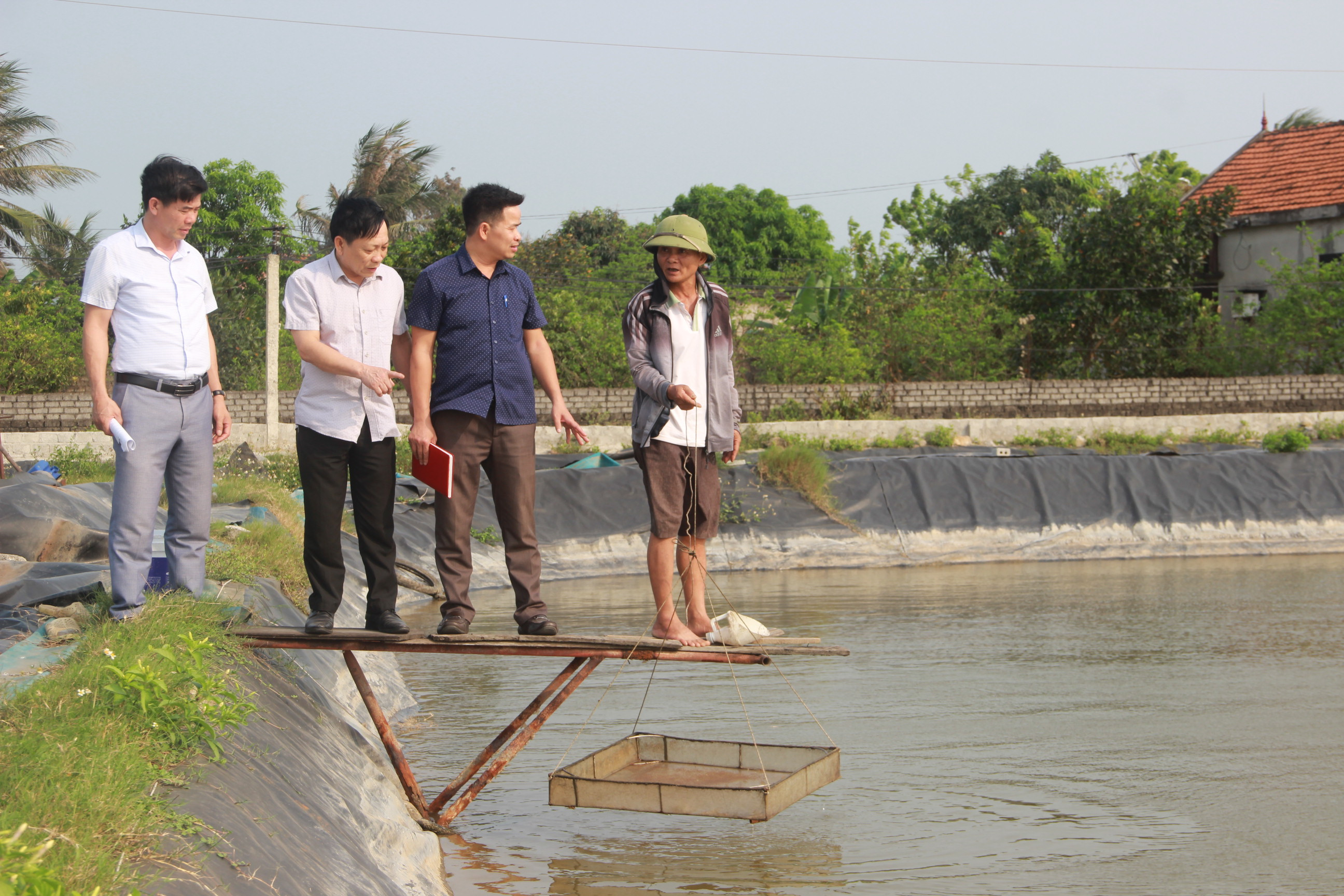
Currently, the Provincial Department of Livestock and Veterinary Medicine has provided 1,890 kg of chemicals to Hoang Mai town to proactively handle the white spot disease outbreak. At the same time, it has recommended that the town strengthen monitoring and conduct sample testing if any remaining shrimp farming areas show abnormal signs.
Regarding the disease causing unusual shrimp mortality in Quynh Luu district, in addition to taking water and disease samples for testing, authorities also advised the locality to strictly implement measures including: checking the source of imported shrimp fry, ensuring origin and quarantine documents; treating shrimp farming water according to proper procedures, regularly checking environmental indicators, and absolutely not discharging wastewater from ponds with pathogens into the environment without treatment to prevent the spread of disease. When shrimp show signs of disease, they must immediately report to the authorities.

In addition, with the expected prolonged heatwave in the coming period, shrimp farmers need to implement appropriate farming practices, provide thorough shelter, increase the use of water aerators to cool the shrimp, and boost their resistance to disease.