

A turning point in building model new rural areas in Nghe An.
(Baonghean.vn) - To date, Nghe An has 10 model new rural communes; to implement this, localities have decisively and synchronously deployed solutions with proactive, creative approaches that have had a profound and widespread impact...
PROACTIVE, CREATIVE
From the beginning of 2015, before any guidance documents were issued by the central government,Nghe AnThe province has issued its own set of criteria for model new rural areas and selected three communes (Son Thanh, Yen Thanh district; Quynh Doi, Quynh Luu district; Kim Lien, Nam Dan district) for pilot implementation. In addition, the Standing Committee of the Provincial Party Committee and the People's Committee of Nghe An province launched and implemented the "Beautiful New Rural Commune 2018" and "Beautiful New Rural Village 2018" model competitions, the first of their kind held in Nghe An and nationwide.
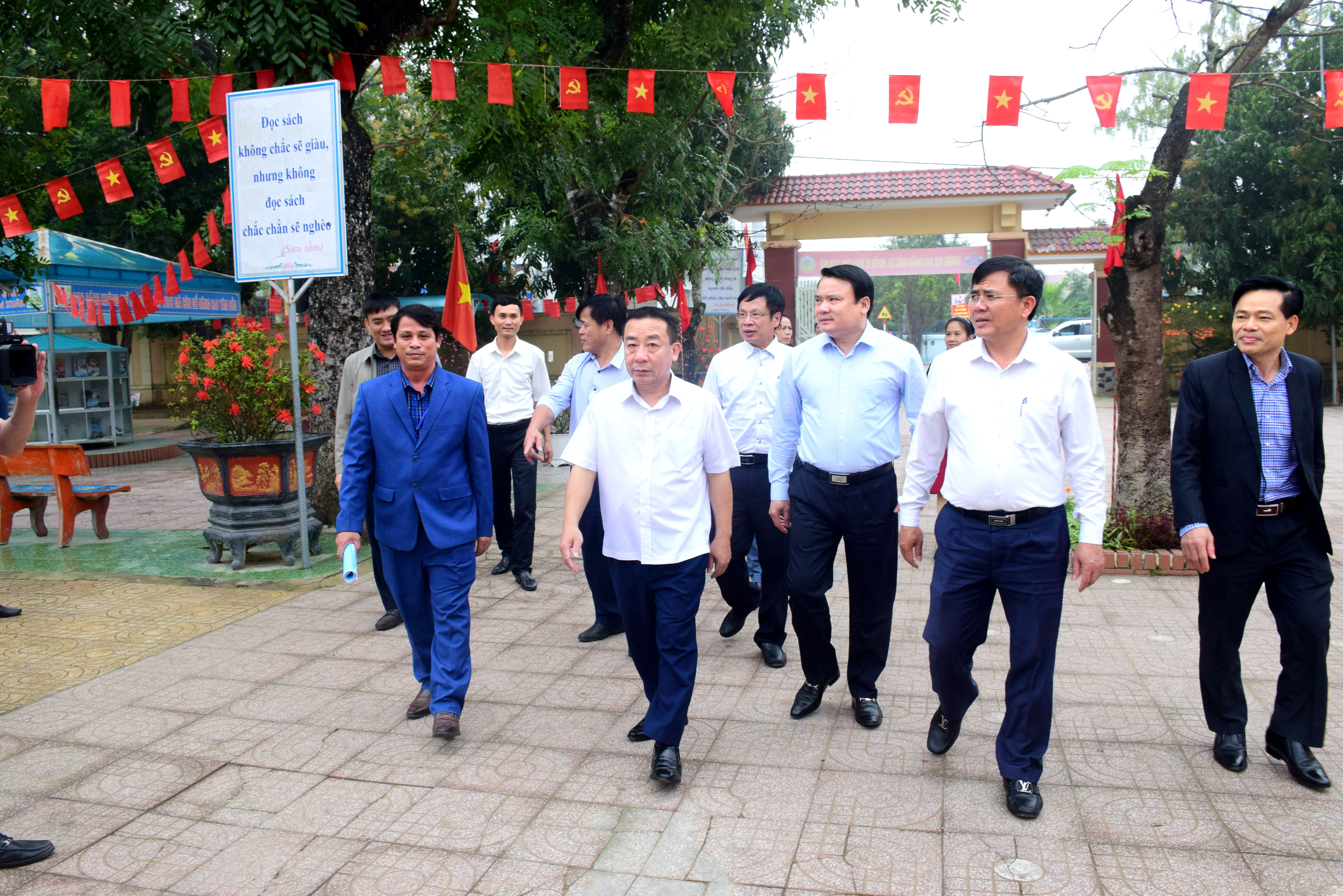
In 2019, Nghe An province had the honor of having Nam Dan district selected by the central government as one of four pilot districts for the construction of the model.model new rural areasNationwide, the district is focusing on developing culture in conjunction with tourism. Over the past four years, Nam Dan district has mobilized 2,636.3 billion VND to continue investing in improving the criteria. With determination and the involvement of the entire political and social system, Nam Dan district will strive to achieve the advanced new rural district standard in 2024 and the model new rural district standard in 2025...
Son Thanh (Yen Thanh district) is one of three communes selected by the province to be the first model new rural commune in Nghe An province since 2015. Mr. Nguyen Khac Dao, Secretary of the Son Thanh Commune Party Committee, said that in order to achieve the goal of becoming a model new rural commune by the end of 2023, Son Thanh commune had previously developed a specific roadmap, clearly defining each step, "doing the easy things first, then the difficult things later."
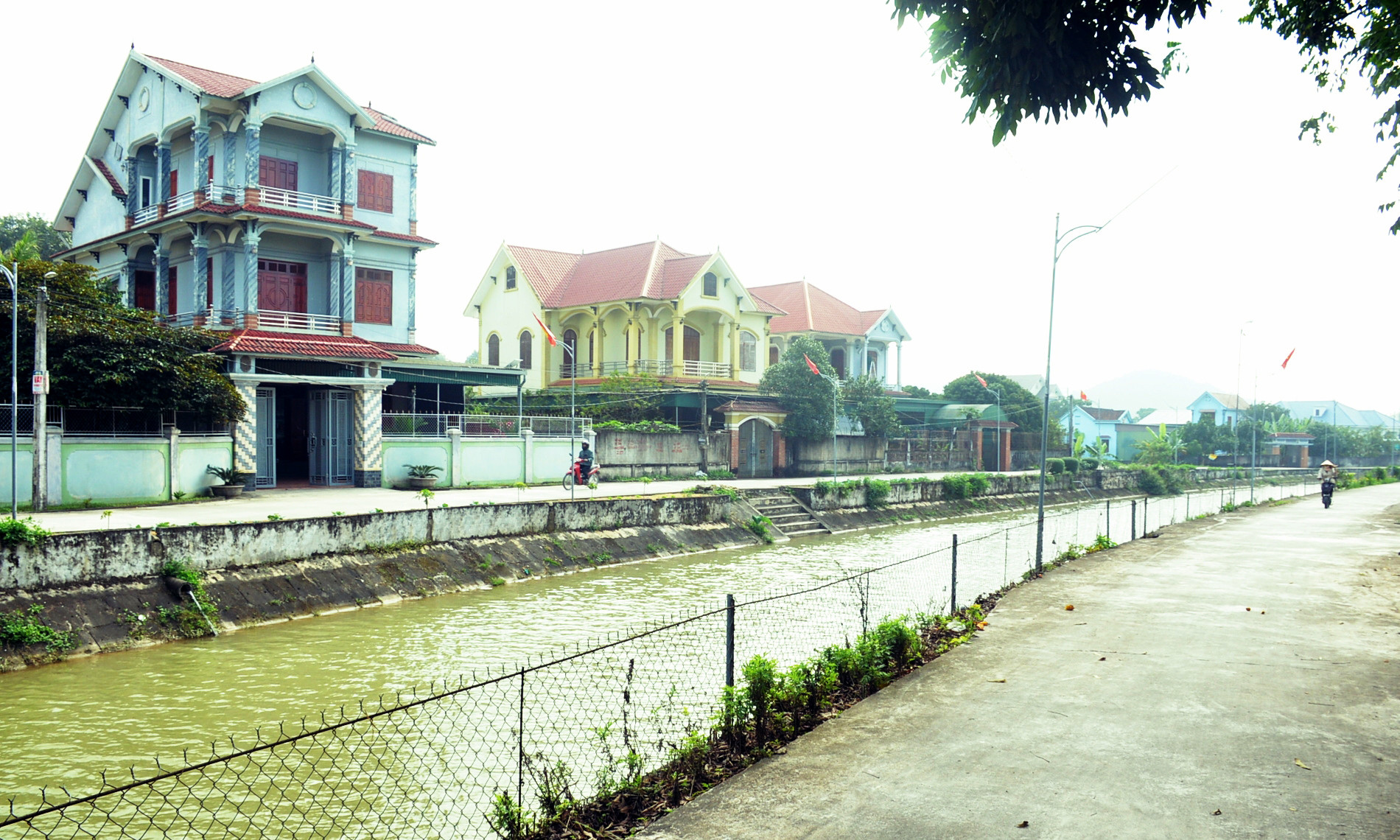
Simultaneously, Son Thanh commune implemented eight comprehensive solutions: a new mindset of "people changing, land changing"; shifting the economic structure from agriculture to industry; comprehensively improving and enhancing the quality of infrastructure construction, especially focusing on "inland areas"; inviting investors and scientists to participate; reorganizing and planning residential areas; relocating people to hills; comprehensively socializing and improving the quality of education; and ensuring political security and social order.
From a poor commune in Yen Thanh district in the 1990s, Son Thanh commune has now undergone remarkable changes in all aspects, clearly showcasing the new rural landscape; the average income of people in Son Thanh commune in 2023 reached 84 million VND/person.
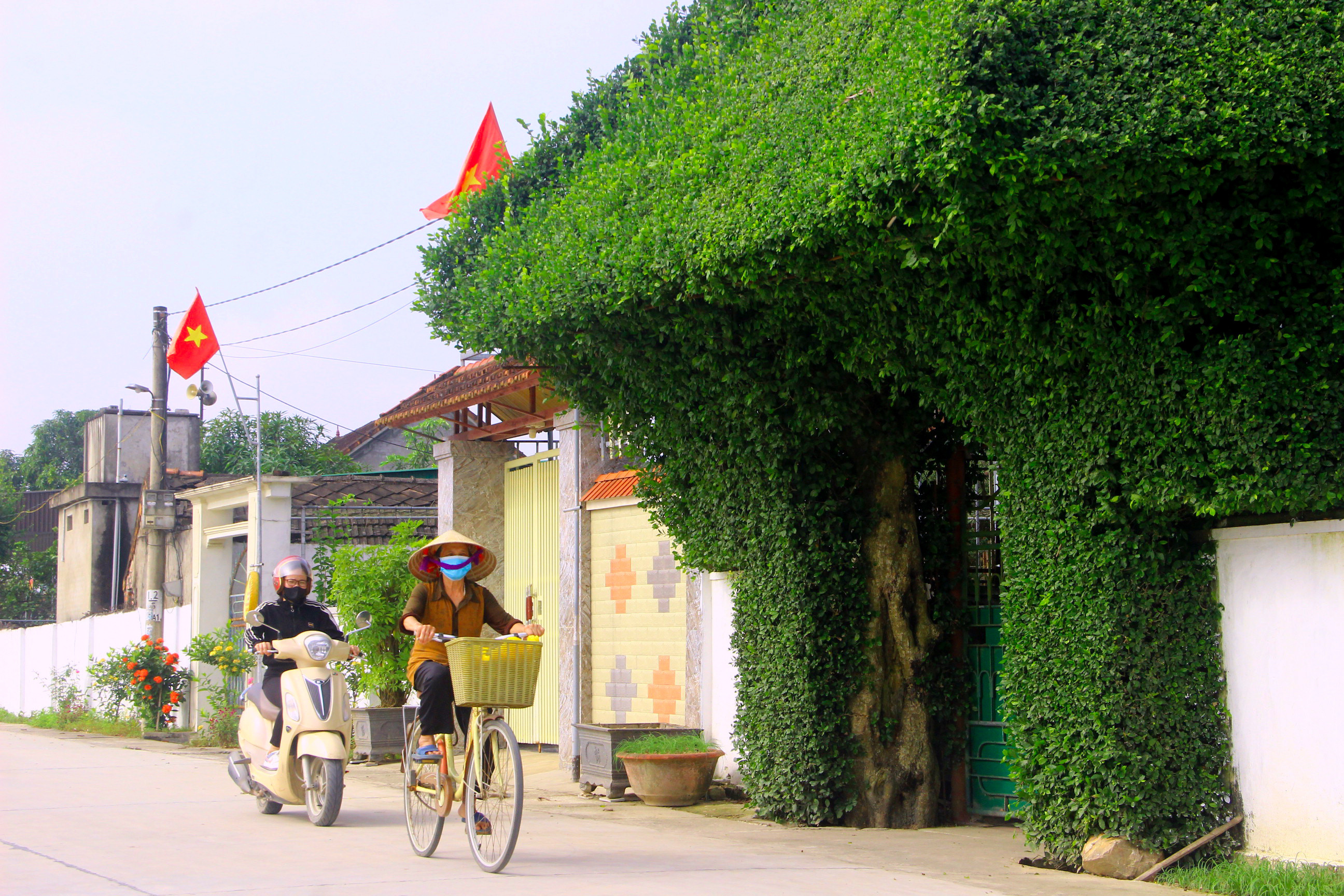
Hung Tan commune is the first locality in Hung Nguyen district to achieve the model new rural standard. Mr. Nguyen Van Tam, Chairman of the People's Committee of Hung Tan commune, excitedly said: "After achieving the new rural standard in 2014, the government and people have continuously strived to improve and enhance the criteria. By 2021, the commune had achieved the advanced new rural standard, and even more wonderfully, by the end of 2023, it had achieved the model new rural standard. This is the result of the efforts, hard work, and unity of the Party Committee, government, and people in the area, in which the collective efforts and solidarity of the people played a key role."
In the coming period, Hung Tan commune will continue to promote and integrate the improvement of the quality of model new rural areas with the implementation of democratic regulations and the "All people unite to build a cultured life in residential areas" movement, and the emulation movement to build model families and model residential groups. In addition, the locality will promote agricultural restructuring from extensive to intensive farming to improve the quality and value of products. At the same time, it will reorganize production, transform the structure of crops and livestock; focus on developing high-tech agriculture, and build key agricultural products…
USE EFFICIENCY AS THE ASSESSMENT CRITERIA
Mr. Nguyen Van Hang, Deputy Head of the Office for Coordinating the National Target Program on Building New Rural Areas in Nghe An province, said: After nearly 14 years of implementing the National Target Program on Building New Rural Areas, Nghe An province now has 317 out of 411 communes meeting the new rural area standards (reaching 77.61%). Of these, 67 communes have achieved advanced new rural area standards, and 10 communes have achieved model new rural area standards (currently under assessment for 2 model new rural area communes).
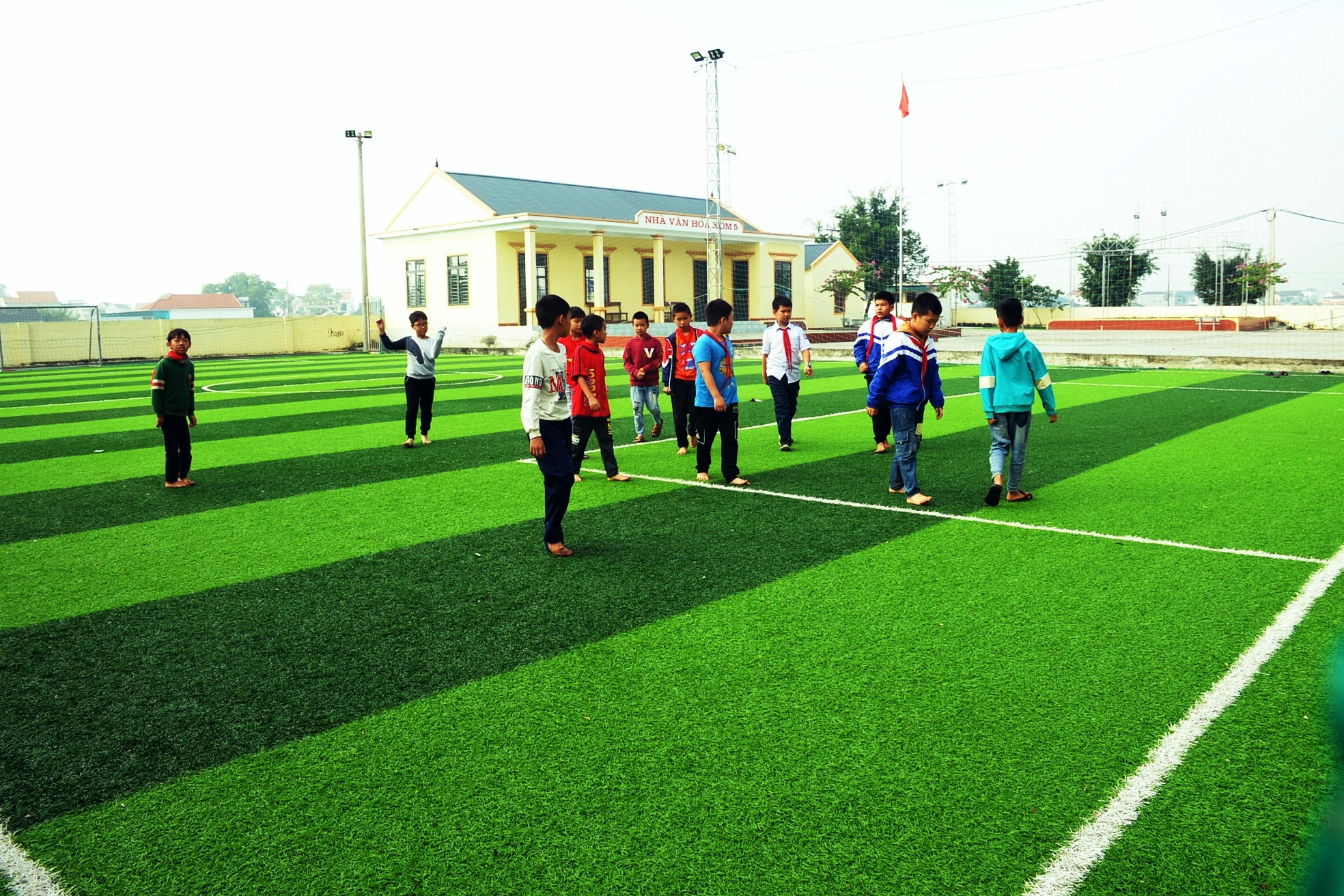
By the end of 2025, the province aims to have 340 communes meeting the new rural standards, 135 communes meeting the advanced new rural standards, 34 communes meeting the model new rural standards, 11 district-level units completing/meeting the new rural standards, and 1 district meeting the model new rural standards.
To achieve that goal, localities continue to promote and improve the quality of propaganda work and organize emulation movements for building new rural areas from the provincial to the grassroots level to raise awareness among all strata of the people; regularly update and report on advanced models, exemplary cases, initiatives and good experiences in building new rural areas on mass media to disseminate and replicate these models. Continue to implement the widespread social campaign on building new rural areas, advanced new rural areas, model new rural areas, new rural villages/hamlets, and the emulation movement "Nghe An joins hands to build new rural areas".
Localities should develop specific plans and projects to implement the "Advanced New Rural Area Standard, Model New Rural Area" program accurately and appropriately according to local conditions. Building a model new rural area is a long process; therefore, during implementation, one should not be complacent or hasty, but should learn from experience as they go, apply regulations effectively, and prioritize effectiveness as the key objective for evaluating criteria.
Communes that have achieved the model new rural standard will serve as role models for other communes in the province to learn from and emulate. In practice, local areas have shown that during the process of building model new rural areas, communes must clearly identify one of their outstanding areas; a specific, practical model linked to the potential and advantages of their commune to serve as a model. This is also the foundation for mobilizing resources and securing support from all levels in completing the model new rural criteria.