
Dietary recommendations for patients with gallstones.
Diet plays a crucial role for people with gallstones (gallbladder stones) because it directly affects the formation and development of gallstones.
1The importance of diet for patients with gallstones.
Gallstones are crystal-like deposits that develop in the gallbladder. The gallbladder is a small, pear-shaped organ that stores bile, a digestive fluid produced by the liver. Its primary function is to store bile, which helps the body break down fats.
Most cases of gallstones are asymptomatic. However, the longer the stones remain in the gallbladder, the greater the likelihood of them becoming a problem. This is when the gallstones move and become lodged in a bile duct, causing abdominal pain, possibly accompanied by nausea, indigestion, or fever.
Gallstones can also obstruct the common bile duct, which carries bile into the small intestine, and the hepatic ducts, which carry bile out of the liver. Obstructions in the bile ducts cause inflammation and infection. Obstruction of the common bile duct, which merges with the pancreatic duct in the small intestine, can easily lead to pancreatitis.
Because the primary function of the gallbladder is to store bile, which helps the body break down fatty foods, when we eat, the gallbladder releases its stored bile into the cystic duct. From there, the fluid travels through the common bile duct and into the small intestine to mix with food.
Studies show that cholesterol and bile acids are among the main components of bile. Normally, bile acid levels are high enough to break down cholesterol in the mixture and keep it in liquid form. However, a high-fat diet can easily disrupt this balance, causing the liver to produce more cholesterol than the amount of bile acids can handle.
This results in some of the excess cholesterol beginning to solidify into crystals, also known as gallstones. About 80% of gallstones are called cholesterol stones and are formed this way. The remaining 20% consist of calcium mixed with the bile pigment bilirubin, known as pigment stones. Sickle cell anemia and other blood disorders where red blood cells are destroyed can often lead to pigment gallstones.
Because diet has a significant impact on gallbladder health, patients with gallstones, in addition to following their doctor's treatment instructions, need to adopt a scientific diet: eating a balanced diet, increasing fiber-rich foods, consuming moderate amounts of fat, and keeping cholesterol low to reduce the risk of gallstone formation and development, thereby contributing to improved treatment effectiveness and symptom relief.
2. Essential nutrients for patients with gallstones
Fiber
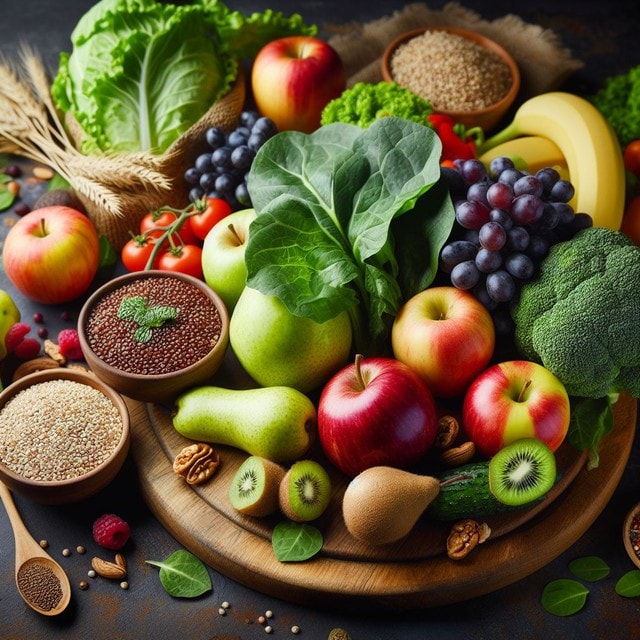
Fiber helps improve bowel movements, aids digestion, and removes cholesterol from the body, thereby reducing the risk of gallstone formation. Patients should eat plenty of green vegetables, fruits, and whole grains.
Healthy fats
Healthy fats like omega-3s, found in fatty fish such as salmon and mackerel, and olive oil, help lower bad cholesterol, increase good cholesterol, and reduce the risk of gallstones. Patients should eat fatty fish at least twice a week, use olive oil for cooking, and consume nuts such as almonds and walnuts.
Lean protein
Protein provides energy to the body and supports the recovery process after gallstone treatment. Patients should eat foods rich in lean protein such as: lean meat, chicken breast, lean fish; eggs; tofu, etc.
Foods rich in vitamin C
Vitamin C helps boost the immune system, supports digestion, and prevents complications of gallstones. Patients should eat plenty of oranges, tangerines, grapefruits, bell peppers, and broccoli.
Calcium-rich foods
Calcium helps bind cholesterol in the intestines, preventing excess cholesterol in the liver and reducing the risk of gallstone formation. Foods rich in calcium include various types of small fish and shellfish (ideally eaten with bones); milk, and dairy products such as yogurt and cheese.
Water
Water helps dissolve cholesterol and other substances in bile, preventing them from crystallizing into gallstones. You should drink at least 2 liters of water every day. It's also important to limit sugary drinks, alcohol, and beer.
3. Certain foods should be limited for people with gallstones.
Limit foods high in cholesterol:Excess cholesterol in the liver can combine with other substances in bile and form gallstones. Foods that increase bad cholesterol levels, such as saturated and trans fats, should be limited.
Saturated fats are animal fats primarily found in meats and dairy products. Trans fats are found in many foods, especially fast food, processed foods, and foods that are deep-fried in oil.
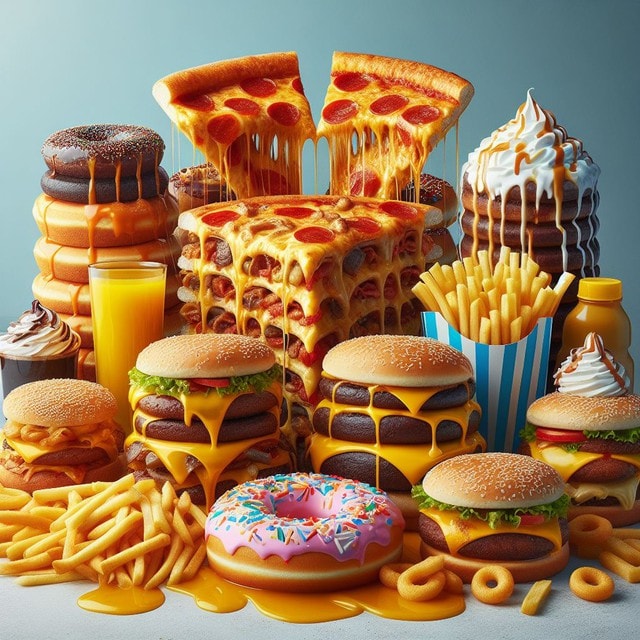
Processed foods (sausages, cured meats, cold cuts, fast food like hamburgers, pizza, fried chicken, french fries, etc.) contain high amounts of saturated and trans fats.
Carbohydraterefined:Studies show that many gallbladder symptoms stem from diets high in refined carbohydrates and saturated fats. When a patient experiences pain due to gallstones, it's because the gallbladder is trying to contract as some stones are blocking the flow of bile. Eating fatty, highly processed foods will cause the gallbladder to contract even more.
Therefore, in addition to limiting high-fat foods such as fatty meats, processed meats, and full-fat dairy products, patients should also be mindful of limiting their consumption of refined carbohydrate-rich foods that are often heavily processed, such as donuts, cakes, and cookies.
Limit foods that cause irritation:Certain foods, such as spicy foods, carbonated drinks, alcohol, and beer, can irritate the gallbladder and worsen the symptoms of gallstones.
Thu Phuong