
Why does eating pineapple help with digestion?
Pineapples are not only rich in vitamins and minerals, but they also contain a special enzyme. What is the function of this enzyme? Why should you eat pineapple when you have bloating or indigestion?
1. Health benefits of eating pineapple
Pineapple is a sweet and fragrant summer fruit with high nutritional value, especially vitamins and minerals such as: vitamins A, B6, C, K, manganese, thiamine, choline, calcium, phosphorus, zinc…
In terms of nutritional content, one cup of pineapple (approximately 165g) contains about:
82.5 calories, 21.6g carbohydrates, 0.9g protein, 2.3g fiber, 0.2g fat, 78.9mg vitamin C, 0.2mg vitamin B6, 29.7 micrograms folate, 19.8mg magnesium, 180mg potassium, 0.1mg thiamine, 0.2mg copper, and 1.5mg manganese.
The high vitamin C content in pineapple plays a role in maintaining the health of connective tissues and boosting the body's immunity. Pineapple juice is also an excellent source of beta-carotene and vitamin A. These antioxidants promote healthy skin, aid in wound healing, and help prevent premature skin aging.
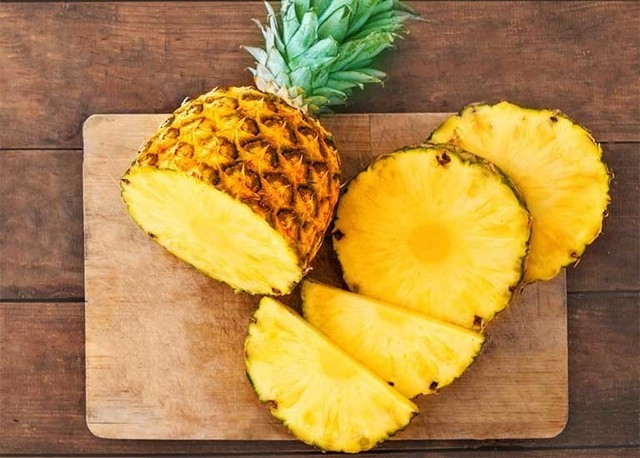
2. How does pineapple aid digestion?
Pineapples are not only rich in vitamins and minerals, but they also contain a special enzyme beneficial for digestive health: bromelain. Bromelain is an enzyme that has been used for centuries to treat a variety of ailments. Historically, indigenous peoples in Central and South America used pineapples to treat conditions such as digestive disorders. Modern research has also studied the effects of bromelain in pineapples on human health.
According to the U.S. National Institutes of Health, bromelain is an enzyme known as a proteolytic enzyme. It is found in pineapple juice and in the pineapple stem.
Bromelain causes the body to produce substances that fight pain and swelling. Bromelain also contains chemicals that appear to interfere with tumor cells and slow blood clotting. It is used to treat muscle aches, burns, kidney stones, and several other health conditions.
Because the enzyme bromelain in pineapple helps break down proteins in the gut, it can help relieve constipation, bloating, and indigestion. Bromelain also has antibacterial properties that help protect the gut from diarrhea-causing bacteria such as E. coli and reduce intestinal inflammation.
Furthermore, bromelain has the effect of breaking down the tough proteins in meat. That is why it is often used as a meat tenderizer in commercial products.
When cooking, many people often combine pineapple with meat, or marinate meat with pineapple before cooking, which makes the meat tender, tastier, and easier to digest. Having pineapple as a dessert after a meal also promotes a pleasant digestive experience.

3. How to eat pineapple safely and for good digestion.
You should eat ripe pineapple, choosing fresh, intact fruits, peeling off the skin and removing the eyes. Avoid eating too much pineapple or drinking too much pineapple juice to prevent excessive sugar intake. One glass of pineapple juice per day is sufficient, and it should be unsweetened.
It's important to note that, in addition to allergic reactions, bromelain can cause gastrointestinal side effects in some people, such as diarrhea and abdominal pain. These side effects are due to food intolerance, not food allergy.
Several side effects of bromelain have been reported in studies. The most commonly reported side effects are stomach upset and diarrhea. Allergic reactions may occur in people who are sensitive or allergic to pineapple or those with other allergies. Additionally, bromelain may interact with certain medications, such as the antibiotic amoxicillin.
Pineapple should not be eaten on an empty stomach because its organic acids and bromelain can strongly affect the stomach and intestines, causing nausea and discomfort.
For people with stomach problems, consuming large amounts of pineapple can cause nausea, diarrhea, or heartburn. The acidity of pineapple can also worsen heartburn symptoms in people with gastroesophageal reflux disease (GERD).
Thu Phuong