

Shrimp farmers in Nghe An are cautiously releasing a new batch of shrimp.
(Baonghean.vn) - More than a month after the mass shrimp deaths occurred, shrimp farmers in Quynh Luu district are now preparing to release a new batch of shrimp. This time, the farming process is being tightened to minimize potential risks.
The shrimp harvest was a salvage operation.
In mid-May 2024, the family of Mr. Ho Dinh Anh in Quynh Bang commune, Quynh Luu district, was busy checking machinery and renovating ponds and lagoons to prepare for a new batch of shrimp. His family was one of the households in Quynh Luu district that experienced a mass shrimp mortality event a month prior.
Mr. Anh shared: "The authorities have come to investigate and take samples for testing. However, all the samples tested negative for common shrimp diseases. Therefore, the cause of the shrimp deaths could be due to water source, environment, breed, etc. These are issues that shrimp farmers like us cannot check. My family has also stopped raising shrimp for more than a month now. However, we have to start again because it's our main livelihood; if we don't do it, we won't have any income..."
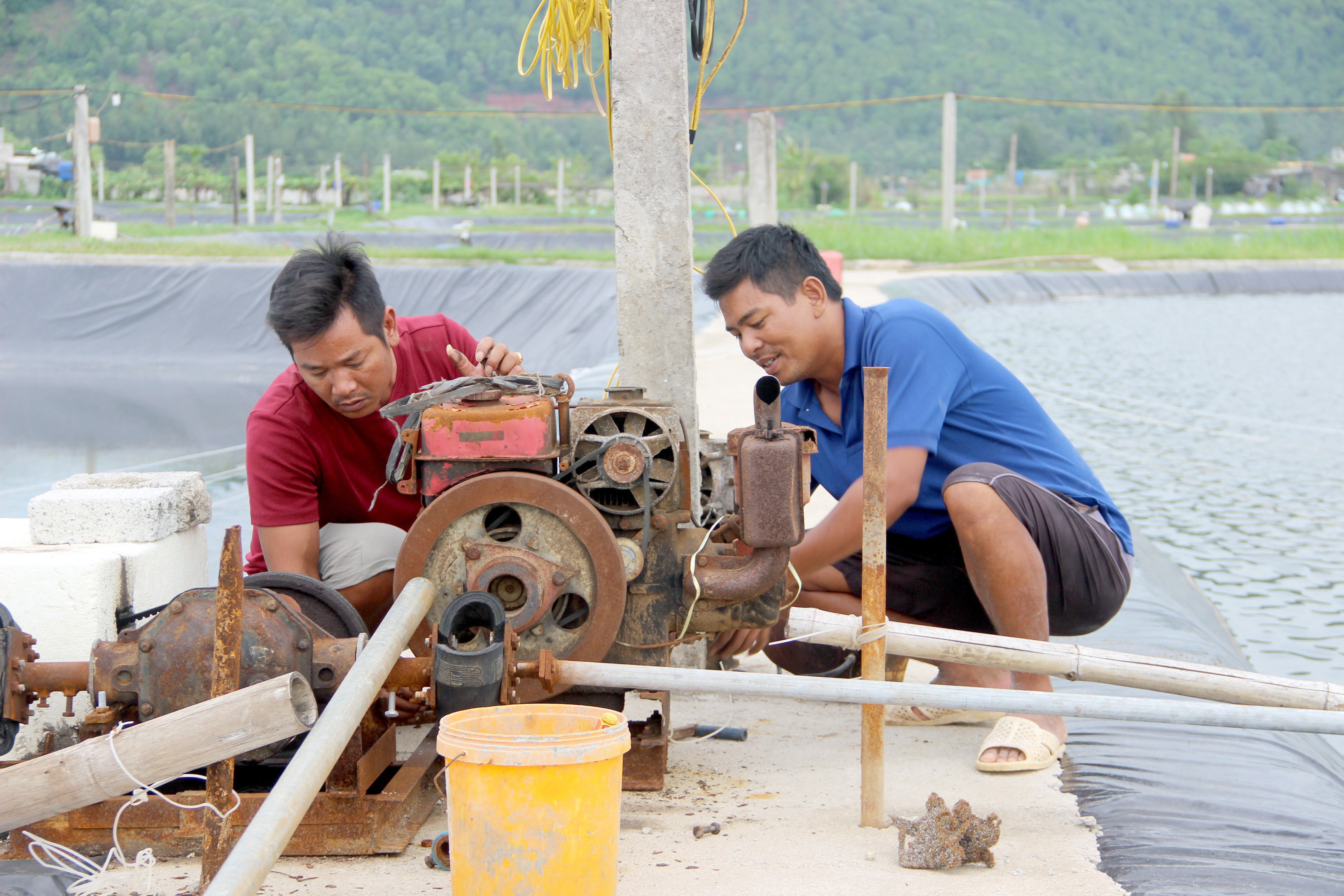
Reportedly, in the recent shrimp farming season, Mr. Anh's family invested approximately 400 million VND, including 200 million VND for shrimp fry and 200 million VND for other expenses such as replacing the pond liner, adding lime, treating the environment, and purchasing medicine. However, due to the complete death of all the shrimp shortly after stocking, they suffered a total loss. This time, Mr. Anh decided to change the area and scale of his shrimp farming operation, adopting a more cautious and sustainable approach.
“Last season, I invested in stocking shrimp in 3 hectares across 9 ponds. But because of the shrimp mortality, people are hesitant to invest heavily again. This time, I'm stocking only one 3,000m2 pond with 500,000 shrimp fry, imported from Ninh Thuan province with clear origins. The cost is much cheaper than the first season, and I'm monitoring the pond to see if there are any more shrimp deaths. If there are still risks, the losses won't be significant. If it's successful, I'll be able to recoup some of my losses…,” Mr. Anh confided.
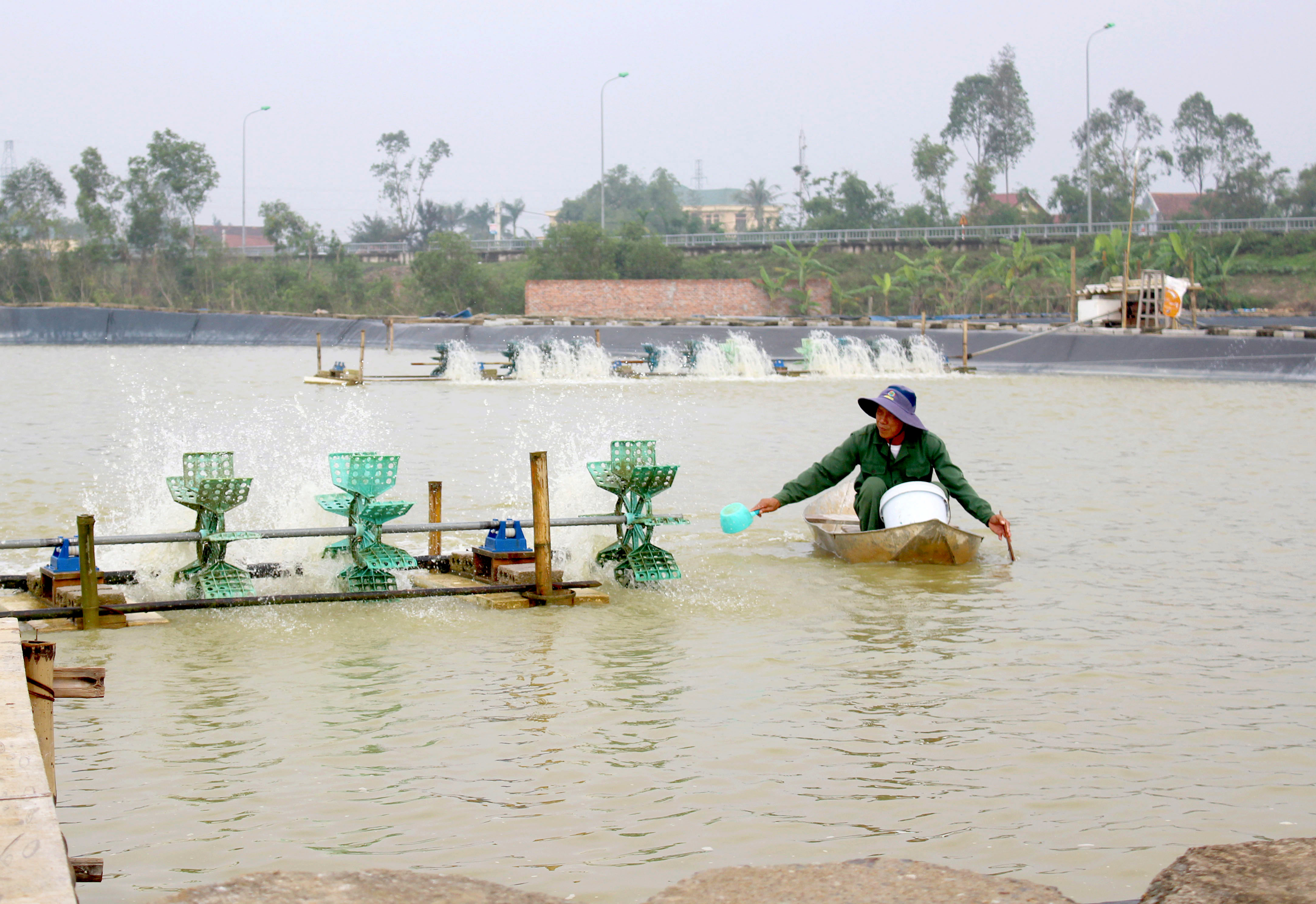
Not only Anh's family, but also people in Quynh Bang commune are currently preparing to release a new batch of shrimp. Mr. Vu Van Duong, Chairman of the People's Committee of the commune, said: Quynh Bang is a key area for shrimp farming in Quynh Luu district with a total area of nearly 170 hectares. Currently, some households are renovating ponds and checking machinery to prepare for releasing a new batch, covering about 60% of the area, hoping to salvage some of the losses.
"According to the survey, this area is concentrated in households that still have the resources to raise another crop. The remaining area is still left vacant," Mr. Duong added.
Implement technical measures effectively.
Mr. Bui Xuan Truc, Deputy Head of the Agriculture and Rural Development Department of Quynh Luu district, said: For areas where shrimp have died, the district has advised farmers to temporarily stop farming for a while to stabilize the farming environment and water sources, or switch to farming other species instead of shrimp.
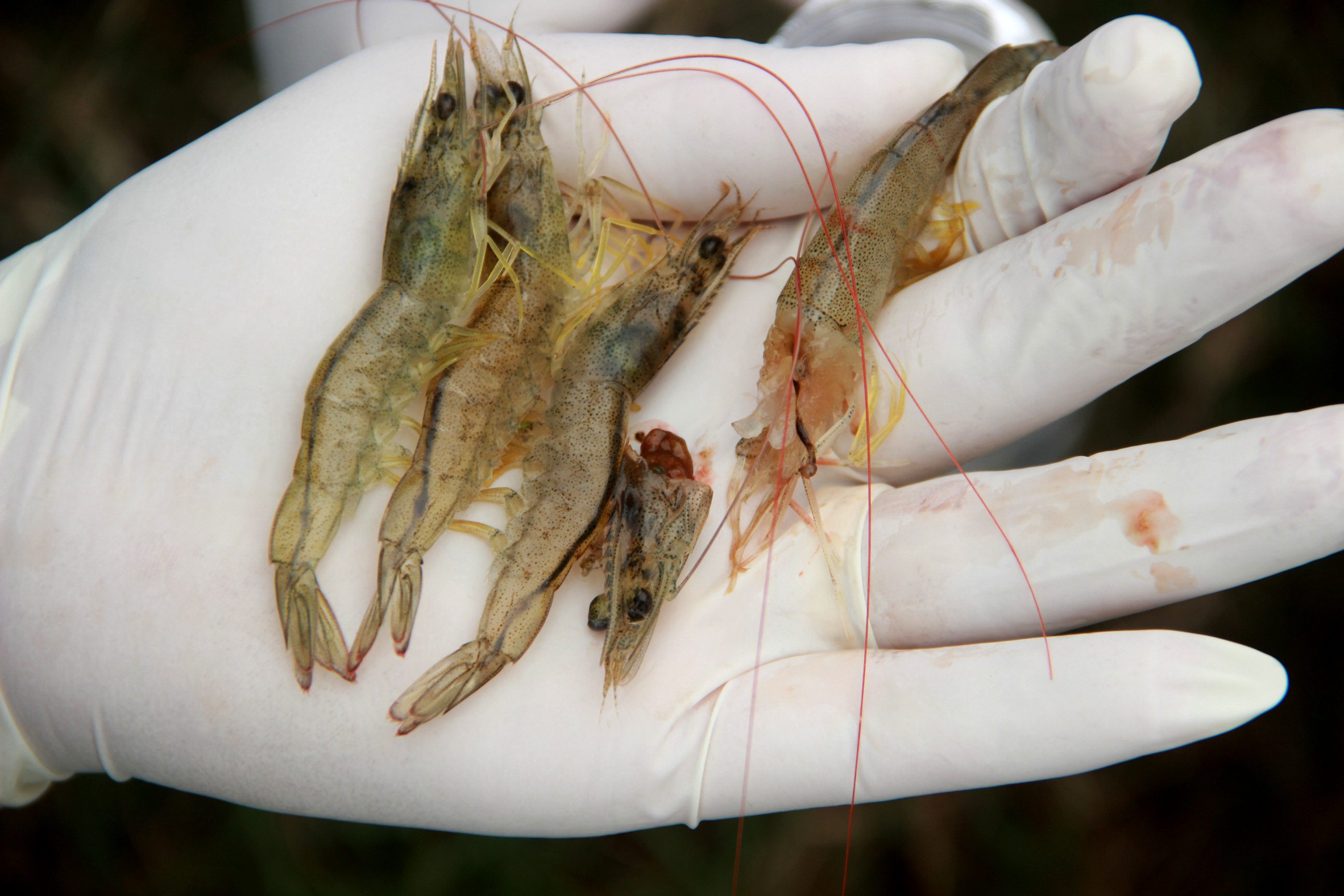
"Because traditional shrimp farming has existed for decades and is the main source of income for households, the government cannot prevent people from continuing to invest in new farming cycles. Regarding the conversion to other livestock, in reality, some shrimp farmers have experimented with raising fish and crabs in recent years. Although the yield and quality are still good, the market is not as secure as with shrimp farming. Therefore, they have not been able to maintain it. Households must strictly follow the shrimp farming process to ensure technical requirements are met so that the risks do not repeat. The district has also issued documents and specific guidelines for families to follow…," Mr. Truc emphasized.
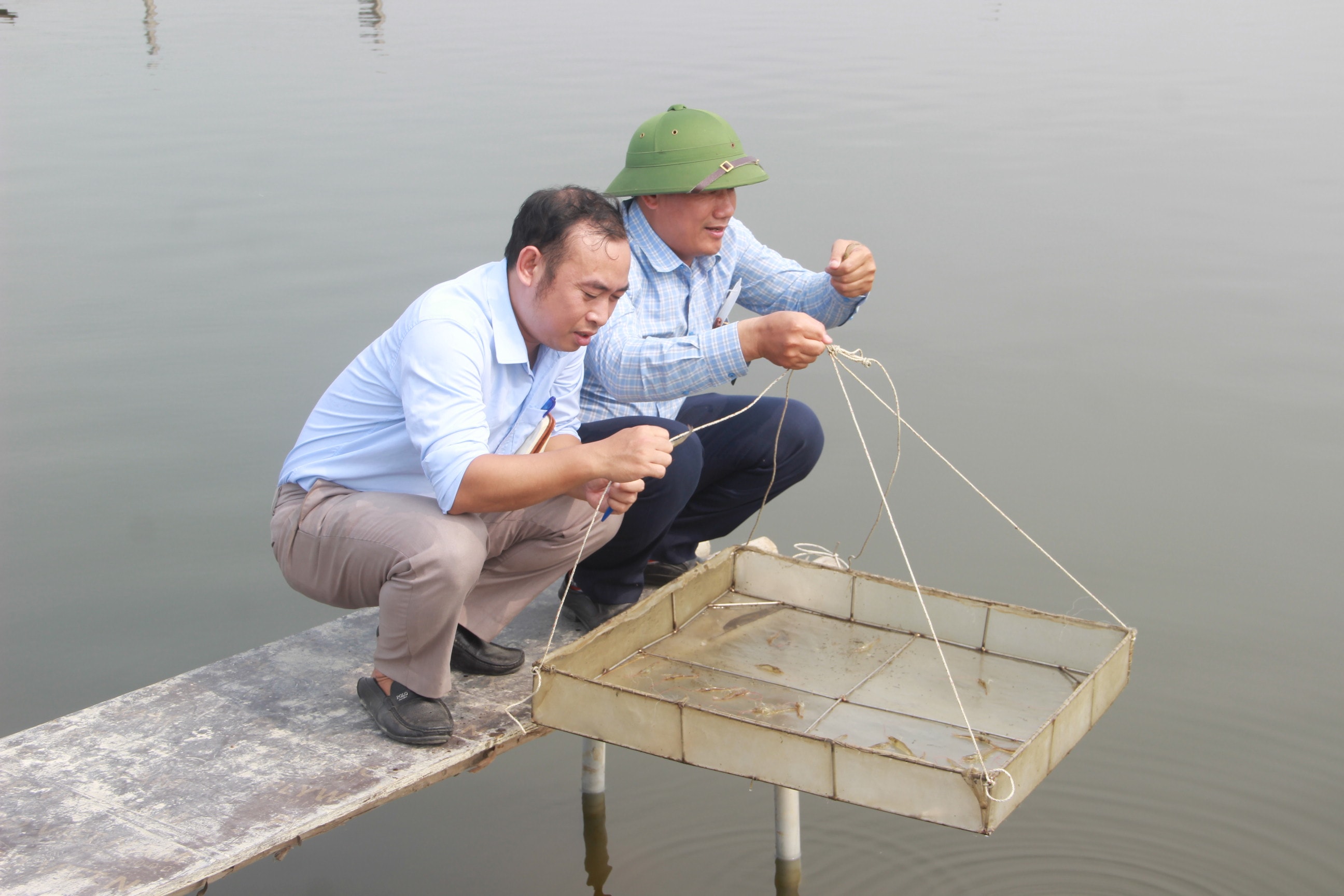
Therefore, the most important factor in shrimp farming is the selection of broodstock, as healthy shrimp broodstock determines 50% of the success or failure of a shrimp crop. The broodstock released for farming must be of good quality. Absolutely no broodstock of unknown origin or that has not been inspected by the relevant authorities should be released for farming.
For shrimp farming, a plan is needed to store water in settling ponds to ensure a readily available water supply when necessary. Water in settling ponds must be treated with chlorine at a concentration of 30 ppm for 7-10 days before being supplied to the rearing ponds. Maintain a minimum water level of 1.3-1.5 meters in the rearing ponds. For indoor shrimp farms with roofs, adjust the netting system to reduce direct sunlight entering the ponds, and improve ventilation and heat dissipation to reduce the greenhouse effect.
Stocking shrimp during this period coincides with intense heat. Therefore, farmers need to increase the frequency of aeration in the ponds to provide oxygen and prevent temperature stratification. Use high-quality feed that is not moldy and minimize excess feed in the pond. During hot weather, reduce the daily feed amount to only 70-80% of normal. Supplement with Vitamin C, minerals, probiotics, and liver support every 5-7 days to boost the shrimp's immunity.
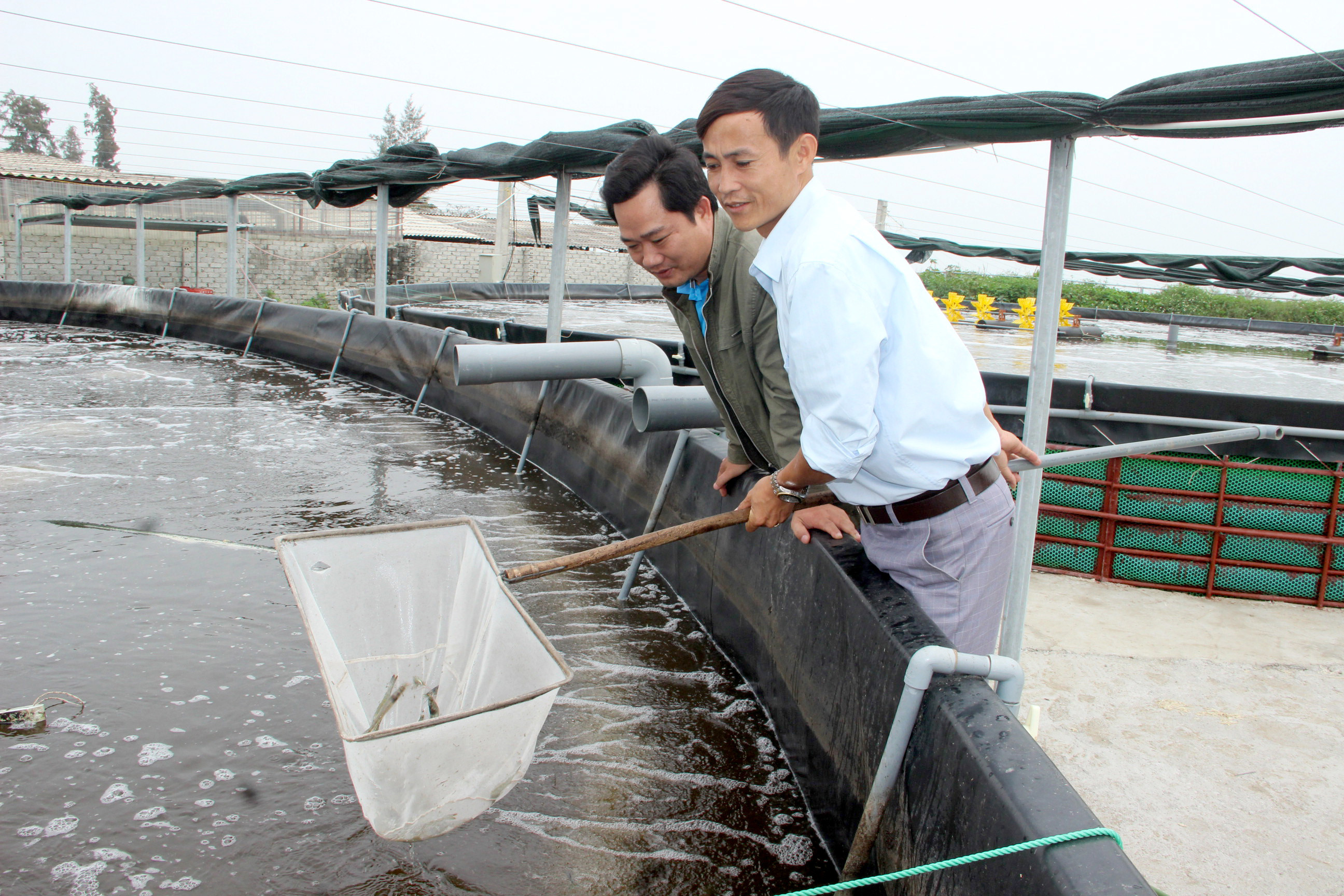
Farmers need to implement effective preventive measures to limit the entry of pathogens into fish ponds, such as: controlling the water supply, fencing the pond banks with nets, ensuring that tools and equipment are not shared between ponds and are disinfected after each use.
The most important thing in this shrimp farming season is that people need to regularly inspect their ponds and take shrimp samples for periodic testing to implement effective disease prevention measures. When detecting signs of disease or unusual shrimp mortality, they must immediately report it to the cooperative, community group, and the District Agricultural Service Center for timely sample testing. Absolutely no concealment of outbreaks, as happened recently, should occur, leading to mass shrimp deaths that were irreversible.