

Building a 'common home' for children with thalassemia.
(Baonghean.vn) - The Department of Gastroenterology and Clinical Hematology (Nghe An Obstetrics and Pediatrics Hospital) is currently monitoring and treating 98 children with Thalassemia (congenital hemolytic anemia). These children require monthly hospitalizations to maintain their lives. The department is now their second home.
The children with thalassemia being treated at the Department of Clinical Gastroenterology and Hematology (Nghe An Obstetrics and Pediatrics Hospital) all share common identifying characteristics: jaundice, pale complexion, fatigue, protruding forehead, flat nose, high cheekbones, small stature, and stunted growth… Each month, they have to leave their beloved homes to come here for treatment for 10-15 days. To maintain their lives, they need continuous blood transfusions and iron chelation therapy.
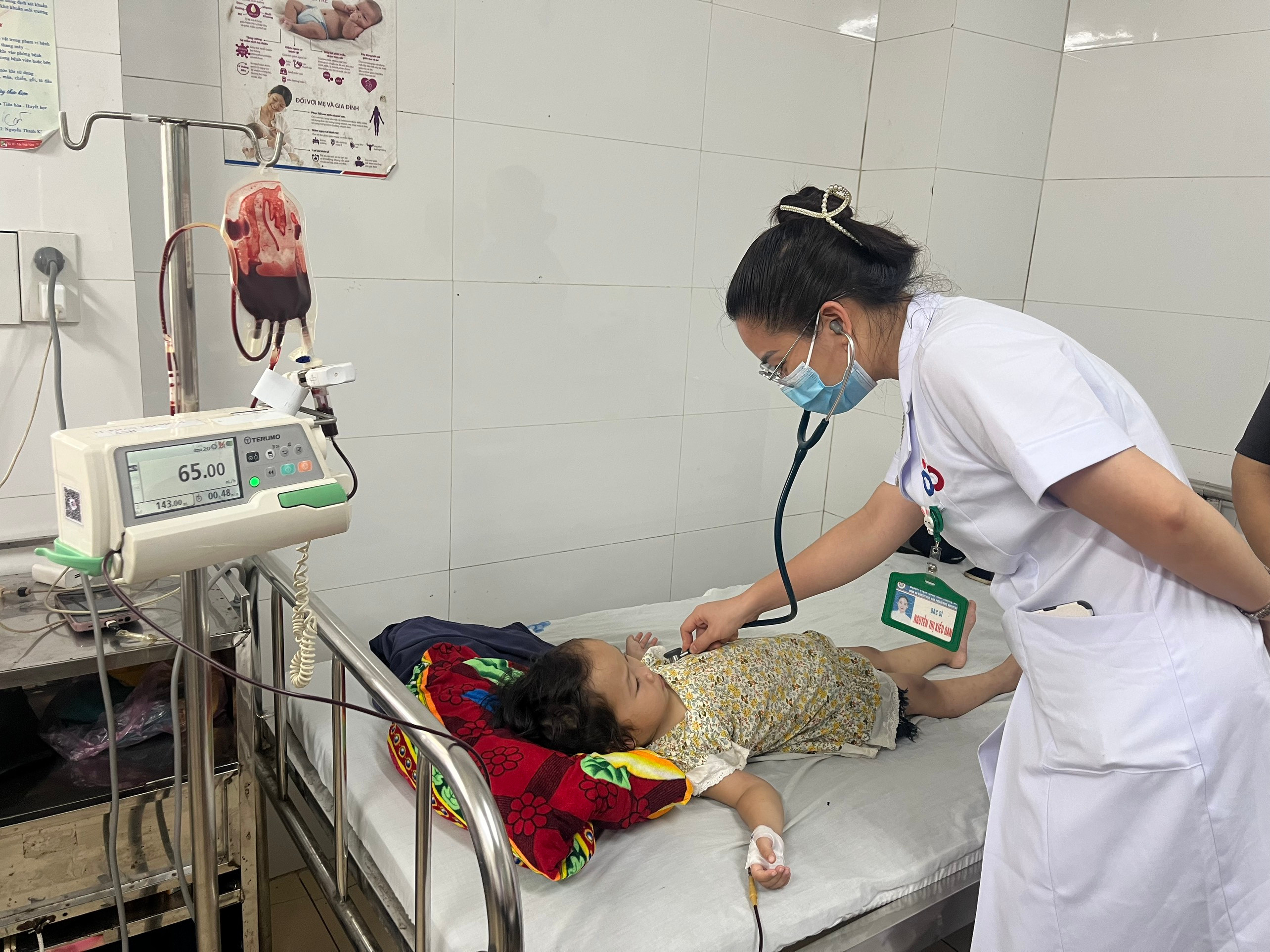
In ward 509, 9-year-old NPTT (from Nghia Dan district) has become accustomed to having to go to Nghe An Obstetrics and Pediatrics Hospital every month for treatment. She was diagnosed with the disease when she was only 6 months old. Since then, the Department of Clinical Gastroenterology and Hematology has become her second home. Accompanying NPTT for many months has been her grandfather, who has looked after and cared for her so that his son and daughter-in-law could work and earn money to support and treat her illness.
NPTT's grandfather shared: "The treatment journey for my grandson has been very difficult. Fortunately, here, he has received dedicated care and advice from the doctors, nurses, and medical staff in the department. Nghe An Obstetrics and Pediatrics Hospital has also had thoughtful support programs for patients and their families, providing adequate meals and clean hygiene; helping to alleviate some of the family's difficulties."
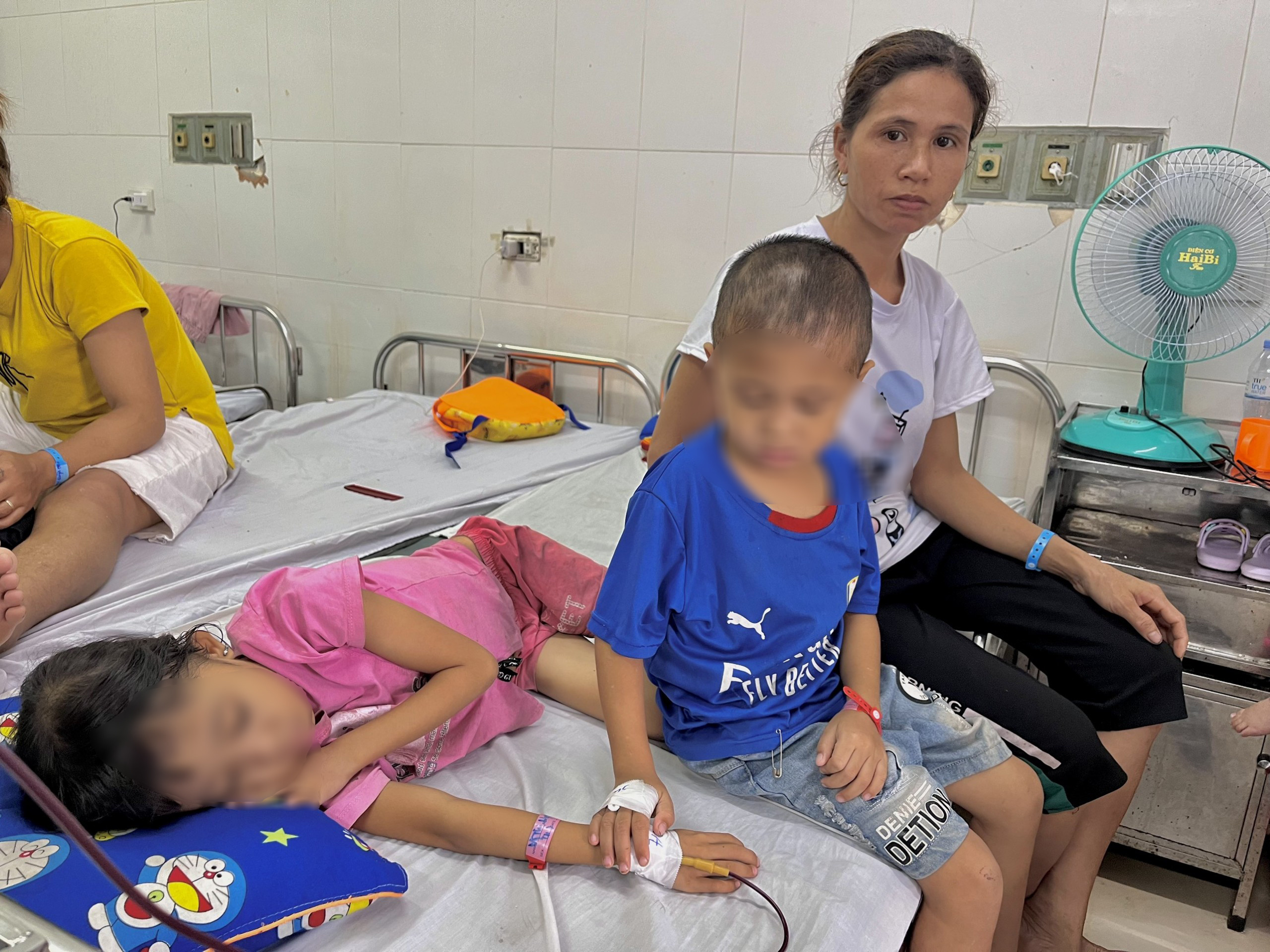
Not far from NPTT's hospital bed lies LMC (4 years old, from Que Phong district). LMC was diagnosed with thalassemia and has been receiving treatment since she was 18 months old. LMC's mother said: "My husband and I got married and had a child without knowing that we both carried the recessive gene for the disease. When we received the test results and learned that our daughter had thalassemia, my husband and I were devastated... Because of the disease, she is always tired, lethargic, and less developed than other children her age. She cannot study normally because she has to stay in the hospital for a long time for treatment."
Dr. Nguyen Thi Kieu Oanh (Department of Gastroenterology - Clinical Hematology) stated: Thalassemia (congenital hemolytic anemia) is a hereditary blood disorder characterized by anemia and hemolysis. This disease causes patients to suffer from chronic anemia throughout their lives. Due to anemia, the body reacts by increasing red blood cell production and expanding the area of red blood cell production in the bone marrow, leading to changes in the structure of the skull, face, and head, resulting in porous long bones, and in some cases, hematopoietic tumors (blood-producing tumors in the bone marrow, lungs, etc.). This causes facial deformities in patients with congenital hemolytic anemia: protruding forehead, flat nose, high cheekbones, protruding teeth, easily fractured bones, reduced bone density, and osteoporosis.
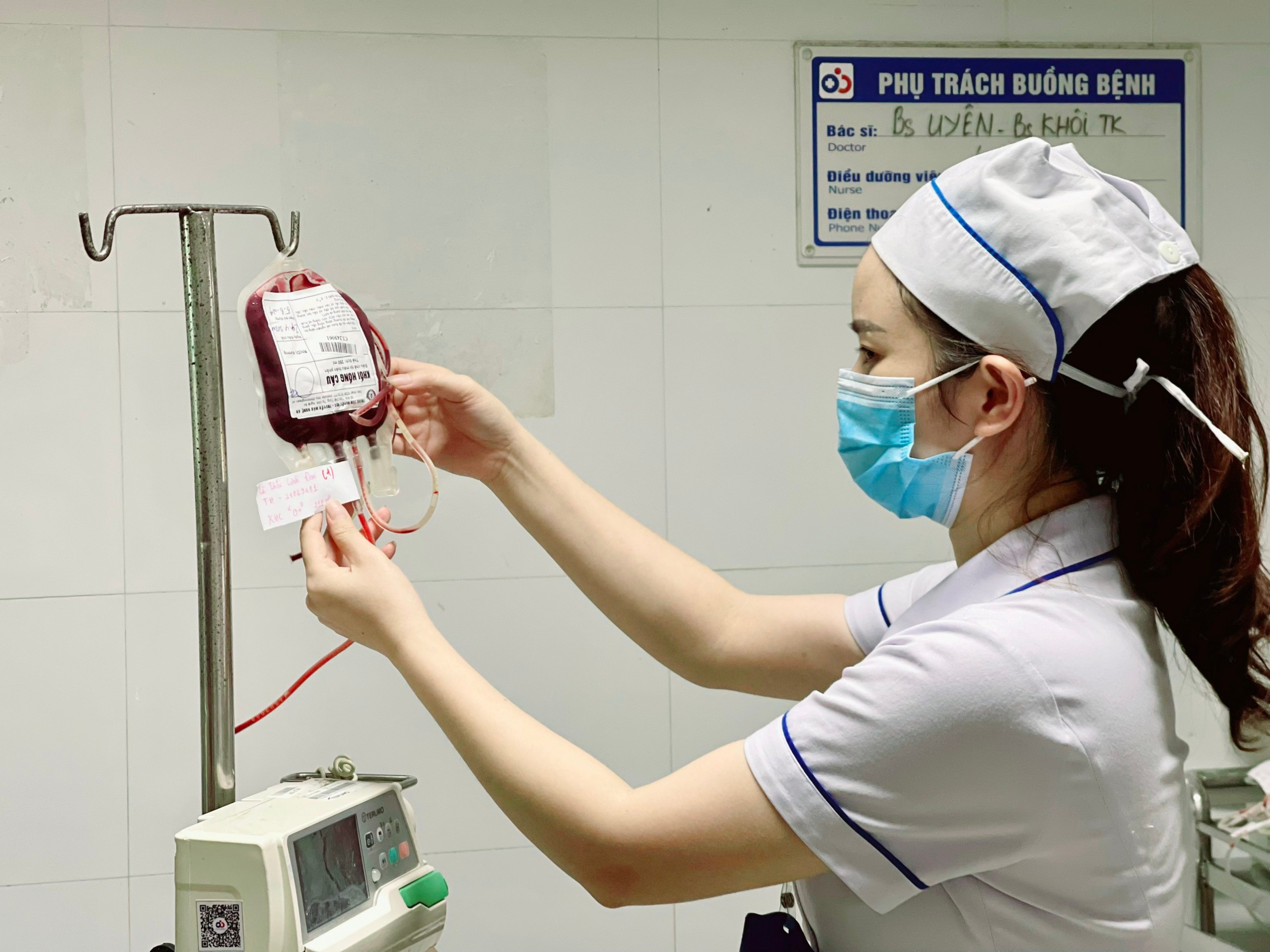
Patients with congenital hemolytic anemia who require multiple blood transfusions experience iron overload in the body, which can lead to cirrhosis, liver failure, heart failure, pituitary and gonadal gland dysfunction, diabetes, hypothyroidism, and hypoparathyroidism.
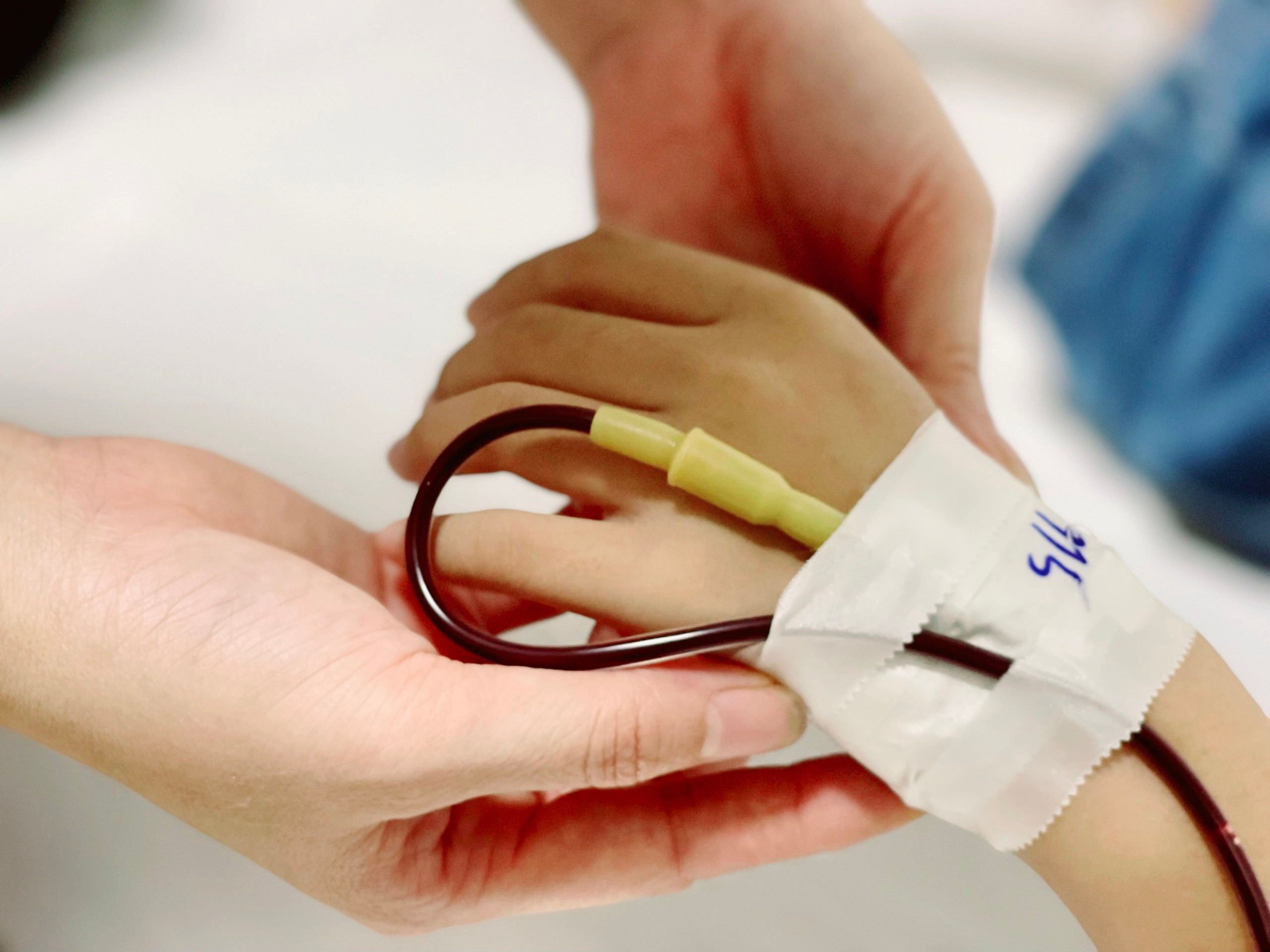
Currently, the Department of Clinical Gastroenterology and Hematology at Nghe An Obstetrics and Pediatrics Hospital is implementing two main methods for treating thalassemia: blood transfusion and iron chelation therapy. The interval between blood transfusions varies depending on the severity of anemia. Iron chelation therapy aims to prevent iron overload in patients, keeping iron levels in the body from rising too high and reducing complications of iron overload.
Currently, stem cell transplantation is a modern treatment method, however, the treatment cost is very high. Stem cell transplantation is indicated for patients with severe thalassemia, under 16 years of age, without severe iron overload, and with a suitable stem cell donor with human leukocyte antigens.
Thalassemia is an incurable disease that requires lifelong treatment, but it is highly preventable. To determine if they carry the gene for the disease, young people should undergo a complete blood count before marriage. For a happy family and healthy babies, couples should have premarital blood screening tests.
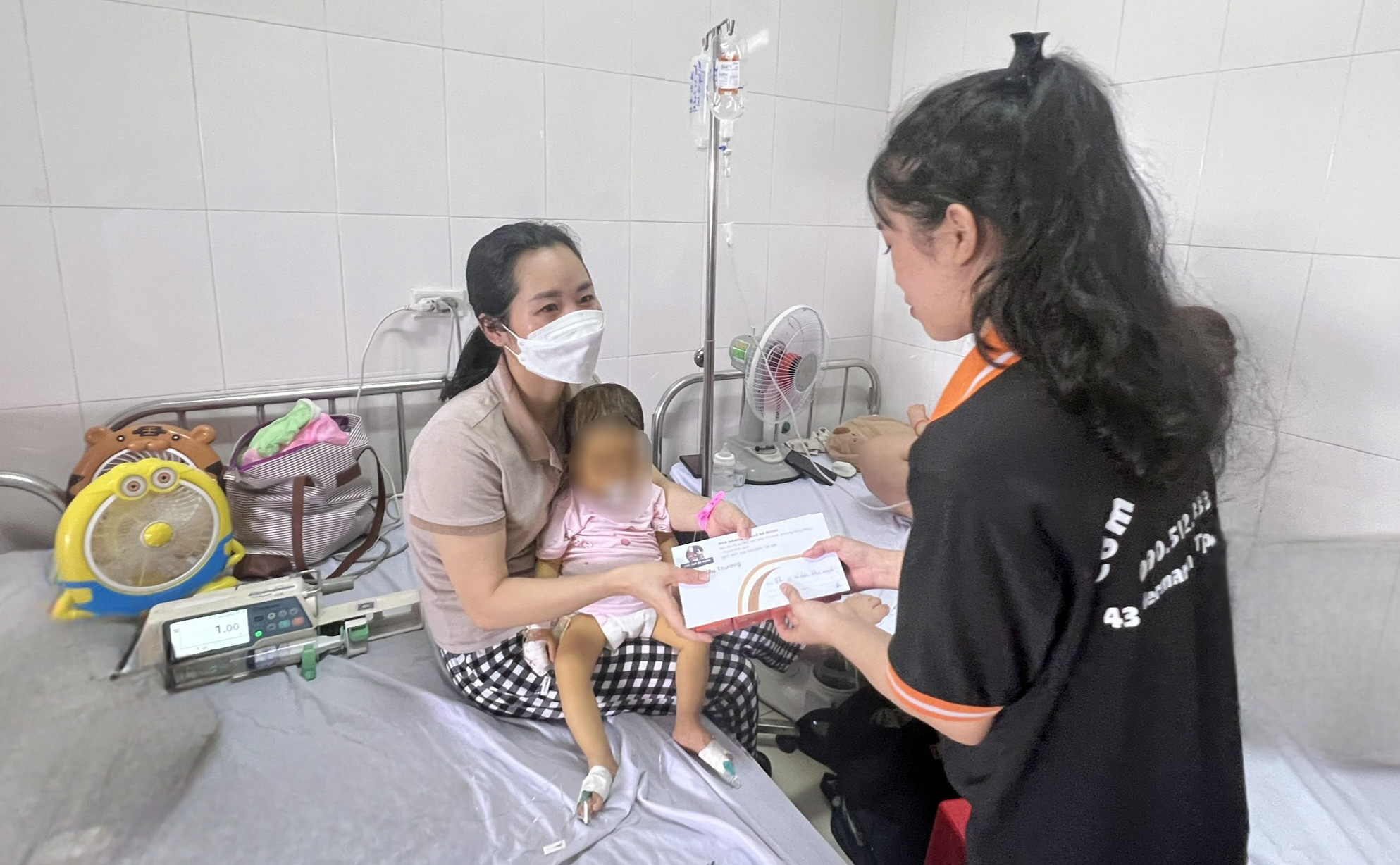
Thalassemia not only debilitates the spirit, reduces the economic well-being, and hinders children's access to culture and education due to the prolonged and costly treatment, but also impacts the quality of the population and leads to a decline in the gene pool.
Sharing the difficulties faced by patients and their families with thalassemia, the Department of Clinical Gastroenterology and Hematology and the Social Work Quality Management Department (Nghe An Obstetrics and Pediatrics Hospital) have been working diligently with benefactors to provide support and encouragement to patients and their families. Nghe An Obstetrics and Pediatrics Hospital always hopes to receive more generous support for patients.