

Some issues following the reorganization of administrative units in Nghe An.
(Baonghean.vn) - Currently, localities in the province are closely following the process of rearranging administrative units at the district and commune levels to ensure the plan is implemented on schedule. However, some concerns and anxieties remain among officials and the public, requiring the active involvement of all levels and sectors.
The People's Council at the commune level unanimously agreed.
The reorganization of administrative units is a major policy of the Party and the State aimed at reducing the number of district and commune-level administrative units; streamlining the organizational structure, reducing staffing levels, cutting state budget expenditures, and improving the effectiveness and efficiency of the apparatus. More importantly, the reorganization aims to expand the scale and space for development and improve the quality of life for the people.
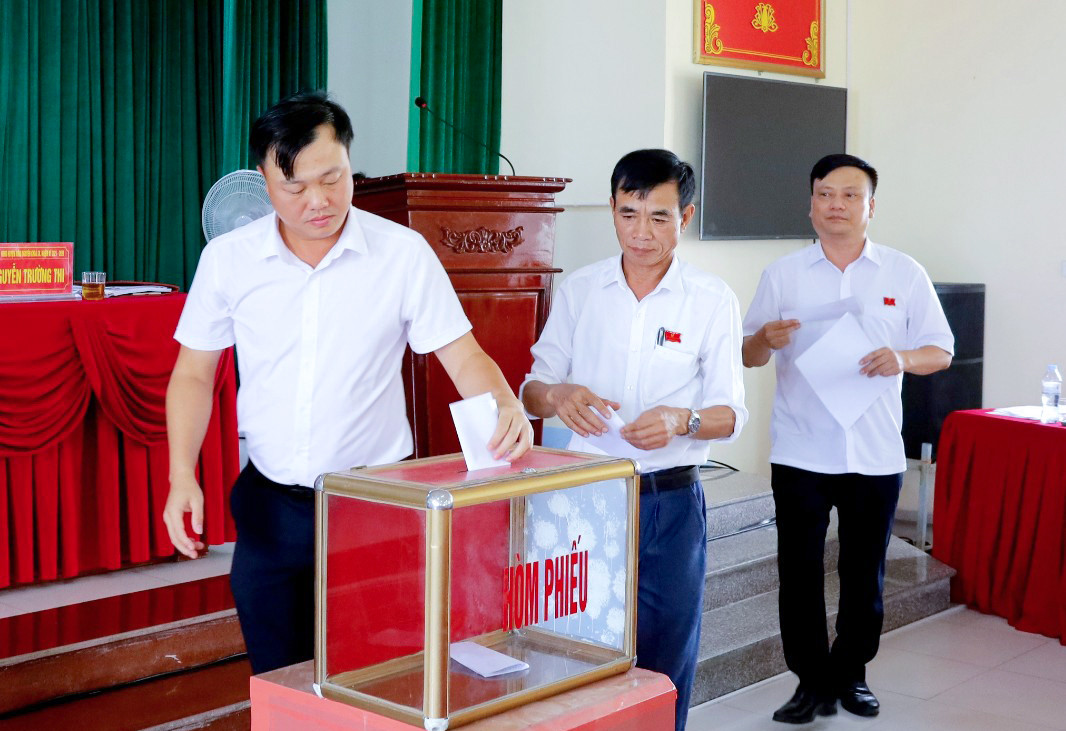
The implementation of the administrative unit reorganization plan for the period 2023-2025 has fostered a sense of consensus and understanding among officials and the public. This is evidenced by the fact that voter consultations on the reorganization plan in 92 communes, wards, and towns in the province (excluding Quynh Hau and Quynh Doi communes in Quynh Luu district, where consultations have not yet been held) have yielded approval rates of 61.5-100%.
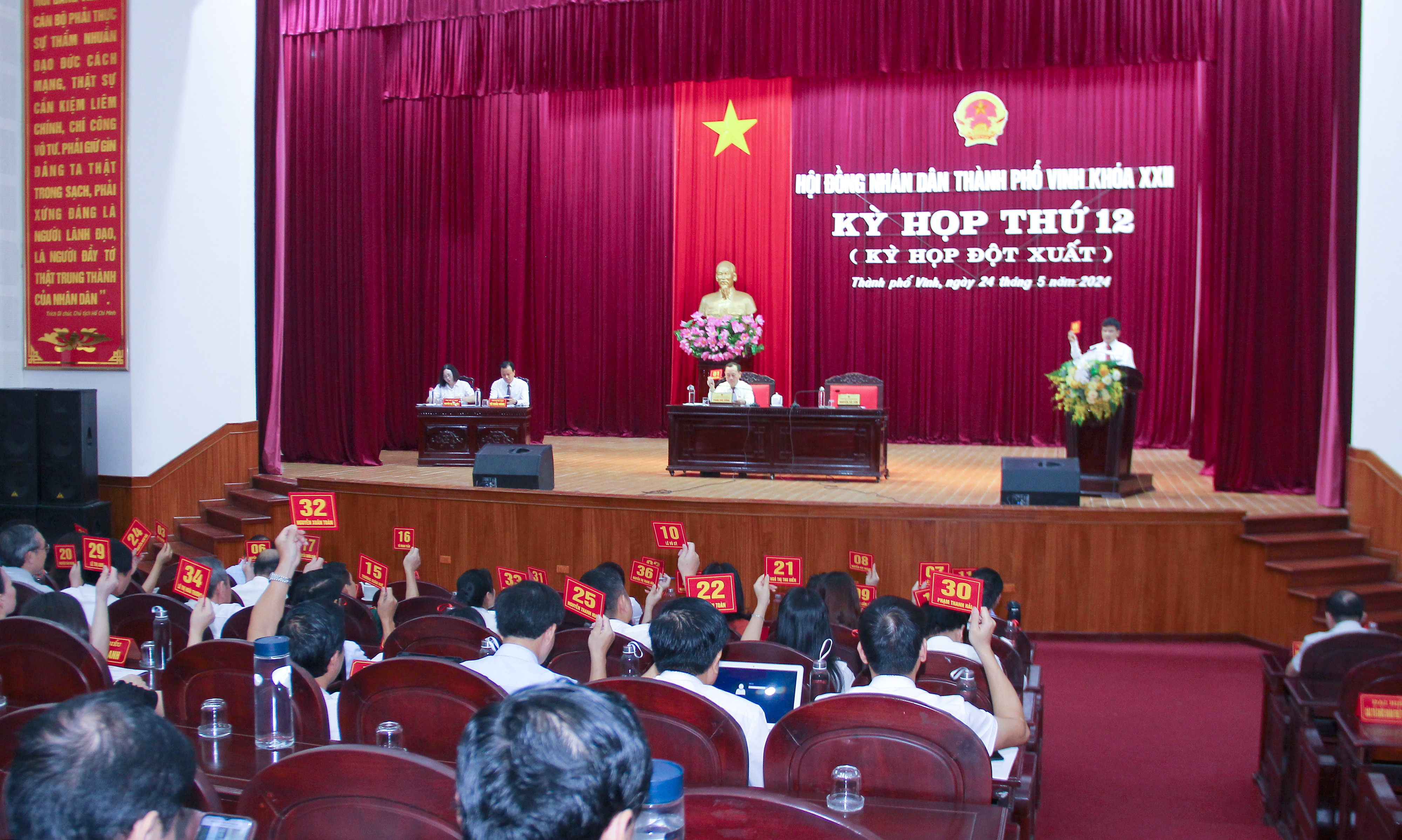
After completing the process of gathering voter opinions on the administrative unit reorganization plan, communes, wards, and towns in the province have held People's Council meetings to approve the plan for reorganizing commune-level administrative units for the period 2023-2025. To date, 92 communes, wards, and towns have completed their People's Council meetings, with the percentage of votes in favor ranging from 78.94% to 100%.
The locality with the highest percentage of commune-level People's Council representatives agreeing to the restructuring plan is Nghia Dan district, with 5 out of 5 units implementing the restructuring achieving 100% approval from the People's Council representatives.
In Nghi Loc district, 5 out of 8 units achieved 100% approval from the People's Council delegates, while the remaining 3 units achieved 95.24 - 96%.
In Anh Son district, 3 out of 4 units achieved a 100% approval rate from the People's Council delegates, while the remaining unit achieved 90.47%.
In Yen Thanh district, 9 out of 14 units achieved a 100% approval rate from the People's Council delegates, while the remaining 5 units achieved 90.4% - 95.8%.
In Con Cuong district, 2 out of 3 units achieved a 100% approval rate, while the remaining unit achieved 88%.
In Nam Dan district, 3 out of 4 units achieved a 100% approval rate, while the remaining unit achieved 92%.
In Quynh Luu district, 9 out of 15 units achieved a 100% approval rate, while the remaining 6 units achieved rates ranging from 88.5% to 95%.
In Hung Nguyen district, 2 out of 6 units achieved 100% approval from the People's Council delegates; 4 units achieved 87.50-96%.
In Thanh Chuong district, 10 out of 16 units achieved a 100% approval rate from the People's Council delegates, while the remaining 6 units achieved rates ranging from 86.95% to 95.6%.
In Dien Chau district, 5 out of 10 units achieved a 100% approval rate from the People's Council delegates, while the remaining 5 communes achieved rates ranging from 88.46% to 95.83%.
In Tan Ky district, 1/4 of the units achieved a 100% agreement rate, and 3 units achieved rates ranging from 78.94% to 94.12%.
Do Luong District has 2 units that have completed the restructuring process, achieving a rate of 92.14 – 95.65%.
In Cua Lo town, 4 out of 7 units achieved a 100% approval rate from delegates, while the remaining 3 units achieved 90-94.44%.
In Vinh City, 7 out of 9 units achieved a 100% approval rate from delegates, while the remaining 2 units achieved 85% - 96.15%.
Some issues to consider
Despite the high level of consensus among voters and commune-level People's Council representatives regarding the plan for reorganizing district and commune-level administrative units in the 2023-2025 period, some concerns and anxieties remain.
Voter Nguyen Dinh Hung, from Dong Village, Hung Tan Commune (Hung Nguyen District), expressed his concerns regarding the settlement of debts related to local infrastructure investment after the merger into a new administrative unit; and the need to quickly update relevant documents for citizens, especially the information on land use right certificates, to facilitate access to loans for economic development.
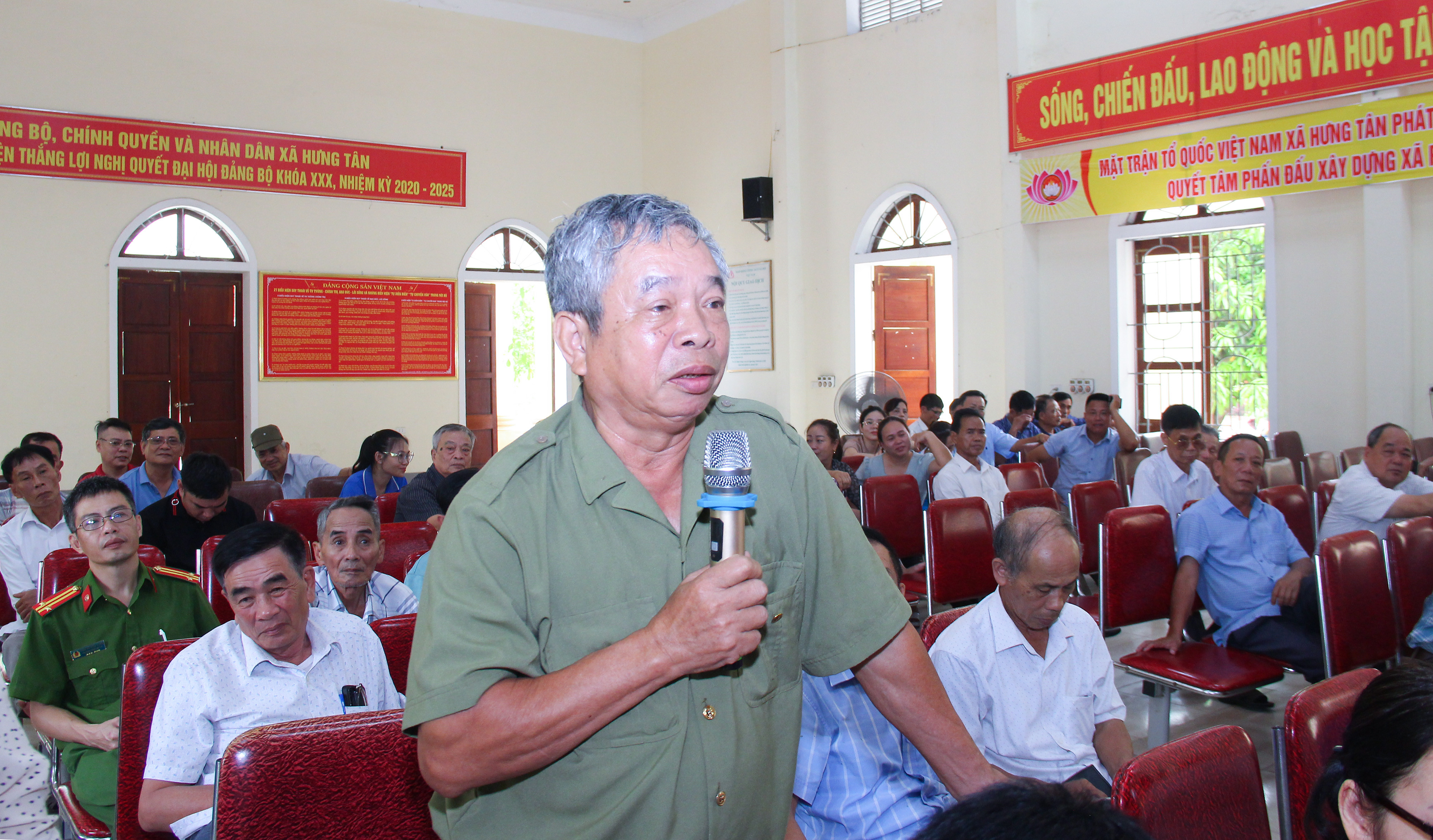
Also in Hung Nguyen district, voters in Hung Phuc commune raised concerns about whether merging a commune that has achieved advanced new rural status with a commune that has not yet met the standards will place further burden on the people to contribute to building the new commune to achieve advanced new rural status, and whether the province and district will have separate support policies for the merged units.
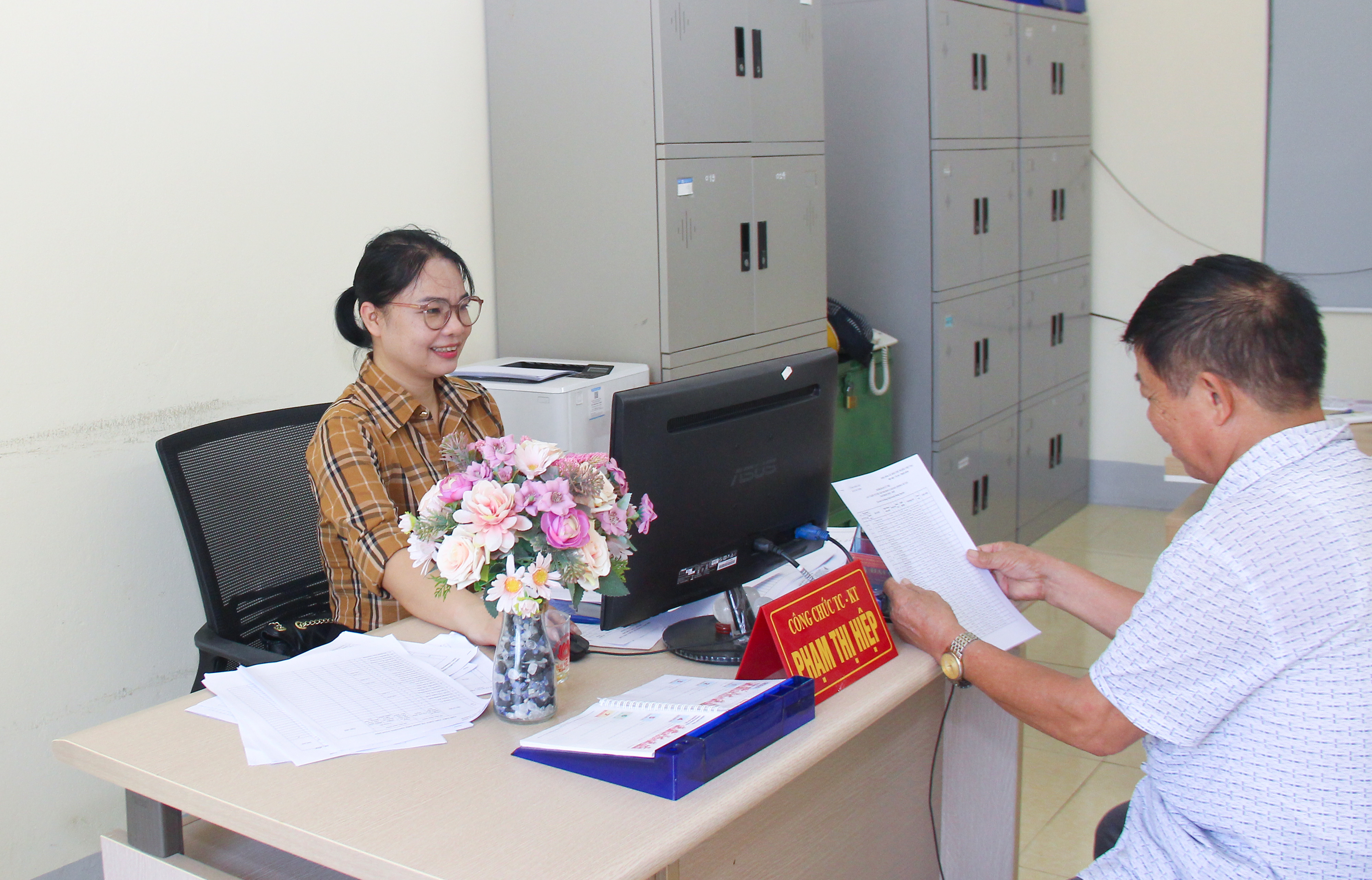
In Quynh Luu district, Mr. Nguyen Xuan Dinh - Vice Chairman of the District People's Committee and Deputy Head of the Steering Committee for the reorganization of commune-level administrative units - stated: Of the 15 units that have implemented and completed the reorganization, the People's Council meeting approved the reorganization plan. However, in 3 units, during the discussion, delegates raised some concerns.
Specifically, in Quynh Luong commune, delegates expressed concerns about the effectiveness of the administrative apparatus after the merger. They also questioned whether the slow processing of administrative procedures for the people before the merger would be feasible after the two communes were merged.
In Quynh Ba commune, concerns were raised regarding the implementation of administrative procedures related to the agricultural land area merged into Cau Giat town; at the same time, a request was made to the authorities at all levels to create favorable conditions for the people to complete administrative procedures after the merger.
Along with the concerns mentioned above, officials and citizens in the units subject to administrative reorganization in the 2023-2025 period also raised issues related to the handling and use of public assets.
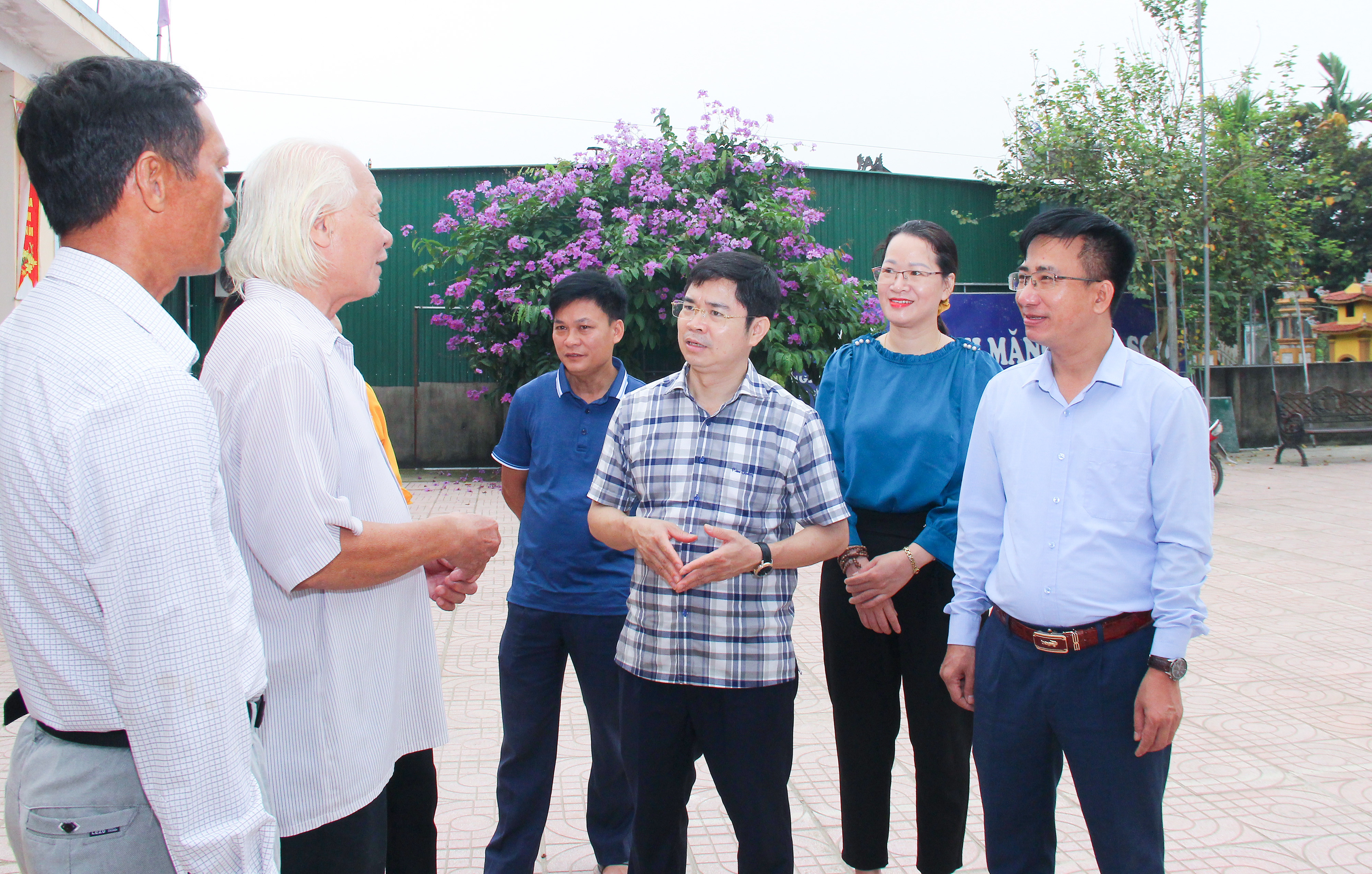
Some opinions suggest that the province and districts need to clearly develop plans and roadmaps for the arrangement of officials and civil servants, paying attention to selecting and appointing heads of Party committees and governments in the merged communes, ensuring that the right people with the necessary qualifications, competence, awareness, responsibility, dedication to the locality, and genuine concern for the lives of the people are chosen.
The biggest concern of the people after the merger is the establishment of a quality leadership and management system; creating more new development opportunities for the locality in general and for the lives of each individual citizen in particular. This is a requirement that demands careful consideration from all levels, ensuring that the merged localities experience stronger and more comprehensive development; focusing on and creating the most favorable conditions for individuals and organizations needing to change documents and waiving fees and charges for the conversion process due to changes in administrative boundaries (as stipulated in Resolution No. 35 of the Standing Committee of the National Assembly).
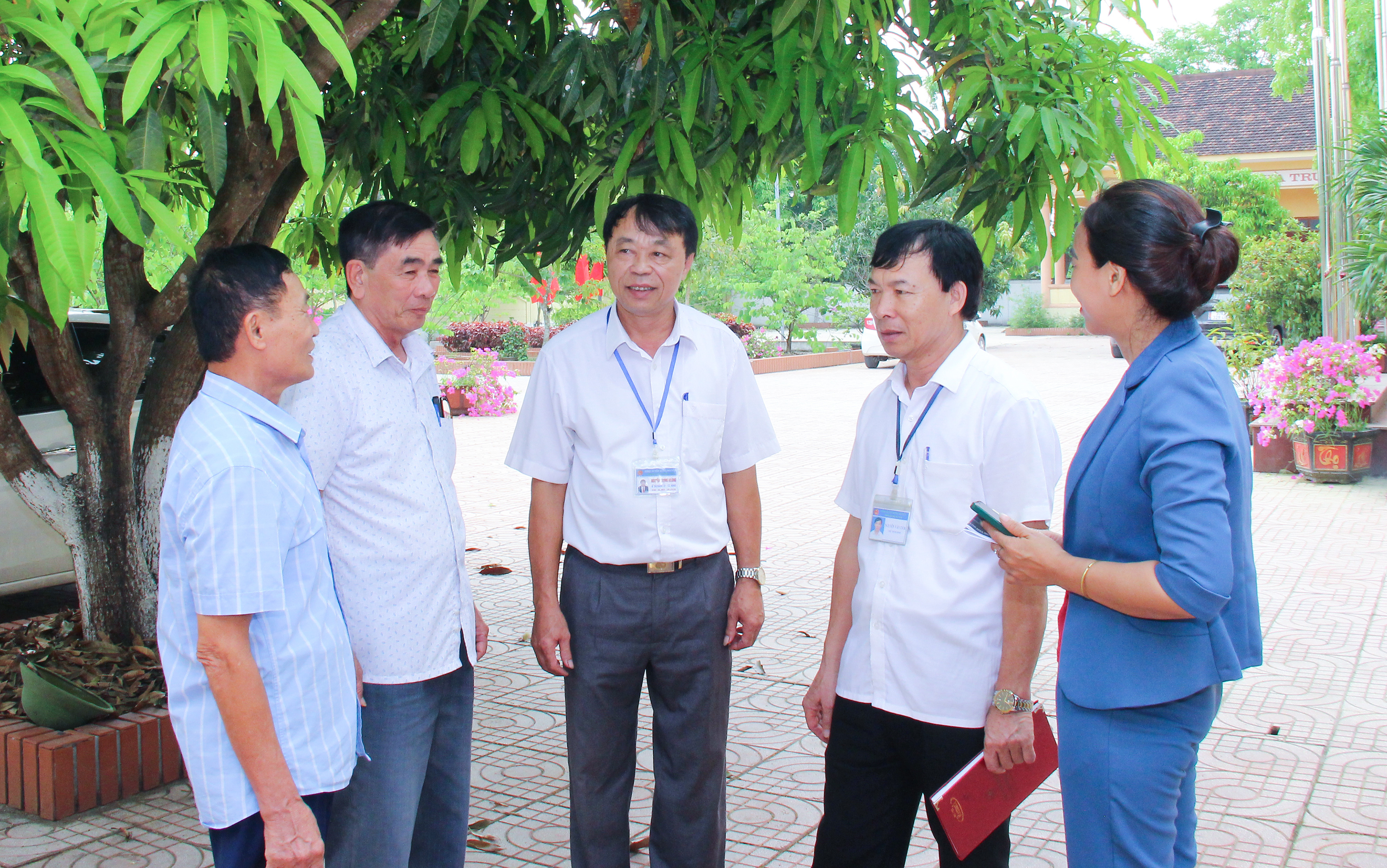
According to the plan, the district-level People's Council must complete the voting session to unanimously approve the administrative unit reorganization plan in May 2024.
The Provincial People's Council will hold a session to approve the Plan for the reorganization of district and commune-level administrative units for the period 2023-2025 before June 10, 2024; based on that, the Plan will be finalized and submitted to the Government before June 15 for appraisal and submission to the National Assembly for approval.