

The role of green technology in sustainable urban development.
Faced with increasing pressure from climate change, environmental pollution, and urban population growth, sustainable urban development has become an urgent necessity. In this context, green technology has emerged as a promising solution, playing a crucial role in promoting the sustainable development of cities.
As urban populations grow, cities face pressure to find sustainable solutions. This need has never been more urgent worldwide. Traffic congestion, poverty, crime, and air pollution are all factors severely impacting the lives of urban dwellers, leading to the urgent need to build smart cities and develop sustainable urban areas.
All of this demonstrates that long-term sustainable strategies can be helpful in providing solutions right now. Such strategies can play a key role in promoting sustainable urban development, transforming cities into smart havens where future generations can work and play.
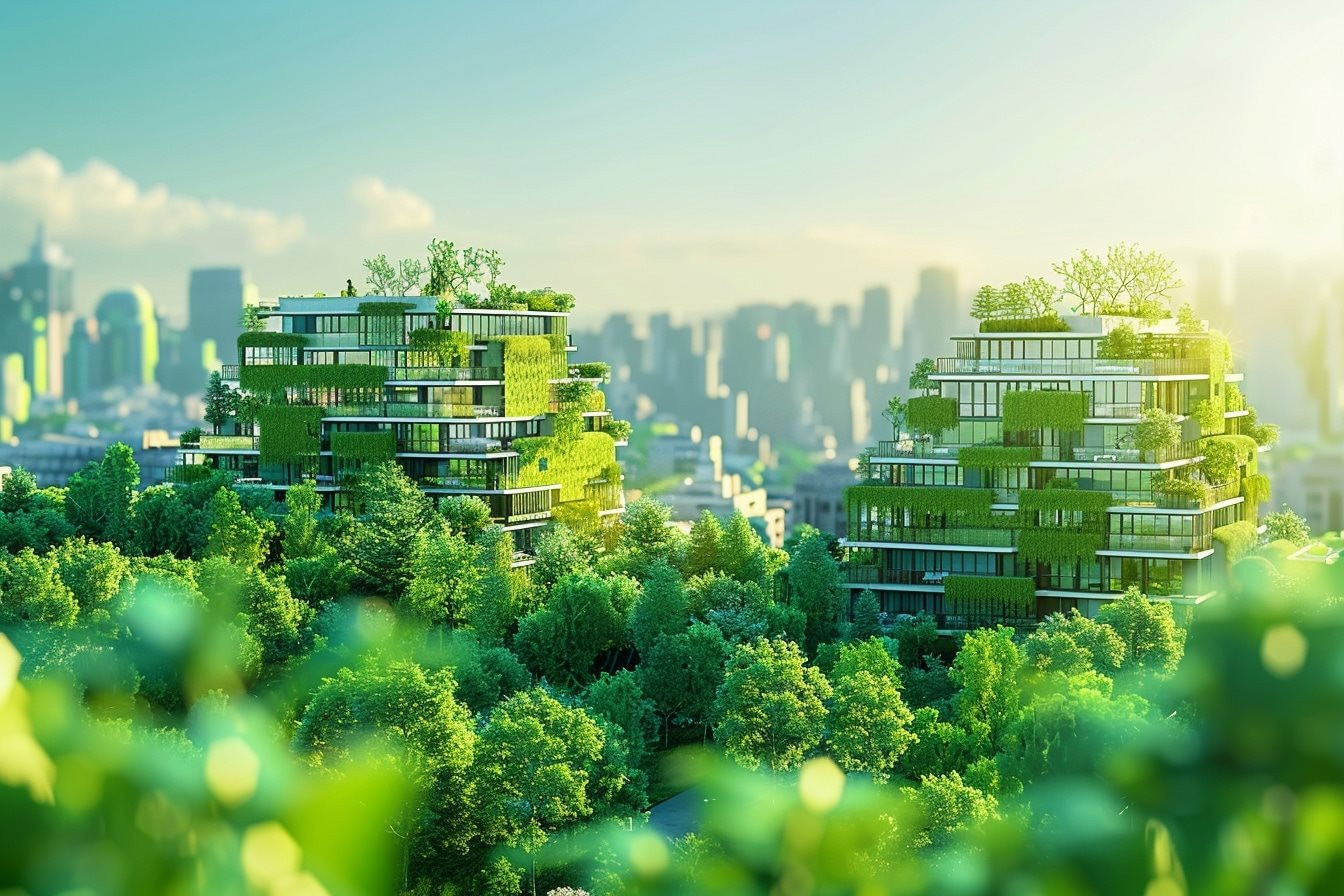
Types of green technologies for sustainable urban development
As urban areas continue to expand, integrating green technologies into urban planning is becoming increasingly important. Many types of green technologies are revolutionizing urban environments and providing sustainable solutions to the pressing challenges of modern cities. The following are some technological advancements that have contributed to sustainable urban development.
Environmentally friendly green spaces
Previously, the idea of green space was merely a fleeting thought. In today's world, those fleeting thoughts are now accepted as essential elements that can fill gaps in sustainable cities.
Green spaces can be found on rooftops, in community gardens, and in parks throughout the country. These spaces act as natural fillers but play a vital role in improving people's health.
Numerous studies have shown that access to green living spaces can improve people's quality of life. These spaces can reduce stress and encourage more physical activity, leading to healthier and happier urban communities.
Green technology plays a crucial role in building sustainable infrastructure, thus becoming the foundation for smart cities. This technology includes intelligent sensors and control systems that optimize energy consumption in buildings.
Smart buildings help minimize carbon emissions and provide a comfortable living environment for residents. Integrating renewable energy sources such as solar and wind can reduce dependence on fossil fuels worldwide. This is a crucial transformation that supports economic growth while also offering numerous environmental benefits.
Public transportation system
Public transportation systems play a crucial role in shaping urban development. Efficient bus, subway, tram, and bike lane networks encourage people to abandon private vehicles. Traffic flow can be improved, mitigating the impact of harmful air pollution. Technology can also help optimize public transport flows, enhance travel quality, and encourage the use of more alternative modes of transportation.
Energy-efficient transportation solutions
In addition to public transport, cities are shifting toward smarter, cleaner transport options to make our air cleaner and our streets less congested. Electric and hybrid vehicles are leading the trend, helping to reduce harmful emissions that warm our planet and make city centers hotter.
Furthermore, smart cities are utilizing data that is updated every minute, facilitating smoother travel for people, which in turn reduces idle time and emissions. In addition, this intelligent planning saves people time, making urban life more enjoyable and sustainable.
Renewable energy solutions
In an effort toward greener cities, solar panels and wind turbines are becoming an integral part of the urban landscape. They are not merely high-tech decorative elements, but powerful tools that harness solar and wind energy to power our homes and offices without harming the environment.
By switching to these renewable energy sources, cities are reducing the amount of dirty energy that contributes to global warming. This transition makes our cities more sustainable and keeps the air cleaner, while gradually helping people find ways to live in greater harmony with the environment.
Smart infrastructure
Smart cities like Singapore are leveraging machine learning and the Internet of Things (IoT) to efficiently manage energy in buildings, control traffic in real time, and manage water resources. This is a prime example of the various applications in urban planning aimed at minimizing greenhouse gas emissions.
Singapore has implemented an advanced public transport system, utilizing real-time data analytics to optimize routes, reduce congestion, and improve efficiency. The island nation is also promoting the use of electric vehicles (EVs) and has established an extensive network of EV charging stations.
In addition, Singapore uses a pneumatic waste transport system in some areas, automatically transporting waste through underground tunnels. This reduces the need for manual collection, improving cleanliness and efficiency.
Waste management techniques
Today's cities are tackling waste in smarter ways, thanks to advanced recycling and composting centers that use the latest technology to sort and reuse what we throw away. Machine learning, a form of artificial intelligence, is the brain behind this. It calculates the most efficient methods for collecting and processing our waste, turning garbage into resources.
This not only helps minimize the amount of waste in landfills but also cuts greenhouse gas emissions into the atmosphere. By managing waste more intelligently, we are taking big steps towards cleaner, more sustainable cities where nothing is wasted and everything has value.
Water saving system
In a world where fresh water is becoming increasingly precious, cities are constantly innovating ways to conserve every drop. New water recycling and rainwater harvesting technologies are making a big difference. These systems take on water that would otherwise go to waste and give it a new lease of life, watering plants, flushing toilets, and even cleaning streets.
These systems mean reduced demand for natural water sources and a lighter burden on the city's water supply system. For cities facing droughts and water shortages, these innovations are not only smart but also essential to maintaining water resources and community development now and in the future.
Adaptive street lighting system
Utilizing machine learning and IoT technologies, adaptive street lighting systems can automatically adjust brightness based on pedestrian and vehicle traffic, thereby significantly saving energy and contributing to reduced carbon emissions in urban areas.
By integrating these green technologies into urban planning, cities can move toward more sustainable development models. These technologies offer numerous benefits, from reducing greenhouse gas emissions to mitigating the urban heat island effect, ultimately promoting healthier and more livable urban environments.
Advances in technology
Technological advancements are the driving force behind the economies of smart cities. Imagine roads and buildings equipped with sensors that can collect data on everything from air quality to how people consume energy.
City governments can use this data to optimize resources, predict city problems, and make better decisions that benefit the community. This is a data-driven approach that could lead to a more efficient urban landscape nationwide.
It's important to remember that viable solutions for sustainable urban development are never a one-size-fits-all scenario. Each city grapples with its own unique challenges. Ultimately, what works is community engagement, investment in education, and the city's willingness and capacity to provide solutions. Businesses, government, and citizens must collaborate to develop and leverage the power of sustainable technologies for everyone's benefit.
A vision for sustainable cities
The vision of sustainable cities is not just an idealistic dream. It needs to be turned into reality for a greener planet.
To improve the quality of life for residents and minimize negative environmental impacts, sustainable infrastructure and technology must be prioritized. It's really about all of us working together to build a healthy future for generations to come. This collaboration involves communities, investors, corporations, companies, and governments.
Green technology is key to driving sustainable urban development, addressing issues related to population growth, and creating environments with improved air quality. Green spaces, innovative transportation systems, technological advancements, and sustainable infrastructure initiatives will shape the smart cities of the future. Clean energy will stimulate economic growth while protecting the environment. New challenges will emerge, and we can all agree that appropriate approaches will be prioritized.
In summary, the government, citizens, investors, businesses, and communities must all cooperate to achieve success in building sustainable cities. A vision of an ideal green society is essential for a sustainable world for future generations. We can all contribute to making the world a better place.