

Pumping stations in Nghe An are operating at full capacity to nourish the summer-autumn rice crop.
In recent days, the scorching heat has caused drought in many rice fields, and pumping stations in Nghe An are operating at full capacity to ensure timely nourishment of the summer-autumn rice crop.
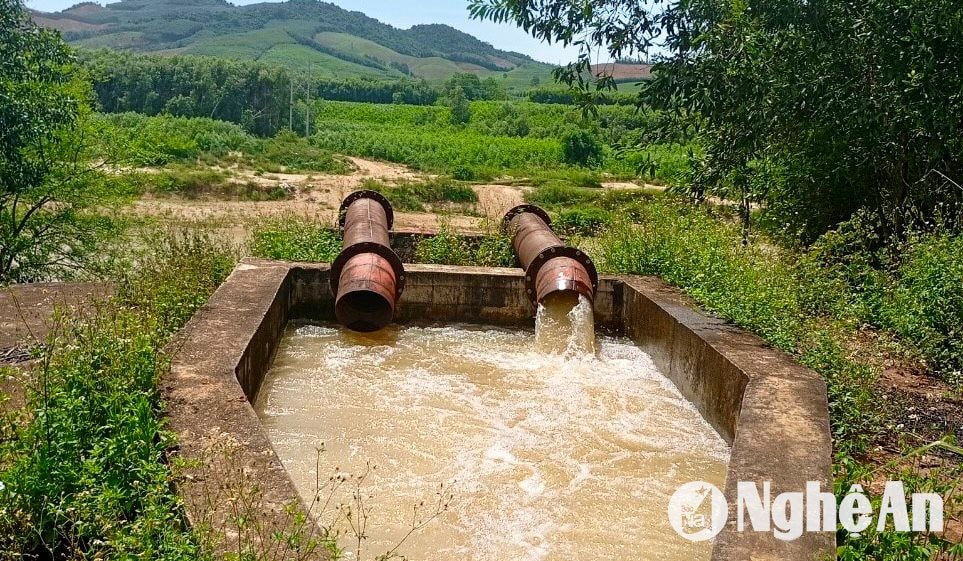
These days, electric pumping stations in Tan Ky district are operating day and night to provide water to combat drought for the summer-autumn rice crop. Mr. Dang Xuan Huy, head of the Roi pumping station in Ky Tan commune, said: "The station has two pumps with a capacity of 980 m³."3Over the past few days, the pumps have been operating at full capacity 24/7 to irrigate over 100 hectares of summer-autumn rice in the two communes of Ky Tan and Ky Son.
Each pumping cycle is expected to last 10-12 days, during which time the pumping station workers take turns regulating and channeling water through the canal system all the way to the rice fields.
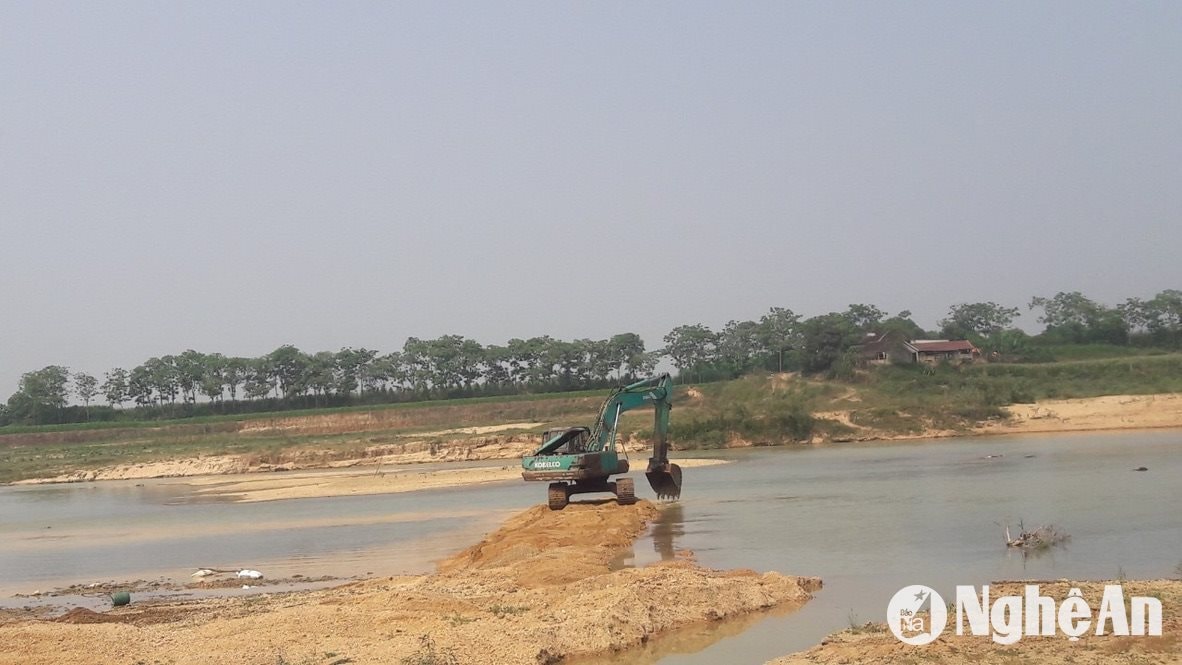
Mr. Bach Thanh Huyen, Chairman of Tan Ky Irrigation Company Limited, said: "The unit manages irrigation for over 3,200 hectares of summer-autumn rice. With the recent continuous hot weather, six electric pumping stations along the Con River, such as the Cay Khe pumping station in Nghia Hop commune, the Roi pumping station in Ky Tan commune, and the Lang Rao pumping station in Tan Huong commune, have had to operate at full capacity. To ensure efficient pumping, from the beginning of the season, the unit has focused on maintaining and repairing the pumps and dredging the irrigation canals in the fields."
The unit plans to deploy mobile oil pumps in Nghia Hoan commune in case of drought. The current challenge is that, if the hot weather continues, Tan Ky district will have over 300 hectares of rice fields at risk of drought in Nghia Dung, Ky Tan, Nghia Hop communes, etc.
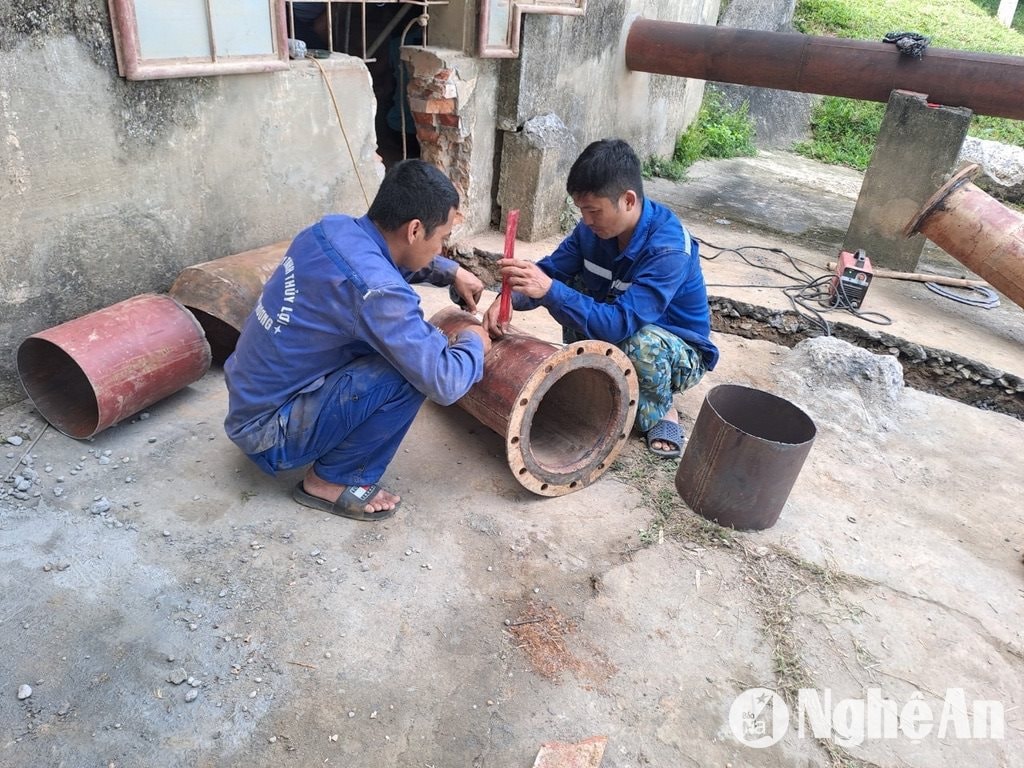
Similarly, at this time, the pumping station system in Do Luong district is also operating at full capacity. A representative from the Do Luong Irrigation Enterprise shared: The unit manages 3 pumping stations, including Van Trang 1 and Van Trang 2 pumping stations in Van Son commune and Nhan Son pumping station in Nhan Son commune, irrigating over 7,800 hectares of summer-autumn rice in the entire Do Luong district.
During this heatwave, workers are taking turns pumping water 24/7. To achieve efficiency, we are implementing the principle of "watering higher ground first, then lower ground," and we are also educating and encouraging people to use water sparingly.
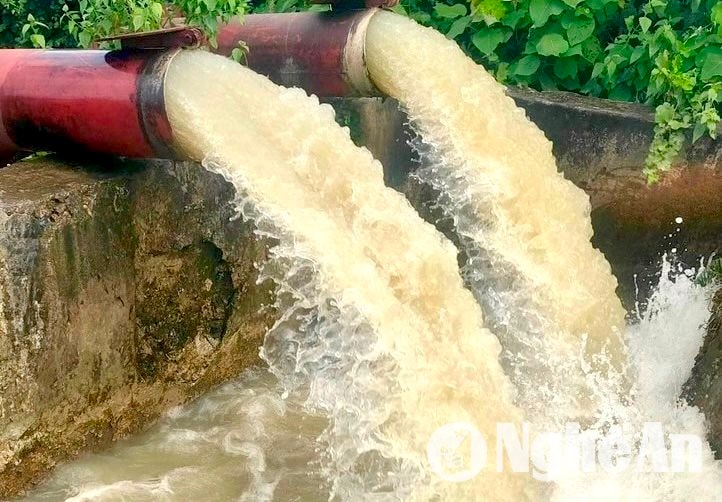
To cope with the drought, Do Luong district has directed communes to proactively prepare mobile pumps to combat the drought. For areas at risk of water shortage, such as Tru Son, Dai Son, Giang Son Dong, and Giang Son Tay communes, they can switch to growing cash crops.
Nam Irrigation Company Limited manages 46 pumping stations, serving irrigation for 18,000 hectares of rice fields, and is currently operating at maximum capacity to ensure irrigation water for rice paddies in Vinh City. Mr. Bui Van Hao, Chairman of Nam Irrigation Company Limited, stated: In addition to directly pumping water for rice irrigation, from June 11th to the present, the company has deployed 15 out of 46 pumping stations to create water sources for local areas. From these water sources, the communes then continue to pump water for rice irrigation.
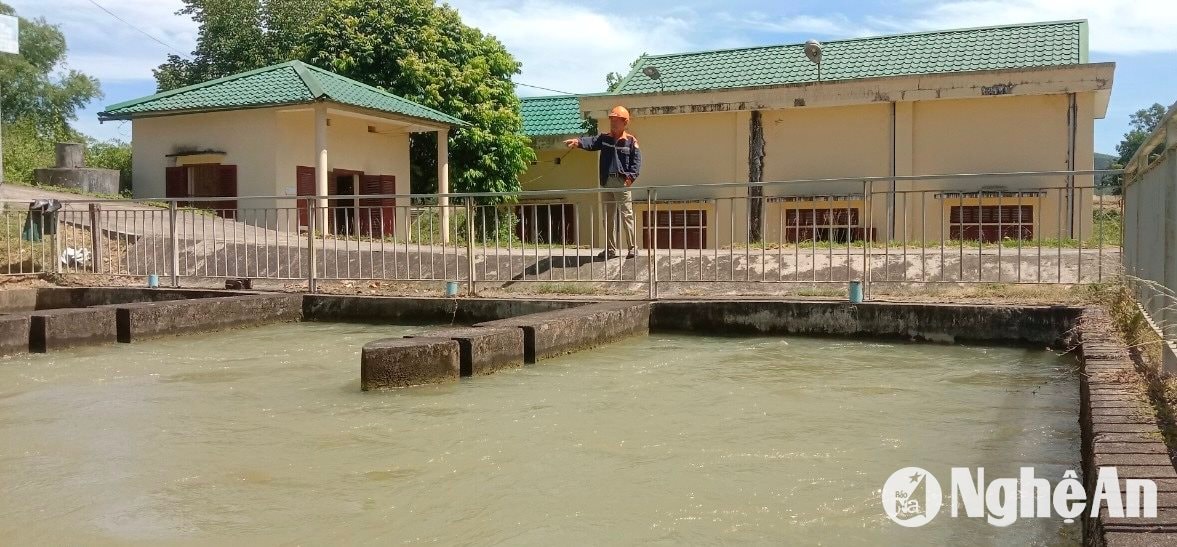
For the downstream pumping stations along the Cam River in Nghi Loc district and the Rum River in Hung Nguyen district, the unit regularly checks the salinity of the water to prevent saltwater intrusion during pumping. The unit has also prepared 15 mobile diesel pumps placed at dead-end river locations and ponds to irrigate rice fields during droughts.
According to the Irrigation Department's report, this is currently the peak period for supplying water for irrigating the summer-autumn rice crop and planting the main rice crop. However, the weather conditions in the province are unfavorable, with intense heat, and some areas are experiencing drought or at risk of drought.
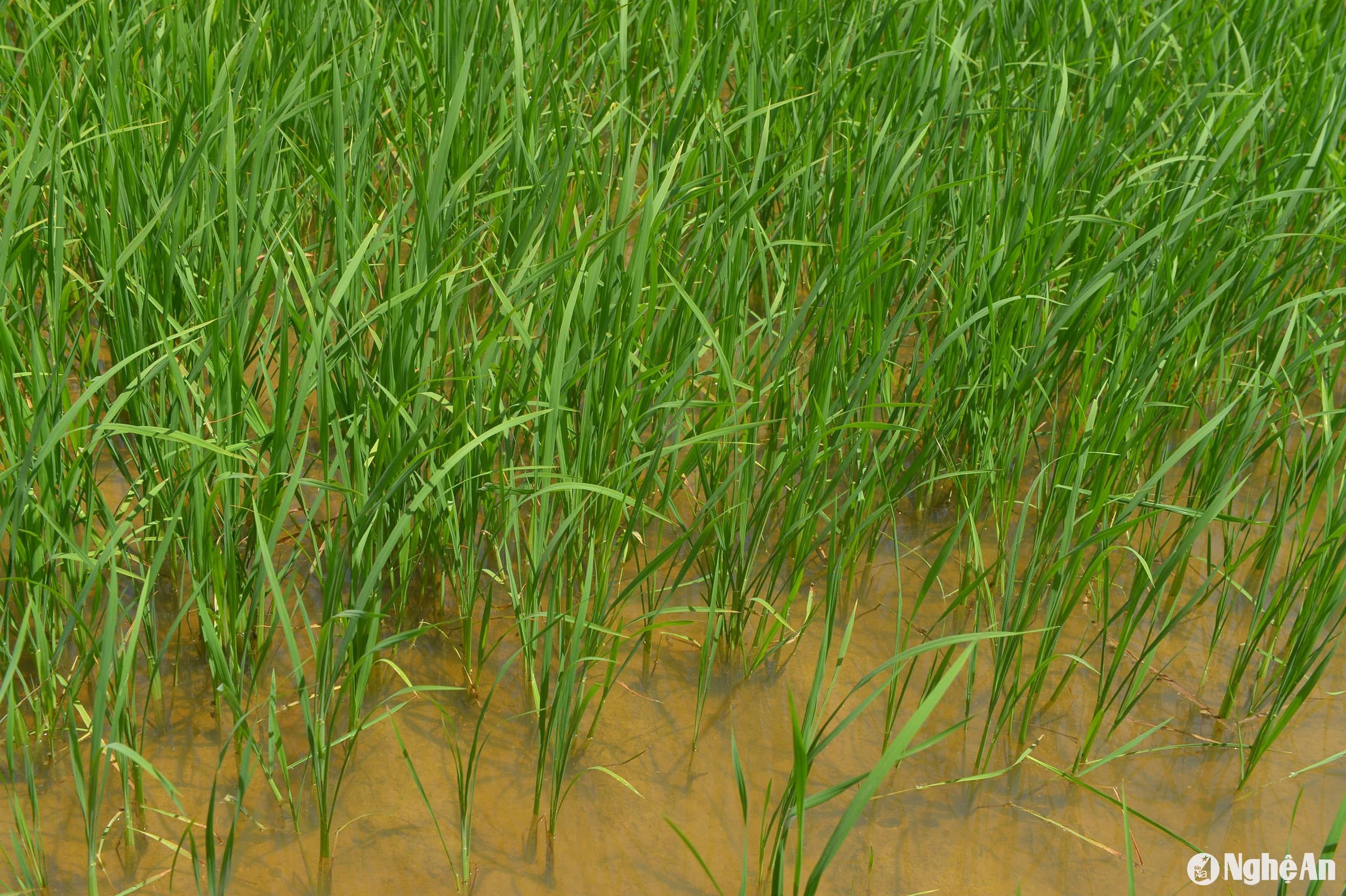
To ensure irrigation water supply for the summer-autumn crop season, Nghe An province currently has over 702 pumping stations, managed by agricultural cooperatives and irrigation units. Currently, all pumping stations are operating at full capacity to provide timely irrigation for rice crops.
The agricultural sector requires localities and irrigation management units to coordinate closely and regularly inspect water sources and salinity levels in rivers, canals, and at the intake basins of pumping stations. They are also directed to instruct grassroots irrigation organizations to manage water resources, prevent leakage and loss, and distribute water rationally and economically.
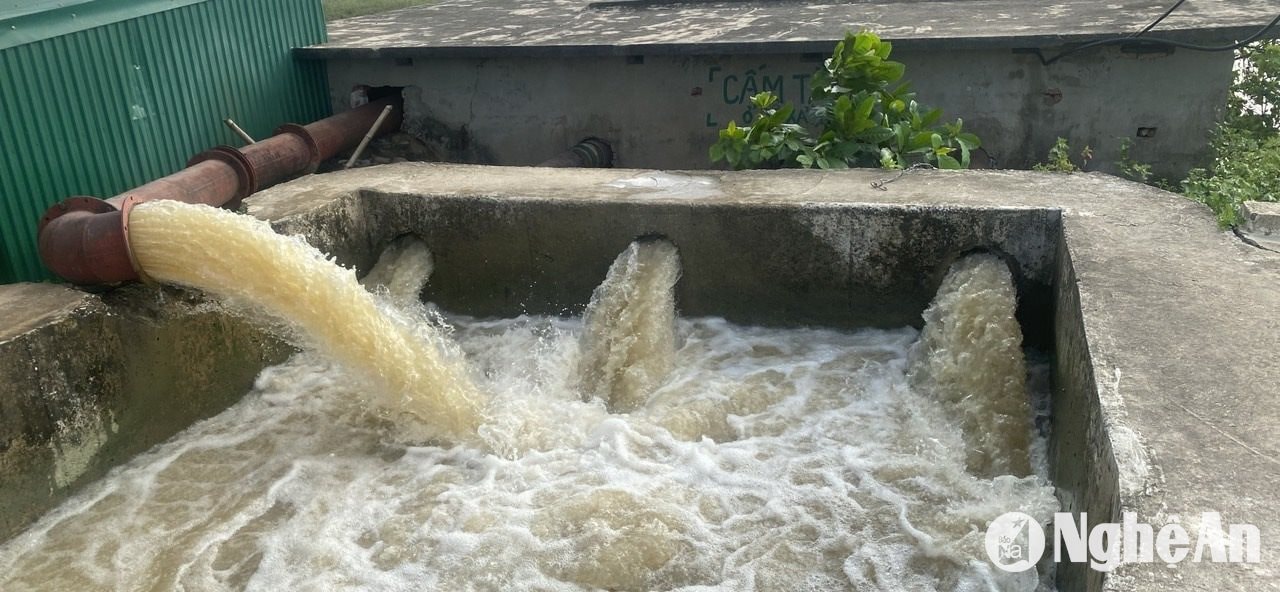
Local authorities are organizing the dredging of canal systems, water intake gates, and suction basins of irrigation pumping stations to ensure water flow and unobstructed access from the source to the fields, utilizing all available water sources for production.
Focus on drawing water into the system when hydroelectric reservoirs release water, increasing water supply; utilize swamps, ponds, lakes, and large main canals to store water in the fields. Repair, maintain, and service existing mobile oil and electric pumping stations, ready to operate irrigation pumps when droughts and water shortages occur.
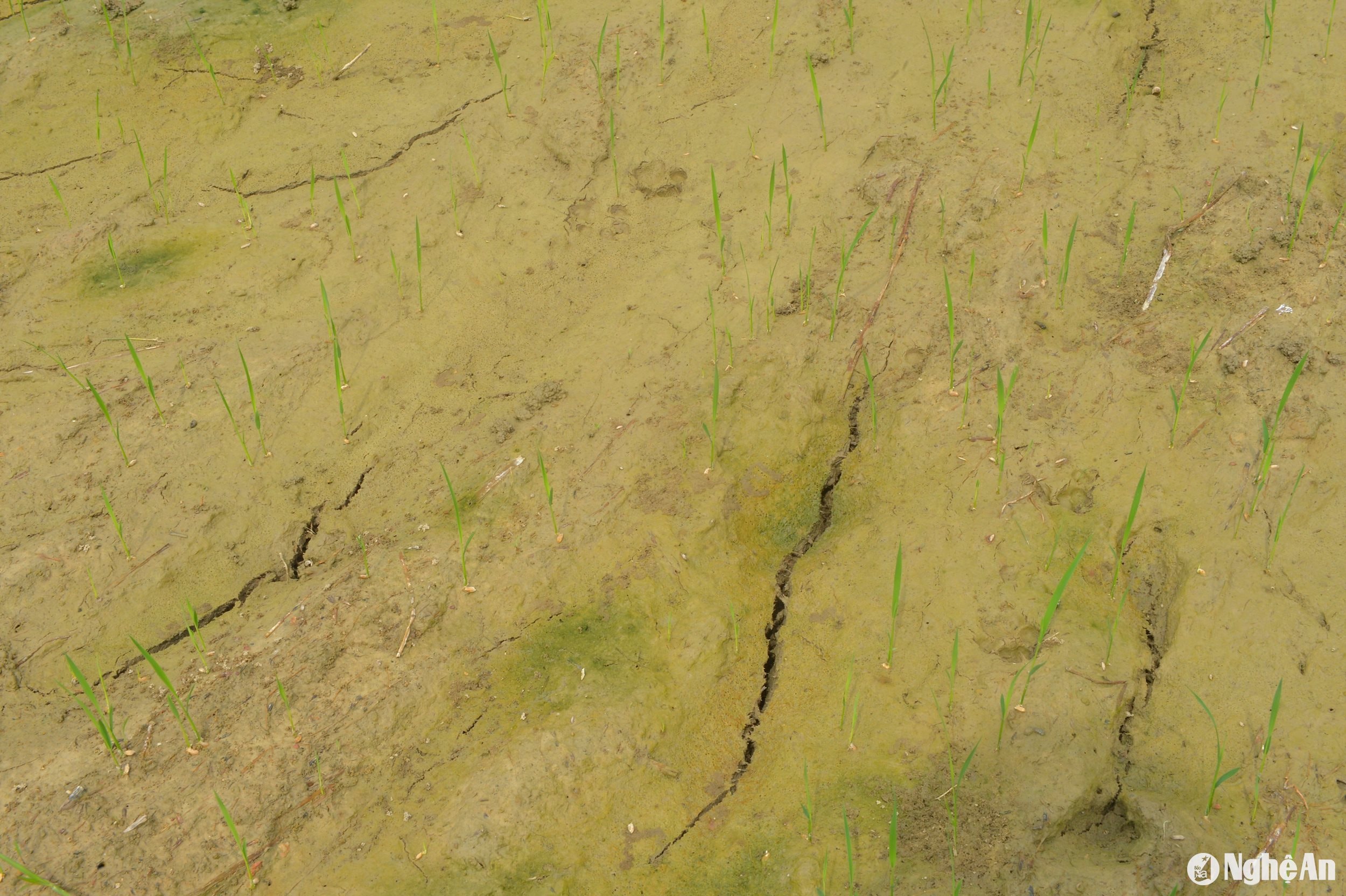
For the People's Committees of districts, cities, and towns, it is necessary to review, assess, and rebalance the actual water resources to arrange summer-autumn crops suitable to the specific conditions of the locality, and on that basis direct the rational conversion of the crop structure. Areas that do not have sufficient irrigation water must be converted to planting other crops to ensure that the entire area and food production targets are met.