

Prospects for the Nghe An ginseng brand.
With its geographical features and climate highly suitable for the growth and development of hundreds of valuable medicinal plant species, the western provinces of Nghe An are opening up a new direction for development. Among these, the economic prospects from ginseng cultivation are showing positive signs, contributing to the realization of the Vietnam Ginseng Development Program recently approved by the Government.
Growing ginseng under the canopy of protected forests.
The border commune of Na Ngoi is located more than 50km from the center of Ky Son district, but the roads have now been improved, allowing cars to reach most of the villages. Na Ngoi also has a cool climate, high altitude, and a large forest cover, making it very suitable for the growth and development of valuable medicinal plants, including ginseng. Recognizing this potential, several large companies and corporations have invested in large-scale ginseng cultivation under the forest canopy in Na Ngoi.
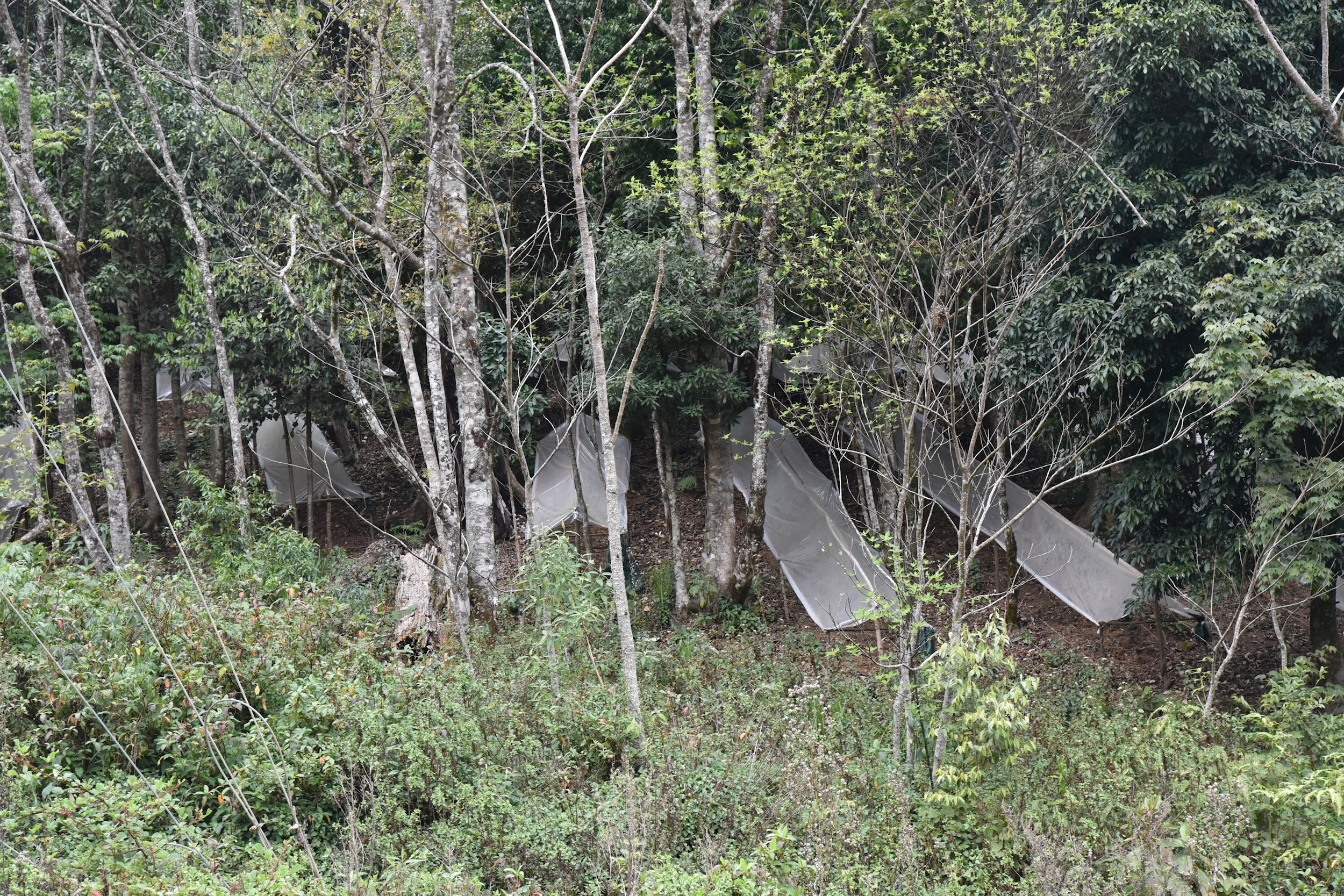
In Buoc Mu 1 village, right along the main road leading to the center of the commune, even in the scorching summer heat, stepping into the area where Ngoc Linh ginseng is grown on the gentle slopes of the Na Ngoi commune's protected forest, the air remains cool and thick with the characteristic damp scent of the dense forest. Mr. Le Hoang - Head of the Ky Son Protected Forest Management Board - said that the Ngoc Linh ginseng cultivation model was implemented for the first time in Ky Son district thanks to the policy of leasing protected forest land; opening up a new direction for economic development in Na Ngoi commune in particular and Ky Son district in general.
Citing the scale and methods of cultivating Ngoc Linh ginseng in Na Ngoi, the area manager of the Ngoc Linh Ginseng Pharmaceutical Group Joint Stock Company in Buoc Mu 1 village stated that the company aims to invest in cultivating nearly 20 hectares of valuable medicinal herbs in Na Ngoi, planning to plant Phu Xai ginseng, Ngoc Linh ginseng, and wild Panax notoginseng. Currently, the company is focusing on propagating Ngoc Linh ginseng. The nursery in Buoc Mu 1 village has already cultivated over 3 hectares, equivalent to 60,000 seedlings.
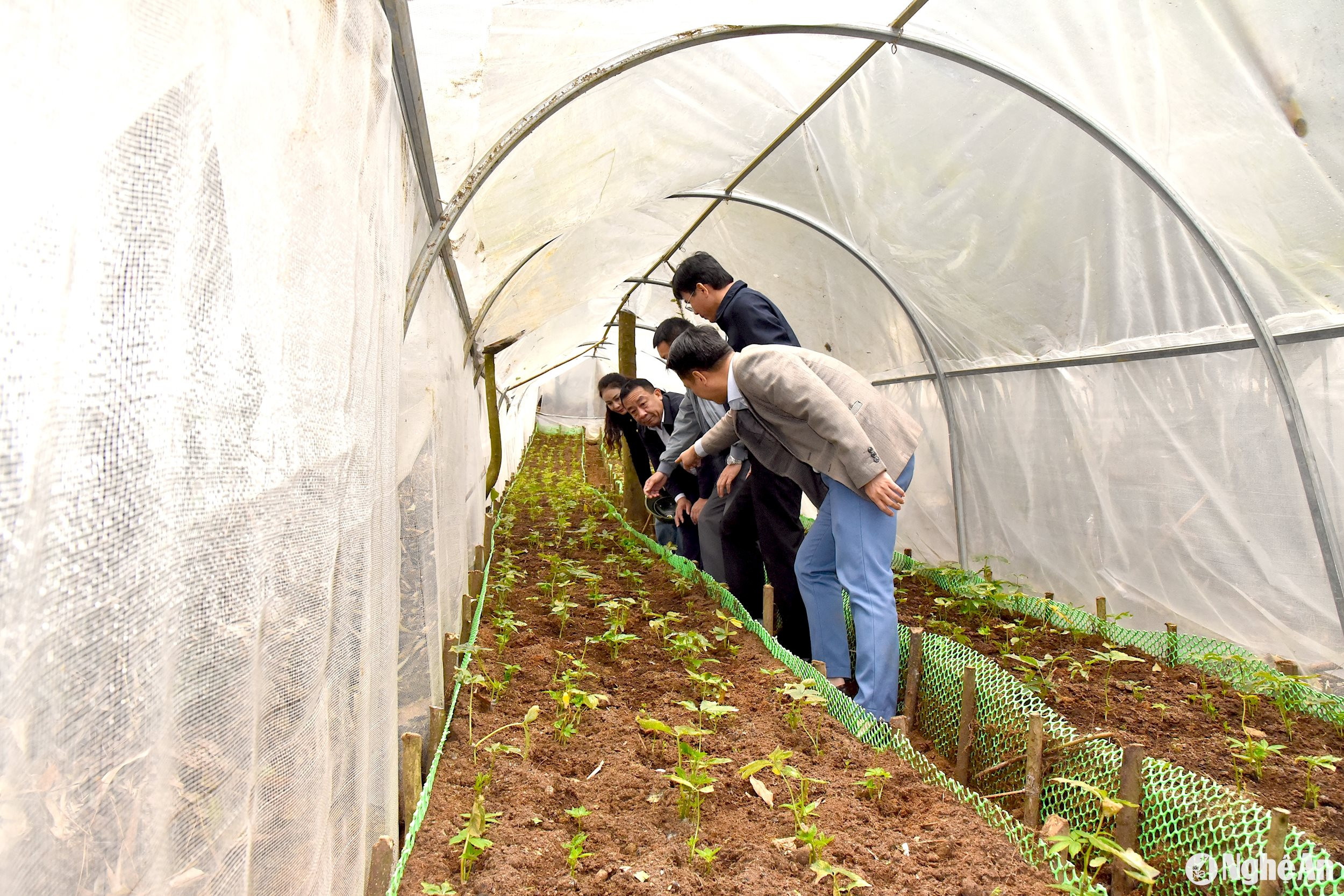
Also in Na Ngoi commune, in Buoc Mu 2 village bordering Vietnam and Laos, a relatively high-altitude area with a cold climate, located at the foot of the Puxailaileng mountain range, TH Group currently cultivates Puxailaileng ginseng and other valuable medicinal herbs under the protective forest canopy on more than 10 hectares. Utilizing the space under the forest canopy, where the slope is gentle, the plants are grown directly on the ground; where the slope is steep, they are planted in raised beds on elevated platforms about 1 meter above the ground, all covered with plastic to protect against frost and retain moisture. Every day, 5-8 workers, mostly local residents, tend to the ginseng plants in this area.
"Being able to work for the company, which is close to home and has a fairly high and stable income, means many people no longer have to travel far for work. We are all very happy," said Vu Ba Ca, a worker.
Besides Na Ngoi, TH Group has also established the Muong Long Medicinal Plant Conservation and Development Center in Muong Long commune. To date, this center has propagated and planted approximately 3,000 *Thất diệp nhất chi hoa* plants, 100,000 *Tam thất bắc* plants, 1,000 *Puxailaieng* ginseng plants, 200,000 *Dendrobium nobile* orchid clumps, and thousands of seedlings of other medicinal plants.
According to Mr. Lau Chia Long, an official of the medicinal plant area and a local resident of Ky Son, in addition to the goals of developing and preserving ginseng and other valuable medicinal plants, the area also creates jobs for dozens of local workers.
Enhancing the value of medicinal herbs in Nghe An province.
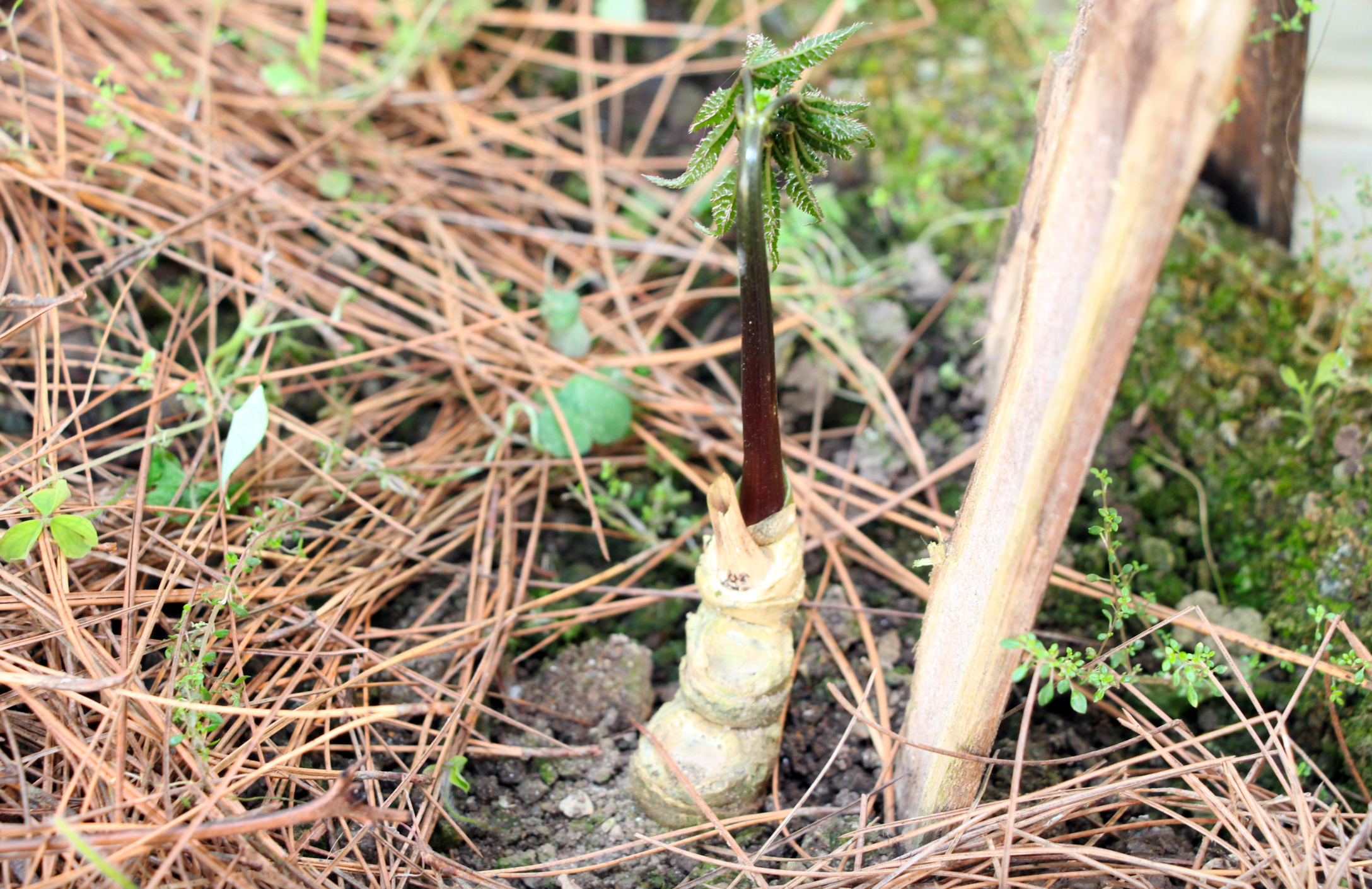
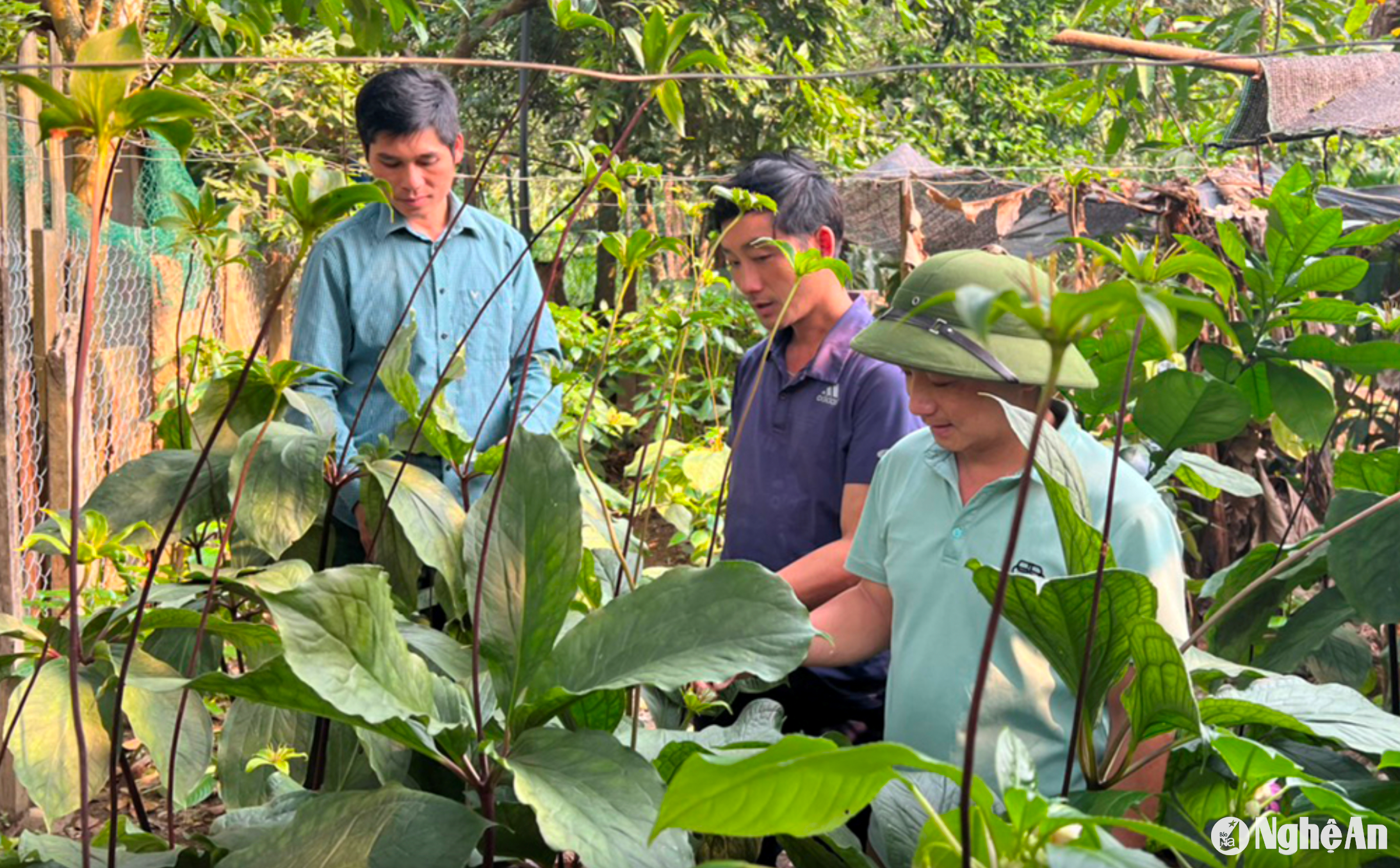
Besides Ky Son, Tuong Duong is also a locality with a plan to develop valuable medicinal plants, including a model of cultivating seven-leaf ginseng in Tam Hop commune. According to the leaders of Tam Hop commune People's Committee, since 2021, the ginseng cultivation project in Pha Lom village has involved 20 households. Mr. Xong Ba Ca's household was the first to implement it, with an area of approximately 400 square meters.2To date, five more households have successfully established ginseng gardens using naturally harvested seedlings from the forest, bringing the total area of 7-leaf 1-flower ginseng in the commune to approximately 0.7 hectares.
Participating households reported receiving technical guidance on ginseng cultivation and financial support to source natural ginseng seeds for planting in their home gardens. The ginseng cultivation project in Tam Hop commune is expected to involve 20 households and is currently awaiting disbursement for 2024 to expand its scale. Initially, after four years of cultivation, households began earning income with ginseng under five years old selling for approximately 1 million VND per kilogram. However, the families also stated that they consider this a "reserve crop," planning to cultivate it for over 10 years before selling it to reap higher profits compared to selling younger ginseng as they do now.
In June 2023, Deputy Prime Minister Tran Luu Quang signed Decision 611/QD-TTg approving the Program for the Development of Vietnamese Ginseng until 2030, with a vision to 2045. The program's scope covers localities with potential and strengths in natural conditions suitable for the cultivation and development of Vietnamese ginseng, including 9 provinces, among which is Nghe An; striving to make Vietnam a major ginseng producer in the world by 2030.
Along with conservation and breeding of ginseng, the Vietnam Ginseng Development Program aims to achieve a ginseng harvesting output of approximately 300 tons per year by 2030, equivalent to an harvesting area of about 1,000 hectares per year, ensuring traceability and meeting GACP-WHO (Good Agricultural and Collection Practices) standards or equivalent. Simultaneously, it will invest in and develop facilities for preliminary processing and deep processing of Vietnamese ginseng products, linked to raw material areas and produced in a value chain, with approximately 50% of production facilities meeting GMP-WHO quality standards.
During an inspection and working session with localities and companies regarding ginseng cultivation projects in March 2024, Vice Chairman of the Provincial People's Committee Nguyen Van De also affirmed that the investment by large companies in ginseng cultivation in Na Ngoi and Muong Long is a step towards realizing this policy in accordance with regulations and the goals set by the Government. He requested that businesses adhere to their production and business objectives.
Accordingly, after the planting and propagation stages, ginseng will undergo further processing and be linked to branded products that can compete in the international market, have high export value, and create an important source of revenue for businesses and localities.
At the same time, it also helps to enhance the value of medicinal herbs in Nghe An province, contributing to increasing the effectiveness of the "Investment Project for Precious Medicinal Herb Cultivation Areas" project for the period 2021-2025, under Sub-project 2, Project 3 of the National Target Program for socio-economic development in ethnic minority areas of the province.